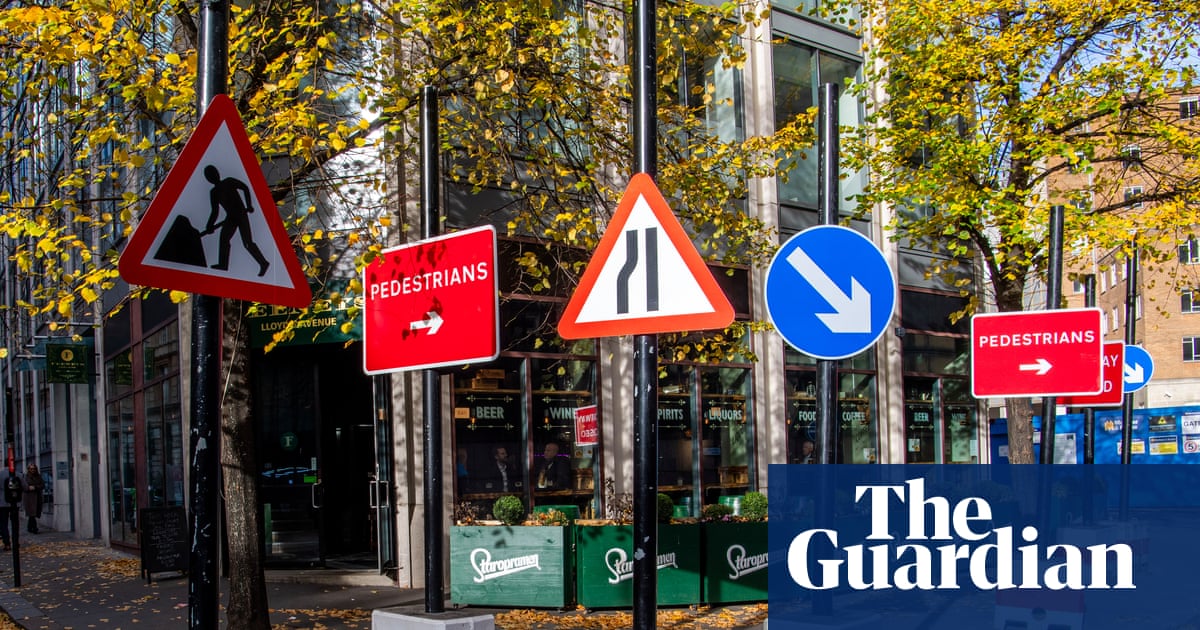
Thinktank says removing clutter and traffic could revive UK high streets
Summary
- The thinktank Create Streets published a report arguing cheap changes can revive struggling UK high streets better than multimillion-pound revamps.
- The report calls for ripping out pedestrian guardrails and unnecessary street furniture, curbing motor traffic, and using kerbside space for bike share or dining.
- It says planning rules have long favoured motorists and treat speeding cars as a given, with car access used as a metric for thriving centres.
- It cites Altrincham in Cheshire, where a walkable, car-free area saw retail vacancies fall from over 30% to 7% in less than a decade.
- Prime Minister Andy Burnham announced a £210m high street regeneration fund in September, most of it going into buildings rather than streets.
Reactions
- Create Streets' David Milner said ugly streets persist because systems count maintenance liabilities rather than benefits, and urged permanence such as trees in the ground.
- The report described typical high streets as 'engineered for traffic and furnished from a catalogue', calling the result joyless public investment.
- Burnham has pledged to try to reverse the decline of high streets, according to the report's framing.
Timeline newest first
Sources newest first
- Rip out ugly clutter to help revive UK high streets, says thinktank
theguardian.com· 28h
A report by the thinktank Create Streets argues that cheap changes – ripping out clutter like pedestrian guardrails, curbing motor traffic and repurposing kerbside parking for bike share or dining – could revive struggling UK high streets better than multimillion-pound revamps. It cites Altrincham, where retail vacancies fell from over 30% to 7%, and says Andy Burnham, the prime minister, has pledged to reverse the decline, with most of his £210m regeneration fund going into buildings.
Background newest first
 How to get the buzz back on Britain’s high streets | Letters
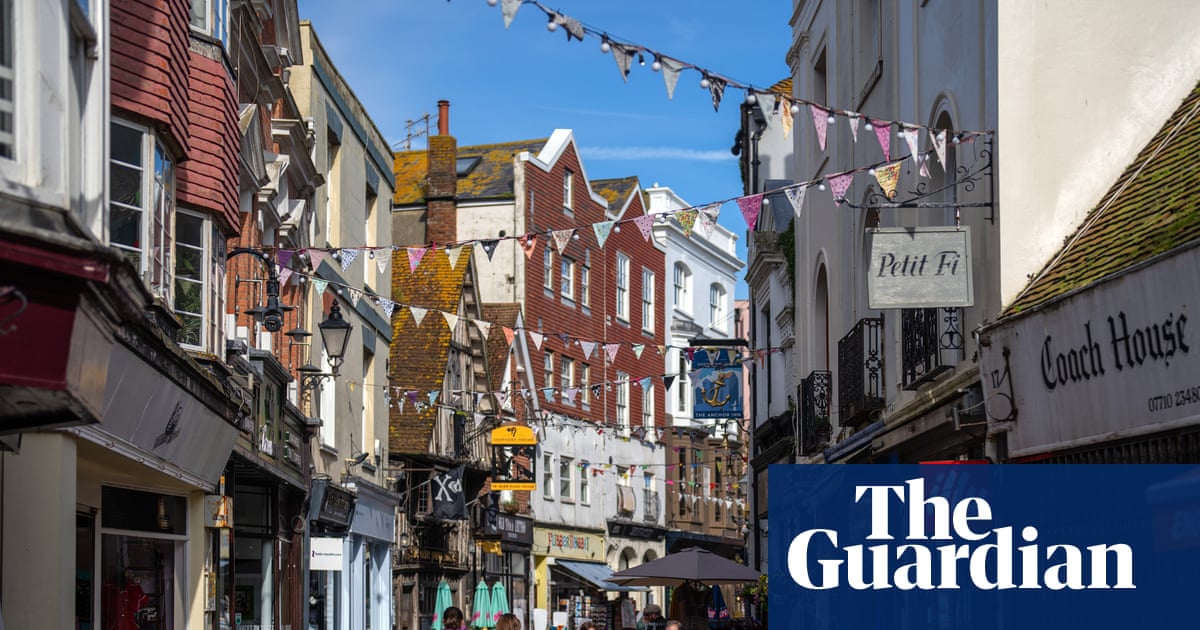
Guardian letters responding to an article on declining high streets offer fixes from several readers: Dan Johnson blames out-of-town retail parks and parcel delivery and proposes a £1 levy on home deliveries; Helen Roberts argues retail can no longer anchor high streets and urges housing mixed with services and green space; Barry Ashley, who runs a Hastings cafe, promotes his My Local First loyalty scheme.
Oxford Street footfall jumps in first week of pedestrianisation
standard.co.uk· 5d
The Standard reports City Hall figures showing footfall on newly pedestrianised Oxford Street rose 16 per cent in the scheme's first week, with Adyen data showing spending up 28 per cent to £3.7 million and evening visits up 19 per cent. Sir Sadiq Khan called the results better than he had anticipated, while TfL said traffic speeds on nearby roads stayed broadly similar.
 Rise in spending on traffic-free Oxford Street, figures show
bbc.com· 5d
A BBC News article reports that spending at Oxford Street stores rose 28% year-on-year in the first week of pedestrianisation, while footfall in the traffic-free section rose 16% and international visitors rose 42%. Mayor Sadiq Khan calls the early results staggering, but Michael Bolt of the Marylebone Association questions the timing, noting the first week coincided with school half-term, while critics raise concerns about bus journey times, cyclists, and accessibility for disabled shoppers.
 ‘It’s just vape shops, nail shops, charity shops’: can anything save the British high street?
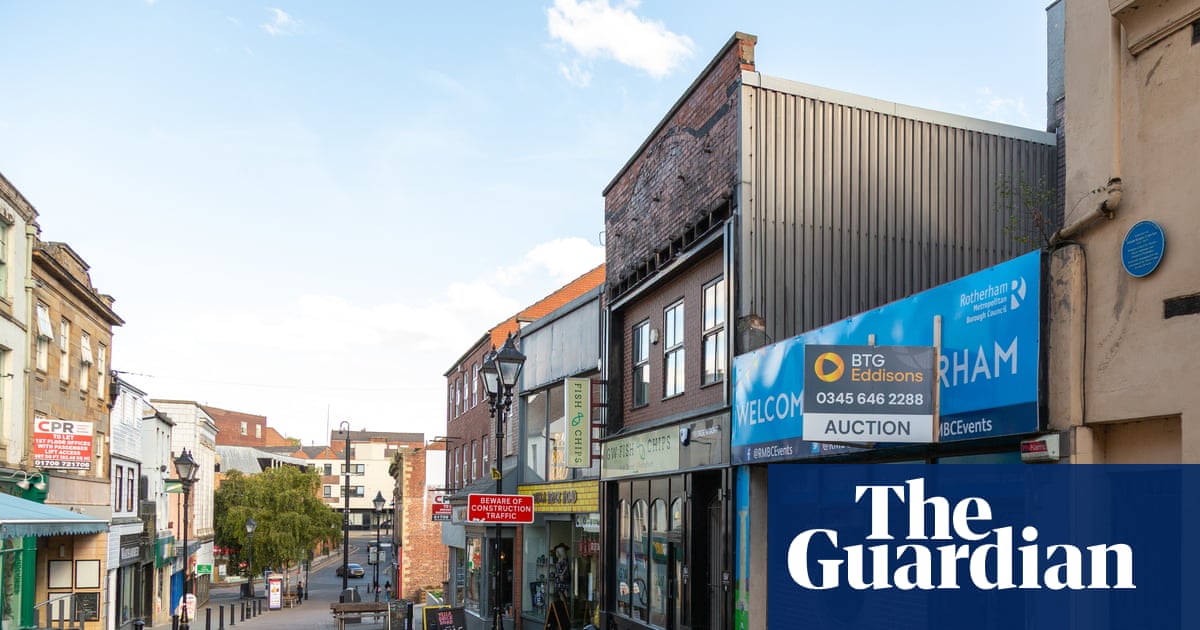
A Guardian feature asks whether anything can save the British high street, using Rotherham as its case: shoppers flock to Parkgate retail park while the town centre, where vape, nail and charity shops dominate, has about 70 vacant units, or 24% of its retail space, far above the national average. It traces how out-of-town shopping spread from 1960s superstores through loosened 1980s planning rules, and reports locals' complaints of empty units, safety fears and thinning footfall, with urbanist Alistair Kefford saying shops are probably not coming back.

