
The Nasdaq Just Hit a 7-Month Low. Here's What $500,000 in JEPQ, JEPI, SCHD and the Dividend Aristocrats Lost in the Selloff, and the One That Made Money
As the Nasdaq slid to a seven-month low, 24/7 Wall St. tracked what $500,000 invested in each of four popular income funds on October 21, 2026 would have done through the November 20 close, and only the ProShares Dividend Aristocrats ETF made money, gaining $10,950, while JPMorgan's JEPQ lost the most at $71,900. The Invesco QQQ Trust, the article's benchmark, fell 16.1% over that month, and a Barchart report attributed the drop to a liquidation of the artificial intelligence trade and a sharp fall in NVIDIA. 24/7 Wall St. concludes that with tech leading the market down, the stocks inside each fund decided how it did, and funds built on long dividend-growth records gave the real protection, though it cautions that one month is a short window to judge them.
Stock market correction? Whatever — Wall Street is bullish on 2027, and one chief investment officer sees the S&P 500 soaring 45% to 10,000 | Fortune
Fortune reports that despite a sharp November correction in AI stocks, Wall Street is bullish on 2027, with strategists forecasting the S&P 500 to finish the year far higher, led by Federated Hermes chief investment officer Steve Chiavarone's target of 10,000, a 45% surge. The bullish calls follow the Dow, S&P 500, and Nasdaq sliding into correction territory, with the week ending November 20, 2026 marking the worst weekly loss since the early days of the COVID-19 pandemic. Morgan Stanley's Michael Wilson and Goldman Sachs see the index at 8,700 in 2027, while UBS and Wells Fargo put it at 8,200. Some analysts welcome the pullback for taking froth off the market, and Chiavarone brushes aside Wall Street's fear that the Democratic midterm sweep will slow the AI infrastructure boom as overblown.
The S&P 500 Is Having the Longest Losing Streak Since February 2020
The S&P 500 fell for a seventh straight session on November 20, 2026, its longest losing streak since the pandemic selloff of February 2020, closing below 7,000 for the first time since April. The 3.70% drop left the index 11.6% below its October 6 record, putting it in a correction, yet it is still up 0.95% for 2026, so nearly a full year of gains vanished in about six weeks. 24/7 Wall St. attributes the selling to investors losing confidence in the AI trade, noting that NVIDIA fell 13.8% on Friday and that the market-cap-weighted SPY fund, whose largest holding is NVIDIA, has fallen far more than an equal-weight version of the same index, showing the risk sits in a few AI names. The article says the level to watch before the Federal Reserve's December 8-9 meeting is 6,886.24, because closing below it would signal selling spreading beyond the AI leaders.
This Stock Market Selloff Could Block the Fed’s Rate Hikes
A 247wallst.com article argues the stock market selloff could block the Federal Reserve from raising rates after December, if it even hikes then. The S&P 500 fell 3.70% on November 20, 2026, its seventh straight loss and worst week since early April 2025, while the Nasdaq turned negative for 2026. The case rests chiefly on Peter Boockvar of OnePoint BFG Wealth Partners, who estimates AI makes up about half of the S&P 500's market value and data center spending about half of U.S. GDP growth, and who says weaker portfolios will slow spending, growth, and inflation without any Fed action. Markets still price about 92% odds of a quarter-point December hike, though Fed Governor Lisa Cook countered that financial conditions remain too accommodating and that September's single hike is unlikely to be enough.
Chip Stocks are Now Repeating What Happened in 2001
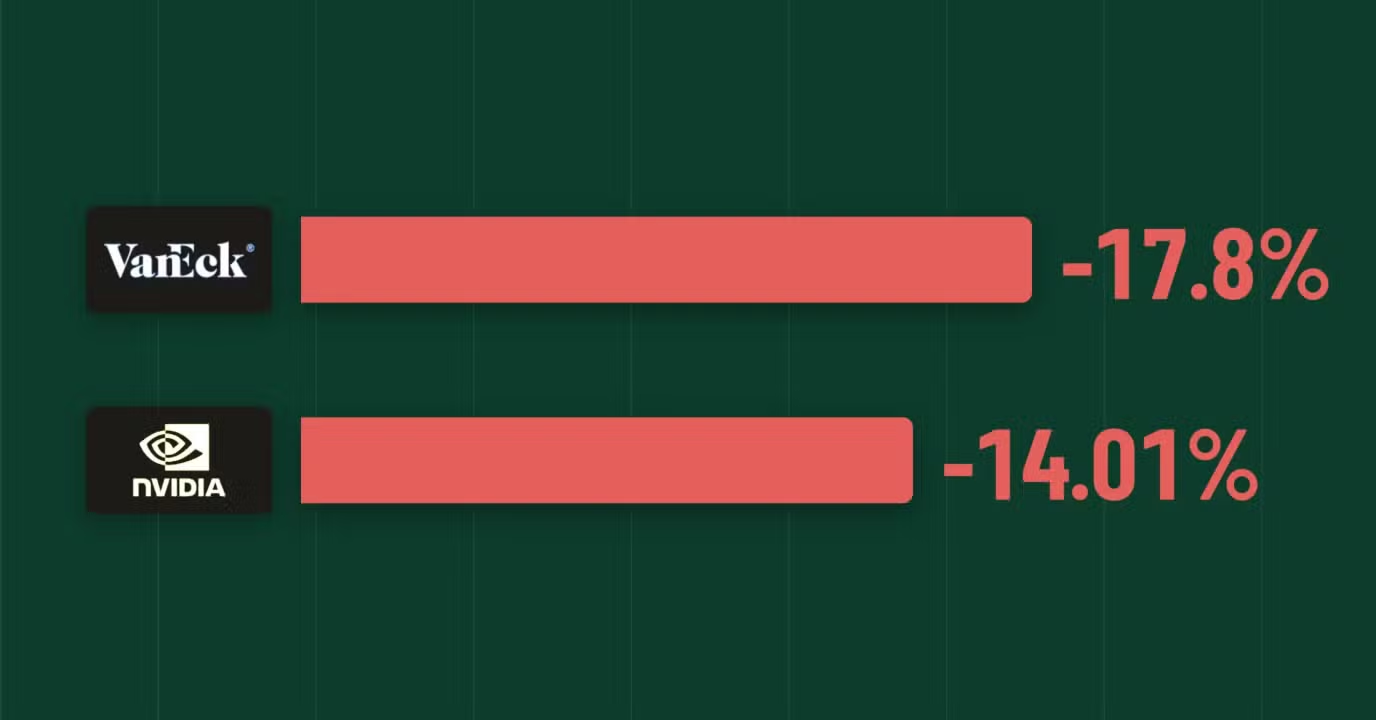
Chip stocks just had their worst week since 2001, and the article argues they are now repeating the dot-com era's collapse. The PHLX Semiconductor Index fell 10.73% on Friday, November 20, 2026, and ended the week down 17.13%, its fourth-worst week since 1994, with every worse week coming as the dot-com bust extended. The author's argument rests on speed: the index took 151 days to fall 42.5% from its June 2026 record, against 214 days in 2000, yet he judges that today's leaders earn far larger profits than chipmakers did then, a difference strategist Matt Orton also stresses. NVIDIA, the largest holding in the VanEck Semiconductor ETF, dropped 14.01% on the Friday, and Jensen Huang has resigned as its CEO amid a reported SEC review of its accounting, though no misconduct has been established. 24/7 Wall St. infers the faster fall likely uses up the selling sooner unless forced sellers remain, and says NVIDIA's next quarterly filing is worth reading closely.

The sudden reversal in the stock market, and what comes next
In an article for The Washington Post, John Csiszar reports that a sudden 11.6 percent decline from its peak has nearly erased the S&P 500's gains for 2026, leaving the index up less than 1 percent on the year as of the Friday close after it had been up more than 14 percent in early October. The tech-heavy Nasdaq Composite has already turned negative for 2026, down 2.7 percent. An AI-generated summary of reader comments says many commenters attribute the downturn to President Trump's policies and the influence of AI investments, with some skeptical of the administration's ability to manage the situation.

S&P 500 sinks 3.7% and the Nasdaq composite goes negative for the year
A sell-off in artificial intelligence stocks pulled the S&P 500 down 3.7% on Friday, November 20, 2026, its worst weekly loss in more than 18 months, and knocked the Nasdaq composite, which slumped 5.3%, into negative territory for the year. The S&P 500 is now in a correction, more than 10% below its October 6 high, after a seven-day losing streak. Chipmakers bore the brunt: Nvidia closed 13.8% lower and has dropped more than 25% since the Jensen Huang scandal erupted earlier in November, while Anthropic's stock, the biggest public offering ever, fell 9.1% the day after its IPO. The selling spread overseas, with Japan's Nikkei and South Korea's Kospi each down more than 5%. The Associated Press reports the AI trade is losing steam over worries that AI stocks' big values and heavy spending are unjustified, fears worsened by midterm wins for candidates advocating slower data center construction, though one strategist quoted says the bull market that began in 2022 is not over.
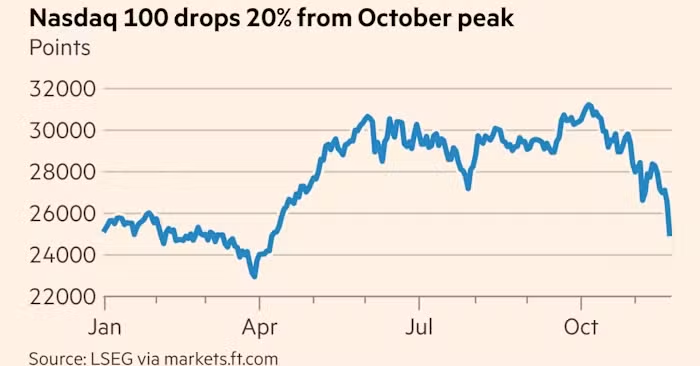
US tech stocks plunge into bear market in worst week since Covid-19 crisis
US tech stocks have plunged into a bear market in their worst week since the Covid-19 crisis, the Financial Times reports.

The Stock Market Just Sent a Warning It Has Sent Only 8 Times Since 1999. My Husband Wants to Sell Everything Today. I'm 63 and We Had $900,000 in October
A personal finance column on 247wallst.com answers a 63-year-old reader whose husband wants to sell everything before the November 20, 2026 close after the S&P 500 fell about 10% from its October 6 record and the couple's $900,000 in index funds lost $119,000 in six weeks. Columnist Danielle Liverance argues selling everything has cost more than it has saved: running the largest S&P 500 fund's prices back to 1999, she found 8 earlier days it first closed 10% below a record, and in every case, including 2000 and 2008, the fund went on to a new record, though 6 of the 8 first fell at least 10% further. She recommends moving the $72,000 the couple will spend over the next two years into a money market fund or Treasury bills, which would have carried them through each earlier two-year recovery, and leaving the other 91% invested, since selling means being right twice, on the way out and on the way back in.

Tech stocks pull US markets lower early with Anthropic's historic debut doing little to slow rout
Tech stocks dragged US markets lower on Friday, November 20, 2026, and Anthropic's massive IPO debut the day before did little to slow the AI-led rout. The S&P 500 was pointing to its seventh straight day of declines, its longest losing streak since the 2020 onset of the COVID-19 pandemic, and the Dow had closed below 50,000 on Thursday for the first time since June. Anthropic's shares slid more than 7% before the opening bell to $88.10, still above the $82 IPO price but well below the $111 they fetched midday Thursday, and other AI names including Advanced Micro Devices, CoreWeave and Broadcom also fell. The AI boom, an engine for US markets, has faltered on fears of a bubble and on the GOP's midterm election sweep, after which the industry lost a friendlier political footing.

S&P 500 and Dow enter correction, Nasdaq wipes out 2026 gain as Anthropic leads AI sell-off: Live updates
Stocks closed a brutal week on 20 November 2026 with the S&P 500 and Dow entering correction territory and the Nasdaq turning negative for the year, as the much-hyped Anthropic IPO led investors to take profits on the AI-led rally rather than revive it. Anthropic gave back most of its 17% debut jump with a 10% drop, while chipmakers AMD and Nvidia slid 12% and more than 11%, and Micron fell more than 13%. For the week the Dow is down 7%, its worst since April 2025, with the S&P 500 down almost 8% and the Nasdaq about 9%. Negative headlines including signs of moderation in AI capital spending and Jensen Huang's ouster at Nvidia raised questions about the AI buildout, and the Fed's potential rate hikes are also spooking traders, though investors found shelter in defensive stocks like Walmart.
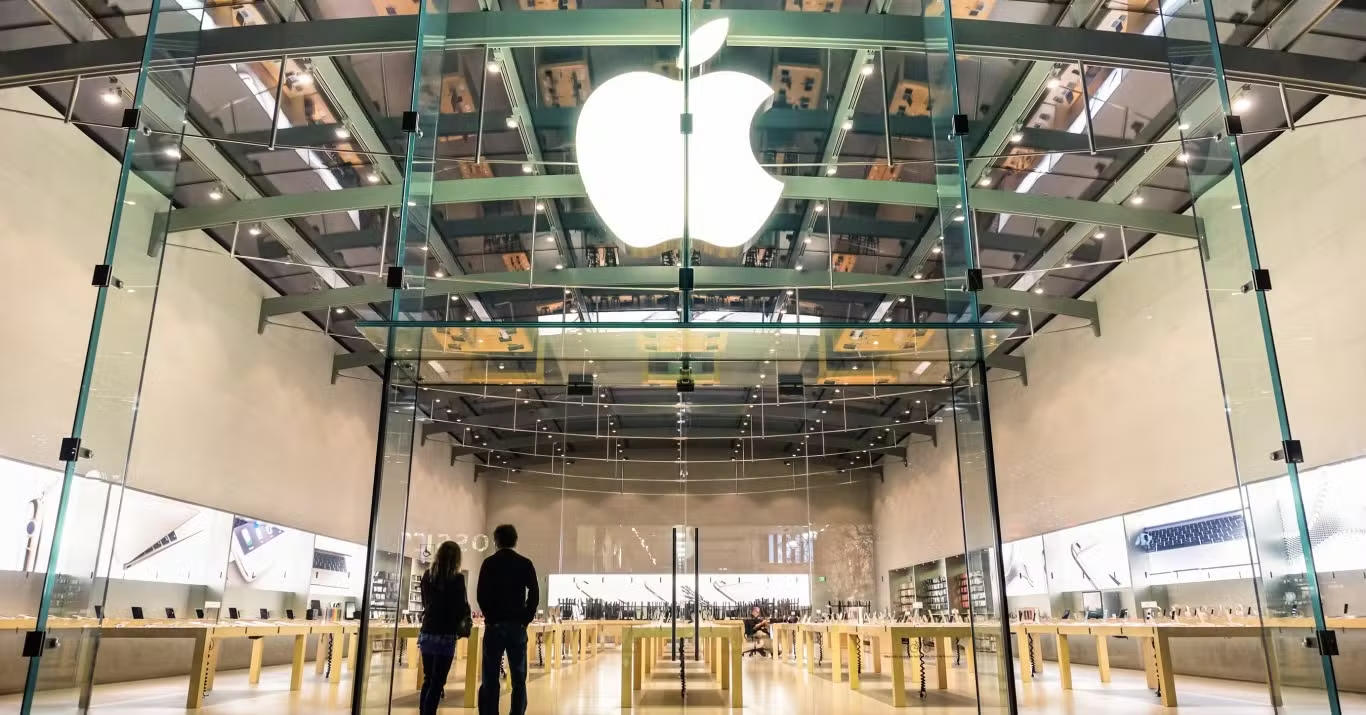
Apple Is the Only Magnificent Seven Stock Near a Record
A 247wallst.com market analysis finds Apple is the only Magnificent Seven stock near its record high, holding up as a refuge while the rest of big tech slides. On Nov. 17, 2026, Apple closed at $351.91, just 1.2% below its Nov. 13 record close and up 29.4% in 2026, while Nvidia sat 35.0% below its high and the SPDR S&P 500 ETF Trust fell for a fourth straight day. The site attributes Apple's premium to record September-quarter iPhone and services revenue showing real demand, and argues the gap makes Apple look like the safest big-tech holding, though also likely the most crowded. It calls memory costs Apple's weak spot, notes a reported but unconfirmed Samsung DRAM supply deal could lock in supply, and flags the Fed's October meeting minutes and a close above $356.27 among events that could change the picture.

US tech stocks slide ahead of Nvidia results
US tech stocks slid ahead of Nvidia's results, the Financial Times reports.
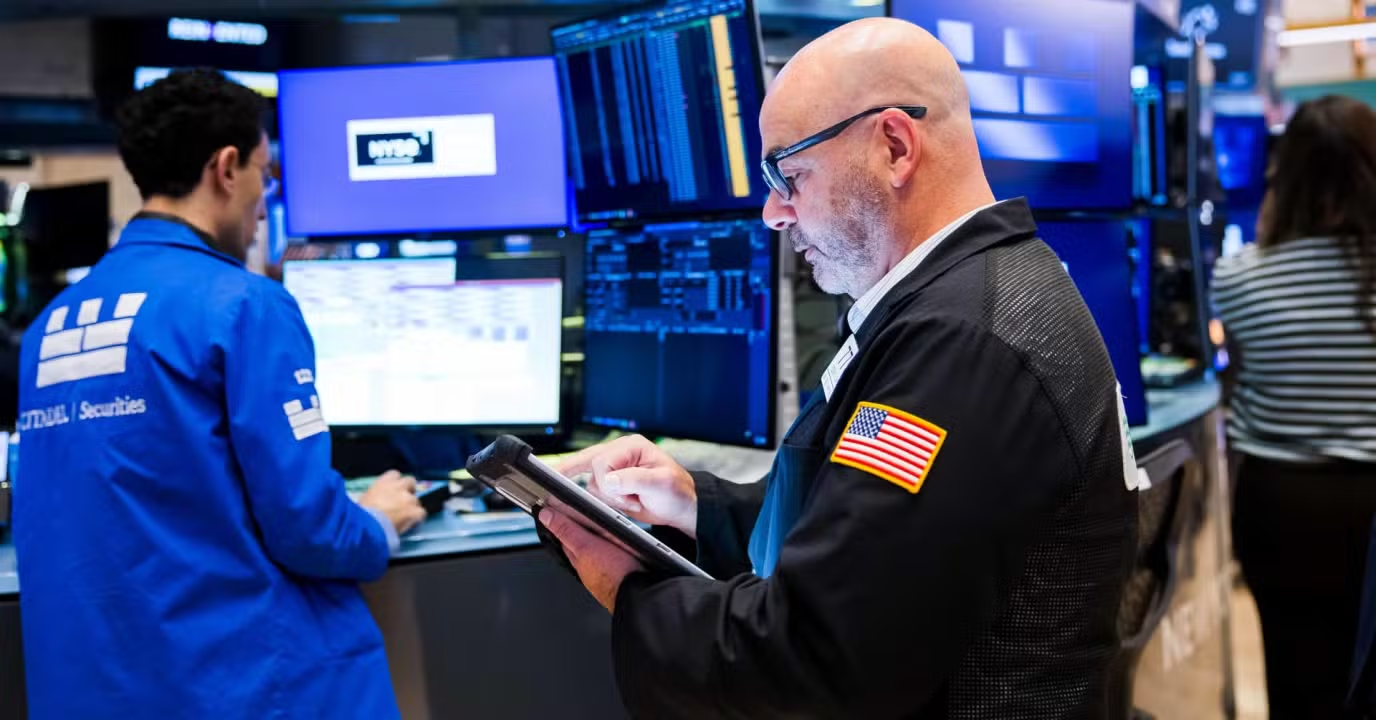
Wall Street's fear gauge is surging again and this time it's not just about AI jitters
CNBC reports that Wall Street's fear gauge surged on Nov. 17, 2026 as a range of headlines weighed on traders, and the hedging activity points to fear that goes beyond AI worries. The Cboe Volatility Index jumped nearly 5 points to a high of 27.7 during the day's selling, while the S&P 500 slipped under 7,300, its lowest since June 2026. CNBC says traders piled into protective put options on the S&P 500 at a rate suggesting broader fear than an AI-specific correction, with the put-to-call ratio on the SPDR S&P 500 ETF hitting 1.5, the highest since early April 2026, and headlines ranged from nationwide tech outages to Nvidia earnings and Anthropic's initial public offering. Trader Noel Smith called the selling a market-wide phenomenon not just about AI stocks, while VolSignals' Matthew Nadel said the options market's move higher was mostly orderly.
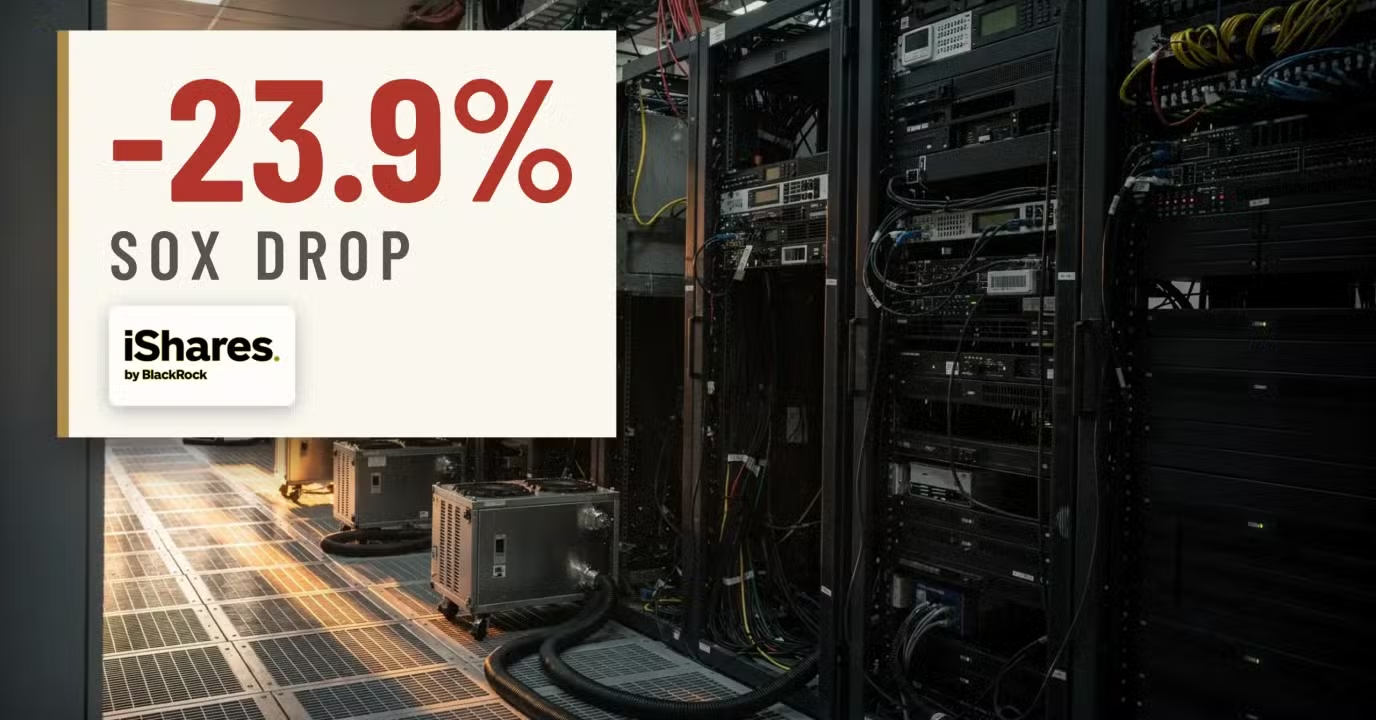
Chip Stocks Are Having Their Worst Two Months Since 2008
A 247wallst.com article reports that chip stocks are in their worst two-month stretch since 2008, with the PHLX Semiconductor Index down 23.9% since September 30 after falling 15.36% in October and another 10.09% in November so far, including a 5.28% drop on November 16 that left all 30 members lower. Only 11 two-month stretches since May 1994 have been worse, and none came after 2008. The decline follows SemiAnalysis cutting its AI accelerator spending forecasts by 28% for 2028 and 40% for 2030, a new Commerce Department rule restricting remote access to advanced U.S. chips, and NVIDIA's announcement that CEO Jensen Huang had resigned, which 24/7 Wall St. ties to about $735 billion in lost market value. 24/7 Wall St. says the 2008 comparison holds only if the index closes November below about 9,817, and points to NVIDIA's November 17 earnings report as the next test.

NVIDIA Falls 4% Ahead of Earnings as Elon Musk Joins Calls to Reinstate Jensen Huang; AMD Drops 6%, Taiwan Semiconductor Slides 5%
In a 24/7 Wall St. market report, NVIDIA stock trades down 4% at $157.01 ahead of its Q3 FY2027 earnings report, compounding a slide that has left the stock down 29% over the past month, as chip stocks across the AI supply chain fall with it. Jensen Huang stepped down as CEO on November 12 following reports of extramarital affairs, including unverified claims that U.S. intelligence believes one woman to be a spy for China, and longtime finance chief Colette Kress is serving as interim CEO. Elon Musk is among the tech executives rallying for Huang's return, and 24/7 Wall St. reports an online petition to reinstate him has drawn more than 170,000 signatures, while Treasury Secretary Scott Bessent called for a "dramatic shakeup" and said the board should look outside the company for its next CEO. Advanced Micro Devices falls 6% and Taiwan Semiconductor 5% despite AMD's Q3 results beating expectations and TSMC's October revenue rising 59.7% year over year, as the outlet attributes the slide to Wall Street rethinking the AI trade without Huang; the November 17 report, which the company has not confirmed, will be NVIDIA's first since his exit.

The Stock Market Just Had Its Best Day Since April. Here's What History Says a 62-Year-Old Retiree With $1,300,000 in Cash Should Do Now
A 247wallst.com analysis by Danielle Liverance weighs Monday's big rebound, the S&P 500's 2.36% gain, its best day since April, which erased 85% of last week's loss, and asks what a 62-year-old retiree holding $1,300,000 in rolled-over cash should do now. History offers both answers: of 14 similar 2% bounces from 5% to 10% below a record since 1999, 9 gave everything back within a month, yet 8 of the 13 with a year behind them were higher a year later, and nobody can tell on the day which kind this one is. Wall Street is split too, with Morgan Stanley's Mike Wilson calling the correction in its final innings and JPMorgan's Dubravko Lakos-Bujas calling the pullback largely a deleveraging event, while Barron's told readers not to buy the bounce. The article's answer is to stage the $780,000 stock money in thirds over two months, which had a median one-year outcome of $58,500 against $52,300 for a lump sum, while keeping the $520,000 in Treasuries that covers 10.8 years of the retiree's $48,000 annual draw out of the argument.
Chip Stocks Just Had Their Second-Worst Day on Record
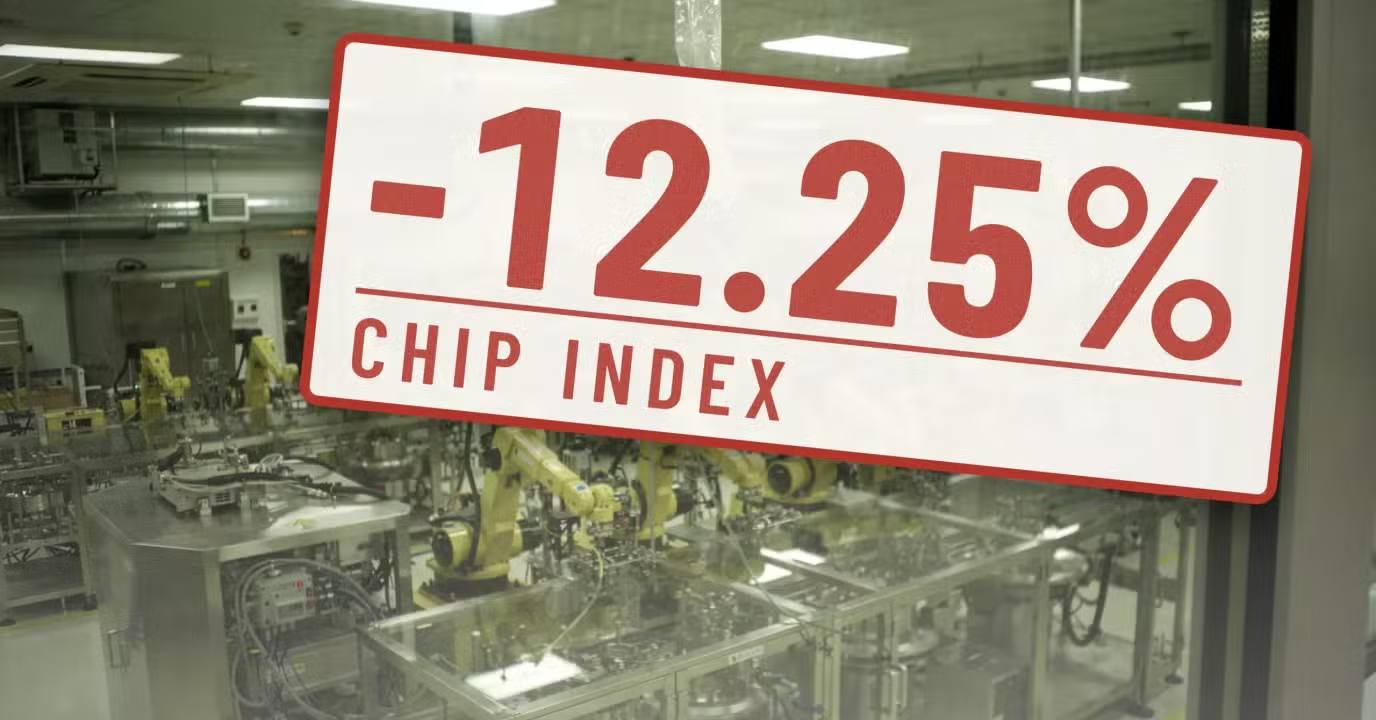
On November 5, 2026, chip stocks took their second-worst one-day drop on record: the PHLX Semiconductor Index fell 12.25% to 9,011.14, its biggest fall since the COVID crash of March 2020, and chipmakers lost an estimated $1.5 trillion in market value. Equipment and memory names fell hardest, with Micron down 17.46% and Lam Research down 16.36%, while NVIDIA's smaller 9.26% loss cushioned the VanEck Semiconductor ETF. Explanations differ: Nomura's Charlie McElligott blamed hedge funds selling the year's winners to lock in gains, while others cited weak results from two chip designers and fears of tougher AI regulation after Democrats won Congress. 24/7 Wall St. argues that a close back above 10,000 after NVIDIA's expected November 17 earnings report would confirm the selloff was mostly position selling, while a close below 9,011.14 would signal a real capex unwind.
Stock Market Today: Nasdaq Sinks 4% as Investors Ditch Chip, Data-Center Stocks — Live Updates
The Wall Street Journal's live market updates report a sharp selloff on Nov. 5, 2026, as investors unwind some of the year's most popular AI trades. The Nasdaq sinks 5% into correction territory, the Dow sheds about 1,500 points, and the S&P 500 is on pace for its worst day since early April 2025. Investors are positioning for a slowdown in the AI build-out after the midterms, with chipmakers and data-center suppliers hit hardest, and the selloff drives a flight to Treasurys. One fund manager calls it a true panic, entirely about chip stocks and the potential AI slowdown.

Nasdaq tumbles 3%, Dow reverses earlier gain as tech selling drags stocks lower: Live updates
CNBC's live-updates report follows the Nasdaq Composite's 3.3% drop into correction territory on Thursday as investors rotated away from technology and into defensive sectors, with the Dow shedding 489 points, or 0.9%, after reversing an earlier gain. The selling hit the AI trade for a second day: chipmakers Broadcom and Nvidia each fell 5%, Oracle lost close to 5%, and Tesla and SpaceX dropped 9% and 7%. The fear driving the sell-off, CNBC reports, is that a Democratic sweep of both chambers of Congress in the 2026 midterms, plus key gubernatorial wins, could spell tougher regulation of data centers and the AI buildout. The turn came a day after the Dow jumped more than 1,500 points on the election results, with President Trump's acceptance of the outcome helping calm investors, while a portfolio manager cited in the report says the rally and rotation could be temporary.

