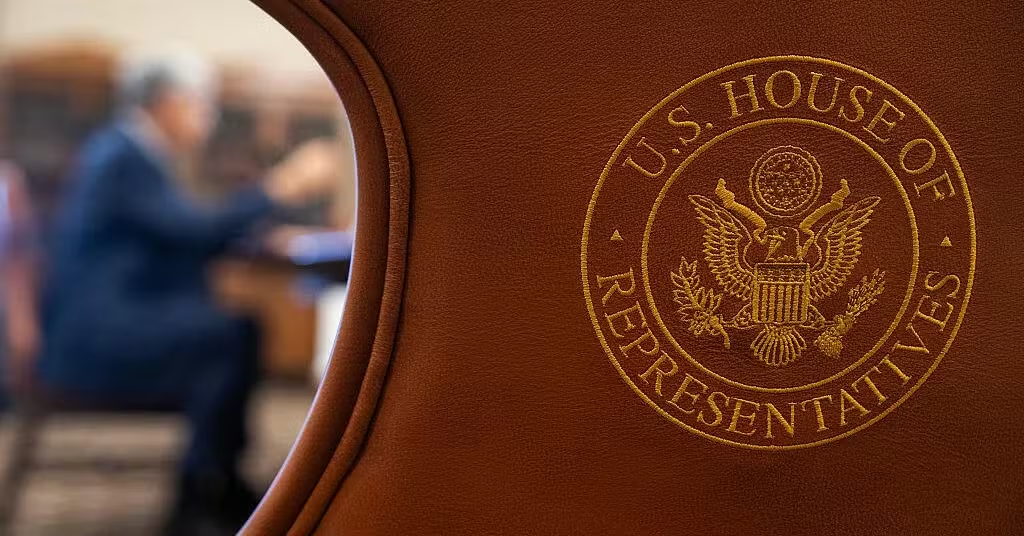
House Ethics Committee adopts rule changes to speed sexual misconduct investigations



The House Ethics Committee voted unanimously on Nov. 19, 2026 to adopt rule changes meant to speed up and make more transparent its sexual misconduct investigations.
The changes let the chair and ranking member issue subpoenas without a full committee vote, streamline respondent deadlines, and widen when fines and lost privileges are used.
The panel also codified its policy of publicly disclosing findings that a member engaged in sexual misconduct while protecting victims' identities.
The committee says consolidating procedural steps should shorten investigations by several months or more while keeping due process protections.
The revamp followed a 2026 spike in sexual misconduct claims; Reps. Eric Swalwell and Tony Gonzales resigned before the committee finished investigating them.
A separate bipartisan reform group led by Reps. Kat Cammack and Teresa Leger Fernández has yet to release its own recommendations.
One change expands the circumstances in which fines and denials of privileges are considered appropriate sanctions for sexual misconduct.
The committee formalized a requirement that it review its rules and make necessary adjustments each Congress.
The committee had faced pressure to increase transparency and streamline investigations after a spike in sexual misconduct claims in 2026.
Rep. Michael Guest said the expanded sanctions aim to ensure lawmakers are held more accountable for their actions, adding that on sexual harassment everyone agrees on zero tolerance.
The House Ethics Committee voted unanimously on Nov. 19, 2026 to adopt rule changes aimed at expediting sexual misconduct investigations and increasing transparency.
The changes delegate subpoena authority to the committee's chairman and ranking member, ending the requirement of a full committee vote, with members still notified of subpoena authorizations.
The committee codified its policy of publicly disclosing when a member is found to have engaged in sexual harassment or other sexual misconduct while protecting victims' and witnesses' identities.
The changes streamline the deadlines for respondents to address an investigative subcommittee's findings.
Committee Chairman Rep. Michael Guest said the rule changes will provide more transparency, expedite investigations while protecting witnesses and victims, and protect due process for members.
Rep. Mark DeSaulnier said he hopes the changes will reinforce the committee's commitment to the integrity of the House and reflect positively on the panel, its staff, and the House.
The House Ethics Committee detailed the approved rule changes in a news release on Nov. 20, 2026.
The committee says consolidating duplicative procedural steps and simplifying its investigative process should accelerate investigations by several months or more.
Rep. Mark DeSaulnier of California, the committee's top Democrat, said in a statement, "The House of Representatives must have a zero-tolerance policy for sexual harassment and misconduct and the Committee on Ethics is committed to ensuring that its practices and processes sufficiently hold perpetrators accountable and deliver justice for survivors."

