Congo Ebola cases top 12,000 with 5,904 dead as fighting disrupts response
Epidemie im Osten des Kongo: Zahl der bestätigten Ebolafälle steigt auf über 12.000
spiegel.de· 52m
Ebola-Ausbruch in Zentralafrika: Mehr als 12.000 bestätigte Ebola-Fälle in Kongo
zeit.de· 2h
Ebola outbreak in Congo reaches 12,000 cases as violence forces some responders to evacuate
apnews.com· 2h
DR Congo Ebola cases surpass 12,000 as fighting disrupts response in east
aljazeera.com· 3h
Congo's Ebola cases exceed 12,000 as responders struggle to contain outbreak
reuters.com· 6h
The current Ebola outbreak is growing faster than any outbreak of the disease ever. How can it be stopped?
scientificamerican.com· 3d
Congo’s Escalating Ebola Crisis
foreignpolicy.com· 7d
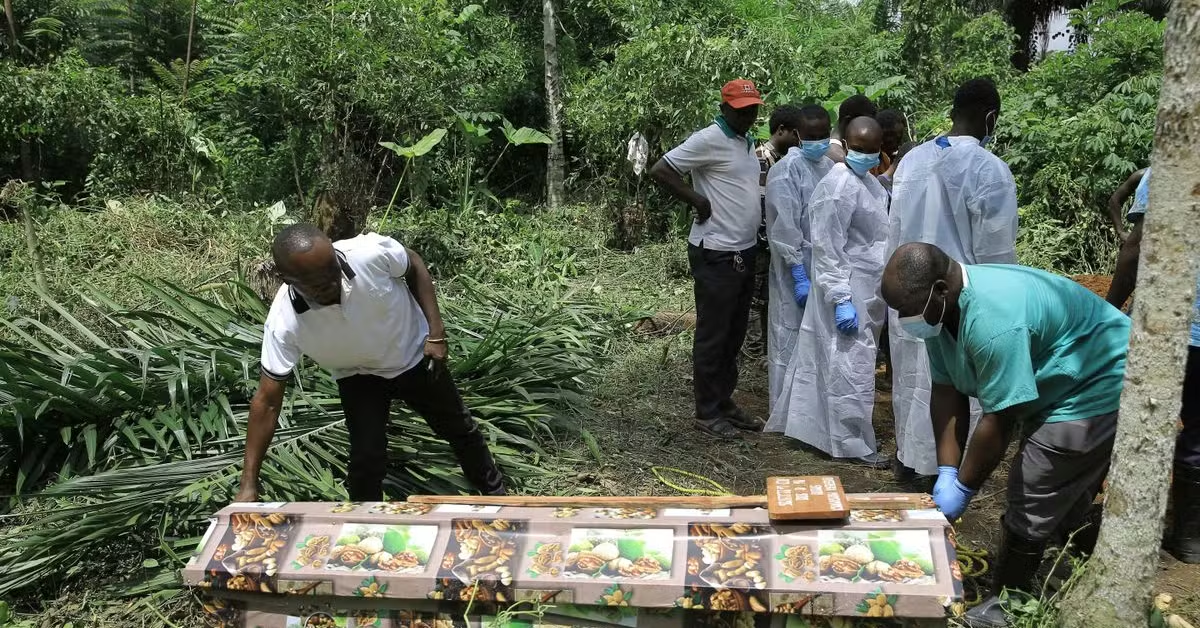
An Ebola outbreak in the Democratic Republic of Congo has passed 12,000 confirmed cases, with 12,021 infections and 5,904 deaths according to government data released on November 26, 2026. Declared in mid-May 2026 in Ituri province, the Bundibugyo variant outbreak has spread to 8 of the country's 26 provinces and is the second-largest and deadliest Ebola outbreak on record, behind only the 2014-2016 West African epidemic. Nearly half of those confirmed infected have died, and there are no approved treatments or vaccines for the Bundibugyo species causing it.
The outbreak was called the fastest-growing in history, and Africa CDC chief Jean Kaseya said in November that infections were spreading at double the rate recorded when it began. More than 80 percent of new cases were emerging outside known contact lists, and data presented earlier in November showed only 15 percent of new cases came from contacts known to health authorities, leaving many chains of transmission missed. More than 65 percent of deaths occurred outside healthcare facilities.
The response itself is strained. International donors had disbursed more than $962 million to organizations running Congo's Ebola response, but Kaseya said around $700 million was unaccounted for as of October 2026; Africa CDC said it was too early to call it embezzlement and that an investigation was underway. Congolese health workers, unpaid for months, went on strike, and Médecins Sans Frontières warned that ambulances had run out of fuel and staff were untrained. Vaccine trials are underway, but experts said the crisis needs far more than a medical solution, and the World Health Organization's emergency director for Africa, Marie-Roseline Bélizaire, is leading contact tracing and training from the front line.
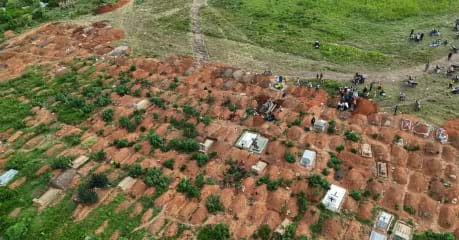
An analysis of satellite imagery suggested the official death toll may be largely underestimated in two of the hardest-hit areas. Fighting between rebels and the army is disrupting efforts to contain the spread in eastern Congo, and the outbreak's death toll and case count continue to rise.
The Bundibugyo variant Ebola outbreak in the Democratic Republic of Congo began in May 2026 and was called the fastest-growing Ebola outbreak in history.
Congolese government figures released in November 2026 showed the death toll had passed 5,500 people, with more than 11,000 infected.
Africa CDC chief Jean Kaseya said infections in the Democratic Republic of Congo were spreading at double the rate recorded when the outbreak began.
Jean Kaseya said more than 80 percent of new Ebola cases were emerging outside known contact lists and more than 65 percent of deaths had occurred outside healthcare facilities.
International donors had disbursed more than $962 million to organizations implementing Congo's Ebola response.
Jean Kaseya said around $700 million of the disbursed Ebola funds was unaccounted for as of October 2026.
The Africa Centres for Disease Control and Prevention said it was too early to attribute the funding discrepancy to embezzlement but an investigation was underway.
Congolese health workers, unpaid for months, went on strike during the Ebola outbreak.
Médecins Sans Frontières warned in November 2026 that ambulances had run out of fuel and staff were untrained.
Jean Kaseya said the outbreak remains serious and is still not under control.
Jean Kaseya called the lack of coordination between Congo's government and foreign donors "a collective failure" and urged international donors to release $1.6 billion in pledged aid.
Médecins Sans Frontières called the Ebola outbreak in the Democratic Republic of Congo "out of control" and said the Congolese government and United Nations agencies need to "strengthen oversight and accountability."
Experts said vaccine trials were underway for the outbreak but that the Ebola crisis needs far more than a medical solution.
Marie-Roseline Bélizaire, the World Health Organization's emergency director for Africa, is leading contact tracing and training from the front line in the Democratic Republic of Congo.
Marie-Roseline Bélizaire said her biggest concern is that the outbreak is still evolving and many people are still dying in the community.
Marie-Roseline Bélizaire forecast that her work on the Ebola outbreak will not let up anytime soon.
Confirmed Ebola cases in the Democratic Republic of Congo exceeded 12,000 on November 26, 2026, with 12,021 infections and 5,904 deaths according to government data.
The outbreak, declared in mid-May 2026 in Ituri province, has spread to 8 of the country's 26 provinces and is the second-largest and deadliest Ebola outbreak on record behind only the 2014-2016 West African outbreak.
There are no approved treatments or vaccines for the Bundibugyo species of the Ebola virus causing the outbreak.
Data presented by Africa CDC earlier in November 2026 showed only 15 percent of new Ebola cases come from contacts known to health authorities, meaning many chains of transmission continue to be missed.
An analysis of satellite imagery suggested the official Ebola death toll may be largely underestimated in two of the hardest-hit areas.
Fighting between rebels and the army is disrupting efforts to contain the spread of Ebola in eastern Congo.
Government data released on Thursday, November 26, 2026, showed nearly half of the 12,021 people confirmed to have Ebola in the outbreak have died.