Food banks report surging Thanksgiving demand as families face food costs and aid cuts
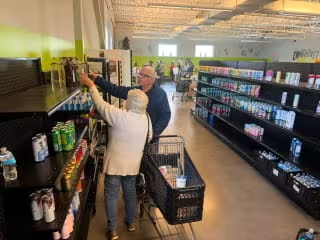
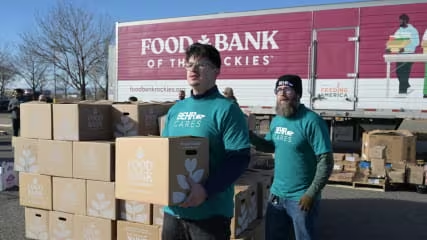
Two days before Thanksgiving, a rapidly growing line formed at Cross-Lines Community Outreach’s food pantry in Kansas City, Kansas. Its Community Market served about 1,900 families per month, a 35% increase from the prior year, and turned people away daily. The organization shifted from ground beef to ground turkey or chicken when prices allowed, and relaxed income requirements for pantry aid.
A week before Thanksgiving, a mile-long line formed at a food giveaway in Detroit, where the Capuchin Soup Kitchen closed its giveaway when its 500 turkey meal kits were expected to run out. The kitchen spent about $20,000 more on food in October than in September. In Louisville, United Crescent Hill Ministries’ pantry served about 50 people per day, four times the number it served the previous year.
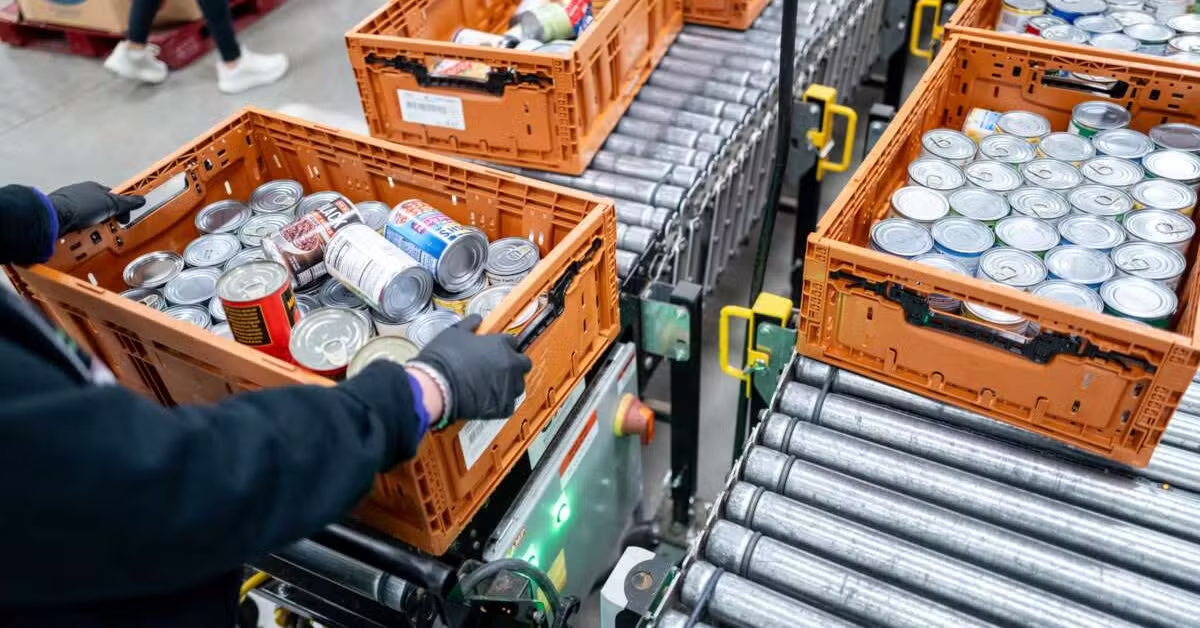
Food banks also reported pressure on supplies and costs. St. Mary’s Food Bank in Phoenix drew on savings to cover rising fuel costs and bought more food than ever before. The High Plains Food Bank served more than 14,000 households per month on average, a record, while holding what its director described as its lowest inventory; its fuel bill was 220% higher in November 2026 than in January 2026.
At the same time, food assistance was shrinking. About 5.5 million Americans had lost SNAP benefits since the One Big Beautiful Bill Act passed in July 2026, and the Trump administration proposed November rule changes that could cut eligibility for another 6.3 million people. The U.S. Department of Agriculture cut $500 million already allocated nationwide for food aid through The Emergency Food Assistance Program.
In Texas, calls to the 211 hotline seeking food assistance rose 28% from February to June 2026, while pantry and food bank referrals climbed nearly 37%, from 4,230 to 5,785. The Houston Food Bank bought no turkeys in 2026 because of their cost, while its charity network recorded a 20% increase in requests for food assistance. On November 27, the Tarrant Area Food Bank’s holiday-season market served more than 5,400 families, exceeding its expected 4,000.
Two days before Thanksgiving, Cross-Lines Community Outreach in Kansas City, Kansas, saw a rapidly growing line at its food pantry.
Cross-Lines Community Outreach’s Community Market served about 1,900 families per month, a 35% increase from the prior year, and turned people away daily.
Cross-Lines Community Outreach shifted from distributing ground beef to buying ground turkey or chicken when prices allowed, and relaxed income requirements for pantry aid.
A week before Thanksgiving, a mile-long line formed for a Thanksgiving food giveaway in Detroit, and the Capuchin Soup Kitchen closed its giveaway after its 500 turkey meal kits were expected to run out.
The Capuchin Soup Kitchen spent about $20,000 more on food in October than in September amid rising demand and prices.
United Crescent Hill Ministries’ food pantry in Louisville served about 50 people per day, four times the number it served the previous year.
St. Mary’s Food Bank in Phoenix drew on savings to cover rising fuel costs and bought more food than ever before.
About 5.5 million Americans had lost SNAP benefits since the One Big Beautiful Bill Act passed in July 2026.
The Trump administration proposed SNAP enrollment rule changes in November that could cut eligibility for another 6.3 million people.
Between July 2025 and July 2026, about 450,000 Arizonans lost SNAP benefits, a decline of more than 50%.
The U.S. Department of Agriculture cut $500 million already allocated nationwide for food aid through The Emergency Food Assistance Program.
Andreas Leal said everything was very expensive and his monthly Social Security benefit could not keep pace with rising costs, even after a 2.8% benefit increase.
Susila Jones, executive director of Cross-Lines Community Outreach, said people did not want to seek pantry aid, but even a steady income could be upended by one paycheck.
Gina Plata-Nino of the Food Research and Action Center said SNAP cuts had become a major part of people’s lives and food bank volunteers were struggling to keep up.
Brother Fred Cabras, director of social services at the Capuchin Soup Kitchen, said even 750 turkey meal kits would not have been enough to keep the line open.
Brother Fred Cabras said the pandemic and disruption to SNAP during the federal shutdown had heightened public awareness and compassion about hunger.
Courtney Goff, associate director of United Crescent Hill Ministries, said people who were not struggling the year before were now in a different position because of rising costs.
Jerry Brown, director of public relations at St. Mary’s Food Bank, said the food bank had seen more people who lost SNAP benefits and more retirees unable to keep up with prices.
Celia Cole, CEO of Feeding Texas, said federal cuts had pushed food banks to buy more food and that politicians increasingly recognized the growing threat of hunger.
Celia Cole said there was no immediate relief from high food prices.
More people are expected to lose SNAP aid as the One Big Beautiful Bill Act is fully implemented in the coming years.
Brother Fred Cabras forecast that the Capuchin Soup Kitchen would reach whatever number of turkey meal kits it set because demand was so high.
Brother Fred Cabras forecast that the Capuchin Soup Kitchen’s food pantry would serve 34,000 to 35,000 families by year’s end.
Calls to the Texas Health and Human Services 211 hotline seeking food assistance rose 28% from February to June 2026, while food bank and pantry referrals climbed nearly 37%, from 4,230 to 5,785.
The Houston Food Bank bought no turkeys in 2026 because of their cost.
The Houston Food Bank’s charity network recorded a 20% increase in requests for food assistance and a 10% increase in people served.
The High Plains Food Bank served more than 14,000 households per month on average, a record, while holding what its director described as its lowest inventory.
The High Plains Food Bank’s fuel bill was 220% higher in November 2026 than in January 2026.
The High Plains Food Bank’s USDA program accounted for about 18% of its food inventory, down from about 25% in 2024, amid cancellations and delays in 2026.
In October 2026, nearly 733,000 fewer eligible Texans participated in SNAP than in September 2025.
Texas food banks reported that federal food commodities had fallen sharply, with many losing millions of dollars in funding or food over a year and distributing fewer meals per family.
Houston Food Bank President and CEO Brian Greene said pantries were spreading peanut butter thinner and families were looking elsewhere for help.
High Plains Food Bank Executive Director Zack Wilson said the food bank was facing the worst food crisis in its 40-year history.
High Plains Food Bank Executive Director Zack Wilson said donated food, USDA deliveries and monetary donations had all declined in the prior nine to 10 months, contributing to shortages of nonperishable food.
Feeding Texas CEO Celia Cole said more people were joining food bank lines as federal commodities declined and food costs rose.
Central Texas Food Bank President and CEO Sari Vatske said urban-to-rural migration was putting particular pressure on rural food banks and that need had risen since early 2026.
Houston Food Bank President and CEO Brian Greene said SNAP work requirements were pushing rural families off the program where jobs might be scarce, adding to demand on under-resourced food banks.
Central Texas Food Bank President and CEO Sari Vatske said food banks could not keep absorbing government cuts while costs and need rose.
High Plains Food Bank Executive Director Zack Wilson said continued growth in the number of households served would be unsustainable without help.
Feeding Texas CEO Celia Cole said the situation going into the holiday season was not a good one.
Houston Food Bank President and CEO Brian Greene said the situation was scary.
The article forecast that millions of Texas families relying on food banks might lack traditional holiday foods, including turkey and ham.
The article forecast that rising prices, reduced federal spending and growing food insecurity could make the 2026 holiday season different for many Texans.
The Tarrant Area Food Bank’s annual holiday-season market in Texas served more than 5,400 families, exceeding its expected 4,000.
Julie Butner, president and CEO of the Tarrant Area Food Bank, said demand was bigger than she expected.
Linda Nageotte, president of Feeding America, said food banks were serving 25% more people than before the pandemic and numbers continued to rise.
Linda Nageotte said even a food bank network several times larger could not fill the gaps left by SNAP cuts.
Mark Jackson, chief development officer of the Central Texas Food Bank, said 1 in 4 children in its service area were at risk of hunger, the highest level in his 16 years working in food banks.