Tidal verbannt KI-Musik und löscht 27 Millionen Tracks
In a news report, heise.de writes that the streaming service Tidal is banning fully AI-generated music, a sharp reversal of the policy it presented in late June 2025, when it only labeled such tracks with an AI symbol and excluded them from royalties. About 27 million tracks, 6.3 percent of its catalog, are marked as AI music, and Tidal says they will be gone from the platform by early 2027, with fully AI-generated tracks rejected starting 9 December. Tidal announced the ban on X, saying, 'That is not enough. We consider a more drastic change necessary,' and called AI songs that imitate real artists and take their streams the bigger problem, having already removed more than 65,000 tracks over suspected imitation of artists' names.
Tidal will start banning AI-generated music next month
Tidal will officially ban AI-generated music on December 9, 2026, and expects to delete around 29 million AI-generated songs as a result. Music lead Robert Andersen says AI music made up 43 percent of tracks distributed to Tidal in the 90 days before the announcement, and that 96 percent of AI-generated songs receive zero plays. The ban targets songs where AI makes up the sole output, not those merely assisted by AI tools, and Tidal will use the Ircam Amplify detection tool to reject submissions. The move follows months after Tidal began labeling and demonetizing fully AI tracks, and comes as Spotify, YouTube, Deezer, and Bandcamp take their own steps against AI music.
'That's enough slop': Tidal bans AI generated music
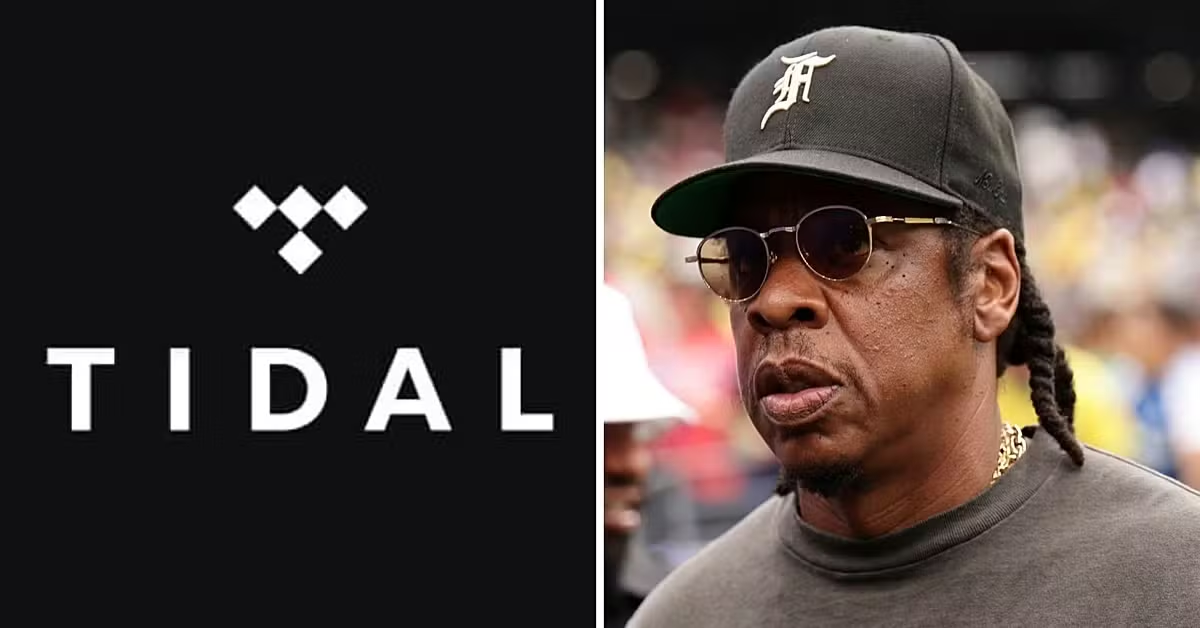
Tidal, the music streaming service partly owned by Jay-Z, is banning all music it deems AI-generated and removing up to 29 million tracks, with the ban taking effect on 9 December. The company's move follows rapid proliferation of text-prompted AI music tools, and it says the ban aims to promote fairness and economic empowerment in the industry. In posts on X, Block's Robert Anderson, who leads Tidal, said 43% of tracks distributed to the service in the last 90 days were detected as AI-generated and 96% of AI-generated songs receive zero plays, after Tidal had tagged and demonetized such tracks a few months ago. Tidal says the removed tracks will be completely gone by the beginning of the year and predicts artists and fans will welcome the decision.

Tidal Bans AI-Generated Music
Variety reports that Tidal will ban tracks it believes are completely AI-generated and remove them from the service starting Dec. 9, 2026, and that no other streaming platform has banned AI music entirely. Robert Andersen, the Tidal Lead at parent company Block, says in an X thread that 43% of tracks distributed to Tidal in the prior 90 days were detected as AI-generated and that 96% of all AI-generated songs receive zero plays, writing that something more drastic needs to be done and encouraging peers to follow suit. He says the removal will wipe out 29 million tracks, with the platform fully cleared by the beginning of 2027, while competitors take lighter steps: Spotify says it removed 50 million slop or spam tracks from recommendations in 2026 and will label AI creations as an 'AI Persona,' and Apple Music says it will begin labeling AI-generated or AI-assisted tracks.
Tidal is banning fully AI-generated music from its platform
CBC News reports that streaming platform Tidal announced on November 24, 2026 that it is banning fully AI-generated music, becoming the first major music streaming platform to do so. Tracks made with the assistance of AI remain permitted, and Tidal says that as of December 9, 2026 any wholly AI-generated track submitted will be rejected and removed. Tidal attributes the move to an influx of AI songs that no one is listening to: it says 43 per cent of tracks submitted in the 90 days before the announcement were AI-generated, 96 per cent of those received zero streams, and more than 65,000 tracks have been removed for suspected artist-name impersonation. The ban extends a policy Tidal introduced earlier in 2026 to tag and demonetize AI music amid artist concerns over deepfakes and displacement, while rivals have taken lighter steps, with Spotify removing millions of 'AI-generated slop and spam' tracks but still paying royalties on AI music and Bandcamp alone announcing a similar ban.

