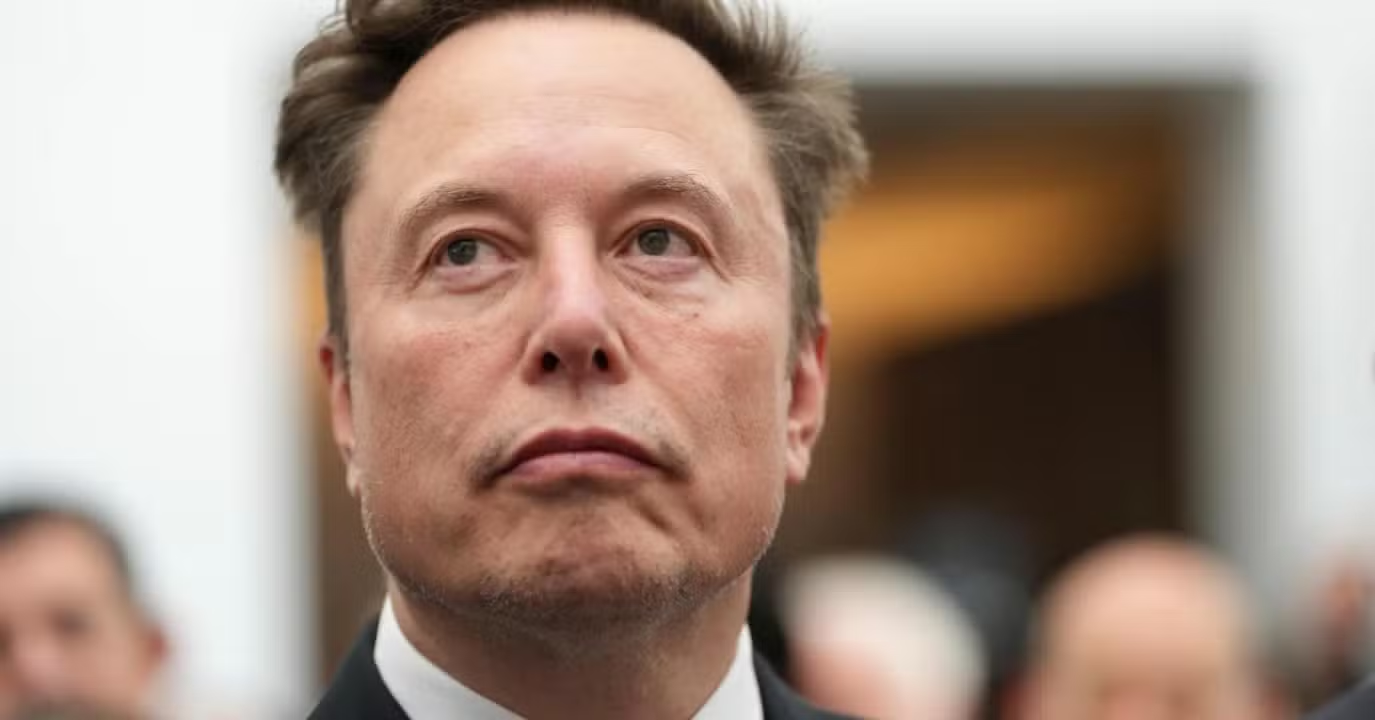
FCC says SpaceX can deploy 1 million satellites for data centers in space. Scientists are skeptical.
The Federal Communications Commission under the Trump administration has authorized SpaceX to deploy 1 million satellites, which the company says would create data centers in space. The FCC calls it a historic first amid the artificial intelligence race, and space data centers have long been a goal of Elon Musk's rocket company. But the authorization has drawn skepticism and alarm from some scientists.
SpaceX reçoit l’autorisation de lancer jusqu’à un million de satellites pour ses centres de données spatiaux
Le Monde and AFP report that, according to a document published on Wednesday 25 November, the FCC has granted SpaceX authorization to launch up to a million satellites to power its Starmind constellation, with the authorization running until 2040. Elon Musk has promised a first launch in the fourth quarter of 2027 and a capacity ramp-up in 2028, and under SpaceX's plan the Starmind satellites would relay their data to the ground via the already orbiting Starlink constellation. The project rests on the idea that space offers advantages for data centers: in a sun-synchronous orbit a satellite can capture solar energy with eight times the efficiency of an equivalent installation on the ground. Not all technical aspects are settled, however, with observers pointing to processors' resistance to radiation and extreme temperatures and to damage from space debris and micrometeorites.
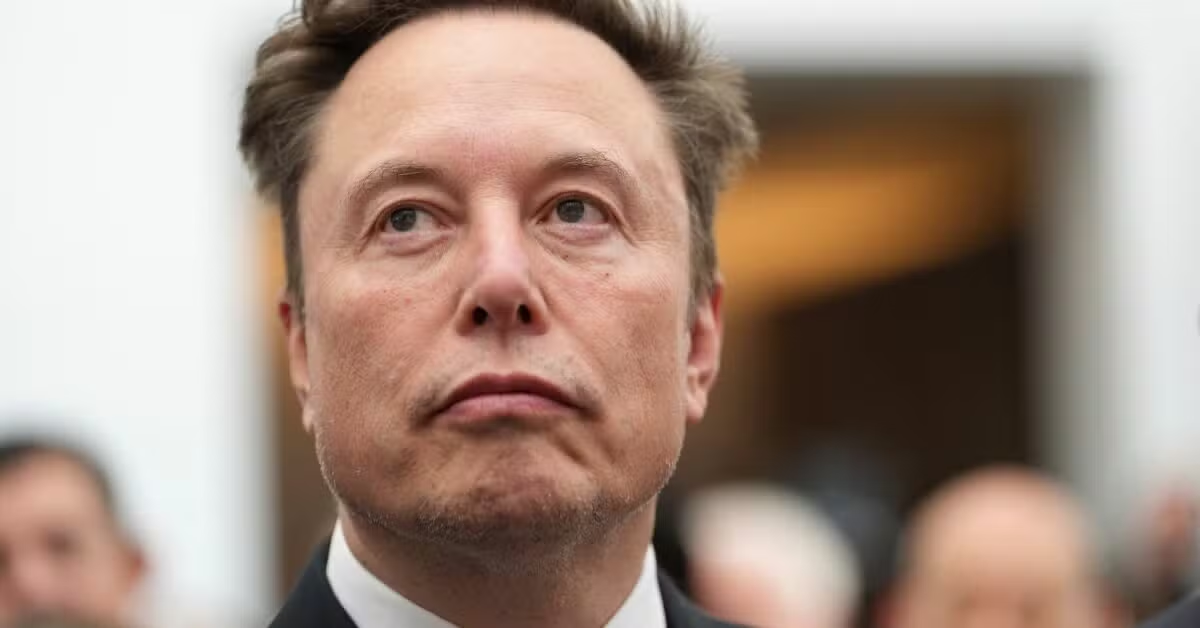
FCC says SpaceX can deploy 1 million satellites for data centers in space. Scientists are skeptical
The FCC has authorized SpaceX to deploy 1 million satellites to form a data center constellation called Starmind that would process data for use back on Earth. Elon Musk welcomed the decision, which Chairman Brendan Carr called a historic first that 'opens a bold new frontier'. But scientists like astrophysicist Adam Becker call the prospect 'a fantasy', pointing to the basic physical limits of radiating heat in space, atmospheric pollution, and collisions that could cascade into a cloud of debris in low Earth orbit. The American Astronomical Society, Viasat, and Amazon's Kuiper Systems had urged the FCC to deny the request, and the society says the bright satellites would undermine astronomers' ability to study the night sky; the FCC maintains the plan serves the public interest and dismissed concerns, like environmental ones, outside its authority.
SpaceX pourra lancer un million de satellites pour ses centres de données dans l'espace
A France 24 article reports that the US telecommunications regulator, the FCC, authorized SpaceX on 25 November 2026 to launch up to a million satellites for its space data-center project, with the authorization running until 2040. The piece places the decision in a race that has multiplied since 2025: Google works on its Suncatcher project, Blue Origin has filed a request for its Project Sunrise, and the start-up Starcloud ran a GPU from a satellite in late 2025. SpaceX holds an agreement with Nvidia, which will supply Vera Rubin processors specially designed to operate in space, and its own launchers, which observers see as an advantage. The article notes that not all technical aspects are resolved, notably the resistance of processors to high radiation levels, and that SpaceX chief executive Elon Musk promised a first launch in the fourth quarter of 2027.
SpaceX wins FCC approval to deploy 1 million orbital data center satellites : r/Futurology
A Reddit post on r/Futurology shares a CNBC report that SpaceX won approval from the FCC to put 1 million orbital data center satellites into space in a proposal opposed by Amazon and other groups. Commenters doubt the plan: u/mag0ne estimates deploying 1 million satellites would take roughly 15,000 to 20,000 Starship launches and says that much mass in a cascading failure would leave debris in eccentric orbits for a long time, while u/curiouslyendearing notes there are no international rules about orbits and satellites, and the FCC approval matters only because radio bandwidth licensing is the sole legal loophole for launching one. u/WirtsLegs calls orbit the most impractical place for a data center, citing hardware lifecycles, shielding, and cooling, and u/karl4319 calls the approval of satellites not yet designed blatant corruption.
DOC-427572A1.pdf
The FCC announces that on November 25, 2026 it granted SpaceX the first authorization in United States history for a constellation of data centers in space, the Starmind system of up to 1 million orbital compute modules to process data for use on Earth amid growing demand for super-intelligence computing. The authorization covers radiofrequency backup and emergency telemetry, tracking, and command links, supplementing optical inter-satellite links in the 18.8–19.3 GHz downlink and 28.6–29.1 GHz uplink bands, and the FCC says the system operates consistent with its orbital debris rules. Chairman Brendan Carr calls it a bold new frontier for the computing infrastructure behind America's leadership, saying compute campuses are essential to super-intelligence leadership and that SpaceX and competitors are meeting the moment by moving compute beyond Earth. The FCC says the action brings humanity closer to a Kardashev II civilization that harnesses the full power of the sun, and that it is reviewing additional orbital data center proposals and will decide them expeditiously.
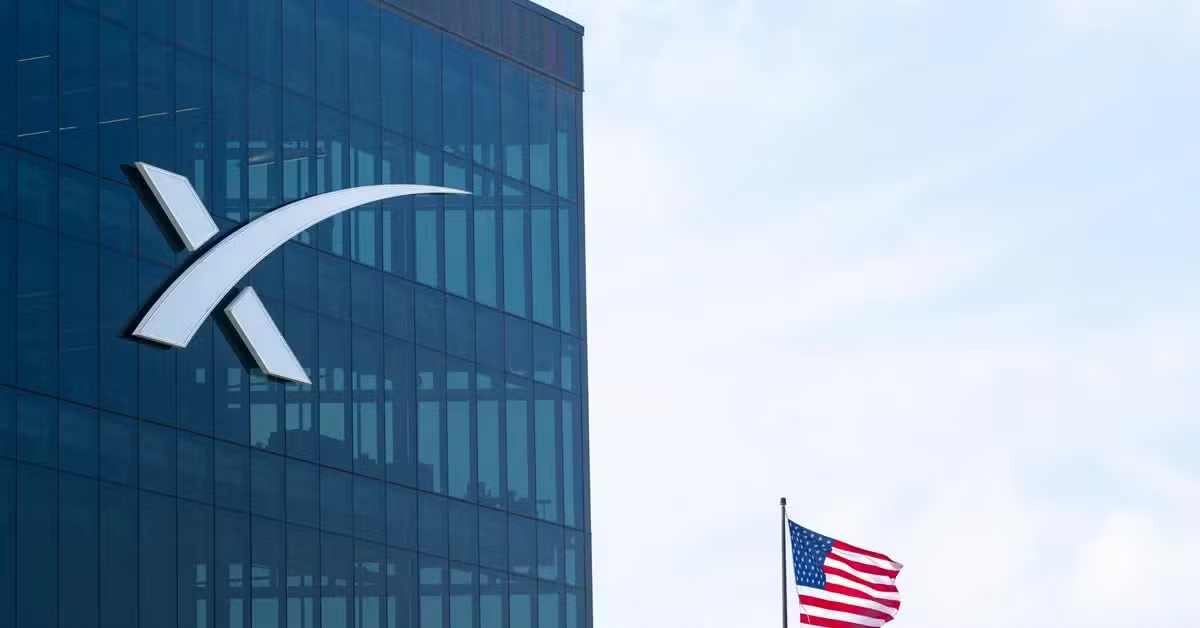
SpaceX gets FCC approval for 1 million satellites to build data centers in space, Brendan Carr says
The Federal Communications Commission on Wednesday approved SpaceX's request to put 1 million satellites in orbit to create space-based data centers, a step the report says brings CEO Elon Musk closer to his goal of harnessing the sun to generate computing power. FCC Chairman Brendan Carr called the approval a historic first on X, dubbing the satellites orbital compute modules, and Musk replied that they will be a great asset to America and the world. SpaceX, which filed the request in January, expects in its IPO filing to begin deploying orbital AI compute satellites as early as 2028.
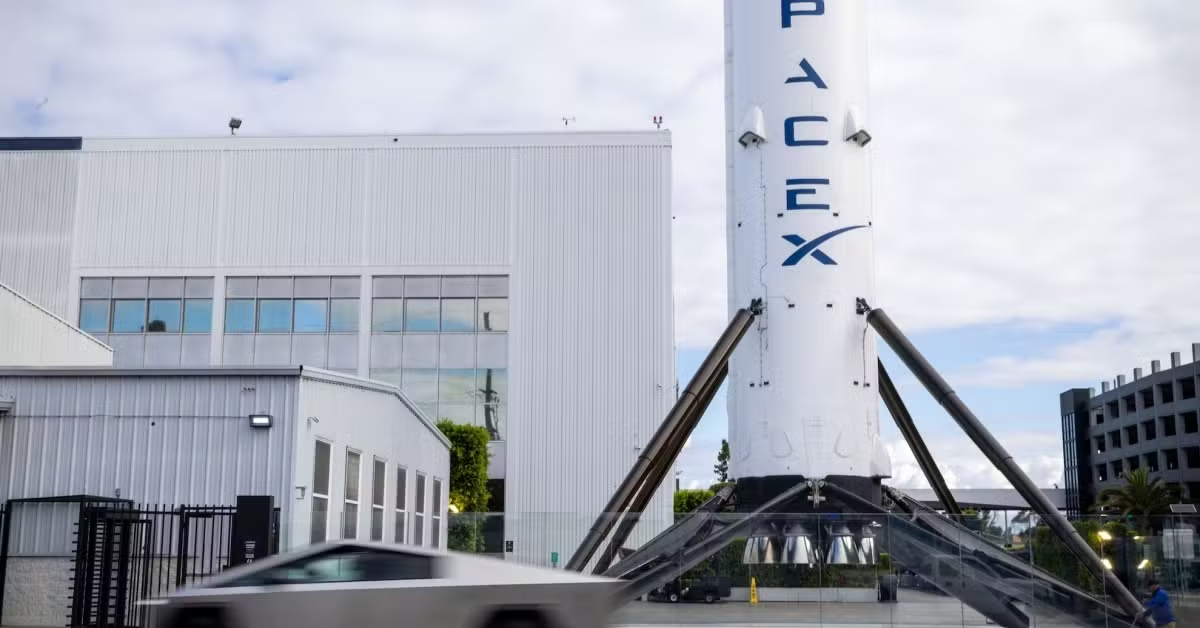
FCC approves SpaceX plan to put AI data centers in space | TechCrunch
The FCC has given SpaceX conditional approval to deploy and operate a constellation of up to 1 million satellites for Elon Musk's plan to move AI data centers into space, granting it despite objections from Amazon, Viasat, and the American Astronomical Society over orbital debris, radiofrequency interference, and environmental harms. The agency dismissed some key opponents' concerns, including threats to scientific research, as outside its regulatory authority, and has not yet approved SpaceX's debris handling for satellites above 600 kilometers. Under the approval, SpaceX has seven years to launch its first operational Starmind satellite and 14 years to deploy the full constellation. TechCrunch notes the approval is a regulatory victory for Musk but does not mean orbital data centers are imminent, as SpaceX still faces steep challenges in cutting satellite costs, cooling processors in space, and financing orbital chips.

FCC Approves SpaceX's Plan to Deploy 1 Million Satellites to Orbit
In a Gizmodo report published November 25, 2026, the Federal Communications Commission authorizes SpaceX to launch a constellation of up to 1 million Starmind satellites designed to process AI workloads beyond Earth, the agency's first approval of a full constellation of orbital data centers. The solar-powered satellites would act as interconnected data centers linked by laser communications, and SpaceX must deploy its first operational satellite by November 2033 and the full constellation by 2040. The FCC denied SpaceX's waiver to dispose of some satellites in graveyard orbits and declined a comprehensive environmental assessment, saying several concerns fell outside its jurisdiction, after groups including the American Astronomical Society warned of risks to orbital sustainability and ground-based astronomy. FCC chairman Brendan Carr called the decision a bold new frontier for American computing infrastructure, while Gizmodo writes that whether orbital data centers can live up to their ambitious promises remains an open question.
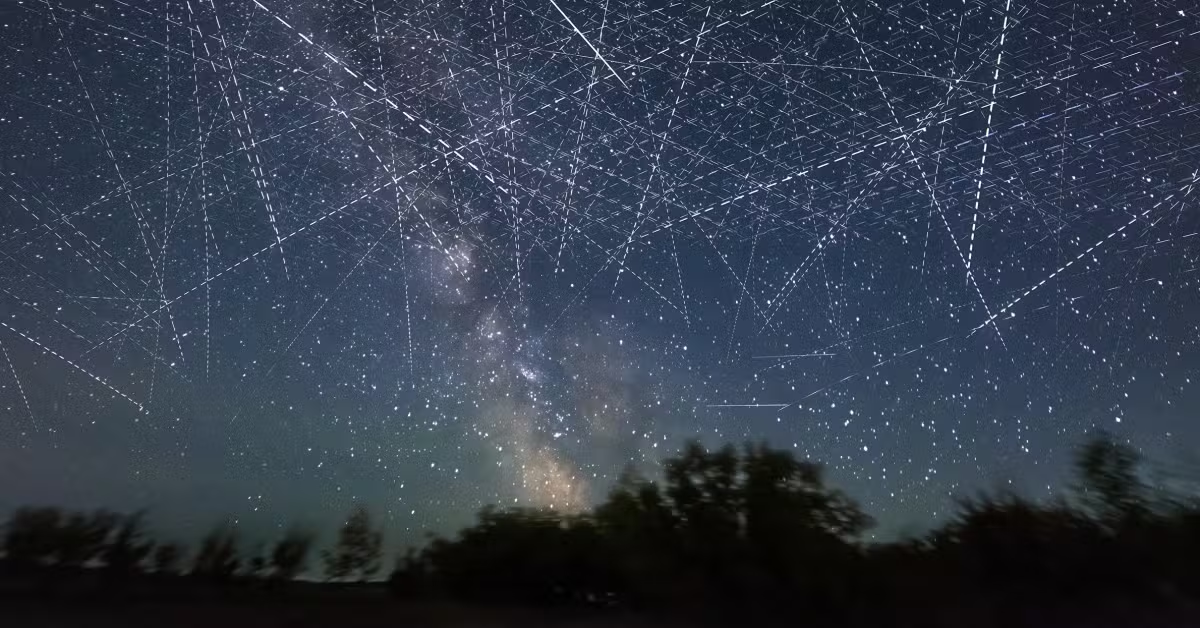
SpaceX gets green light to deploy 1 million satellites for data centers in space
The FCC has authorized SpaceX to deploy up to 1 million satellites for data centers in space, approving the 'Starmind' constellation to help meet rapidly growing demand for AI computing. The license requires deployment to begin by November 2033, with 100,000 satellites up by November 2035 and 50% by November 2038. Reuters reports it is unclear whether SpaceX would actually put 1 million satellites in space, and notes the plan bets heavily on reduced costs of Starship, the company's next-generation reusable rocket under development. There are only 17,000 satellites currently in orbit, and satellite operators sometimes request higher numbers than they intend to deploy to buy design flexibility, as SpaceX did with its 42,000-satellite Starlink approval, a system that now has just over 11,000 in space. Amazon's satellite unit Leo and others criticized the plan as unlikely ever to be fully deployed, but FCC Chair Brendan Carr rejected that criticism, saying Amazon should focus on its own launches.
DA-26-1273A1.pdf
The FCC's Space Bureau grants SpaceX authority for Starmind, a constellation of one million non-geostationary satellites operating as orbital data centers in low-Earth orbit, and denies the petitions to deny filed by Kuiper Systems LLC, Viasat Inc., and the American Astronomical Society. The grant covers only backup and emergency telemetry, tracking, and command radiofrequency communications, which SpaceX must use on an unprotected, non-interference basis in the 18.8-19.3 GHz and 28.6-29.1 GHz bands after completing coordination with Federal systems before operating in the space-to-Earth band. The Bureau defers SpaceX's request to waive the rule requiring satellites below 2000 km to be disposed of by atmospheric re-entry for lack of sufficient information, and conditions the grant on a modification application before deploying any Starmind satellites above 600 km that will not re-enter. Rejecting arguments from commenters including Dark Sky International, the Bureau declines any environmental review under its NEPA Order treating space operations as extraterritorial, finds re-entry atmospheric impacts speculative, and says astronomy concerns beyond SpaceX's commitment to coordinate with the National Science Foundation fall outside its mandate, while setting deployment milestones from November 25, 2033 to 2040 that would void the authorization if missed.
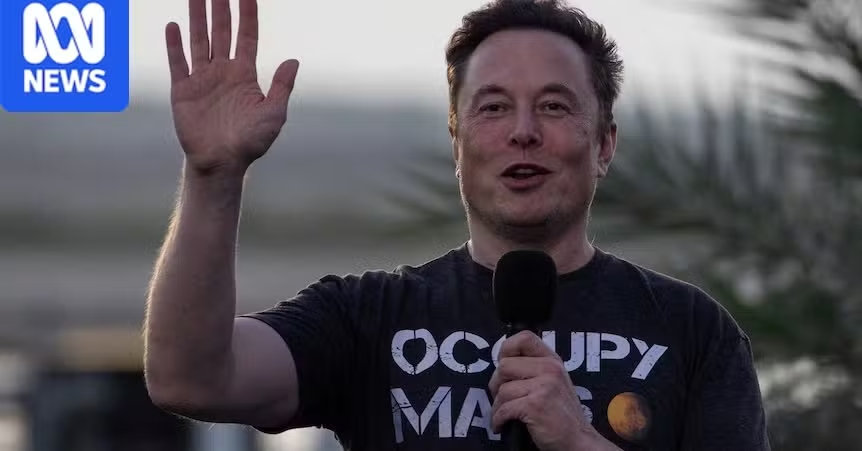
Trump administration backs Musk's plan for space-based data centres
A Reuters news report says the Trump administration's FCC has approved Elon Musk's SpaceX to deploy 1 million satellites for data centres in space, a 'Starmind' constellation it says will help meet rapidly growing demand for AI computing. Under the licence, SpaceX must begin deployment by November 2033 and reach 100,000 satellites by November 2035. The report notes only 17,000 satellites currently exist in space and that the plan bets heavily on reduced costs of SpaceX's Starship rocket, while Amazon's satellite unit Leo and others have criticised it, suggesting deployment of all 1 million could take centuries.
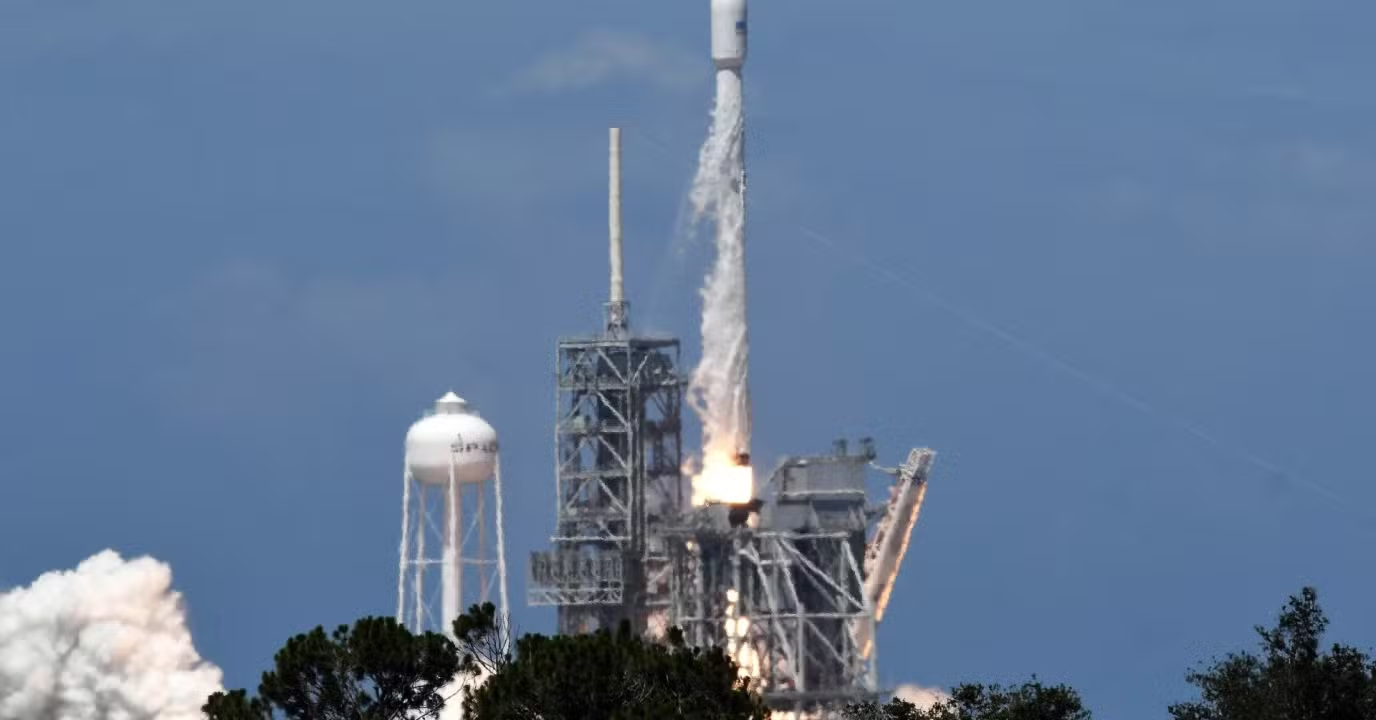
US grants SpaceX approval for 1 million space data centres
The United States has approved Elon Musk's SpaceX to deploy a constellation of up to 1 million data centres in space, named Starmind, to help meet growing demand for AI computing, in what the FCC calls a first in American history. FCC Chairman Brendan Carr says the decision opens a bold new frontier for the computing infrastructure powering American leadership, and Musk calls it a great asset to America and the world. Critics, including Amazon's rival satellite unit Leo, say SpaceX is unlikely to deploy all 1 million satellites and that doing so could take centuries, and satellite operators often seek approval for more satellites than they intend to launch, as SpaceX did when it sought approval for 42,000 Starlink satellites. Starlink now has just more than 11,000 satellites in space.
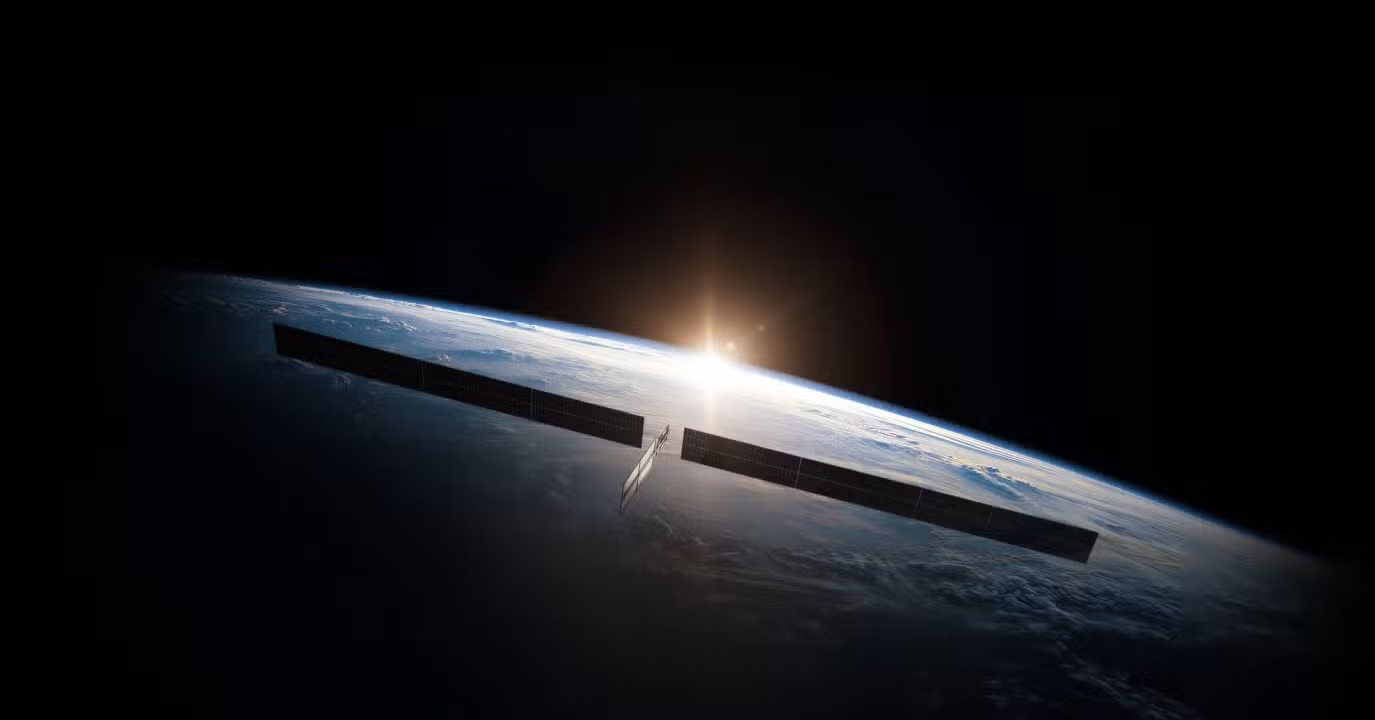
Green light for Starmind: SpaceX gets approval to deploy 1 million AI satellites
A Space.com news article reports that on 25 November the U.S. Federal Communications Commission approved SpaceX's plan to deploy one million Starmind AI data-center satellites in orbit. The approval is central to SpaceX's push into AI, which writer Mike Wall says has become core to the company's business plans; SpaceX claims a long-term addressable market of $28.5 trillion, nearly $23 trillion of it in enterprise AI applications, and Elon Musk believes the future of AI compute lies in space, where solar energy is unlimited and no landowners can object. SpaceX aims to launch the first Starmind satellites in the third quarter of 2027 on its Starship megarocket. FCC Chairman Brendan Carr called the approval a bold new frontier for computing infrastructure, but the article notes that very large numbers of satellites raise collision risks, and Wall forecasts that Earth orbit will grow more crowded and require more evasive maneuvers.

FCC approves SpaceX plan for 1 million data center satellites in space
The Federal Communications Commission has authorized Elon Musk's SpaceX to deploy up to 1 million satellites designed to operate as data centers in space, the first such approval in U.S. history. The FCC announced the decision on Nov. 25, 2026, and called SpaceX's Starmind network the first authorized constellation of space-based data centers, meant to process massive amounts of data in orbit for use on Earth. SpaceX argues that moving computing into space could be more efficient than building facilities on Earth, which require substantial electricity, land and equipment to keep computers from overheating, and the company says the satellites would communicate with each other by light with radio signals as backup. The authorization does not mean the satellites have launched, and Musk has previously said demonstrations of the AI satellite technology could begin by late 2027 with broader deployment as early as 2028. FCC Chairman Brendan Carr called the move a step toward strengthening America's position in artificial intelligence.
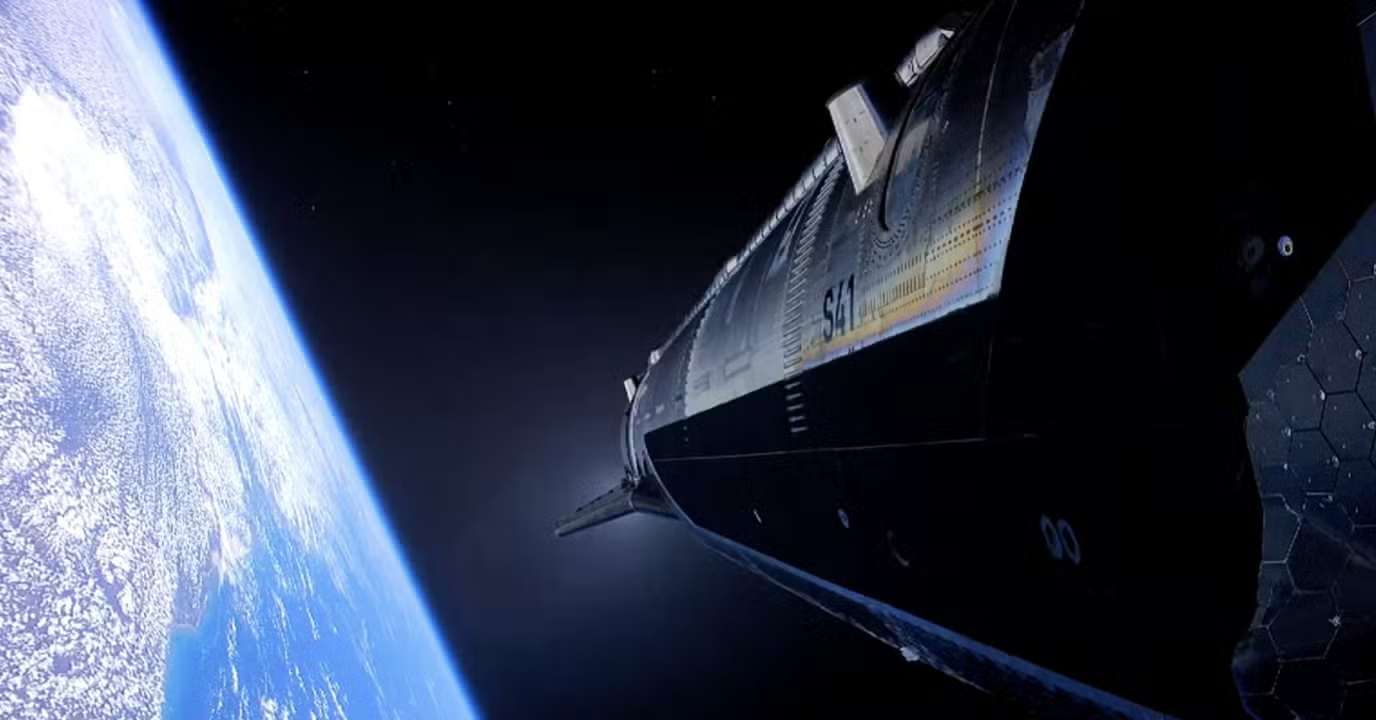
SpaceX wins FCC approval to deploy 1 million orbital data center satellites
CNBC reports that the Federal Communications Commission approved SpaceX's proposal to put 1 million satellites into orbit for use as space-based data centers, as Chairman Brendan Carr announced on Wednesday. The FCC dismissed petitions to deny filed by Amazon's Kuiper Systems, Viasat, and the American Astronomical Society, saying it had no authority over environmental concerns or the satellites' impact on optical astronomy. In a March petition, Amazon called SpaceX's Starmind project a 'lofty ambition rather than a real plan' that would take centuries to build, and Carr rebuked Amazon for falling short of its own satellite deployment milestone. Astrophysicist Adam Becker warned in an email to CNBC that space-based data centers would further pollute the night sky and risk a cascading chain reaction of space junk collisions, a disaster for all of humanity.
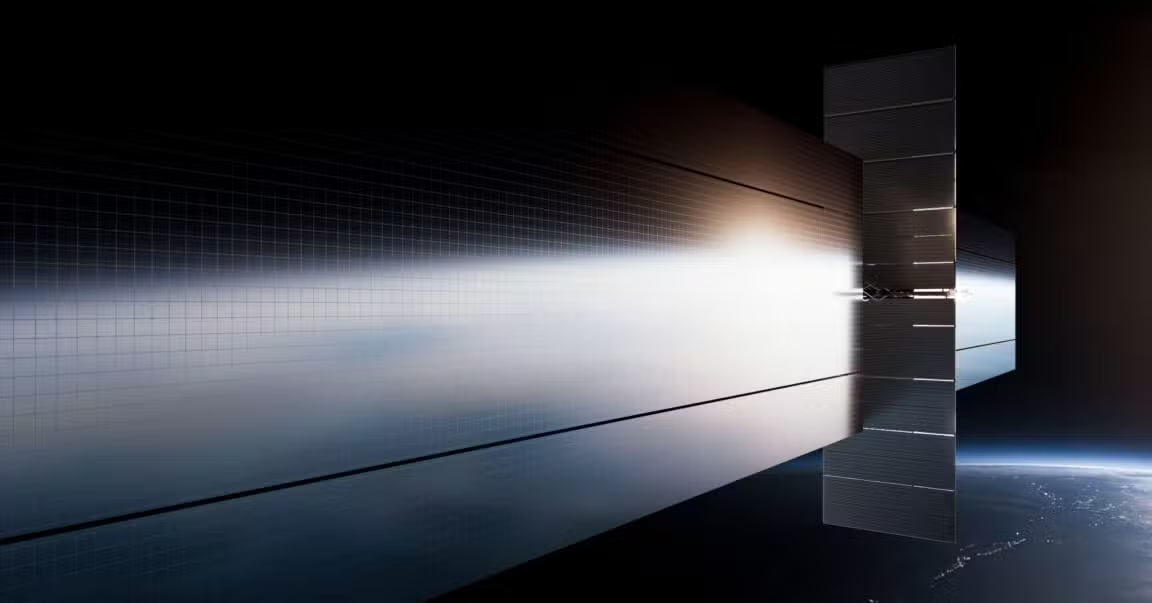
The FCC has authorized SpaceX to deploy 1 million satellites
In a news report, Ars Technica's Eric Berger writes that the FCC granted SpaceX conditional authorization to deploy up to 1 million Starmind satellites meant to serve as orbital data centers, a constellation that would increase the number of satellites in orbit roughly 50-fold. SpaceX has until November 2035 to deploy 100,000 satellites and until November 2040 to deploy the full constellation. The FCC refused SpaceX's waiver to dispose of satellites above 600 km into Earth or heliocentric orbits rather than burning up, and it declined a comprehensive environmental assessment, citing an October policy that space activities fall outside its National Environmental Policy Act obligations and calling reentry impacts speculative. Half a dozen organizations, including the Secure World Foundation and the American Astronomical Society, had raised concerns about collision risks, debris, atmospheric pollution, and astronomy, among roughly 1,500 public comments. Berger calls the decision a major regulatory victory for SpaceX and Elon Musk, though it does not establish that orbital data centers are technically or economically viable.
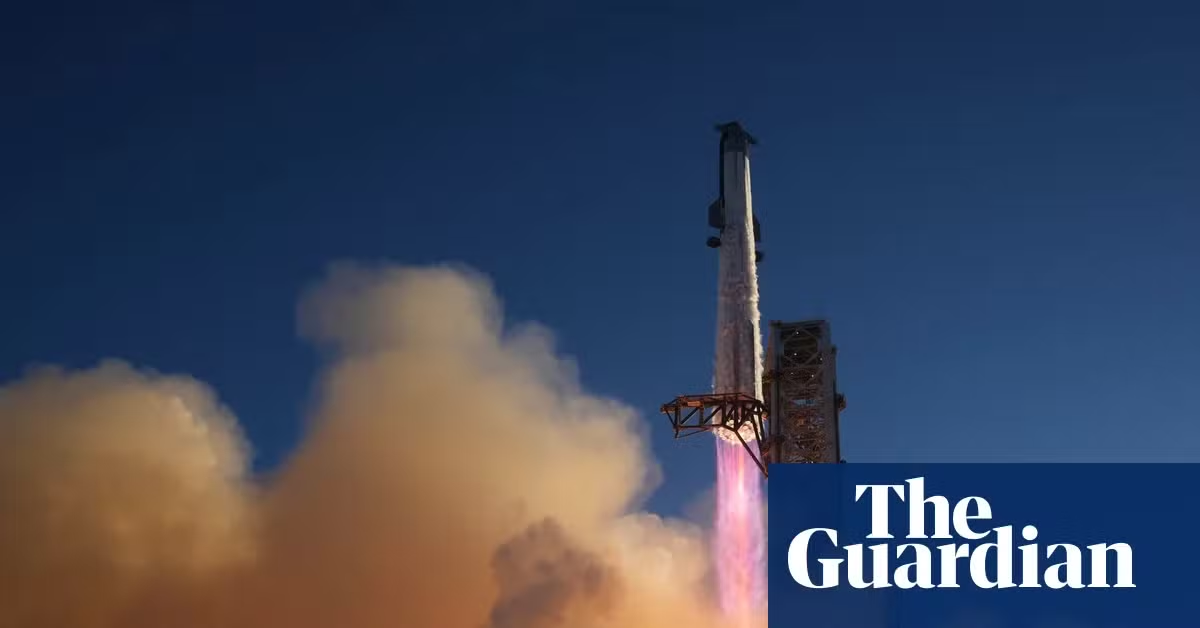
Trump administration approves Elon Musk’s plan for datacenters in space
US federal regulators have approved Elon Musk's plan for a constellation of datacenters in space. The Guardian reports that the Federal Communications Commission licensed 1m Starmind orbital satellites, or compute modules, built by SpaceX, the first such authorization in US history, and says the datacenters would 'support America's booming super intelligence economy'. Under the license, SpaceX must begin deployment by November 2033 and deploy 100,000 satellites by November 2035. The Guardian reports it is unclear whether SpaceX would actually put 1m satellites in space, where only 17,000 satellites exist, and rivals including Amazon's satellite unit Leo argue the deployment could take centuries. Critics and a Government Accountability Office report also point to engineering and economic barriers, noting that space does not cool computing hardware efficiently.
Prof. Sam Lawler (@sundogplanets@mastodon.social)
In a Mastodon thread, astronomer Prof. Sam Lawler reacts with alarm and fury to the FCC authorizing SpaceX to deploy 1 million satellites for data centers in space, saying she does not know what to recommend about the approval. She argues the technology does not exist at that scale, that the roughly 13,000 active satellites are already at the edge of what can be supported safely, and that 1 million satellites is above the runaway collision threshold by itself. By her estimate, with 5-year lifetimes that would mean one 4-ton satellite reentering every 3 minutes, metal and plastic the atmosphere cannot absorb without ozone depletion, a night sky with many times more visible satellites than stars, and giant debris pieces falling worldwide. She predicts full fast-timescale Kessler Syndrome before even a fraction is launched and says the night sky will be totally ruined worldwide very soon. She notes the FCC dropped the decision the afternoon before American Thanksgiving, that astronomers have no power to stop it, and that public comment does not matter to the FCC, which she says does not care. Commenters add that thermal dissipation in space is unsolved so standard GPUs will not work, and that the permit may be more press release than plan. She tells readers to enjoy their night sky while they can and urges governments outside the US to fight the approval and journalists, especially abroad, to cover how dangerous it is.
FCC signs off on SpaceX’s plan to put up to 1 million data center satellites into space
The FCC has authorized SpaceX to deploy up to 1 million AI chip-equipped satellites under its Starmind initiative, the first approval the agency has granted for a full constellation of AI satellites. In its own announcement, SpaceX describes Starmind as a way to capture solar energy in space to power AI on Earth, transmitting data by lasers linked to Starlink. The approval requires at least one satellite by 2033 and the full million by 2040, but the FCC deferred SpaceX's request to park satellites above 600km in graveyard orbits, saying its disposal plans lack sufficient information.

FCC authorizes Elon Musk’s plans for data centers in space
The FCC on 25 November 2026 authorized Elon Musk's plans for a SpaceX constellation of data centers in space, known as Starmind, which SpaceX requested in January 2026. Under the approval, SpaceX must have its first authorized station in orbit by 25 November 2033, with broader benchmarks through 2040. The plans emerged amid backlash to energy-hungry data centers on the ground, which space-based ones could escape by relying on solar power. FCC Chair Brendan Carr, whom Musk thanked for the decision, says the move is 'meeting the moment' and forecasts up to a million orbital data centers over a 15-year license, boosting U.S. prominence in artificial intelligence.
US authorizes SpaceX to deploy 1 million satellites for data centers in space
Reuters reports that the Federal Communications Commission has authorized Elon Musk's SpaceX to deploy a constellation of 1 million satellites for data centers in space, which SpaceX calls the Starmind constellation to help meet rapidly growing demand for AI computing. Under the license, SpaceX must begin deployment by November 2033, reach 100,000 satellites by November 2035, and 50 percent by November 2038. The scale is far beyond anything now in orbit, as only 17,000 satellites exist in space today. SpaceX tells the FCC the satellites would harness near-constant solar power for transformative cost and energy efficiency, but Reuters notes operators often request more satellites than they intend to deploy, and Amazon's rival satellite unit Leo criticizes the plan as one that could take centuries to carry out. FCC Chair Brendan Carr responds that Amazon should focus on its own launches rather than on SpaceX's pace.

FCC Authorizes 1 Million Satellites for Data Centers in Space
The FCC announces in a news release that it has authorized SpaceX to deploy 1 million satellites for data centers in space. The release says the satellites, called 'Starmind', will support America's 'booming super intelligence economy'. It is accompanied by the SpaceX authorization document.
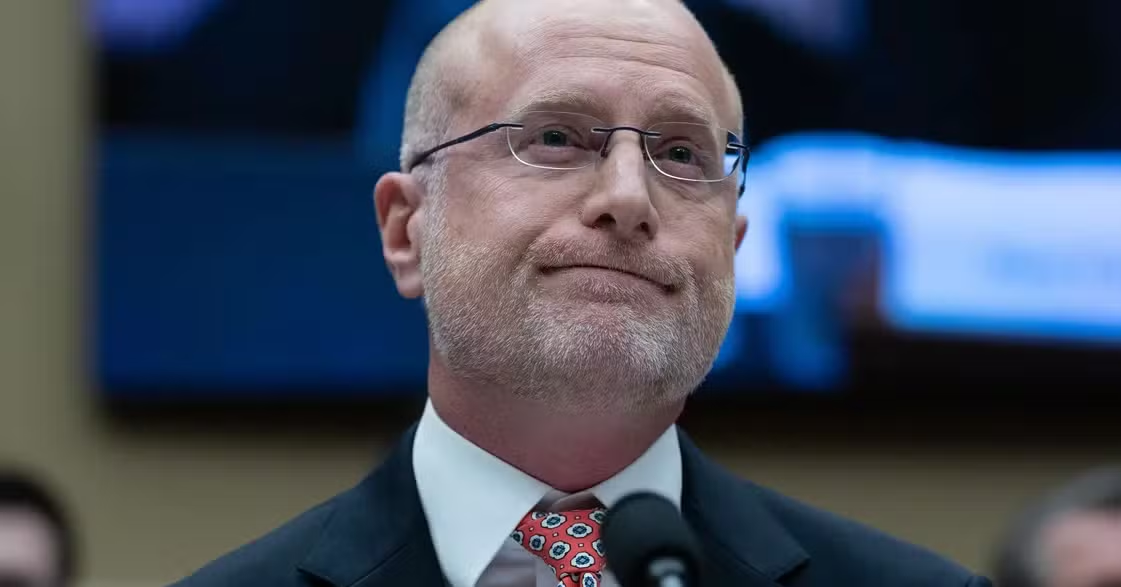
FCC Authorizes SpaceX Plan For 1 Million Satellites To Build Data Centers In Space
The Federal Communications Commission has approved Elon Musk's SpaceX plan to place 1 million satellites in orbit for data centers in space. In a post on X, FCC Chairman Brendan Carr called it a historic first and forecast that the solar-powered constellations would extend America's lead in Super Intelligence, while Musk replied that it would be a great asset to America and the world. The live-updates article also tracks the U.S. Army's detonation of degraded lead azide explosives at the Iowa Army Ammunition Plant, Thanksgiving travel, ICE's arrest of a $1 million lottery winner, and donors' reported approach to George Santos about a run for Florida's 9th Congressional District.

