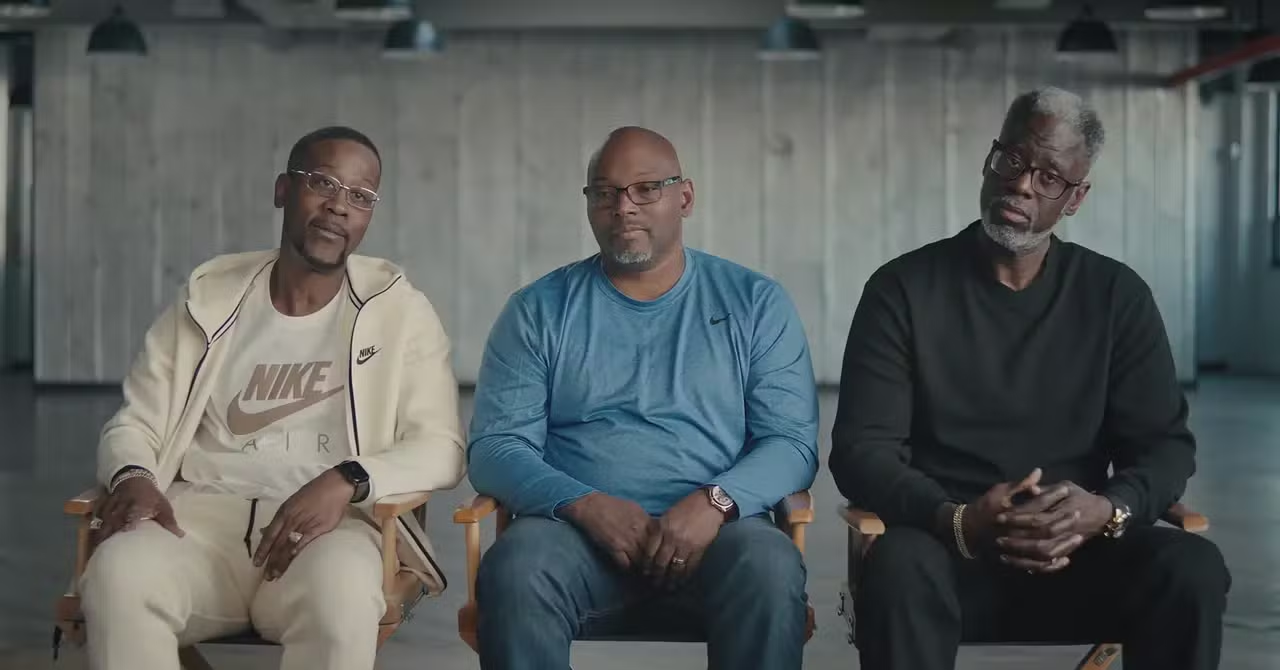
Harlem Park Three documentary 'When a Witness Recants' now streaming on HBO
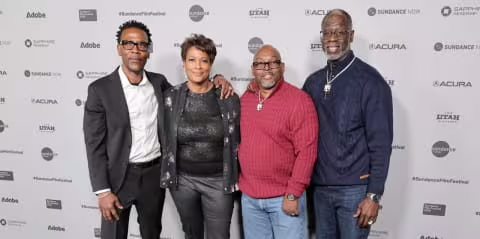
The documentary 'When a Witness Recants' is now streaming on HBO after premiering Tuesday at 9 p.m. ET. Directed by Dawn Porter, it examines the convictions of Alfred Chestnut, Andrew Stewart and Ransom Watkins, three Baltimore teenagers who were 16 when they were convicted in 1984 of killing 14-year-old DeWitt Duckett, and who spent 36 years in prison for a murder they did not commit.
Duckett was shot on 18 November 1983 in a hallway of Harlem Park junior high school in West Baltimore by a teenager who stole his Georgetown jacket, a killing local press called the first of a child inside a Baltimore public school. The case rested heavily on four teenage witnesses who later said police pressured them into false identifications. Ron Bishop, Duckett's friend who walked beside him, testified at 14 under police threats of violence and arrest, though he knew the three were innocent. He officially recanted in 2019, and his retraction, along with long-buried evidence, led to the exoneration of all three men on 25 November 2019.
The film traces how police files Alfred Chestnut obtained in 2018 showed multiple people had reported another teenager, Michael Willis, wearing Duckett's jacket and bragging about the crime; Willis was never questioned and was shot and killed in 2002. It also follows the meeting between Bishop and the three men, which brought no forgiveness but honest expressions of anger.
The documentary grew out of Jennifer Gonnerman's 2021 New Yorker reporting on Ron Bishop's four decades of nightmares about the trial. Soon after it ran, Ta-Nehisi Coates teamed up with Porter to meet the men in Baltimore, and they agreed to participate. The film premiered at the 2026 Sundance Film Festival and streams on HBO Max.
The documentary 'When a Witness Recants' examines the convictions of three Baltimore teenagers, the Harlem Park Three, for the 1983 killing of 14-year-old DeWitt Duckett at Harlem Park Junior High School.
Alfred Chestnut, Andrew Stewart and Ransom Watkins, then 16, were convicted in 1984 and spent 36 years in prison for a murder they did not commit.
The three men were exonerated on 25 November 2019 after a reinvestigation uncovered withheld evidence and recanted witness testimony.
According to the Mid-Atlantic Innocence Project, the convictions relied heavily on four teenage witnesses who later said police pressured them into false identifications.
The film, directed by Dawn Porter, explores the toll of the convictions on the men, their families, the witnesses and Baltimore, and premiered at the 2026 Sundance Film Festival.
'When a Witness Recants' premieres Tuesday at 9 p.m. ET on HBO and will also stream on HBO Max, using interviews, archival material and animated sequences.
DeWitt Duckett was shot and killed on 18 November 1983 in a hallway of Harlem Park junior high school in West Baltimore by a teenager who stole his Georgetown jacket.
Local press at the time called it the first killing of a child inside a Baltimore public school.
Ron Bishop, Duckett's friend who was walking beside him, testified at 14, under police threats of violence and arrest, that the three teenagers killed Duckett, though he knew they were innocent.
Ron Bishop officially recanted his coerced testimony in 2019, and his retraction, along with long-buried evidence, led to the release of the three men.
A 2021 article by journalist Jennifer Gonnerman detailed Ron Bishop's four decades of recurring nightmares about the trial, and soon after it ran Ta-Nehisi Coates teamed up with Dawn Porter to meet the three men in Baltimore.
Coates offered the three men an apology on behalf of the community he felt had let them down, and they accepted and agreed to participate in the documentary.
The three men were separated in prison for 27 years and still operate as a unit.
In the film, Ron Bishop recalls detective Donald Kincaid pressuring him to change his initial statement from one shooter to Chestnut, Watkins and Stewart.
Judge Robert M Bell did not question grand jury testimony riddled with inconsistencies, and prosecutor Jonathan Shoup brushed off Bishop's protestations and failed to share any police files with the defense.
Police files Alfred Chestnut obtained through a public records request in 2018 showed multiple people reported another teenager, Michael Willis, wore Duckett's jacket to a roller rink and bragged about the crime.
Michael Willis was never questioned by police and was shot and killed in 2002.
Prosecutor Jonathan Shoup died in 2016, and his obituary listed the Georgetown jacket case as one of his noteworthy accomplishments.
Detective Donald Kincaid declined to participate in the documentary and answered 'Nothing' when asked in a 2022 deposition what he would have changed about his investigation.
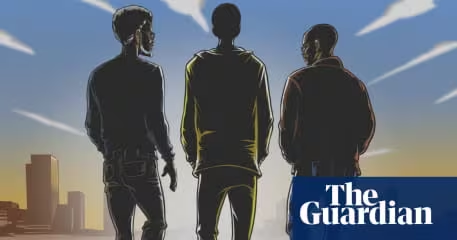
The film uses graphic-novel style illustrations because courtroom sketches from the trial depicted the three 16-year-olds as adults.
The film's final third documents the meeting between Ron Bishop and the three men after all four expressed a desire to meet, which brought no forgiveness but honest expressions of anger.
All three men are partnered and building their lives in middle age, and Alfred Chestnut now has a young daughter.
Ta-Nehisi Coates said the killing was a rupture in his child's view of the world and the first time he sensed he existed in a very dangerous world.
Coates called the legal proceedings disgusting, saying the Baltimore police department showed about as much regard for Duckett's life as the person who killed him and simply pinned the case on some people.
A Maryland state attorney says in the film the case was 'the most egregious wrongful conviction case in my career'.
Dawn Porter recalled that the three men asked her and Coates as a group, 'will you tell the truth?', a question she said weighed on them because it is the only question for people who have been lied about and violated.
Porter said the deeper she and Coates got into the evidence, the clearer it was that the men had been railroaded and the more enraging it became.
Alfred Chestnut said the moment he realized no satisfying apology would arrive was painful, and that listening to Bishop talk made them all angry knowing someone could have freed them years earlier.
Andrew Stewart said the meeting could have been the moment that turned their lives around, and that the film lets the world see them overcoming their pain rather than seeing them because of it.
Ransom Watkins said he walked into the meeting trying to be politically correct but decided to let his feelings flow after waiting 36 years and never getting another chance.
Porter said there are a lot of victims in the case and that no money fixes the harm of a wrongful incarceration, which has to be stopped from happening in the first place.
'When a Witness Recants' has premiered on HBO.
The documentary is based on Jennifer Gonnerman's 2021 reporting on the Harlem Park Three case for The New Yorker.

