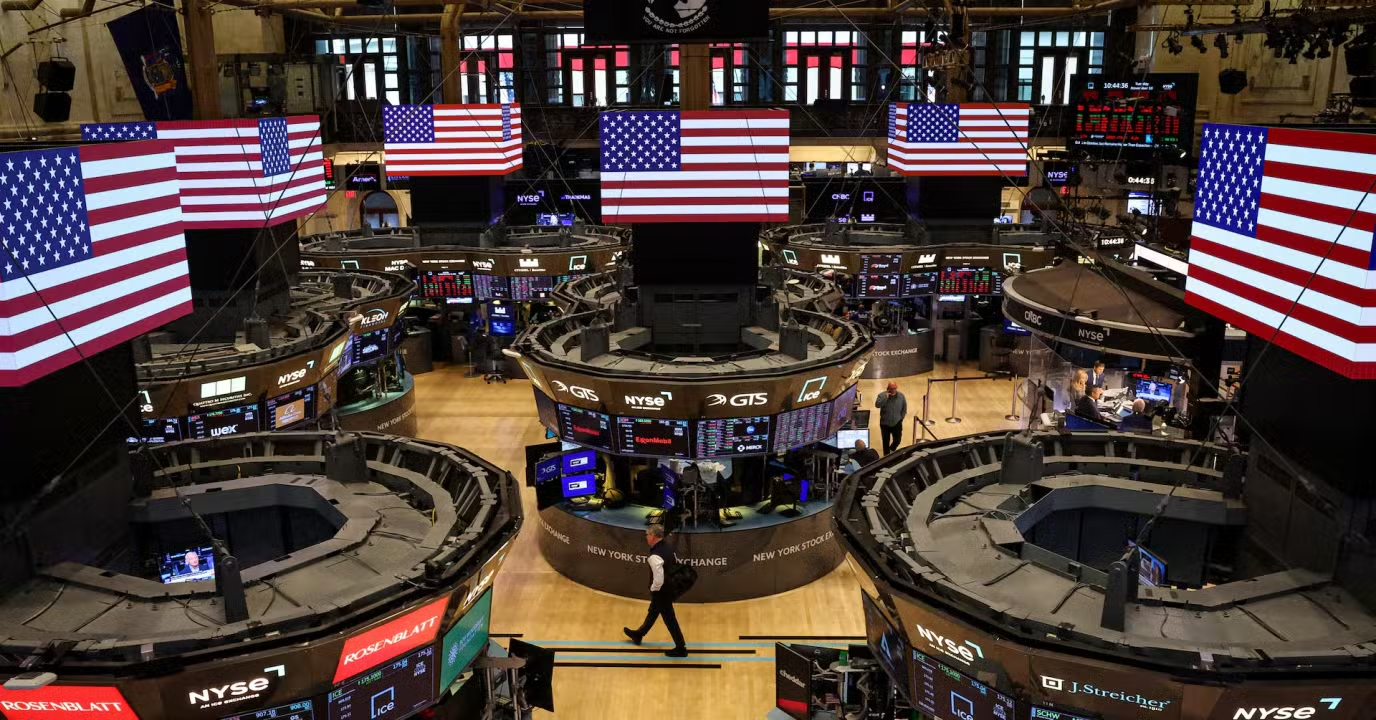
Correction or deeper reckoning? Investors seek signs US stock selling will abate
US stocks slid into a correction for the first time since March 2025, with the S&P 500 down 11.6% from its 6 October all-time high after a seven-session losing streak and its biggest weekly drop in over a year. Reuters reports the six-week slide has hit heavyweight technology shares hardest amid doubts about the sustainability of the heavy data center spending behind the AI trade, while investors also say the start of Federal Reserve rate hikes has stirred anxiety about risk assets. Investors are scouring for signs the selloff is ending and a chance to buy beaten-down stocks: some indicators are close to signaling a bottom, but strategists such as Edward Jones' Angelo Kourkafas say sentiment is fragile and warn momentum could drive a deeper slide. Attention now turns to the Fed's 8-9 December meeting, where markets widely project another quarter-point rate hike, and to Micron Technology's results on 17 December as a read on AI investment.
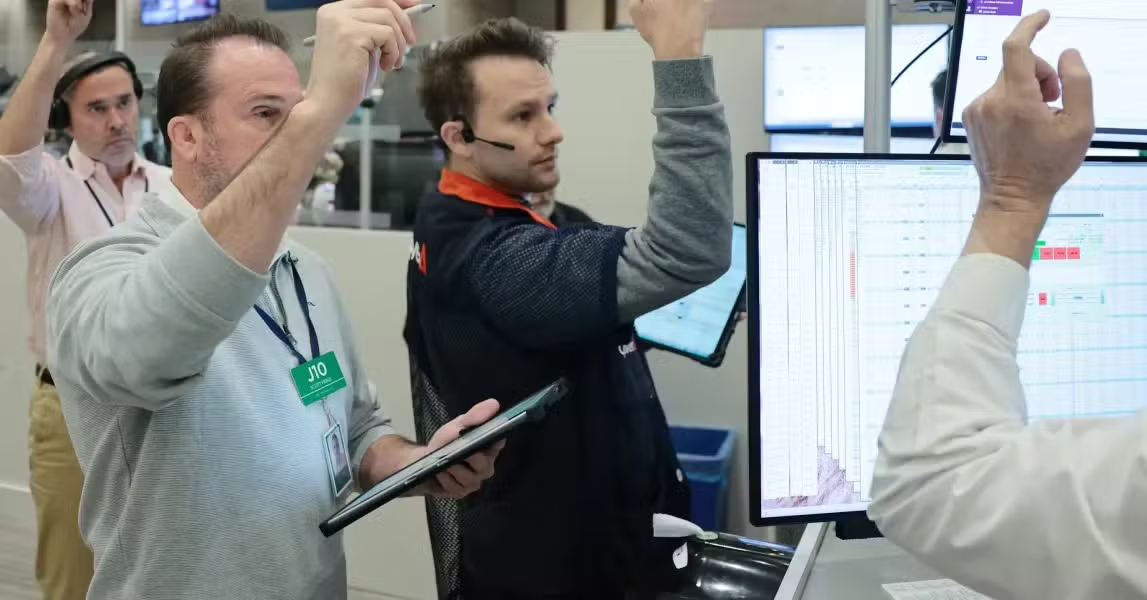
Stock market correction? Whatever — Wall Street is bullish on 2027, and one chief investment officer sees the S&P 500 soaring 45% to 10,000 | Fortune
Fortune reports that despite a sharp November correction in AI stocks, Wall Street is bullish on 2027, with strategists forecasting the S&P 500 to finish the year far higher, led by Federated Hermes chief investment officer Steve Chiavarone's target of 10,000, a 45% surge. The bullish calls follow the Dow, S&P 500, and Nasdaq sliding into correction territory, with the week ending November 20, 2026 marking the worst weekly loss since the early days of the COVID-19 pandemic. Morgan Stanley's Michael Wilson and Goldman Sachs see the index at 8,700 in 2027, while UBS and Wells Fargo put it at 8,200. Some analysts welcome the pullback for taking froth off the market, and Chiavarone brushes aside Wall Street's fear that the Democratic midterm sweep will slow the AI infrastructure boom as overblown.

Why is the stock market falling — and what happens next?
In an article, The Times examines why the stock market is falling and what happens next. The markets entered correction territory in the week before the article, despite Anthropic's listing, which The Times calls a blockbuster. The article also asks what the market fall means for investors and pensions.

A 10% drop for the stock market is unnerving, but it's not that unusual
The U.S. stock market has fallen 10% from its October 2026 high, a drop Wall Street calls a correction, driven by worries that enthusiasm for artificial intelligence stocks is overblown, by anxiety over a new Congress promising to crack down on the AI industry, and by the sudden downfall of Jensen Huang, Nvidia's former CEO. The article, updated 21 November 2026, notes corrections happen every couple of years on average, and per CFRA the 25 corrections since 1946 that did not become bear markets lost an average of nearly 14.1% before recovering, while the 14 that did become bear markets averaged a 32% loss. Analysts differ on what follows: Dan Ives calls the selling panic-driven rather than a red flag, David Trainer says the AI bubble is popping with much further to go, and Karan Ramchandani sees it as a reevaluation of the sector rather than a burst bubble.
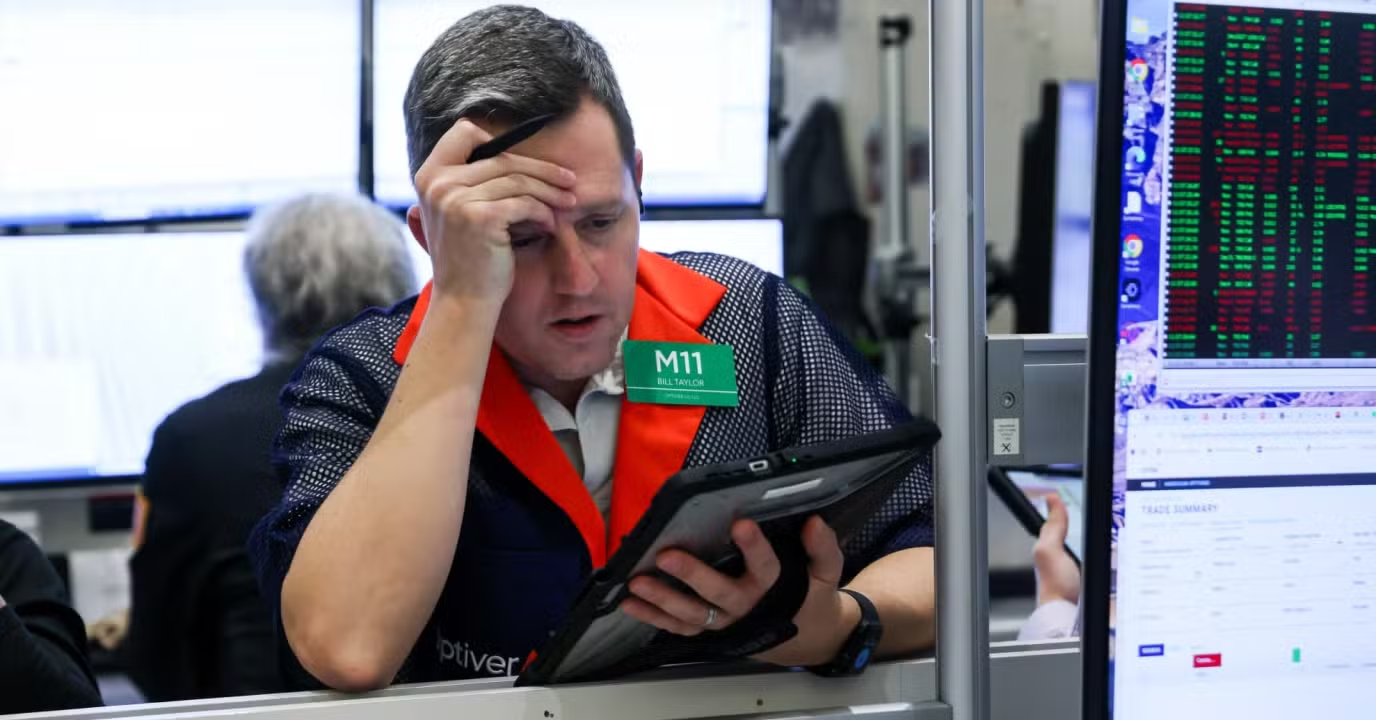
S&P 500 correction: Five forces behind the market sell-off
A CNBC news article says the S&P 500 and Dow closed in correction territory, more than 10% below their record highs, and attributes the sell-off to five forces: the Anthropic IPO, Nvidia's mounting troubles, the S&P 500 breaking its 200-day moving average, inflation forcing the Federal Reserve's hand, and slowing AI-driven earnings growth. The Nasdaq posted its worst week since March 2020, down 10%, and Nvidia fell 14% on Friday after a Reuters headline said its accounting is the focus of a Securities and Exchange Commission probe, leaving it down nearly 40% in November after Jensen Huang resigned as CEO over an affair with an alleged Chinese spy. Anthropic traded from its $83 IPO price to above $115 before rolling over, which the article calls possibly the ultimate sell-the-news moment for the AI trade. Wharton professor Jeremy Siegel, speaking to CNBC, says hardly anyone saw it coming and that trend riders keep selling as the decline perpetuates itself, but he holds it is a run-of-the-mill correction and advises staying with your stocks.
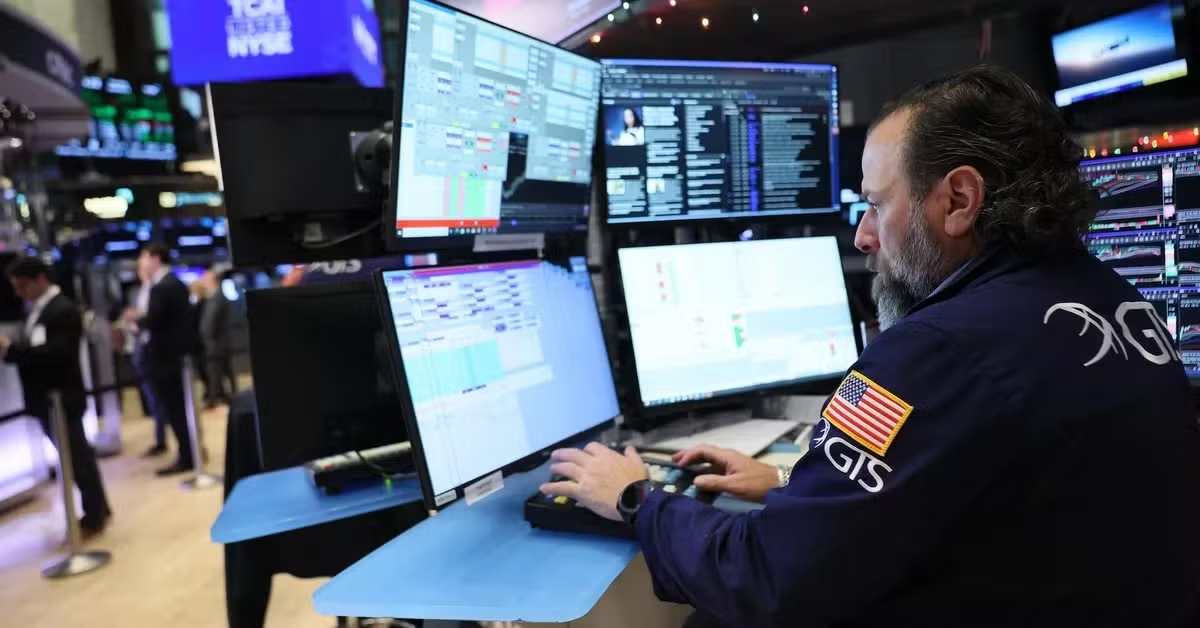
Stocks enter correction territory, driven by a deepening tech rout
A deepening rout in technology stocks pushed the S&P 500 and the Dow Jones Industrial Average into correction territory on Friday, meaning both have fallen more than 10% from their recent highs, while the tech-heavy Nasdaq fell 5.3% to erase all of its gains for the year. The slide is driven by mounting concerns about the health of the artificial intelligence sector, with chipmakers like Advanced Micro Devices and Broadcom leading losses on worries about data center construction and tighter US chip export policy, and it dented the cheer over Anthropic's high-profile IPO, whose stock fell 9.3% the day after its debut though it remains above its $83 IPO price. The selling was largely confined to AI-related companies: most stocks outside tech gained ground, and E*TRADE's Chris Larkin says US economic and business fundamentals remain solid, adding that history shows most corrections like this, only five of the past 15 since 1983, do not turn into bear markets. Nvidia has been hit especially hard, shedding more than 25% since the sudden downfall of co-founder and former CEO Jensen Huang earlier in the month, though Baird strategist Michael Antonelli does not think the bull market that began in October 2022 is over.

