US works to restrict China’s access to AI chips
The United States is implementing a plan to limit China's access to advanced Nvidia chips, days after the US president played up his relationship with Xi Jinping at a summit in China. Nuala O'Connor, the first appointed chief privacy officer at the Department of Homeland Security, calls the move a really good thing and says it will slow down Chinese development of artificial intelligence. She says companies are likely to cooperate to avoid fines, though work will be needed to ensure compliance and oversight is required. The move comes amid Nvidia drama: CEO Jensen Huang resigned after reports of extramarital affairs, including one with a woman US intelligence identified as a Chinese asset, and was reinstated by a board vote that President Donald Trump pushed for. Lawmakers are seeking to question Huang over the affair and chip sales to China, and he is scheduled to testify before Congress the week after the article.
Nvidia chip buyers told to rule out Chinese renters to buy GPUs, sources say
CNBC reports, citing two unnamed people familiar with the situation, that Nvidia chip sellers have told neoclouds they will not supply chips if any computing capacity will be rented to Chinese companies. The messaging followed a Nov. 16 Trump administration rule, effective Nov. 19, aimed at closing a loophole that let Chinese companies rent access to Nvidia's most advanced chips hosted in overseas data centers. Three people said the change has prompted chip sellers to look for new GPU buyers, since some chips were originally meant for data centers through which Chinese companies would rent access. U.S. Trade Representative Jamieson Greer said the Commerce Department rules were intended to close off indirect access through smuggling or remote access from third countries.

Nvidia sellers seek new buyers as U.S. curbs China AI chip access, sources tell CNBC
A CNBC news report says Nvidia chip sellers are seeking new buyers for the company's advanced AI hardware after the Trump administration tightened rules to curb Chinese companies' remote access to the most advanced systems. Three people told CNBC, and Jack Duhamel, president of the AI infrastructure marketplace GPU Mart, confirmed that an unusually high volume of Nvidia GPUs has come up for sale since the Commerce Department's rule restricting overseas data-center access for China-linked customers took effect on Nov. 19, 2026, with deals floated for thousands of B300 GPUs, one of Nvidia's most advanced offerings. U.S. Trade Representative Jamieson Greer said the rule was meant to close loopholes allowing indirect access through smuggling or data centers in third countries. Nvidia, which is still studying the controls, declined to comment, though interim CEO Colette Kress said Nvidia expected performance to remain strong because demand for its chips far exceeds supply.
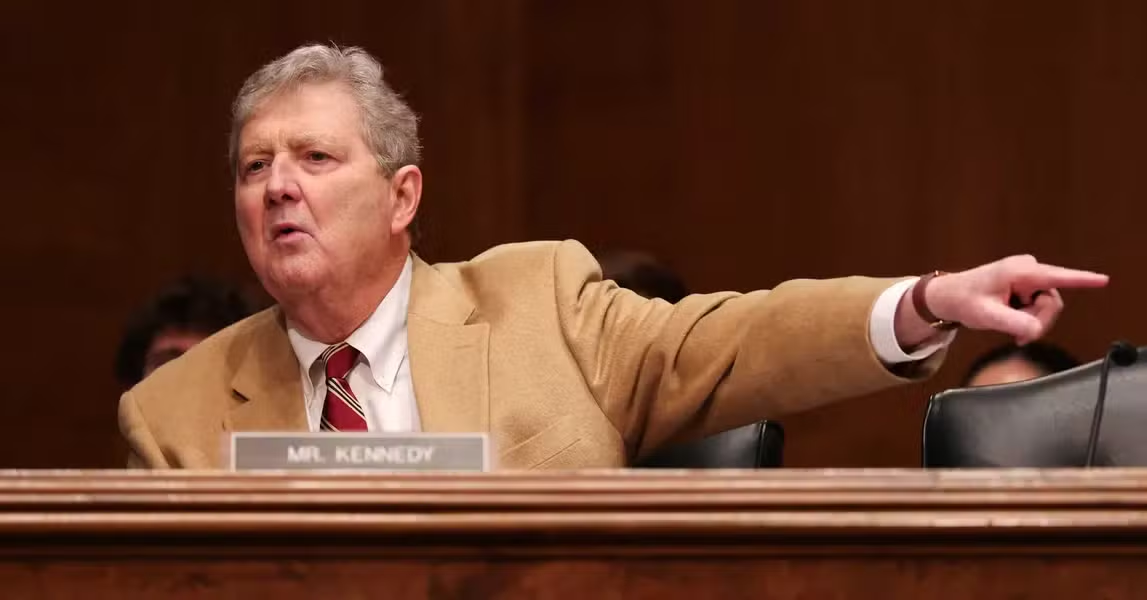
GOP senator hits Trump admin with 'extraordinary allegation' in NBC interview: onlookers
On NBC's Meet the Press and in Wall Street Journal remarks, Republican Senator John Kennedy accused the Trump administration's Commerce Department of either allowing China to circumvent U.S. export controls on advanced Nvidia chips or not knowing what it was doing, joking its officials are so incompetent you wouldn't put them in charge of a food truck. Kennedy said he does not think the department is incompetent but appears to have knowingly allowed the circumvention, and he wants Commerce Secretary Howard Lutnick and Treasury Secretary Scott Bessent to testify under oath. CNN shipping records reportedly show about $800 million in controlled Nvidia chips reached a Singapore firm's Malaysian subsidiary even after Nvidia put it on its no-sell list, and some administration officials suspected Lutnick held up export controls for personal gain, per The Wall Street Journal. The White House says Trump maintains complete confidence in Lutnick, while commentators including The Dispatch's Stephen Hayes call Kennedy's allegation extraordinary for a sitting GOP senator to make, with lots of evidence he is right.

Taiwan Semiconductor Falls 4% as U.S. Tightens AI Chip Curbs on China; Intel Drops 3%, AMD Slides 2%
Washington's tightened restrictions on China's access to advanced AI chips knocked chip stocks down on November 17, 2026, with Taiwan Semiconductor Manufacturing falling 4%, Intel 3%, and AMD 2%, in a technology sector that led the S&P 500's 1.2% decline. The new rules require export licenses for advanced AI chips, cover shipments to data centers in Singapore, Malaysia, Thailand, Indonesia, and Brazil, which Washington sees as higher-risk for diversion to China, and add checks on overseas data centers renting large computing power to China-based companies. Writer David Moadel argues the foundry checks hit Taiwan Semiconductor most directly, since stricter reviews of Chinese fabless customers could raise compliance costs and delay orders, and he notes the stock's outlook is clouded by rules whose reach into foundry orders has not been measured, though bulls can point to demand the company calls far above its capacity to supply. The drops come against larger backdrops: Taiwan Semiconductor is still up 19% year to date, AMD is up 131% and depends on the foundry for chips now subject to U.S. export rules, and Intel had already fallen 40% in the prior month.

Chips down, knives out
POLITICO's Playbook reports a turf war between Treasury Secretary Scott Bessent and Commerce Secretary Howard Lutnick over China chip export controls that broke into the open just as chief of staff Susie Wiles departed and Donald Trump flew to Asia. Lutnick's Commerce Department announced a new rule restricting Chinese companies' remote access to advanced U.S. chips in overseas data centers, while downplaying Treasury and the National Security Council's role despite semiconductor controls being Commerce's purview; three people say Bessent was the driving force behind the restrictions. Bessent publicly swiped at Commerce for failing to act against Megaspeed, the Singapore-based company accused of diverting Nvidia chips to China, telling CNBC: 'Commerce has the pen, and you will have to ask them about their internal processes.' Trump downplayed the divisions as he left, saying of his secretaries: 'One wants to be friendly with China, and one wants to have a blowup with China,' and indicated he does not intend to raise the Nvidia controversy with Xi Jinping at this week's APEC summit. The newsletter casts the episode as a glimpse inside a shifting lame duck White House, since Wiles spent two years curbing infighting while her successor, Stephen Miller, is loosening centralized oversight and giving Cabinet secretaries more control of their own messaging.
Asia’s Data Center Hotbed Hit by US Chip Curbs as Trump Visits
A Bloomberg news report says the Trump administration has announced new chip rules requiring data center operators in Singapore, Malaysia, Thailand and Indonesia to obtain a US government license to buy advanced AI chips from Nvidia and other American makers. The interim rule was released by the Commerce Department on November 16, 2026, shortly before Trump travels to Southeast Asia. The curbs are part of a wider push to tighten China's access to the world's most advanced chips.
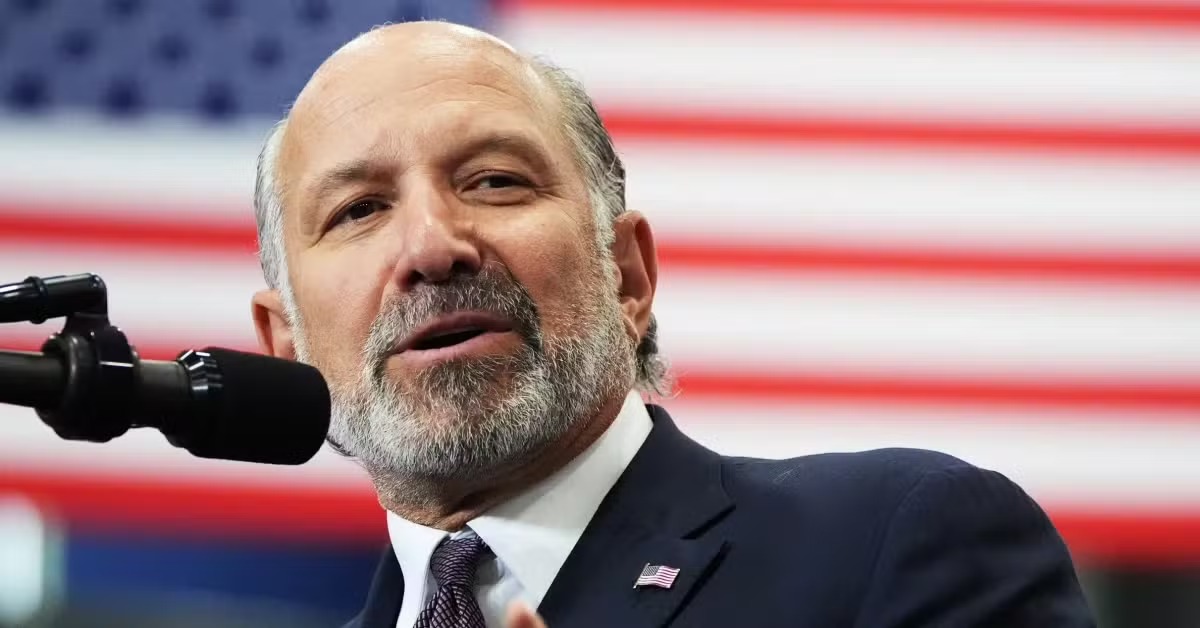
U.S. closes loophole that let Chinese companies use top AI chips through foreign data centers
The Commerce Department has issued a new rule requiring special licenses for sales of advanced American AI chips to data center customers in Indonesia, Malaysia, Singapore, Thailand and Brazil, and for overseas customers providing significant computing power to companies based in China, Russia, Cuba and other restricted countries. The rule closes a loophole that had let Chinese companies banned from buying the chips since 2022 access them remotely through data centers in nearby countries, and it formally rescinds the Biden-era AI Diffusion Rule. The Chinese foreign ministry criticized the move, saying the United States had overstretched the concept of national security, while analysts including Chris McGuire called it a major step toward closing export control loopholes.

Bessent pushes back on need for tighter chip sale legislation
Treasury Secretary Scott Bessent on 15 November 2026 pushed back on lawmakers' claims that the United States needs new legislation to clamp down on chip sales to China, saying on Fox News Sunday that the country has all the rules it needs and they just need to be enforced. Momentum on Capitol Hill to tighten export curbs through the year-end defense bill grew after revelations that Nvidia CEO Jensen Huang had an affair with alleged Chinese spy Alice Huang, an executive at Singapore-based Megaspeed, suspected of smuggling chips to China; Huang has since resigned. Bessent says the threats stem from lax enforcement, demanded Nvidia answer within 10 days whether it knew chips were reaching Chinese buyers, and said Commerce Secretary Howard Lutnick had resisted cabinet-level entreaties to crack down on Megaspeed. Bipartisan scrutiny of Lutnick is intensifying, with lawmakers including House Speaker Mike Johnson and John Moolenaar pushing for tighter export controls and for Lutnick to testify.

