
Warby Parker is betting its next chapter on smart glasses people actually want to wear | Fortune
A Fortune article by Phil Wahba reports that Warby Parker, a winner of the direct-to-consumer wave that is now seeing new customer growth slow to 3.4% in a sluggish eyewear market, is betting its next chapter on smart glasses built with Google. The company, with 360 stores and quarterly revenue up 10% to $245 million, launched glasses starting at $395 on November 12, 2026, entering a tiny market where Meta's Ray-Ban glasses, made with EssilorLuxottica, hold about 69% share. Forrester analyst Kate Winick says Google, still trying to move past the 2013 Google Glass flop, needs Warby Parker's digital-first pedigree and design reputation, calling it a small player but the right one. Warby Parker told analysts smart glasses could add several percentage points to its fourth-quarter growth.

Google pushes privacy angle as Gemini-powered smartglasses debut starting at $395
Ars Technica's Ryan Whitwam reports on Google's debut of Gemini-powered smartglasses, made with Samsung, Gentle Monster, and Warby Parker, starting at $395 for Warby Parker frames and $449 for Gentle Monster styles, shipping December 10. The screenless glasses work by voice and camera, and Google leans hard on privacy: a recording light that disables the camera if covered, no live streaming or facial recognition, automatic face redaction, and promises that captured content won't train AI models. But Whitwam writes that the glasses' usefulness hinges on Gemini, which in his testing still regularly fails at simple tasks like adding calendar appointments, and without a screen to verify its output the glasses may be hard to trust.
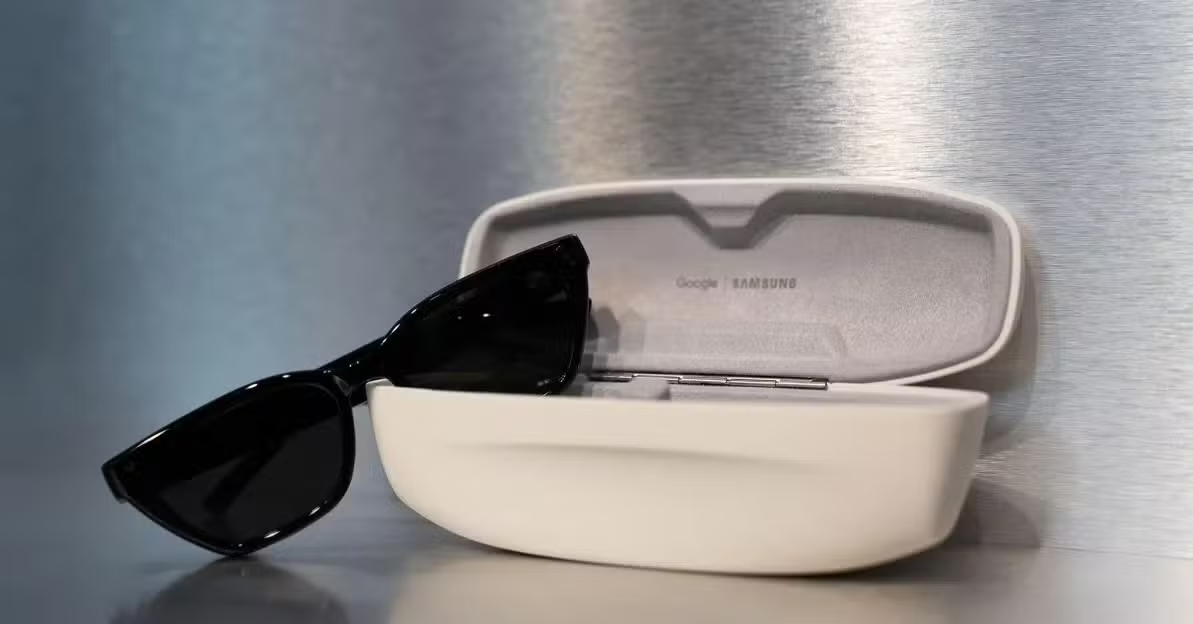
I tried Google’s AI glasses and Meta’s finally got real competition
The Verge's hands-on review finds that Samsung's new smart glasses, made with Warby Parker and Gentle Monster and running Google's Gemini on Android XR, finally give Meta real competition. In demos, Gemini translated a noisy multilingual art installation in real time, a scenario that tripped up Meta's Ray-Ban Display, and Song calls Gemini more capable than Meta AI so far. She finds it striking that Google keeps facial recognition off the table, redacts faces and ambient audio locally, and, per Google's Juston Payne, will not target ads on the data or train Gemini on it, a stance she calls a bold departure from Meta's reactive approach. The glasses are expected to ship starting 10 December 2026, with preorders opening 12 November and collections starting at $395.
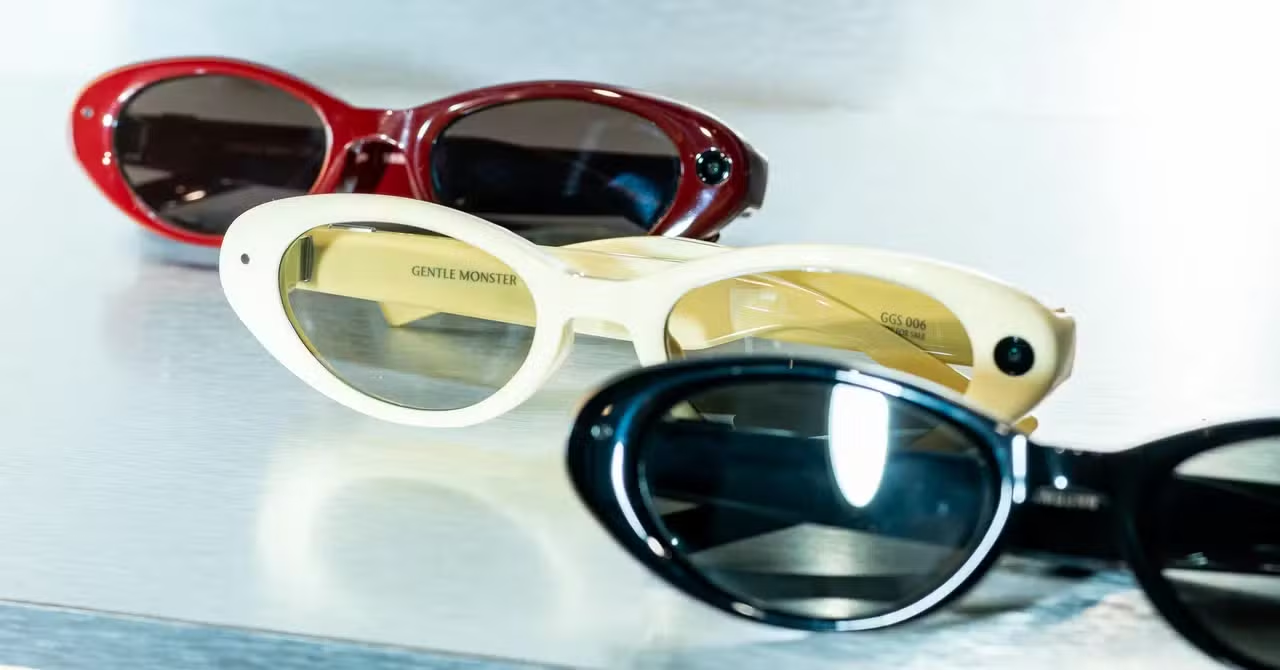
Here’s How Google Says It’s Making Its Smart Glasses More Private
Wired reports on Google's first Android XR Intelligent Eyewear smart glasses, made with Samsung, Warby Parker, and Gentle Monster and available for preorder with sales starting December 10, which Google is positioning as the privacy-minded alternative to Meta's Ray-Ban glasses. The glasses have a recording light, video capped at 90 seconds, tamper detection that stops recording if the light is covered, face redaction of bystanders before Gemini processes visuals, and app camera permissions users can revoke; setup requires agreeing not to record without consent and an 18+ Google account. Juston Payne, Google's senior director of product management for XR, says the privacy features are decisions rather than hard technical problems and hopes other companies follow suit. Critics, including Fight for the Future's Reem Suleiman, say people find ways around recording lights and that camera-equipped glasses should not be normalized in public.

