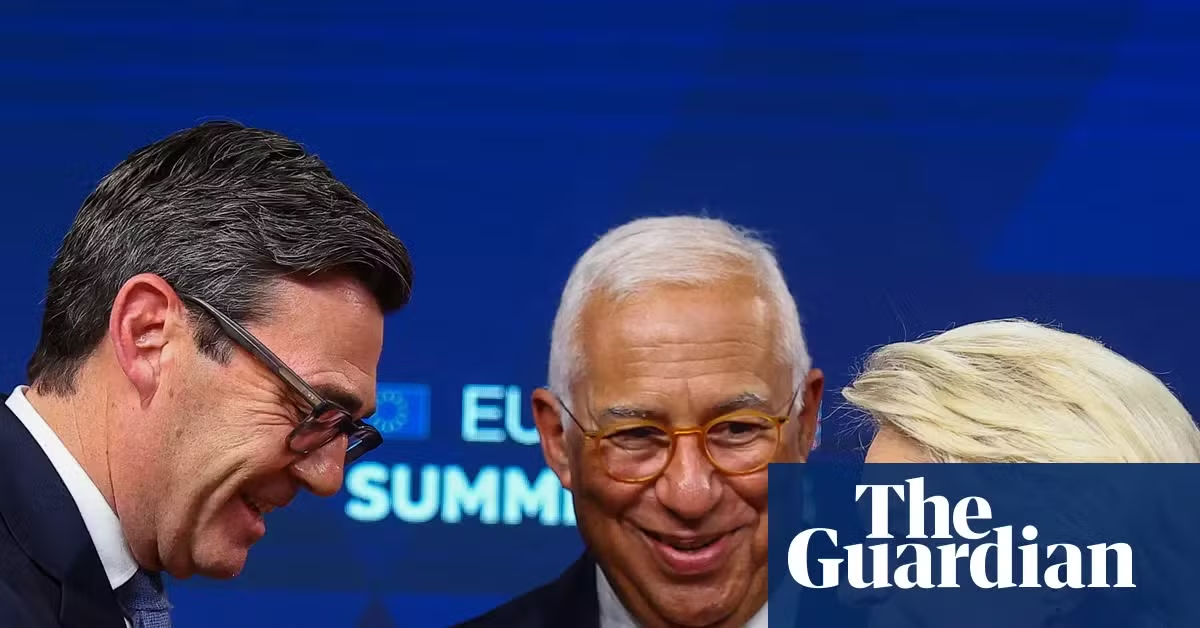
UK bill implements EU deal and allows ministers to enact closer ties
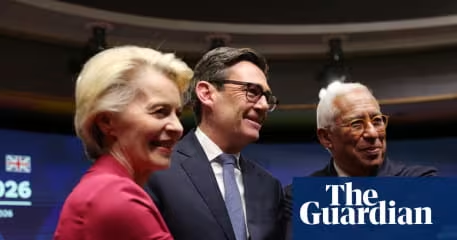
The UK government introduced a bill in Parliament on 2026-11-26 to implement its deal with the EU, covering food trade, emissions trading and a youth experience scheme.
The food and drink and emissions arrangements are due to begin in 2028. The deal will significantly scale back border-check infrastructure, and its treaties include a 10-year termination clause that could require a party ending them within that period to pay potentially significant rebuilding costs. An internal analysis forecast a 16% boost to agricultural exports.
The bill allows ministers to use secondary legislation, including Henry VIII powers, to align UK and EU laws. It also lets the government implement evolving EU single-market rules without full parliamentary scrutiny each time when it considers this to be in the national interest.
The treaties give the UK input into designing relevant future rules and provide for consultation, but no final vote. They align UK aviation and maritime industries with EU emissions schemes, bringing more of those industries under them. The food and drink deal provides for frictionless trade between Great Britain and Northern Ireland, while allowing the EU to introduce temporary protective laws if agreement on required alignment cannot be reached.
The bill leaves room for future partnership treaties, including a possible common energy market, but excludes joining the EU, single market or customs union. The youth mobility deal offers a total of 100,000 visas to EU member states and is tied to the food and drink deal, which would be cancelled if the UK reneges on the visas.
The latest account says EU sources would wait to adopt the reset agreements until a separate agreement on tuition fees for EU students at UK universities, while UK officials denied the issues were linked.
The UK government and the EU agreed a deal covering food trade, emissions trading and a youth experience scheme.
The UK government said it would publish the food trade and emissions treaty texts alongside legislation to implement most of the deal.
The deal will significantly scale back border-check infrastructure.
The treaties include a 10-year termination clause requiring a party that ends the agreements within that period to pay potentially significant costs to rebuild border-check infrastructure.
An internal analysis forecast a 16% boost to agricultural exports.
The treaties align UK aviation and maritime industries with EU emissions schemes, bringing more of those industries under the schemes.
The treaty text sets out how the UK will observe and help shape relevant EU rules without voting on them.
The bill allows ministers to use secondary legislation, including Henry VIII powers, to align UK and EU laws.
Opposition leader Kemi Badenoch and Reform UK leader Nigel Farage suggested they would refuse to pay the costs of rebuilding border controls.
European affairs minister Hamish Falconer said the Cutting Costs Bill allows the government to implement 2 major trade agreements.
Hamish Falconer said the bill would eliminate paperwork for food and drink traders, protect billions of pounds in British exports from carbon taxes, and make trade with the UK’s largest trading partner cheaper and easier.
Prime Minister Keir Starmer described the agreements as “pragmatic” and “not a prelude to anything”.
Andy Burnham said it would be “unthinkable” for the UK to rejoin the EU without a referendum, described former prime ministers as “stuck in the past”, and said there would be “no banging on about Europe” from Labour.
Kemi Badenoch said Andy Burnham had “oversold” the deal and was “trying to take Britain back to 2015”.
The bill to implement the food and drink trade deal empowers the government to align UK rules dynamically with Europe in areas covered by agreements.
The bill allows the government to implement evolving EU single-market rules without full parliamentary scrutiny each time, when it considers this to be in the national interest.
Hamish Falconer said the Cutting Costs Bill would implement 2 major trade agreements, eliminate paperwork for food and drink traders, protect billions of pounds in British exports from carbon taxes, and make trade with the UK’s largest trading partner cheaper and easier.
The UK government introduced the bill in Parliament to implement its deal with the EU.
The food and drink and emissions arrangements are due to begin in 2028.
The published deal gives the UK input into designing future agriculture, food and emissions rules but no final vote, while allowing consultation at each stage of rulemaking.
The bill leaves room to enact future partnership treaties, including a possible common energy market, but excludes joining the EU, single market or customs union.
The youth mobility deal will offer a total of 100,000 visas to EU member states and is tied to the food and drink deal, which would be cancelled if the UK reneges on the visas.
The food and drink deal provides for frictionless trade between Great Britain and Northern Ireland.
The deal allows the EU to introduce temporary protective laws if it cannot agree with the UK on a matter requiring alignment.
EU sources said adoption of the reset agreements would wait for a separate agreement on tuition fees for EU students at UK universities, while UK officials denied the issues were linked.
Hamish Falconer wrote to opposition parties urging them to back the bill, saying: “The status quo is not working. Brexit has done more harm than good.”
Hamish Falconer wrote that opposing the bill would maintain costly bureaucracy and trade barriers, and said: “This isn't about reopening the arguments of the past; it's about fixing the problems in front of us and delivering the change the British people expect.”
Hamish Falconer said the deal would reopen European markets to British products, boost agricultural exports by about 16%, add up to £5.1 billion a year to the UK economy by 2040, and deliver frictionless trade between Great Britain and Northern Ireland.
UK officials said Britain would have a formal role in designing EU rules and could seek independent arbitration, but acknowledged it would have no final vote.
Food industry bodies have argued that British regulators should take part in all technical meetings before EU laws are drafted.
An EU diplomat said the agreements would not proceed without a tuition-fee deal within 6 months and said member states were united on the issue.
A second EU diplomat said the UK’s handling of tuition fees had been “toxic” and recalled the approach of previous governments led by Boris Johnson and Theresa May.
Ursula von der Leyen said the tuition-fee agreement was “a separate piece of paper”.
A second EU diplomat said: “Nobody has charged British students studying in the EU any more since Brexit.” The diplomat added: “This is why everybody is finding it a bit rich of the UK to insist on this.”

