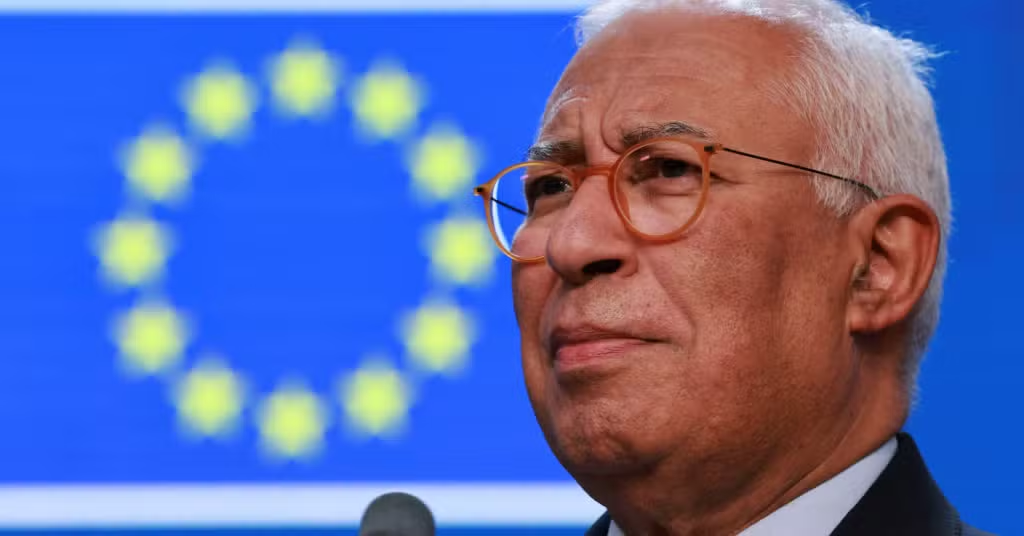
A Ukraine loan is in limbo after EU budget talks stall. Leaders will try again
In a news report by the Associated Press's Lorne Cook, EU leaders fail after more than 12 hours of Brussels budget talks to narrow down the size of the 2028-2034 budget, leaving an important loan for Ukraine caught up in the wrangling. Council President António Costa says some member states asked for further reductions in what they pay in, while most opposed cuts, and he calls the process normal since states defend national interests. A big sticking point is whether interest Europe pays on the Ukraine loan comes out of the budget or gets fresh money, since Ukraine repays only once Russia covers war reparations; 24 of 27 countries back the loan plan, but Costa must still win over the Czech Republic, Hungary and Slovakia. Emmanuel Macron says he cannot relaunch budget talks after December 31, 2026, because French elections, with Marine Le Pen the favorite, loom in April 2027, though he would sign a good deal at the December 17-18 summit, and he calls narrowing Europe's ambitions a strategic error. Leaders will try again in mid-December, and Costa says a deal must be reached by end of 2026 for the budget to take effect by January 1, 2028.
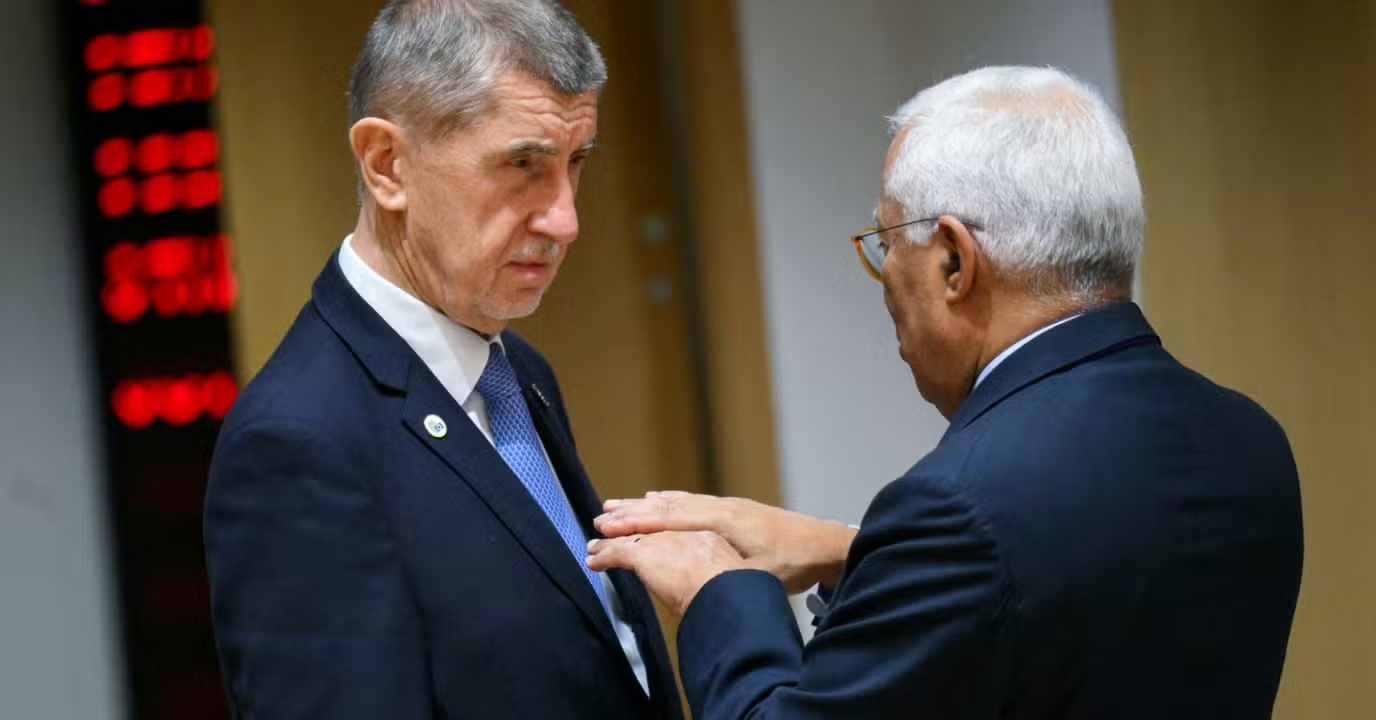
Why Bulgaria, Czechia, Hungary, and Slovakia are complicating the latest EU push for a Ukraine loan
EU leaders failed to agree on a 45 billion euro European Commission loan for Ukraine at a Nov. 26-27 summit in Brussels, with four countries blocking the deal. The proposed loan would give 25 billion euros for defense needs and 20 billion for budgetary support, and the European Council says 24 member states backed it, with the question to be revisited in December. The reported holdouts, Czechia, Hungary, and Slovakia, want to repeat the opt-out they won on a 90 billion euro loan in April 2026, while Bulgaria, a listed supporter, says it will join only the non-military component. Slovak Prime Minister Robert Fico objects that repayment only after Russia pays war reparations makes it a grant and cites corruption concerns, and Czech Prime Minister Andrej Babis questions paying Ukraine for decades.

How can the EU continue to afford supporting Ukraine?
In its Verify episode, Euronews examines how the EU would pay for a proposed €45 billion loan to Ukraine, one of the issues EU leaders are butting heads over at their summit. The Commission says the loan would help plug an estimated €70 billion hole in Kyiv's 2027 budget caused by Russia's relentless attacks. The proposal is a 'limited recourse' loan, meaning Ukraine would in theory repay it only once it receives reparations from Russia, and the EU reserves the right to repay it using frozen Russian assets instead. Jacob Funk Kirkegaard of the Bruegel think tank says Russia is unlikely ever to pay reparations, so either the EU is refunded by immobilised Russian assets or European taxpayers ultimately foot the bill, but he calls the loan a drop in the bucket and says the cost of not supporting Ukraine would be far higher. The episode also breaks down Black Friday deals, finding that in a sweep of 314 online traders during the 2025 Black Friday sales around 30% displayed inaccurate price reductions, and advises shoppers to decide in advance what they need and compare offers calmly.

