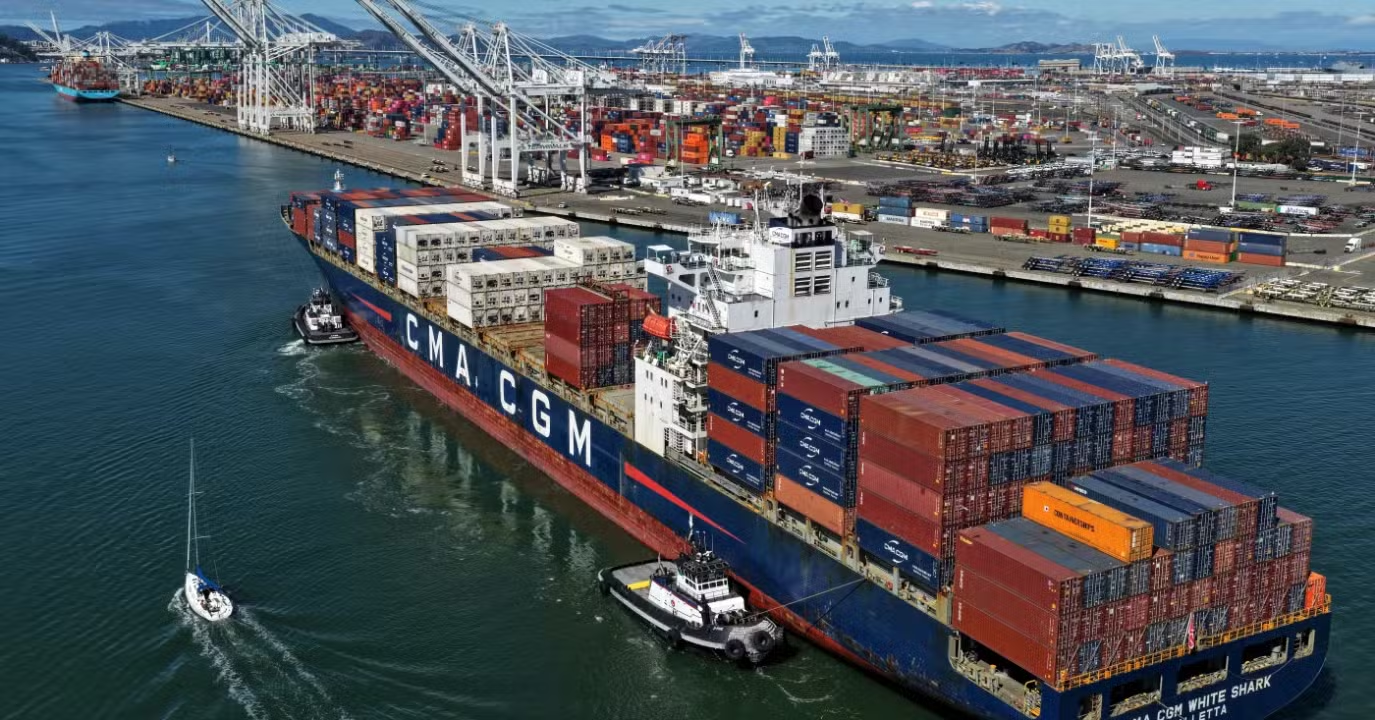
US investigates Iran's possible role in cyberattacks on up to 50 ships
The U.S. government is investigating Iranian ties to as many as 50 hacked commercial vessels
npr.org· 1h
Exclusive | U.S. Eyes Iran as Possible Culprit in Dozens of New Cyberattacks Against Ships
wsj.com· 18h
US eyes Iran as possible culprit in dozens of new cyberattacks against ships, WSJ reports
reuters.com· 22h
The United States is investigating whether Iran was behind cyberattacks on commercial ships carrying oil, liquefied petroleum gas, chemicals, and other explosive cargoes, amid concerns Tehran is widening the war through cyber operations and terror plots against Americans. As many as 50 vessels are believed to have been attacked, and US authorities see Iran as the primary suspect, with Russia a possible culprit. Some ships have also received warnings and bomb threats indicating the vessels could be blown up.
The hackers exploited known vulnerabilities in Fortinet FortiGate devices widely used in the maritime industry, then pivoted from the ships' IT systems to their operational technology, potentially reaching systems that control propulsion, steering, navigation, and cargo management, though no examples of such activity were shared. Crews on some ships grew suspicious after email disruptions, login failures, and in at least one case an extended communications blackout; at least one affected ship was an LNG tanker. In August, the FBI and the Coast Guard sent a specialized team to board two foreign commercial vessels in the Gulf of America heading to US ports.
The FBI and the Coast Guard report no operational disruptions, vessel instability, danger to crews, or environmental harm from the breaches, and a US official familiar with the investigation said the attacks are not sophisticated, exploiting a vulnerability that basic cyber hygiene could mitigate.
The United States is investigating Iran's potential involvement in dozens of cyberattacks against energy tankers, amid concerns Tehran is widening the war with cyber operations and terror plots against Americans.
As many as 50 ships carrying oil, liquefied petroleum, chemical products, and other explosive substances are believed to have been attacked, according to US officials.
Some ships have also received warnings and bomb threats indicating that the vessels could be blown up.
US authorities see Iran as the primary suspect in the attacks and Russia as a possible culprit.
The US government has intelligence suggesting up to 50 commercial shipping vessels were recently compromised by cyberattacks that federal officials are investigating as potentially linked to Iran.
In August, the FBI and the Coast Guard sent a highly specialized team to board two foreign commercial vessels in the Gulf of America heading to US ports.
The hackers exploited known vulnerabilities in Fortinet FortiGate devices widely used in the maritime industry, then pivoted from the ships' IT systems to their operational technology.
The attackers could have reached systems controlling propulsion, steering, navigation, and cargo management, though no examples of that kind of activity were shared.
At least one of the affected ships was an LNG tanker designed to transport liquefied natural gas.
Crew members on some ships suspected attacks after noticing email disruptions, login failures, and in at least one case an extended communications blackout.
There are no reports of operational disruptions, vessel instability, physical danger to crews, or environmental impacts from the breaches, according to the FBI and the Coast Guard.
A US official familiar with the investigation said the attacks are not sophisticated and exploit a known vulnerability that could be mitigated with basic cyber hygiene.
The FBI and the Coast Guard said in a statement that the captain, crew, and shore-side corporate staff were critical partners in helping to ensure the threats were mitigated.
Federal officials plan to investigate any ship entering US ports that could be compromised, ahead of the winter and a busy holiday season for commercial shipping.

