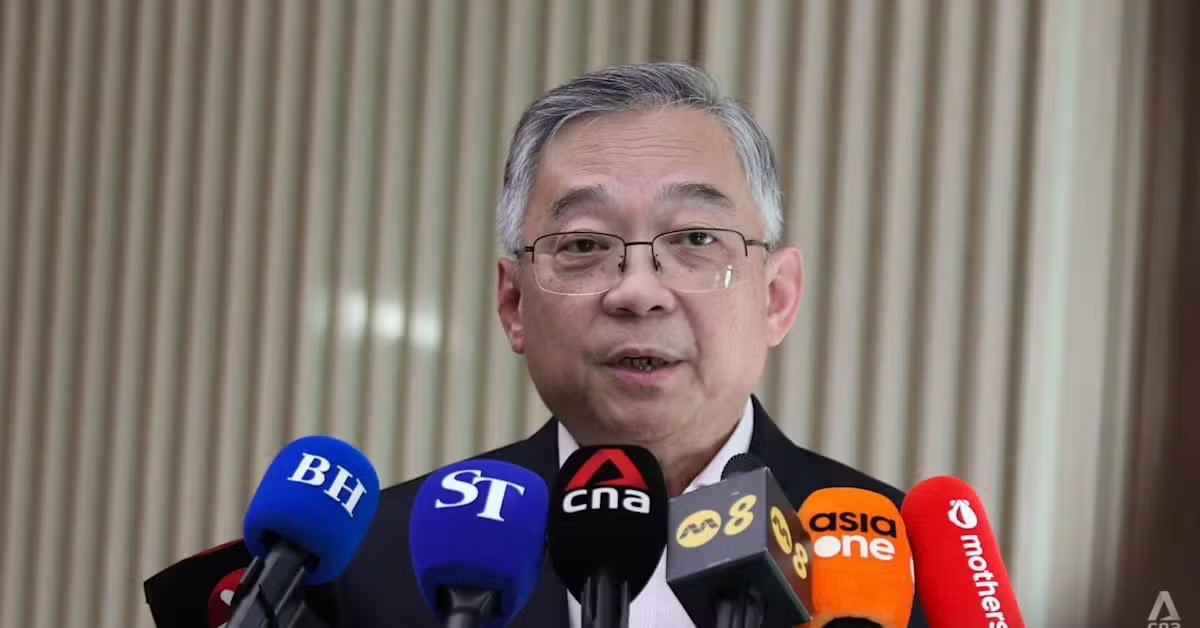
CPF not a way to suppress domestic consumption, potential US tariffs a surprise: DPM Gan
Deputy Prime Minister Gan Kim Yong says Singapore's Central Provident Fund does not suppress domestic consumption and that the United States' concerns about the scheme surprised him, as did the tariffs proposed on Singapore's exports. The Office of the United States Trade Representative has proposed a maximum potential tariff of 20 per cent, net of existing Section 301 tariffs, after a report alleging that savings promotion in Singapore depresses consumption and boosts its current account surplus, and that the rate could fall to 10 per cent if Singapore reaches a trade agreement. Gan says the scheme is critical for an ageing society with no natural resources, exists to make everyone self-reliant, and that Singapore should explain the CPF to the United States. Singapore's Ministry of Energy, Trade and Industry says it disagrees with the findings, finds them very disappointing, and will submit further comments during the public consultation.
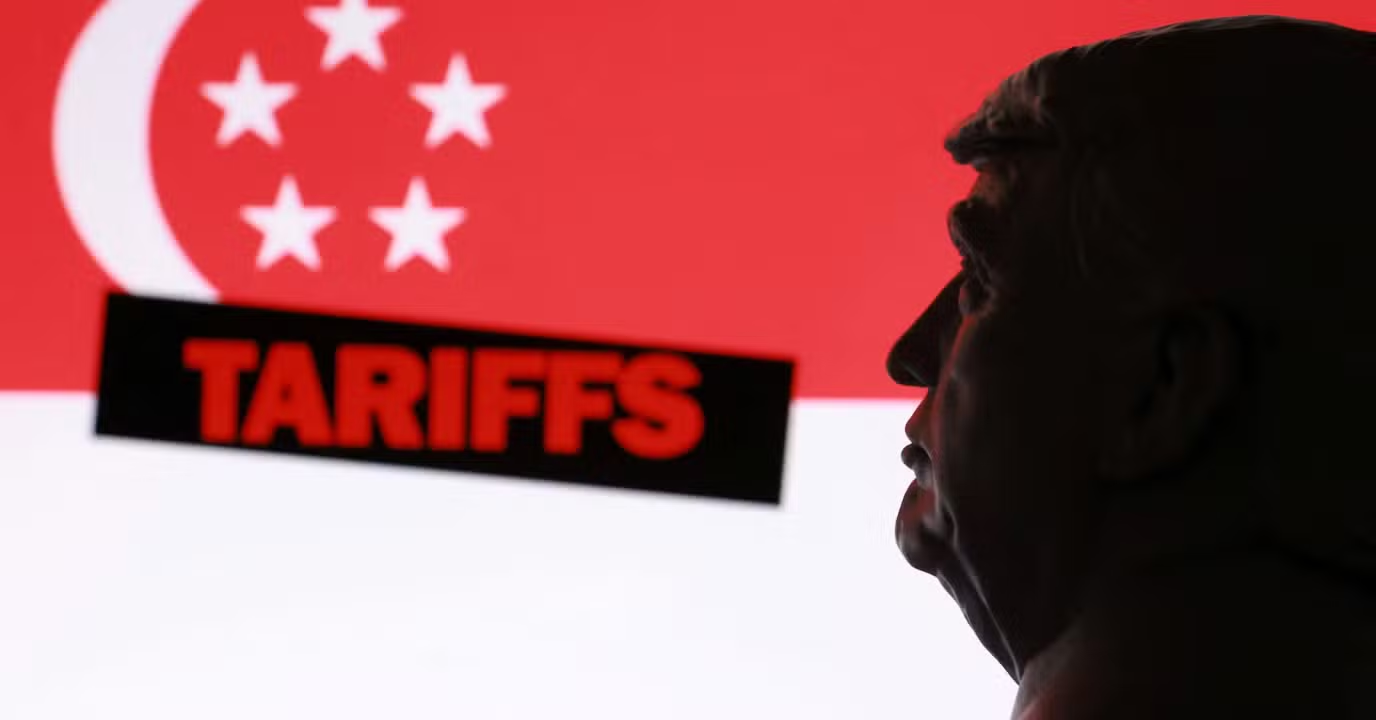
Singapore 'very disappointed' over new tariffs, urges US to reconsider
Singapore's Energy, Trade and Industry Ministry says it disagrees with proposed US tariffs and is very disappointed, and it will urge the US Trade Representative to reconsider and explore ways to reduce them. The proposed maximum tariff rate is 20%, adjusted to 10% if a reciprocal trade agreement is reached, and the tariffs followed an eight-month unfair trade practices investigation into excess industrial capacity. The ministry says Washington has enjoyed a trade surplus with Singapore for more than two decades under their free trade agreement, and that Singapore's policies neither protect its domestic market nor subsidise manufacturing for export. The report says the administration imposed the tariffs to rebuild President Trump's tariff leverage, and describes the ministry's remarks as uncharacteristically strong.
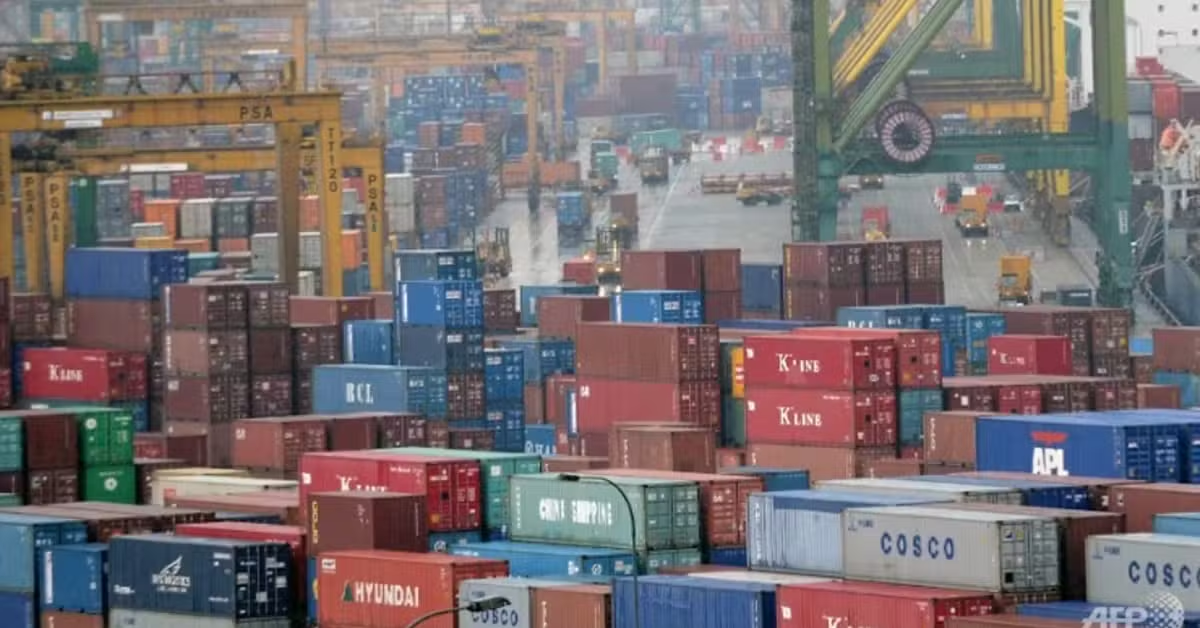
Singapore 'very disappointed' with proposed US tariffs, says findings fail to account for its economic structure
A Channel News Asia report covers Singapore's reaction to proposed United States tariffs on its exports over structural excess capacity in manufacturing. The Office of the United States Trade Representative has proposed a maximum potential rate of 20 per cent, net of existing Section 301 tariffs, which could drop to 10 per cent if Singapore reaches a trade agreement or other responsive negotiations. Singapore's Ministry of Energy, Trade and Industry says it disagrees with the findings and is very disappointed, arguing they fail to account for the structure of Singapore's economy, which it describes as outward- and market-oriented and not one that protects its domestic market or subsidises manufacturing for export. It adds that the United States has in fact run a trade surplus with Singapore since their free trade agreement, reaching US$33 billion in 2025, and says it will keep engaging the trade representative to urge a reduction of the tariff.
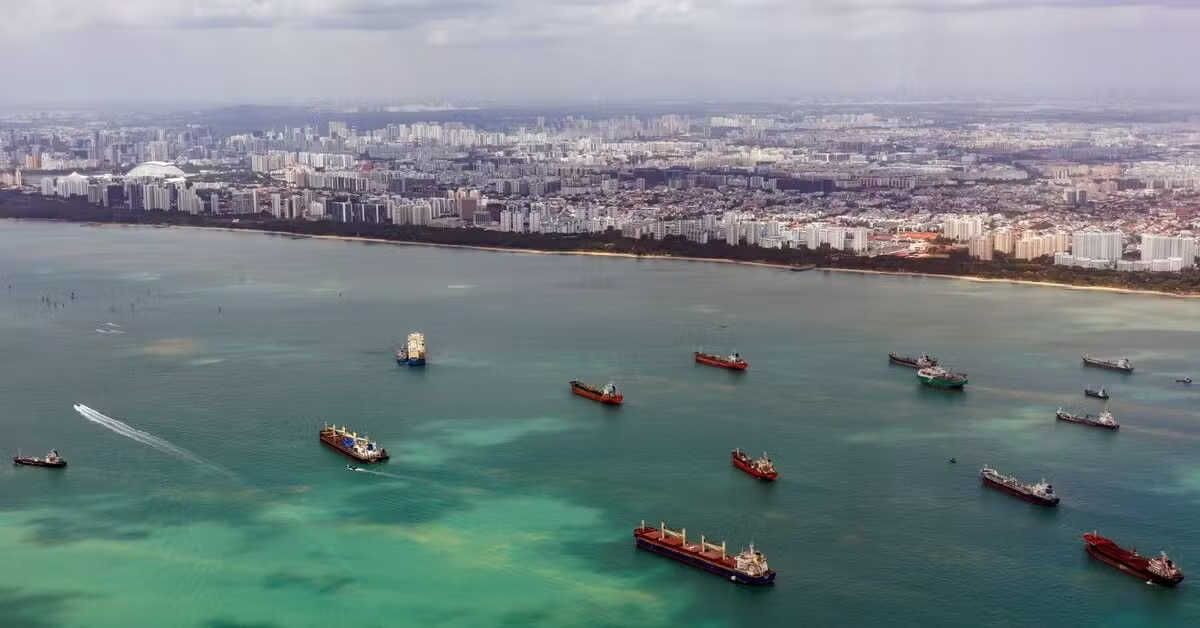
Singapore Is ‘Very Disappointed’ by Trump’s Proposed Tariff Hike
A Bloomberg report says Singapore has voiced strong disagreement with the US over proposed tariffs of up to 20% on its exports. In a statement, Singapore's Ministry of Energy, Trade and Industry says it is 'very disappointed with the proposed actions against Singapore.' The ministry disputes the US Trade Representative's finding that Singapore's policies contribute to excess manufacturing capacity, saying the findings ignore the structure of its economy and that its global trade surplus reflects its outward- and market-oriented economy and its status as a trusted business and trading hub. Singapore will urge Washington to reconsider the tariffs.

