
What would happen if Russia detonated a nuclear weapon in space?
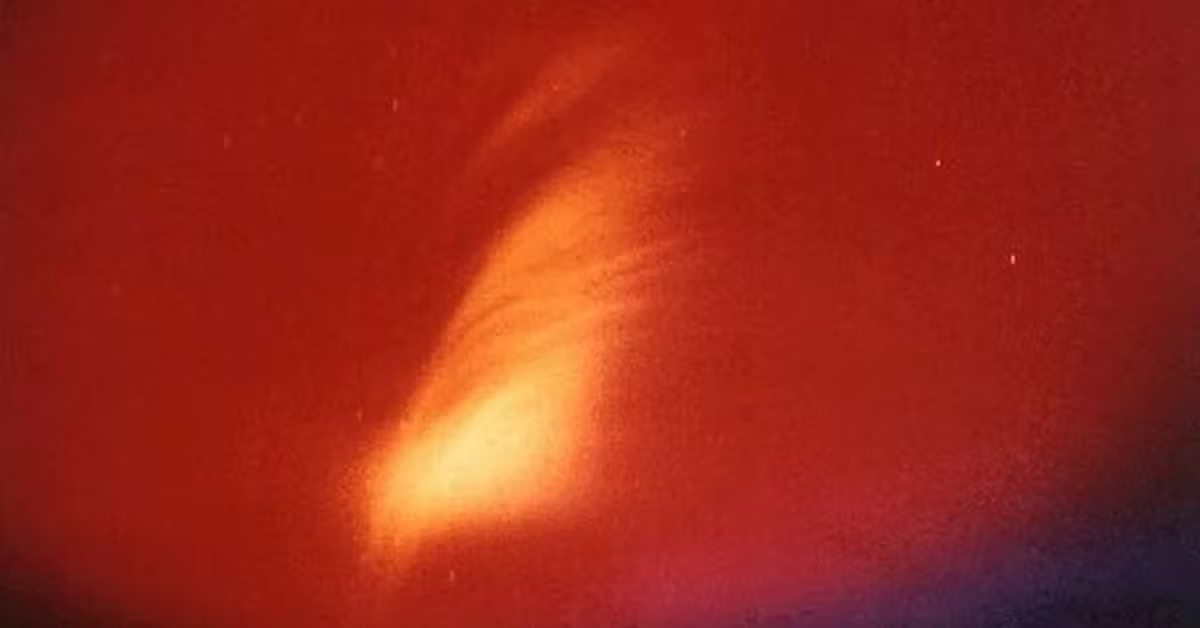
The Guardian's explainer takes up reports, citing western intelligence, that Russia has assembled a nuclear-enabled satellite named Sputnik-S in the Moscow region and could launch it this year. A detonation in space, where the energy is released as radiation rather than a mushroom cloud, could knock out satellites within thousands of miles by X-rays and create an artificial Van Allen belt of trapped radiation lasting up to a decade, and the space industry could not quickly rebuild the roughly 17,000 satellites in low Earth orbit, including Starlink, which aids Ukraine's defence. The precedent is the 1962 US Starfish Prime test, which damaged satellites and even disrupted streetlights in Hawaii. Yet a European security official says Russia's earlier nuclear threats were bluffs and this one looks like bluffing too, because an uncontrolled blast would likely harm Russia's own satellites, and Jonathan McDowell calls detonating one 'such a stupid idea'.
Risk of Russia launching a nuclear weapon into space within two months deemed serious
German media, including Süddeutsche Zeitung, reported on November 24 a very specific risk of Russia launching a nuclear weapon into orbit by the end of the year, and Le Monde's sources say that risk was considered serious in Paris. The German reports cited no named sources, only 'research' said to rest on work by Western intelligence and military officials, notably the Bundeswehr and the BND. The project itself is not new: the United States has warned of Russia's progress on it since 2024, though the reported imminent launch timetable is new, and the satellite said to carry the weapon, 'Sputnik-S,' has reportedly already been built and stored in the Moscow region. Placing a nuclear weapon in orbit would mark a radical shift in the weaponization of space and pose unprecedented risks to global security, while the Kremlin's Dmitry Peskov dismissed the reports as 'hardly worth taking them seriously.'
Europe Tonight: Russia reportedly prepares nuclear satellite launch
Euronews' evening show Europe Tonight takes up intelligence reports, shared among NATO allies, of a possible Russian launch of a nuclear-armed satellite in the 60 days after 25 November 2026. Former NATO spokesperson Jamie Shea joined the show to discuss how satellite systems could be affected and what has been learnt from past nuclear detonations in space. NATO Secretary General Mark Rutte promised that the alliance will defend against any threats in space.
Secrecy surrounds claims of Russia’s push for nukes in space
A Scientific American news article reports that recent media claims, allegedly based on Western intelligence assessments, that Russia plans to launch an anti-satellite nuclear weapon into orbit by the end of 2026 have yet to be corroborated. The reports point to Russia's 2022 launch of the satellite Kosmos 2553, believed to have spun out of control in 2025, and a German investigation says a new satellite called Sputnik-S has sat awaiting launch in Moscow for years. Victoria Samson of the Secure World Foundation says it is unknown whether Russia is preparing a working orbital weapon, merely testing, or doing nothing at all, and experts warn the situation should be taken seriously.
What Happens if Russia Detonates a Nuclear Weapon In Space? - Newsweek
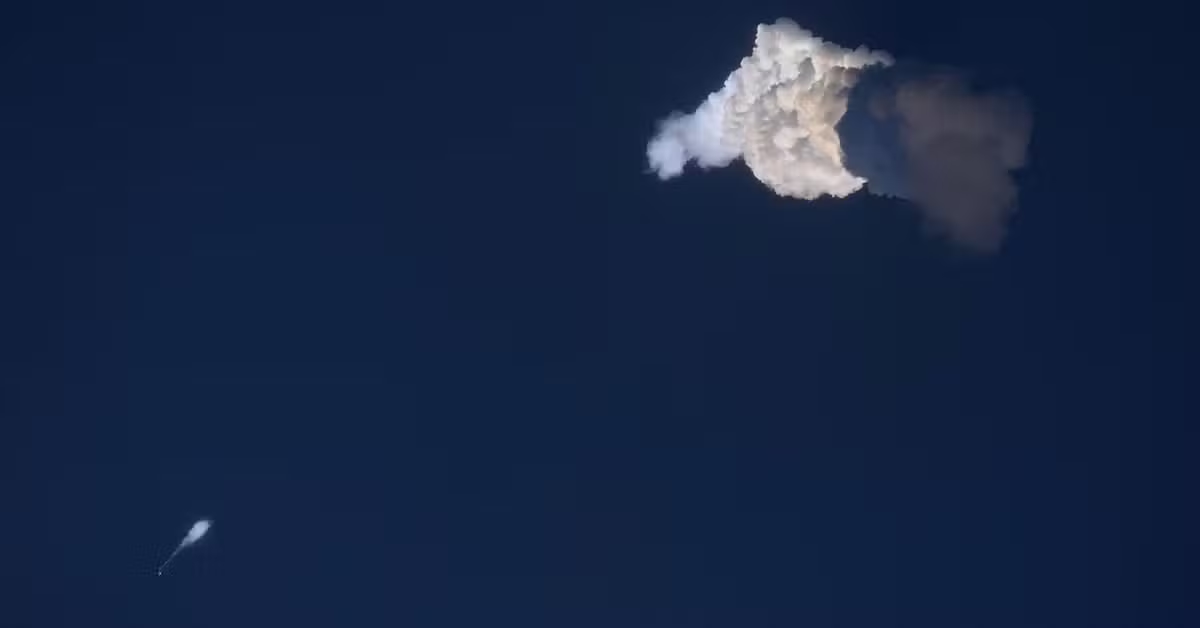
A Newsweek article examines what would happen if Russia detonated a nuclear weapon in space, after German outlets reported intelligence suggesting a Russian satellite called 'Sputnik-S' was assembled with a nuclear warhead and could launch within 60 days. Russia has dismissed the reports as 'unfounded,' and Kremlin spokesman Dmitry Peskov said the claims are hardly worth taking seriously. Russian nuclear weapons expert Pavel Podvig told Newsweek that while a detonation is technically possible, the evidence that Russia is putting anything nuclear in orbit is extremely thin, and placing a weapon in orbit is not the best way to attack anyway. Assessments cited in the article warn of severe consequences: a paper says a one-megaton detonation could disable about 98 percent of modeled satellites within a week, and the 1962 Starfish Prime test disrupted power grids and radio communications hundreds of miles away.
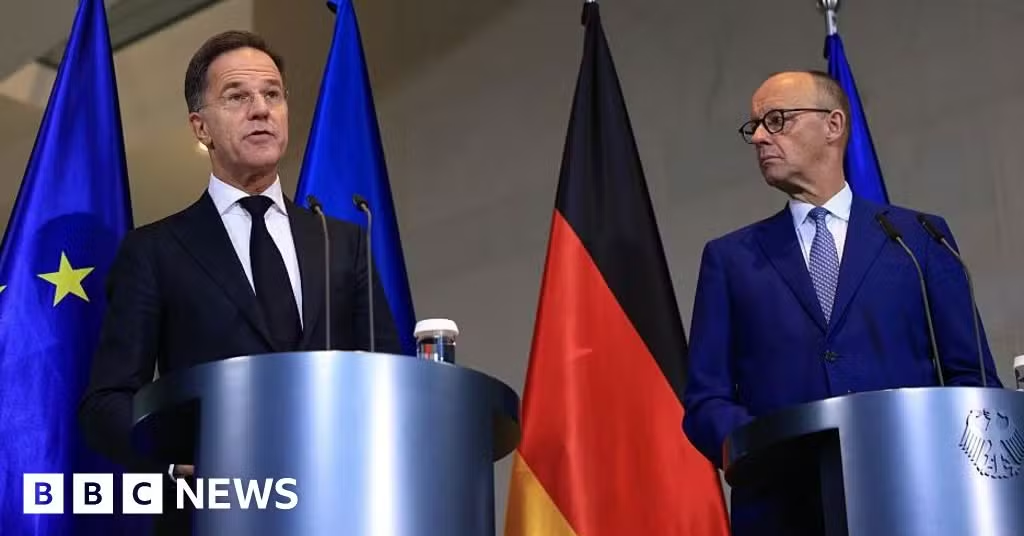
Nato chief vows defence against space threat after Russian nuclear satellite reports
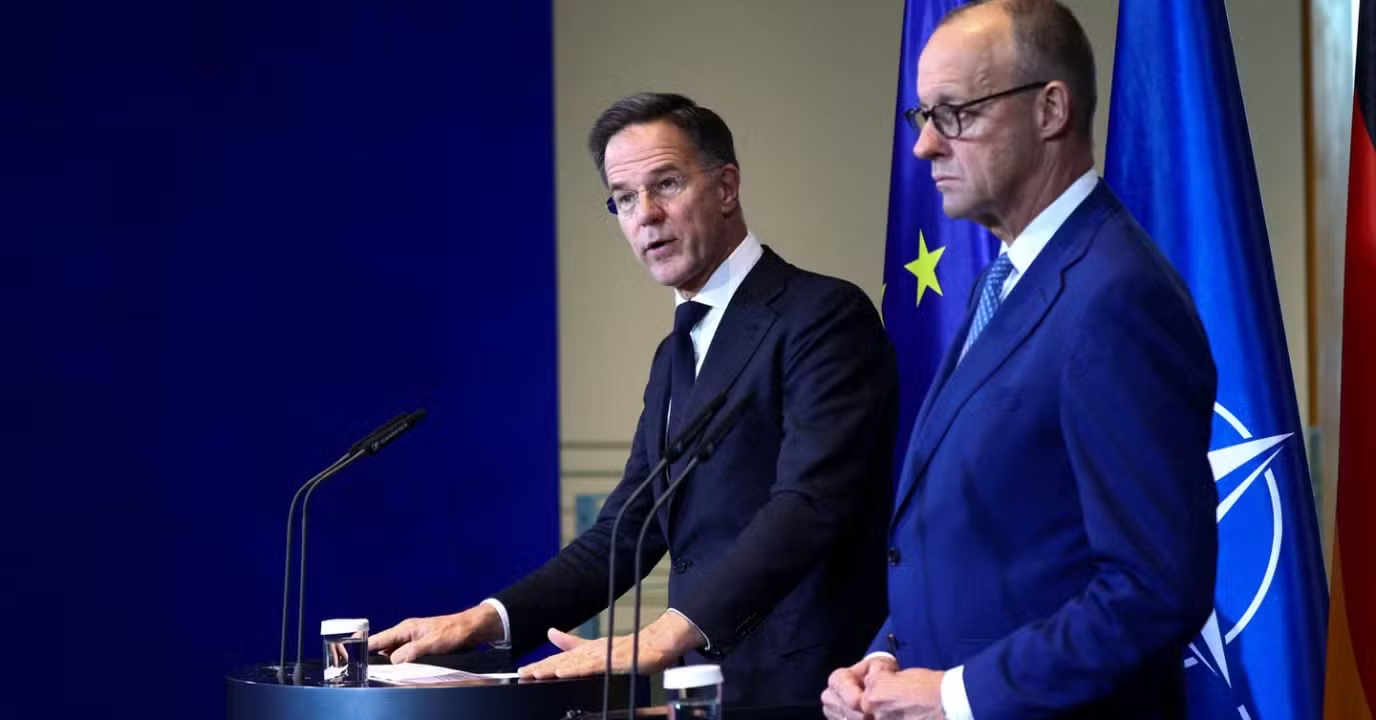
A BBC News report says Nato chief Mark Rutte has vowed Nato will defend against any threats in space after German reports that Russia was preparing to launch a nuclear-armed satellite. Citing anonymous German military and intelligence sources, the broadcasters NDR and WDR and the Sueddeutsche Zeitung say the satellite, dubbed Sputnik-S, carries a nuclear warhead and could disrupt or destroy other satellites, with intelligence reports speaking of a possible launch within 60 days. Russia rejects the allegations as a propaganda campaign, and Kremlin spokesman Dmitry Peskov dismisses reports citing unknown sources as hardly worth taking seriously. Germany neither confirms nor denies the reports but says it takes them very seriously, and Chancellor Friedrich Merz calls them no less shocking for not being new, while Nato says it has a variety of response options.
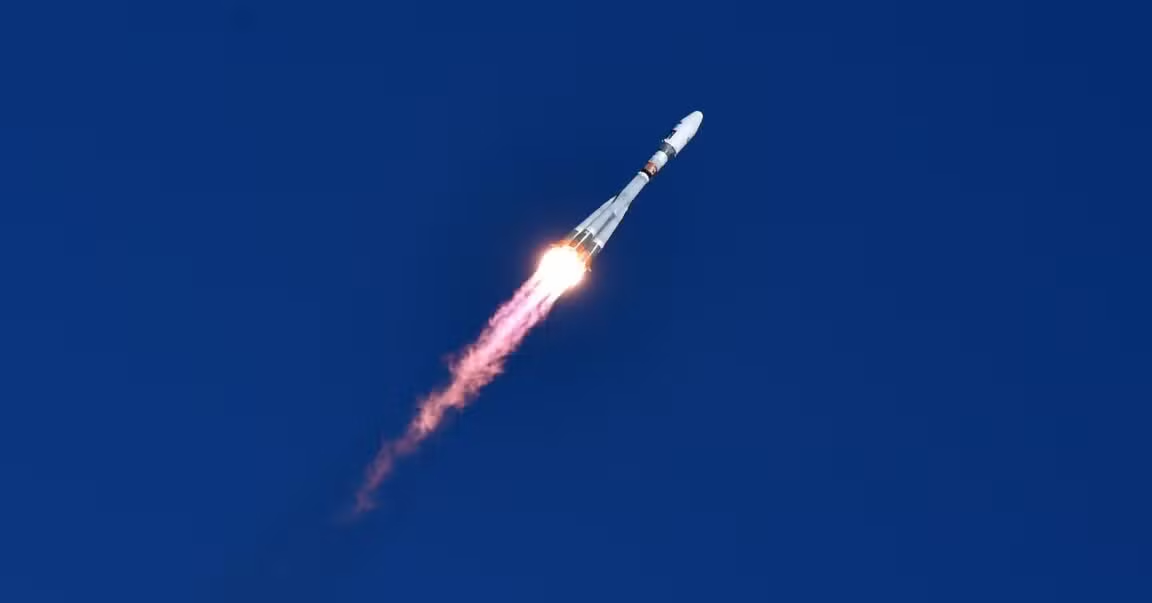
Russia may launch a nuclear-armed satellite far sooner than we thought
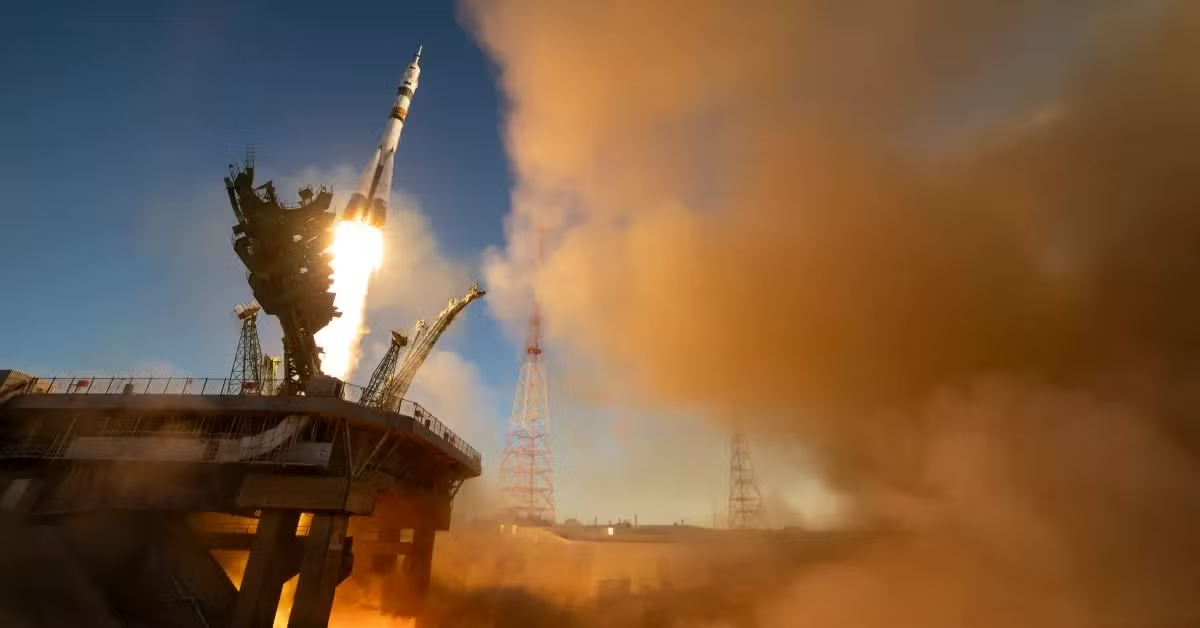
Reporting from German outlets NDR, WDR, and Süddeutsche Zeitung indicates Russia could launch a nuclear-armed satellite, designated Sputnik-S, as early as December, suggesting the weapon's development is more advanced than previously thought. Western intelligence agencies including the German Armed Forces and the Federal Intelligence Service believe Russia is preparing to deploy the weapon this year; the satellite is said to have been in storage near Moscow for years. Such a launch would violate the 1967 Outer Space Treaty, and the US Defense Intelligence Agency's public report says a nuclear detonation in orbit could cause rapid loss of thousands of satellites and leave damaging radiation belts for years. US officials first disclosed Russia's ambition in early 2024, saying Russia had launched a test satellite in 2022 but had not yet sent a nuclear weapon into orbit. Kremlin spokesperson Dmitry Peskov says the claims, with their qualifiers and unspecified sourcing, are hardly worth taking seriously.
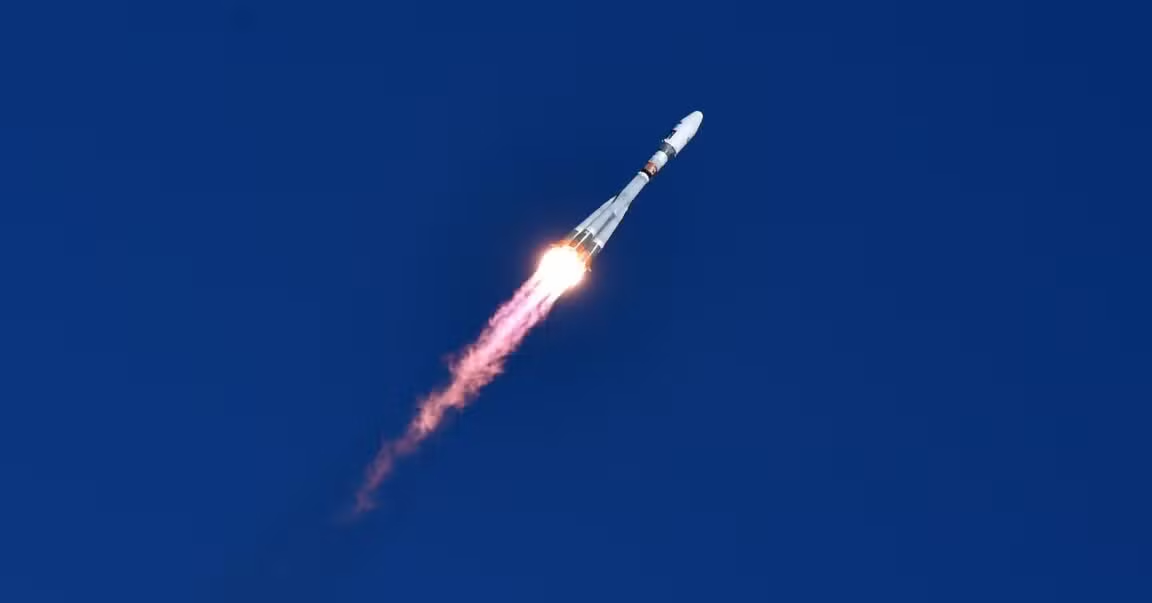
Reports: Russia may launch nuclear weapon into orbit as soon as next month
Reporting from three German outlets says Western intelligence agencies, including Germany's armed forces and Federal Intelligence Service, believe Russia is preparing to launch a nuclear-armed satellite, designated Sputnik-S and reportedly in storage near Moscow, before the end of the year, possibly as early as December. The reports suggest the development of the satellite-killing weapon is more advanced than previously thought; US lawmakers first disclosed Russia's ambition in early 2024. A nuclear detonation in orbit would be indiscriminate, threatening thousands of satellites including Starlink, military surveillance craft, and the International Space Station, and would also knock out Russian and Chinese satellites. Such a launch would violate the 1967 Outer Space Treaty, which Russia has signed, and the Kremlin dismissed the reports as hardly worth taking seriously.
Russia poised to put nuclear weapon in space within 60 days, Germany warns
The Financial Times reports Germany's warning that Russia is poised to put a nuclear weapon in space within 60 days.
Is Russia about to launch a nuclear armed satellite? Everything we know
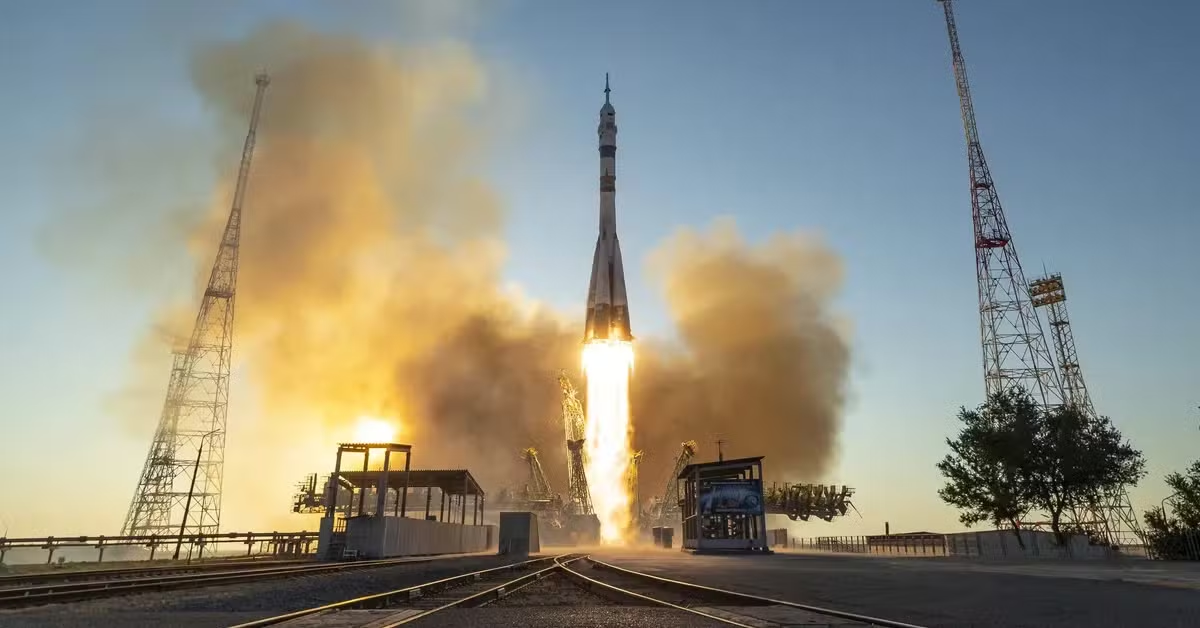
Newsweek's Ellie Cook reports on intelligence assessments, relayed by German outlets including WDR, NDR and Süddeutsche Zeitung, that Russia plans to launch a nuclear-armed satellite, the 'Sputnik-S', into orbit in the coming weeks. The satellite is said to have been assembled years ago and is currently in the region around Moscow, and NATO intelligence reportedly sees a launch before the end of the year. The Russian Embassy in Berlin calls the reports 'unfounded' and part of a propaganda campaign, while former NATO official William Alberque warns that a nuclear warhead detonated in space would likely destroy Russia's own constellations and those of allies like China, alongside any target. Weapons in orbit have long been taboo: a 1967 treaty bans placing weapons of mass destruction in space, and Russia is a party to it.

NATO believes Russia is ready to launch nuclear-armed satellite, German media say
German media outlets, including broadcasters NDR and WDR and newspaper Sueddeutsche Zeitung, report that NATO members' intelligence services have concluded Russia plans to launch a nuclear-armed satellite into space this year. Their report says Western services, including Germany's BND and armed forces, have exchanged intelligence showing the satellite, named Sputnik-S, was assembled several years ago and is stationed in the Moscow region. It comes against US officials' earlier allegations that Russia has been developing a nuclear weapon capable of destroying entire satellite networks such as SpaceX's Starlink, which Ukrainian troops use, assertions Moscow denied in 2024. Russia's embassy in Germany, the BND, and NATO headquarters did not immediately respond to requests for comment.
NATO believes Russia is ready to launch nuclear-armed satellite, German media say
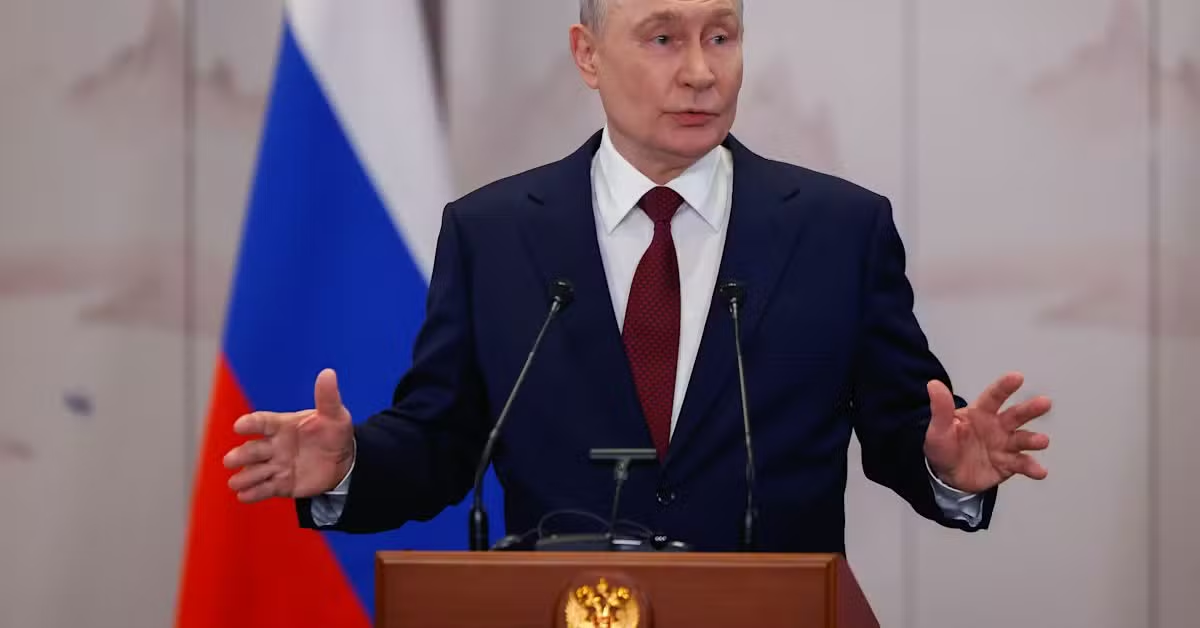
A group of German media outlets, including broadcasters NDR and WDR and the newspaper Sueddeutsche Zeitung, report that NATO members' intelligence services have concluded Russia plans to launch a satellite armed with a nuclear weapon into space in 2026. Citing exchanged intelligence, they say the satellite, named Sputnik-S, was assembled several years ago and is stationed in the Moscow region. Russia's embassy in Germany, Germany's BND, and NATO headquarters did not immediately respond to requests for comment. In 2024, Russia denied US officials' assertions that Moscow was developing a weapon that could destroy enemy satellites like SpaceX's Starlink system by setting off a nuclear explosion in space.

