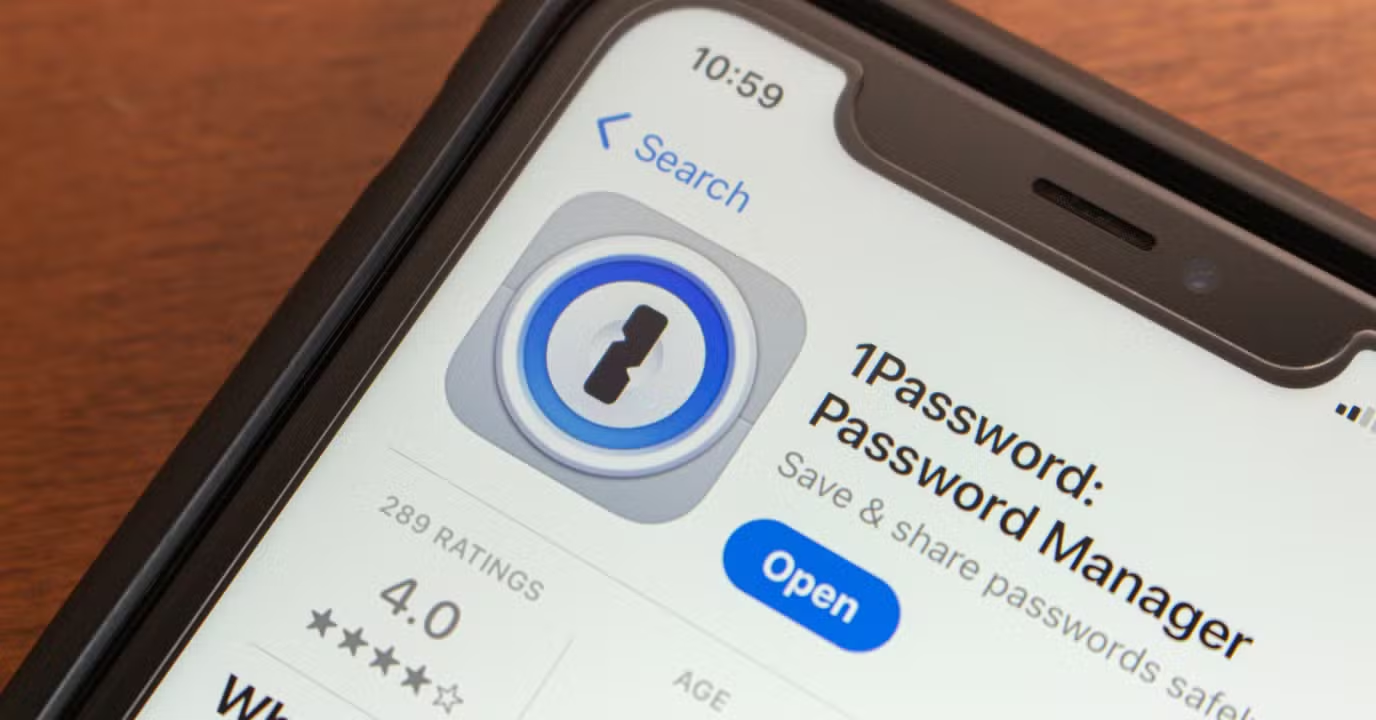
Hackers steal 1Password customer data via employee's GitHub account, vaults safe
1Password says it was hacked but users' vaults are safe - Engadget
engadget.com· 14h
1Password Hacked, Customer Data and Source Code Stolen in GitHub Account Breach
thehackernews.com· 23h
1Password: Kundendaten entfleucht
heise.de· 32h
認証管理の「1Password」で顧客データ流出 パスワードは漏洩せず - 日本経済新聞
nikkei.com· 36h
1Password customer data stolen after employee GitHub account breach
bleepingcomputer.com· 37h
1Password warns of phishing attempts after a hacker gained access to customer information
businessinsider.com· 38h
1Password breach leaked customer names and emails, but not passwords
theverge.com· 39h
1Password said hackers broke into its internal systems, but customer passwords are safe | TechCrunch
techcrunch.com· 39h
Update on a security incident involving 1Password’s backend systems. | 1Password
1password.com· 41h
Hackers broke into 1Password's systems by taking over an employee's corporate GitHub account, stealing account data for some customers while their password vaults stayed untouched.
The password manager began investigating on November 19, 2026, after finding signs an attacker had gained access to the employee's account. Using it, the attacker reached 1Password's source code, pushed malicious code to backend services, and used that to download customer administrative data. The attacker also copied code from private repositories and got into the company's CI/CD system, which holds infrastructure secrets.
The stolen records covered a subset of users and included names, email addresses, public keys, Secure Remote Password parameters, and tokens from emailed invitation, provisioning, and account recovery links. The tokens cannot open an account on their own and must be paired with a single sign-on sign-in or a verification code sent to the user's email.
1Password says customer vault contents were never accessed by or available to the attacker, and that the stolen data did not include the keys protecting vaults or account recovery keys. The company says it does not hold customers' account passwords or the secret keys that scramble them, which kept the vaults out of the attacker's reach.
1Password disabled the affected GitHub account, revoked the stolen token, and removed the attacker's access, then restored clean versions of the affected backend services. It rotated or revoked all potentially exposed credentials, tightened its GitHub, CI/CD, and endpoint controls, and added new detections for this kind of attack. To blunt any attempt to guess the codes in invitation and recovery emails, it expanded them from six numeric digits to ten alphanumeric characters.
The company notified the small number of users who were in a provisioning-invite or account-recovery state during the incident. It found no evidence of account takeovers using the exposed tokens and brought in independent cybersecurity experts to validate its containment and remediation. Its incident report said customer accounts need no updates and that customers are not required to change their account passwords or Secret Keys.
1Password began investigating on November 19, 2026, after finding indications that an attacker had gained access to an employee's corporate GitHub account.
The attacker used the employee's account to access 1Password's source code and push malicious code to backend services, which downloaded customer administrative data.
The attacker downloaded account records for a subset of 1Password users, including names, email addresses, public keys, Secure Remote Password parameters, and tokens from emailed invitation, provisioning, and account recovery links.
The stolen tokens cannot access an account on their own and must be combined with a single sign-on sign-in or a verification code sent to the user's email address.
Customer vault contents were never accessed by or available to the attacker.
The attacker also copied source code from 1Password's private repositories and gained access to its CI/CD system, which holds infrastructure secrets.
1Password disabled the affected GitHub account, revoked the stolen token, and removed the attacker's access.
1Password rotated or revoked all potentially exposed credentials, tightened GitHub, CI/CD, and endpoint controls, and added new detections for this kind of attack.
1Password expanded the verification codes in invitation and recovery emails from six numeric digits to ten alphanumeric characters to make brute-force guessing practically impossible.
1Password specifically notified the small number of users who were in a provisioning-invite or account-recovery state during the incident.
1Password found no evidence of account takeovers using the exposed tokens and brought in independent cybersecurity experts to validate its containment and remediation.
1Password says it does not hold customers' account passwords or the secret keys that scramble them, so the vaults stayed out of the attacker's reach.
1Password says its apps and browser extensions are unaffected by the intrusion.
1Password warned that the breach could put users at risk of phishing attempts, including phony emails, texts, or calls referencing 1Password invitations or account recovery attempts.
1Password recommended that users enter their account password or Secret Key only in the official 1Password app or website.
The stolen data did not include vault contents, the keys protecting customer vaults, or account recovery keys.
1Password's incident report said customer accounts do not need to be updated.
1Password said in a statement, '1Password will never contact you to ask for your account password or Secret Key.'
1Password restored clean versions of the affected backend services.
1Password is not requiring customers to change their account passwords or Secret Keys.
heise called the attack, in which malware planted through the compromised GitHub account delivered the stolen customer data, a variant of supply-chain attacks.
Agilebits recommended that 1Password customers be especially careful.

