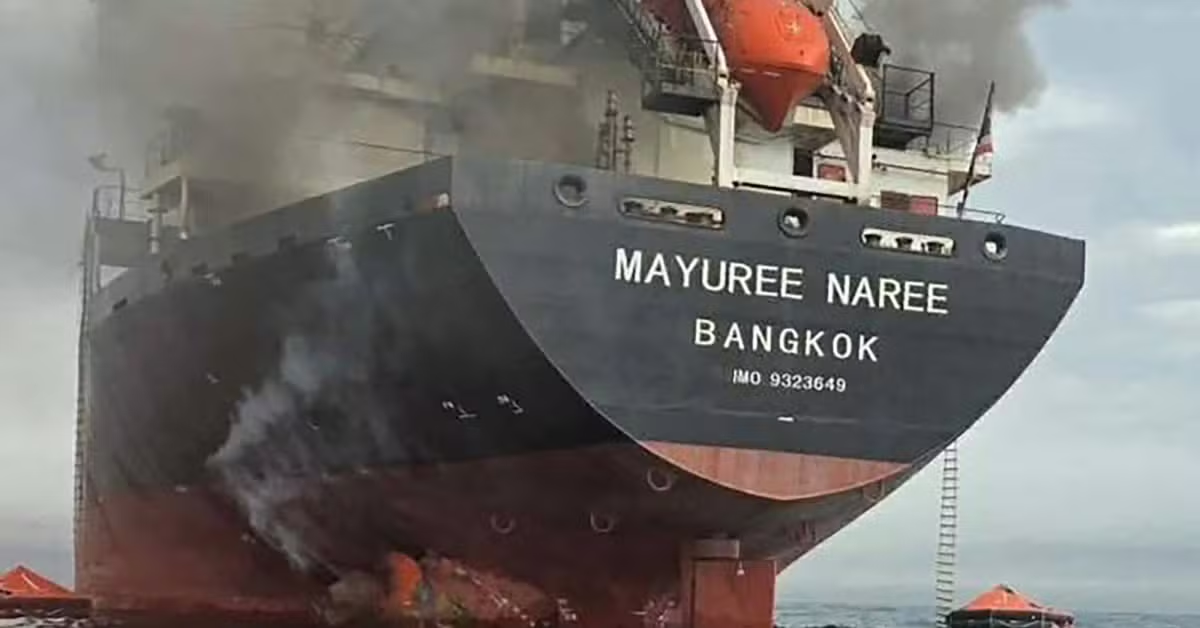
US-Iran war leaves vast oil slicks across Persian Gulf, threatening lasting marine damage
Summary
- The war between the United States and Iran began on 28 February 2026 and has made the Strait of Hormuz, a key oil shipping route, a battlefield.
- Greenpeace has documented more than 500 oil spills by satellite since the war began, with a cumulative footprint of roughly 20,000 square kilometers.
- More than 133 tanker attacks have occurred since the conflict started, with October 2026 the worst month and attacks continuing into November.
- Slicks have contaminated coastlines and threaten coral reefs, mangroves, sea turtles, dolphins and fishing grounds across the Gulf.
- The naval blockade of the Strait of Hormuz makes documenting pollution from the ground almost impossible, and some regional researchers have been told not to speak publicly.
- The Gulf's shallow, confined waters already face severe pressure from the climate crisis, raising fears of damage lasting decades.
Reactions
- Marine biologist Bernhard Riegl warned the damage could be generational, saying 'we could really lose something irreplaceable'.
- Riegl said 'there is no such thing as a clean war', for people or for the environment.
- Greenpeace expert Nina Noelle said oil could stay trapped in sediments and mangrove roots long after slicks disappear, harming food chains and fishing communities.
- After the Gem No 2 strike, the United Arab Emirates closed beaches, launched a major cleanup and monitored its desalination plants.
- Environmental researcher Wim Zwijnenburg of Pax said two Iranian naval vessels hit in March kept leaking oil for months.
- Some researchers and environmentalists in Iran and Gulf states said domestic authorities instructed them not to speak publicly about the damage.
Timeline newest first
Attacks on oil tankers continued into November 2026 in the Strait of Hormuz and surrounding waters.