MoD writes to 50,000 veterans as reservists told to be ready for call-up
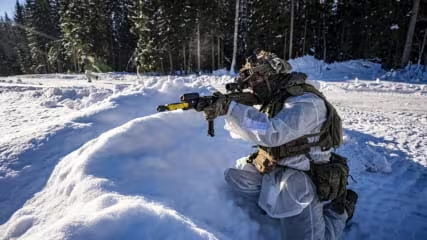
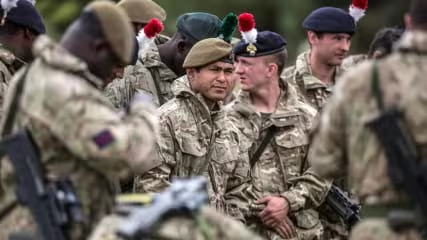
The Ministry of Defence has sent letters to 100,000 reservists telling them to be ready for call-up. The letters, signed by the heads of the army, navy and RAF, are the first of their kind since the Cold War.
Military chiefs have also written to around 50,000 veterans, asking their readiness to fight and giving the Ministry of Defence a database of skills and experience it could draw upon in an emergency. Around 5 per cent of the UK's two million former personnel are liable to be recalled to the Armed Forces in an emergency. The Strategic Reserve would form the third wave of troops in wartime, most likely deployed to plug gaps in the full-time forces and the volunteer reserve, and could also be used for homeland defence.
The letters, published online, ask veterans to update the information the Army, Navy and RAF hold on them, and anyone who believes they have a Strategic Reserve liability is urged to contact their former service. That liability ends at the age of 55 and will rise to 65 when the Armed Forces Bill becomes law at the end of the year. Letters sent to former reservists also offered opportunities to volunteer for training and exercises.
The Ministry of Defence has sent letters to 100,000 reservists telling them to be ready for call-up.
The letters are signed by the heads of the army, navy and RAF and are the first of their kind since the Cold War.
Military chiefs have written to around 50,000 veterans to ask their readiness to fight and to give the Ministry of Defence a database of skills and experience it could draw upon in an emergency.
Around 5 per cent of the UK's two million former personnel are liable to be recalled to the Armed Forces in an emergency.
The Strategic Reserve would form the third wave of troops in wartime, most likely deployed to plug gaps in the full-time forces and the volunteer reserve, and could also be used for homeland defence.
Letters published online ask veterans to update the information the Army, Navy and RAF hold on them, and anyone who believes they have a Strategic Reserve liability is urged to contact their former service.
Strategic Reserve liability ends at the age of 55 and will rise to 65 when the Armed Forces Bill becomes law at the end of the year.
Veterans minister Calvin Bailey said the Strategic Reserve could help deter Russian aggression and that the letters do not mean reserves are about to be mobilised.
Calvin Bailey said, 'It is simply good housekeeping to make sure we know how to contact those who are eligible and keep up to date on their skills and experience.'
Calvin Bailey said, 'While most Strategic Reserves will never be called to return, they are part of our country's deterrent, helping to prevent conflict every day.'
Former head of the Navy Admiral Lord West said he does not believe the UK has 'a proper Strategic Reserve'.
Former Ministry of Defence official Matthew Savill said, 'We don't really know what parts of the Strategic Reserve look like, where they are, what state they're in and we don't know how much of that we can call upon.'
Vincent Connelly said increasing engagement between veterans and the forces has been 'a long time coming', and forecast that in a crisis veterans who left recently could return to their previous roles while those with outdated skills might serve in homeland defence.
Ed Arnold said building and maintaining better datasets of who is in the Strategic Reserve, and their circumstances and skills, is 'paramount' to calling them up in a crisis.
Ed Arnold warned that many members of the Strategic Reserve may already hold critical roles in the NHS or defence industry, potentially leaving other gaps in wartime.
Ed Arnold said it is unlikely the Strategic Reserve will fit seamlessly into training and exercises next year due to skill fade, and that training for mobilisation is far more likely.
Ed Arnold and Vincent Connelly warned that not all veterans would be happy to be recalled.
Letters sent to former reservists offered opportunities to volunteer for training and exercises.
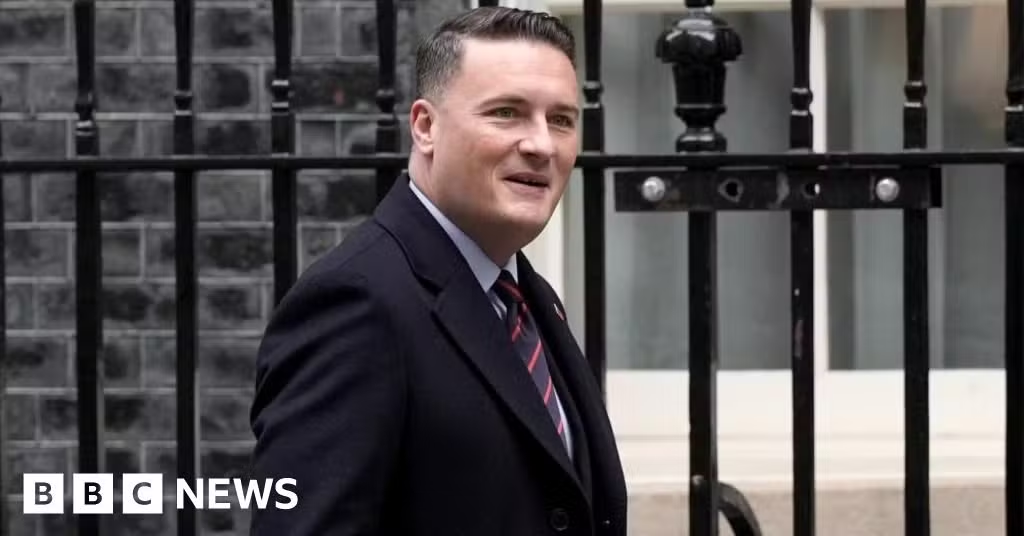
Defence Secretary Wes Streeting said he wants the country to be alert, not alarmed.
Wes Streeting said Russia has waged state-sponsored terrorism across Europe and there have been incidents concerning Iran around RAF bases in the UK, and that the government and the country have to be ready to face down those risks.
Wes Streeting said the more ready the country is, the less likely it is to find itself in a conflict or a war, and that if war came the Ministry of Defence would be criticised if it had not kept its records up to date.

