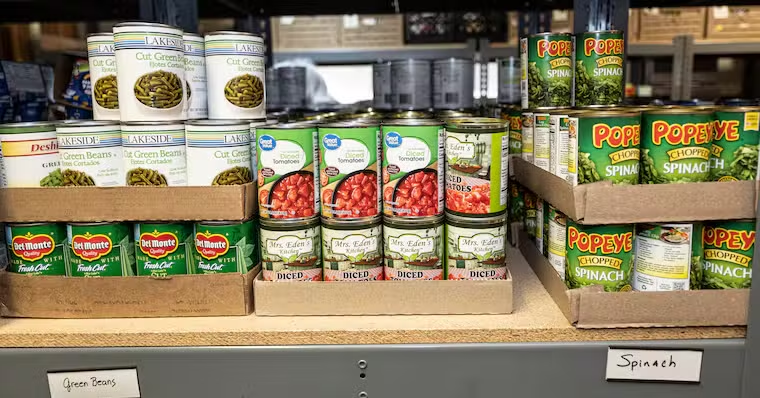
A new rule proposed by the Trump administration plans 'a barrage' of more cuts for SNAP
A Philadelphia Inquirer news report says President Trump's administration quietly proposed a federal rule one week after an election in which Americans blamed Republicans for high living costs that would restrict food assistance for millions of low-income Americans. The rule, published in the Federal Register on 10 November 2026 with 30 days for public comment, would remove SNAP benefits from 6.5 million people nationwide, including 310,000 Pennsylvanians and 52,000 Philadelphians, by restricting broad-based categorical eligibility, capping income at 130% of the poverty line, and disqualifying most recipients who have saved $3,000 or more. It comes on top of cuts that have already removed 5 million people from SNAP since the One Big Beautiful Bill Act was signed in July 2025, and as states began paying 75% of SNAP's administrative costs in October 2026. The proposal revives a 2019 rule Trump abandoned after 158,000 opposing comments and which the Biden-era USDA found unjustified; the White House defends the new rule as a way to cut waste, fraud, and abuse and save $45 billion.
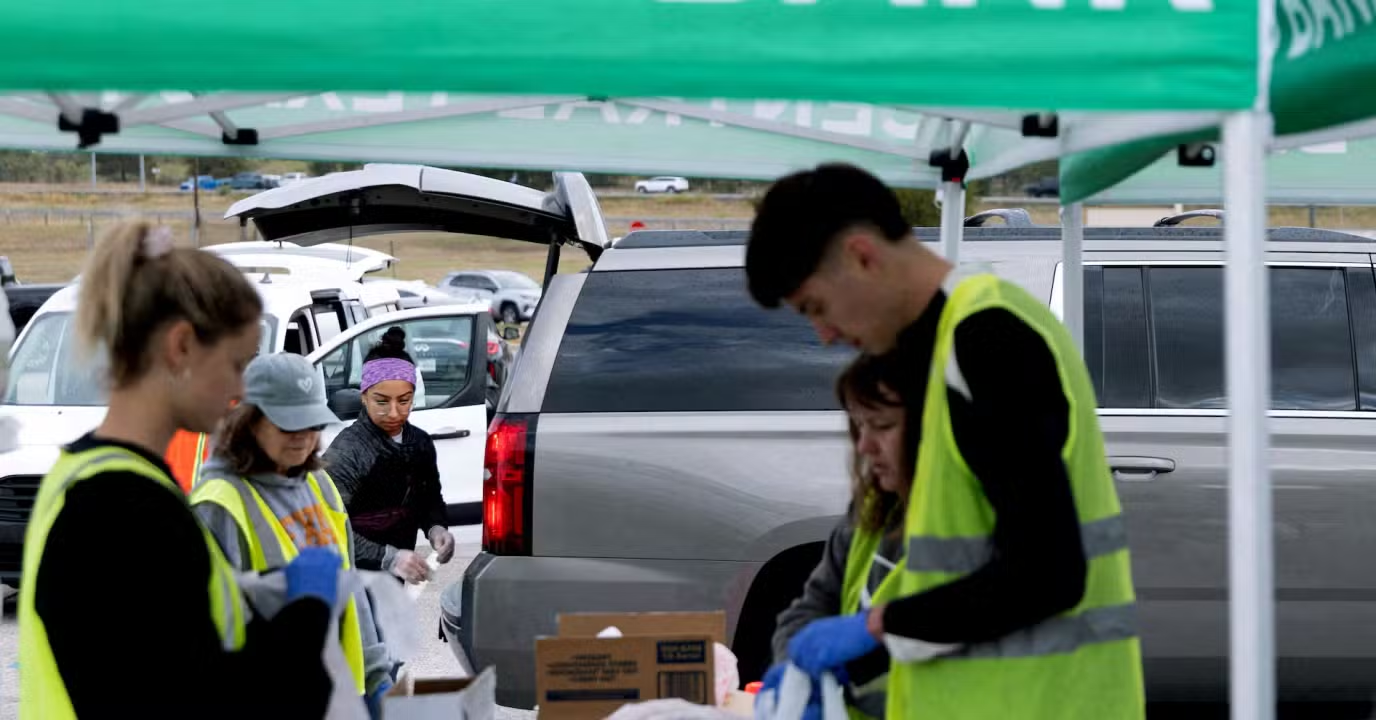
Democrats aim to reverse Trump's slashes to US food aid, but path unclear
A Reuters report says top Democrats pledge to reverse President Trump's cuts to SNAP food aid when they take control of the Senate and House in January, but their path is unclear. More than 5.5 million people have lost benefits since Trump's July 2025 tax law cut the program by $187 billion, about 17 percent, and food banks report high holiday demand. Democrats lack the two-thirds majorities needed to override a veto Trump says he plans, so they would need significant Republican support, and neither Chuck Schumer nor Hakeem Jeffries has offered specific legislative strategies. Over 200 House Democrats have meanwhile urged Agriculture Secretary Brooke Rollins to repeal a proposed rule threatening benefits for 6.3 million people, and new leadership on the Agriculture Committees in 2026 will shape any effort to restore the cuts.

Millions face loss of food aid under new USDA plan
USA TODAY reports on a USDA rule proposed in November 2026 that would end broad-based categorical eligibility for SNAP, limiting automatic eligibility to households receiving cash assistance through Temporary Assistance for Needy Families. The option now lets states raise the income limit and ease the asset test so working families slightly above the cutoff can still get food aid. The USDA estimates roughly 17.6% of SNAP participants, about 6 million people, would lose benefits by October 2028, and 1.8 million children could lose automatic access to school meals, cutting federal spending by close to $45 billion between fiscal 2027 and 2031. A department spokesman called it an overdue fix to a loophole that has added millions to the rolls, but Democrats in both chambers and anti-hunger advocates say the change defies congressional intent and comes on top of a 2025 GOP spending bill that already raised state SNAP costs and tightened work requirements.

Proposed change to SNAP threatens free school meals for 1.7 million children
A live page of developing stories reports that a newly proposed Agriculture Department rule would limit the SNAP provision allowing families receiving certain public benefits to qualify automatically for food stamps, a change the department estimates could drop 6.3 million people from the program and that threatens free school meals for more than 1.7 million children, since SNAP recipients are automatically eligible for those meals. Most of the affected children, 1.66 million, would still live in households that qualify but would have to fill out paperwork, and school districts say automatic enrollment helps because many families do not complete it. The Agriculture Department says the change would ensure SNAP goes only to the households that need it most, while nutrition advocates argue it would worsen food insecurity; the public can comment until Dec. 10. The page also covers record flooding along Florida's St. Johns River, which rose to 18.1 feet west of Cocoa as heavy rain kept schools closed and forced boat evacuations; the International Court of Justice's landmark ruling, by 9 votes to 6, that Myanmar committed genocide against the Rohingya in its 2017 military operations, the first time the U.N.'s top court has found a state violated the 1948 Genocide Convention; Van Gogh's 'Châtaigniers en fleurs' fetching a record $190.4 million at Sotheby's after a last-minute agreement with the heirs of its former Jewish owners, who said the family sold the painting under Nazi persecution; the overwhelmingly male U.S. delegation traveling with President Donald Trump to China, after all cabinet members who have left his administration have been women; and the National Institutes of Health releasing its final 33 research chimpanzees to the Chimp Haven sanctuary in Louisiana.
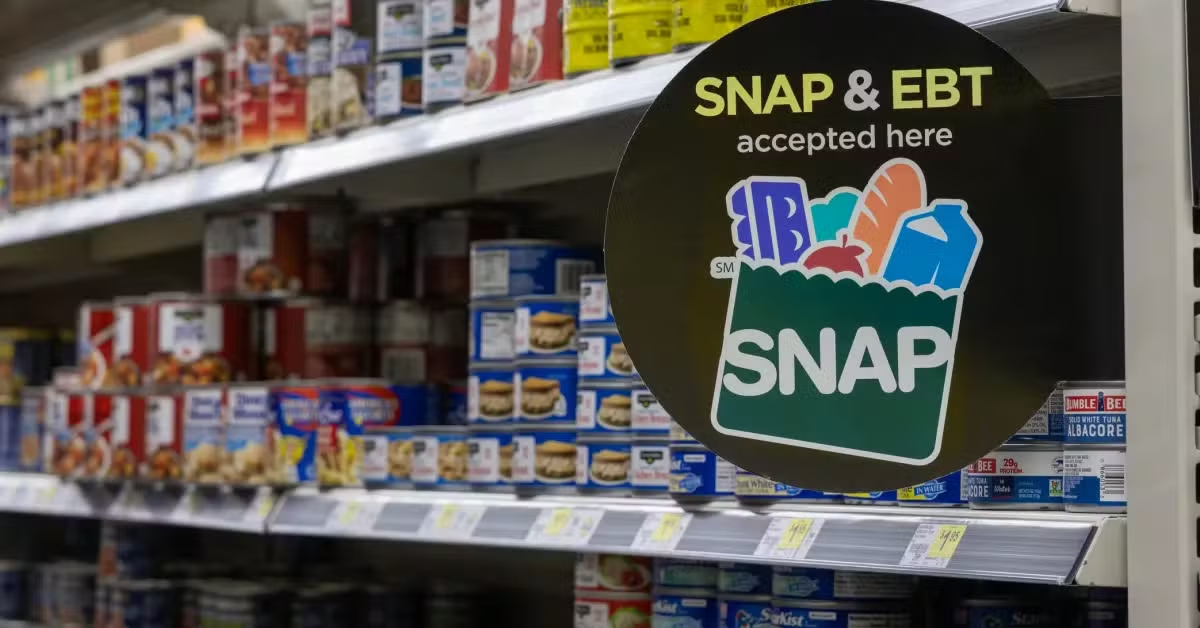
Trump SNAP cuts threaten free school meals in three states, senators warn
In a letter to Agriculture Secretary Brooke Rollins, eleven Democratic senators led by Michael Bennet, Ben Ray Luján and John Fetterman urge the USDA to withdraw a proposed rule that would stop certain noncash benefits from automatically qualifying households for SNAP. They warn the change could hit free school meals in Colorado, New Mexico and Pennsylvania, since children whose families receive SNAP are automatically eligible for school meals and the count of such children drives federal reimbursements under the Community Eligibility Provision. The USDA estimates about 1.78 million children nationwide would lose automatic certification, though most could still qualify through other routes and some families would face extra paperwork. The proposal is not finalized, with public comments open until December 10, and the administration argues the changes would ensure benefits go to households that meet federal eligibility requirements.
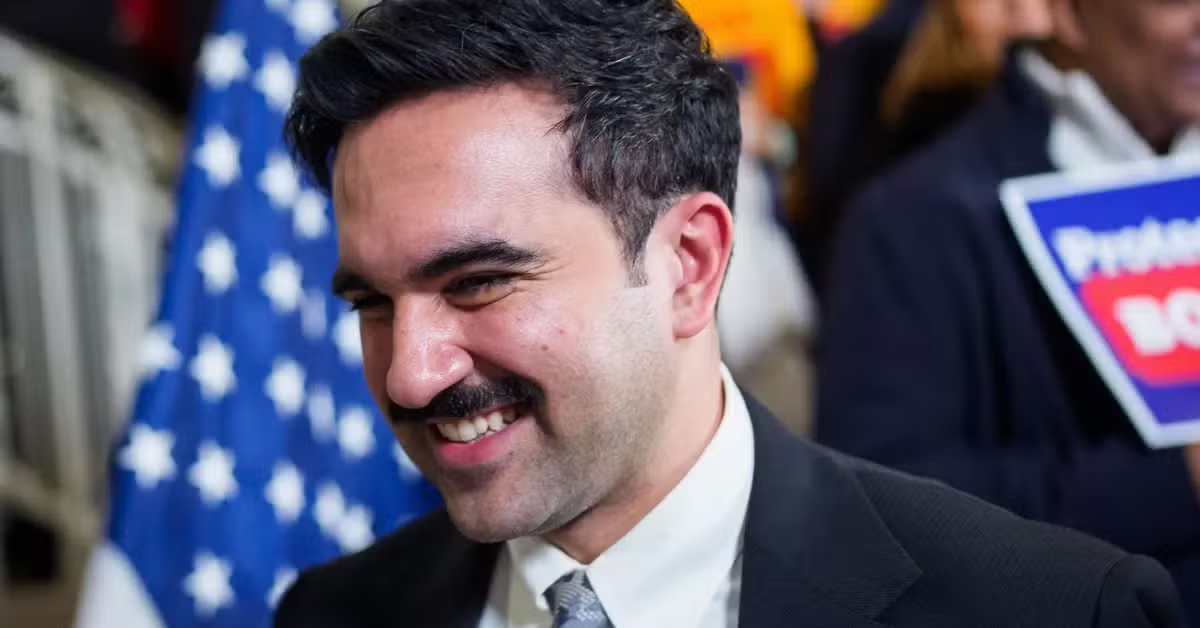
Mamdani Announces Major SNAP Win After Conversation With Trump: ‘And He Agreed’
HuffPost reports that New York City Mayor Zohran Mamdani announced on X that he spoke with President Trump and won an agreement to give small business owners across America at least a 90-day extension to comply with new SNAP rules. The rules, part of the One Big Beautiful Bill Act Trump signed, require retailers to stock at least seven varieties of food staples by Nov. 4 to keep accepting food stamps, which some 42 million Americans rely on. Mamdani had written Agriculture Secretary Brooke Rollins asking for a six-month delay, arguing that thousands of New York City corner stores depend on SNAP revenue, which accounts for up to 20% of a typical bodega's sales. At a press conference he called the deal a victory, said he merely explained the situation to Trump, and thanked the president for delivering relief to small business owners.

