Ofgem raises energy price cap 26% to £2,166 a year from January
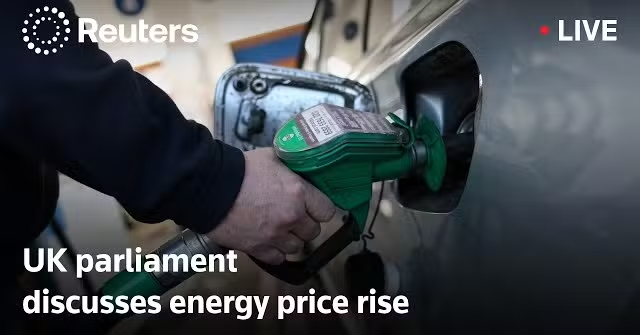
LIVE: UK parliament discusses energy price rise
youtube.com· 26h
Energy price cap: The Iran war is being blamed for raising bills - here's why
bbc.com· 47h
UK household energy bills to soar 26% from January
ft.com· 2d
Energy bills in Great Britain to rise 26% in January, lifting annual bills over £2,000
theguardian.com· 2d
Households braced for soaring energy bills with new price cap to be announced
British energy price cap set to increase to over £2,000 in January
Energy bills forecast to go up by £443 a year from January as UK inflation rate rises again
Energy regulator Ofgem has set the UK price cap so that about 22 million households in Great Britain pay an average of £2,166 a year for gas and electricity from January, up from £1,723 under the current cap. The 26% rise is the highest price cap increase in almost four years.
Ofgem put the rise down largely to the conflict in the Middle East, estimating that about £404 of the £443 annual increase was due to higher wholesale natural gas prices, which it said had made no contribution in the latest period. Wholesale price increases have not been seen on this scale since the first winter after Russia's invasion of Ukraine, leaving the average household almost £600 a year worse off than before the Middle East crisis began. Suppliers' trade body Energy UK said the average price of gas was 166% higher than before the war in Iran began, with suppliers having bought ahead at steeply higher prices while storage levels were low.
The government is cutting 5% VAT from electricity bills, saving a typical household about £45 a year, and paying a £150 warm home discount to six million households on benefits this winter. A £100 support payment will go automatically to homes in council tax bands A to D in England, with equivalent payments in Scotland and Wales.
On 26 November, energy under-secretary Polly Billington gave a statement to the UK parliament as MPs debated the rise.
Energy regulator Ofgem was scheduled to announce the new UK energy price cap on Wednesday 25 November.
Researchers at consultancy Cornwall Insight forecast that UK household energy bills would rise by £443 a year from January, taking the annual cap up 26% to £2,166.
Cornwall Insight also forecast a one-off £100 government payment to 20 million homes in January to help with costs.
Cornwall Insight's Craig Lowrey said government support 'can only chip away at the edges of a bill that continues to be pushed up by events in the Middle East'.
Chief secretary to the Treasury Emma Reynolds said the UK government was providing help for households with energy costs.
About 20 million households in England, Scotland and Wales are on variable energy tariffs set by Ofgem's price cap, while households on fixed tariffs will be unaffected until those deals expire.
The government will cut 5% VAT from electricity bills, saving a typical household about £45 a year, and will pay a £150 warm home discount to six million households on benefits this winter.
The £100 support payment will be made automatically to homes in council tax bands A to D in England, with equivalent payments in Scotland and Wales.
Suppliers' trade body Energy UK said the average price of gas was 166% higher than before the war in Iran began, with suppliers having bought ahead at steeply higher prices while storage levels were low.
Citizens Advice chief executive Dame Clare Moriarty said the country is 'staring down the barrel of a brutal winter', adding that advisers every day see people whose budgets have been wiped out by years of compounding crises.
Citizens Advice said it was bracing for a wave of people seeking emergency help this winter because they cannot top up prepayment meters.
Centrica chief executive Chris O'Shea said he is 'hugely concerned' about the January rise in prices, and that there is a 'massive problem' with people not paying their bills.
Energy UK forecast that total energy debt is likely to rise towards £7bn by the end of the year.
Andrew Sissons of research foundation Nesta forecast that higher energy bills would cut household spending on everything else, with a knock-on effect across the economy.
Ofgem set the price cap so that about 22 million households in Great Britain pay an average of £2,166 a year for gas and electricity from January, up from £1,723 under the current cap.
The rise follows an increase in wholesale prices not experienced since the first winter after Russia's invasion of Ukraine, leaving the average household paying almost £600 a year more than before the Middle East crisis began.
Cornwall Insight forecast a further small rise in energy bills in April.
Ofgem said the 26% price cap rise was largely down to the conflict in the Middle East, estimating that about £404 of the £443 annual increase was due to higher wholesale natural gas prices, and that those costs had made no contribution to the rise in the latest period.
Energy under-secretary Polly Billington gave a statement to the UK parliament as MPs debated the 26% price cap rise.
The 26% rise was reported to be the highest price cap increase in almost four years, attributed to surging wholesale gas prices caused by the conflict in the Middle East.

