
Keisha Lance Bottoms says Democrats better spend big on the South
In a Politico interview, Georgia's governor-elect Keisha Lance Bottoms says the 2026 midterm results have spoken for themselves in showing the Democratic Party needs to invest more in the South. She points to her own win, the first for a Democrat in Georgia's governorship in more than a quarter-century and the first time a Black woman was elected governor in the United States, along with Ossoff's reelection, the flip of the Georgia state House, and Senate wins in North Carolina, South Carolina, and Mississippi. She says the numbers to flip the Mississippi Senate seat have been there for a while but the investment has not. Her campaign was a lean, shoestring operation, she says, in contrast to Republican Rick Jackson, who spent nearly $200 million of his own money, and she says that in two years Democrats should not have to beg and borrow to run successful campaigns in the South. She says the national party should trust that nobody knows their community and electorate better than the people living it every day.
Democrats won big. Now they’re arguing about why.
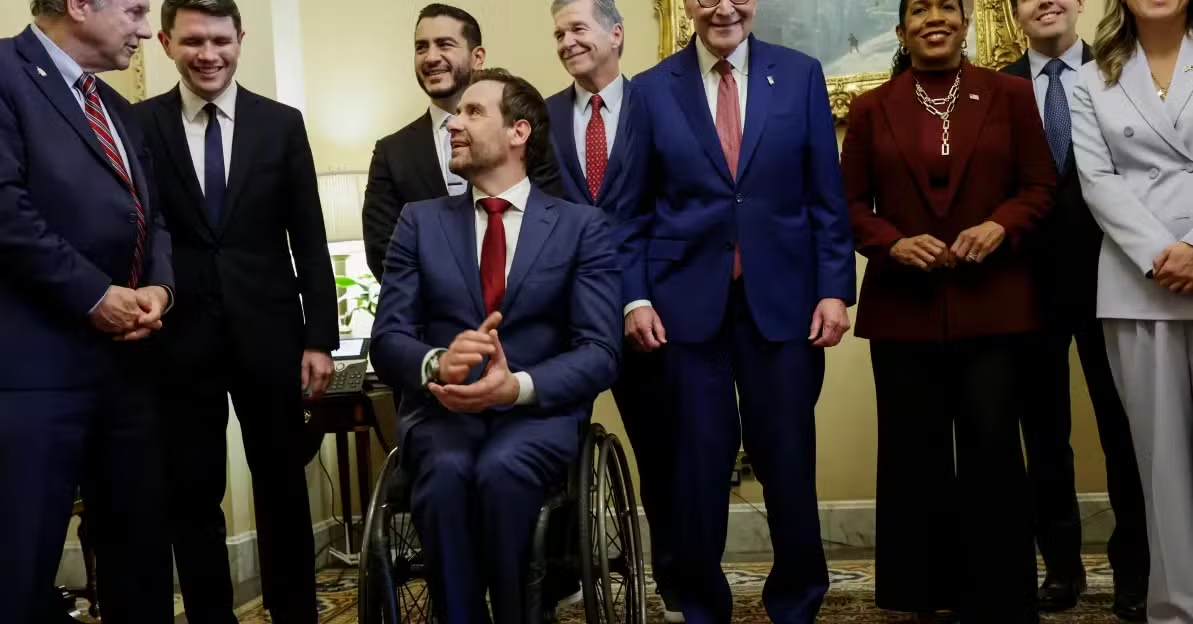
A Vox politics article by Andrew Prokop reports that Democrats won the 2026 elections by a large margin, and prominent progressives and moderates barely paused before claiming the results vindicated their theories of what voters want and where the party should go. Moderates note that Democrats who flipped key Senate states distanced themselves from the left on some issues and that solidly progressive candidates won by less impressive margins, urging a limited focus on the cost of living. Progressives counter that winning candidates, even in red states, embraced economic populism criticizing billionaires and corporations, and argue only major structural economic reforms can satisfy voters. Prokop writes that the battle carries high stakes, as Democratic leaders must decide whose case is more persuasive in shaping the party's governing agenda.

'A short term loan': Democrats weigh how to ride blue wave into 2028
USA TODAY reports that after Democrats' huge gains in the Nov. 3, 2026 elections, which gave the party control of Congress in 2027 and a Pennsylvania trifecta, its lawmakers, governors and potential 2028 candidates met in Denver to argue over how to build on the win. Many warned the victory is not a mandate: Sen. Ruben Gallego called it 'a short-term loan,' and Pete Buttigieg said Democrats 'did not win because America suddenly fell in love with the Democratic Party.' At the gathering, Sen. Chris Van Hollen announced a challenge to Sen. Chuck Schumer for Senate Democratic leader, while the host, Majority Democrats, drew progressive pushback for being funded by two billionaire families, and protesters outside demanded the party 'chuck Chuck.' The party remains split on health care, Israel and the filibuster, and divided over whether to work with President Trump or send him bills regardless, with a stated goal of a 60-seat Senate supermajority and taking back the White House in 2028.
Democrats Want Their Party to Rethink Its Southern Strategy
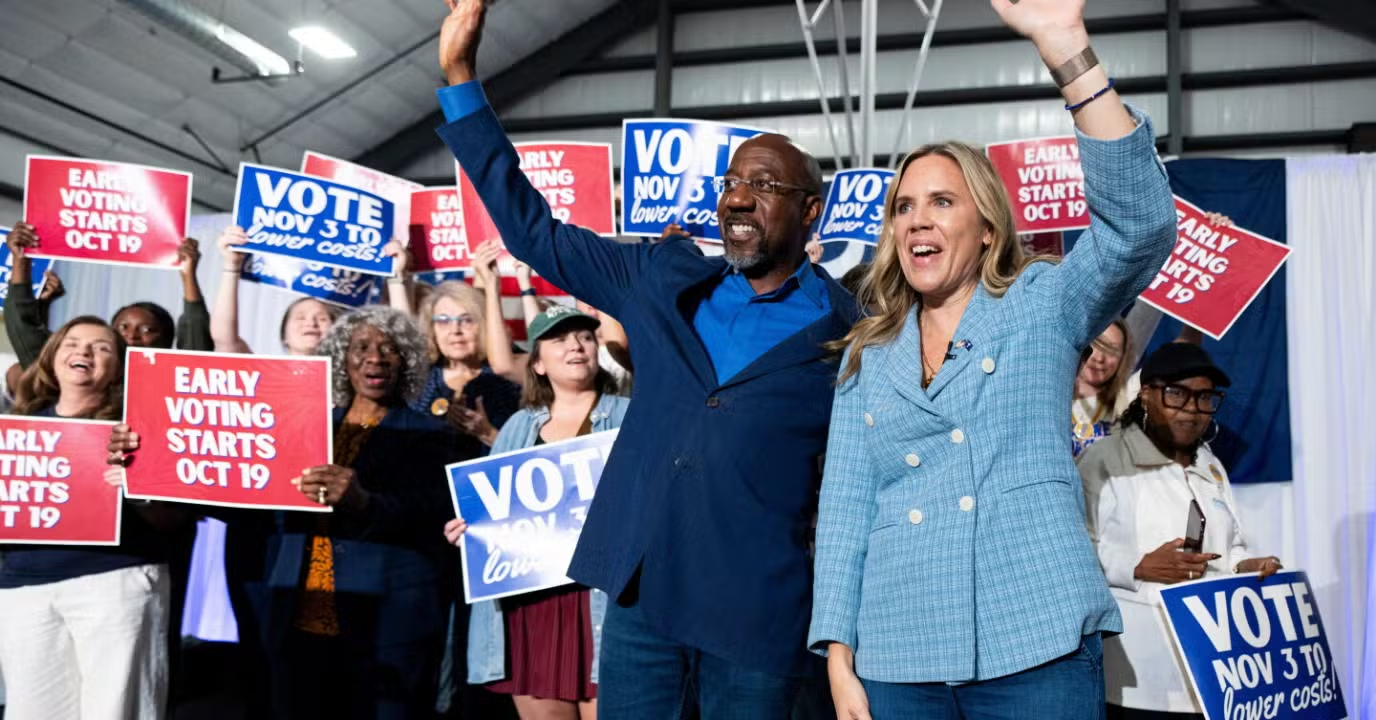
Democrats came close to upsets or won races across the Deep South in the 2026 midterms, and the results are prompting the party to rethink a strategy that long focused on Rust Belt states. Scott Colom led Mississippi Senator Cindy Hyde-Smith by about 2,000 votes by Friday afternoon, Annie Andrews flipped a South Carolina Senate seat, and Democrats made gains in South Carolina, North Carolina and Georgia. Senator Raphael Warnock calls the results 'proof of concept' that Democrats need to upend their approach to the South, and party groups are already shifting money: Senate Majority PAC put at least $1.2 million into Mississippi late in the race, the DNC created a Southern States Resource Hub, and Justin Pearson, who lost a Tennessee House race by one point, says there is no way to House or Senate majorities without the South.

