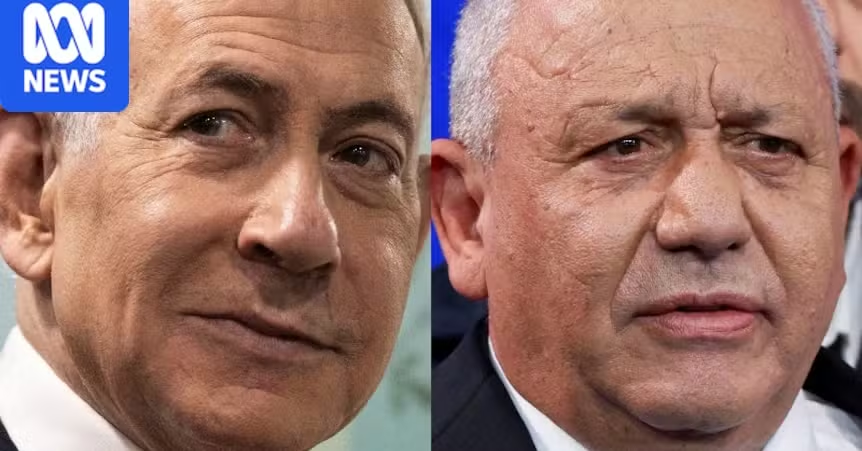
Eisenkot invites Netanyahu's party to Israeli coalition talks
Former military chief Gadi Eisenkot, tasked with forming Israel's next government, has invited Benjamin Netanyahu's right-wing Likud party to coalition talks, with a first meeting set for Sunday. He has until December to form a government after October's election left neither bloc with a clear majority, and his own anti-Netanyahu camp is divided over alliances with ultra-Orthodox and Arab-majority parties or a unity deal with Netanyahu's bloc. His Yashar party says the invitation reflects a genuine commitment to the broadest possible government, and he vows not to let talks drag on, with a minority national emergency government as a fallback if a broad coalition fails. Naftali Bennett, a key figure in his camp, says his party will not join Netanyahu's bloc under any circumstances.
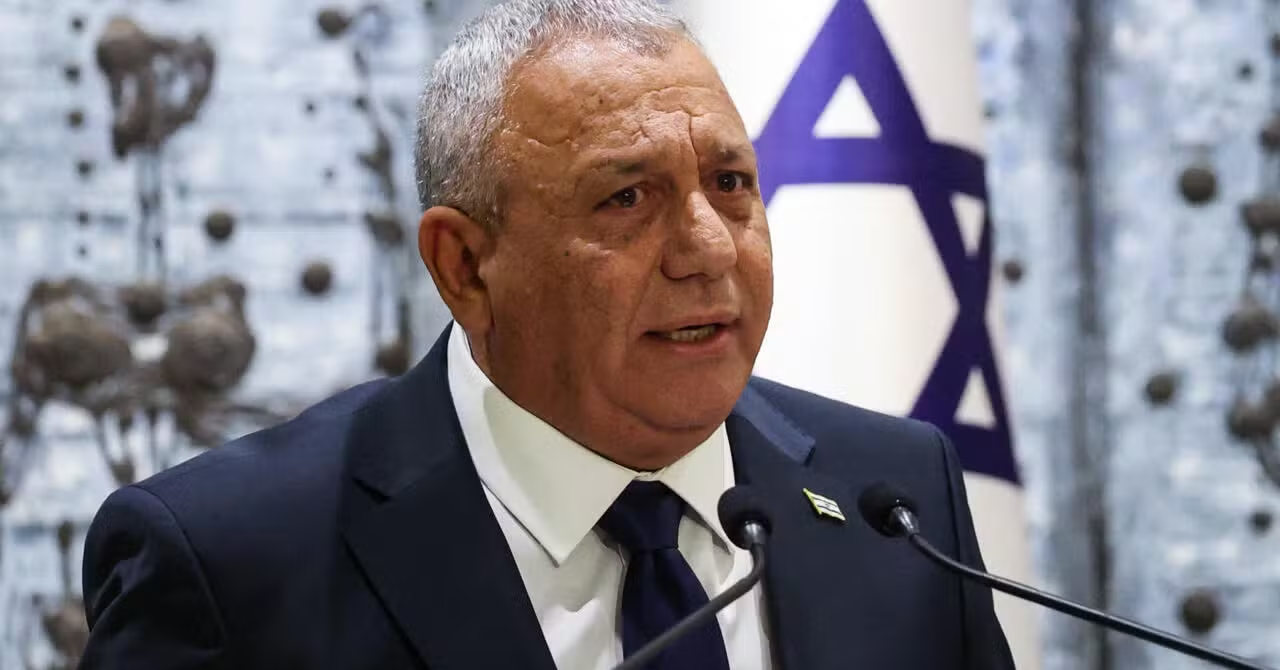
Israël : Gadi Eisenkot invite le parti de Benjamin Netanyahu à des négociations de coalition
France 24 reports that centrist Gadi Eisenkot, tasked with forming Israel's next government, invited outgoing Prime Minister Benjamin Netanyahu's Likud party to coalition talks beginning Sunday 22 November, a day after his party announced the invitation. Neither Eisenkot's camp nor Netanyahu's won an absolute majority in the late-October elections, leaving Eisenkot's bloc with 48 Knesset seats against the 61 needed, and until December to form a government. He says he is open to governing with Likud members but has ruled out a coalition led by Netanyahu, and his bloc remains split between the ultra-orthodox, a pact with the Arab parties, or a national unity government. Party statements call the talks a commitment to the broadest possible government, while former Prime Minister Naftali Bennett says his party will refuse any alliance with Netanyahu in any circumstance.
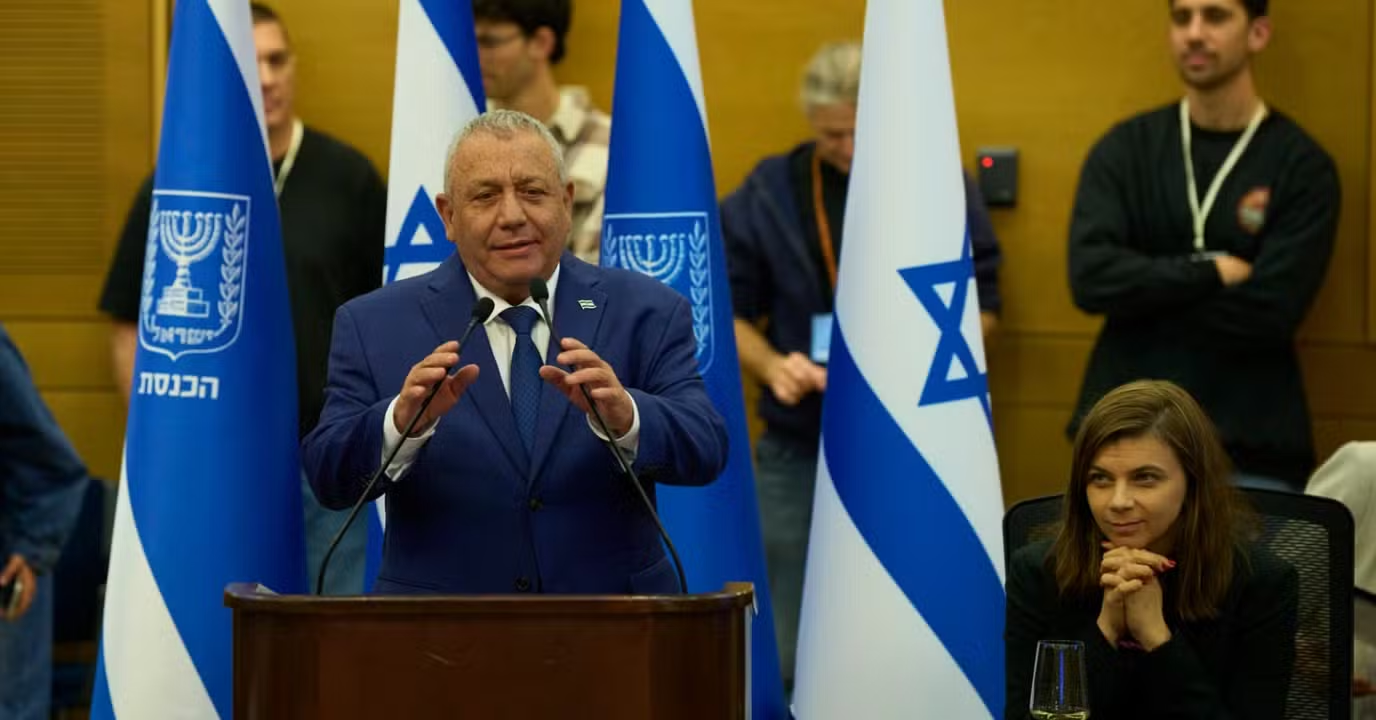
Israël : Gadi Eisenkot invite le parti de Benyamin Nétanyahou à des négociations de coalition
A Le Monde news report with AFP covers Gadi Eisenkot, the centrist tasked after the legislative elections with forming Israel's next government, whose party Yashar! announced on Saturday 20 November that it had invited outgoing prime minister Benyamin Netanyahu's Likud party to coalition talks starting the next day. The election left neither camp with an absolute majority, and Eisenkot's bloc holds 48 of the 61 Knesset seats needed, leaving him weighing an alliance with the ultra-Orthodox, a pact with the Arab parties, or a national unity government with Netanyahu. Eisenkot says he is open to governing with Likud members but rules out a coalition led by Netanyahu, and Naftali Bennett of his camp vowed his party would refuse any alliance with Netanyahu, whom he will make sure is not the next prime minister. Eisenkot said he wants no dragged-out negotiations and is ready to put a minority government to a vote in Parliament.

Palestine Weekly: Israel’s political reshuffle as the occupation grinds on
Al Jazeera's Palestine Weekly reports that power in Israel is being rearranged while the occupation grinds on. Prime Minister Benjamin Netanyahu told the new parliament that Arab-led parties 'seek to destroy the Jewish state' and demanded a Zionist unity government, and opposition leader Gadi Eisenkot, whose bloc is angling to lead, has ruled out a government with the Arab parties even though their 19 seats would give him a majority. Israel's attorney general is probing whether Netanyahu's office engineered an election case claiming Arab parties stole the vote. Meanwhile, Israeli attacks killed at least 37 people in Gaza in the week, including six in a strike on the surgery building of Nasser Medical Complex, and settlers attacked whole villages in the occupied West Bank with little to stop them.
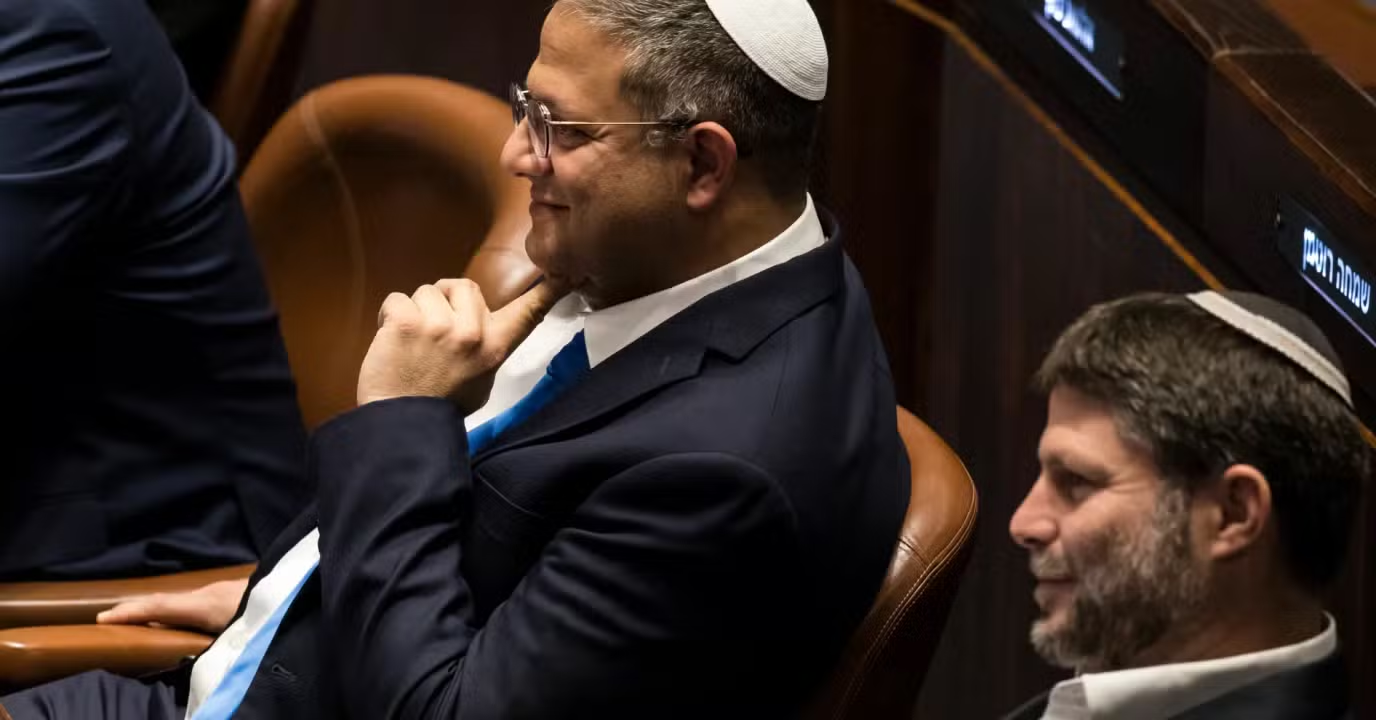
Netanyahu may fall, but his far-right legacy in Israel is going nowhere
An Al Jazeera analysis argues that Benjamin Netanyahu may fall, but the far-right legacy of Itamar Ben-Gvir and Bezalel Smotrich is going nowhere. The two ministers entered his 2022 coalition with key portfolios and turned them into instruments of their hardline projects: Bezalel Smotrich used his finance role to accelerate West Bank settlement, reviving the E1 plan he boasted would bury the idea of a Palestinian state, while Itamar Ben-Gvir reshaped the prison service and is accused of politicising the police. Analysts say ousting them would not dent their movements, which hold the support of about 10 percent of the electorate, and that their changes are personnel, procedures and facts on the ground that reversing would require sustained political will.

