Lawmakers reach deal with automakers on bill banning Chinese vehicles
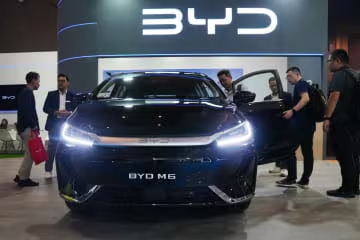
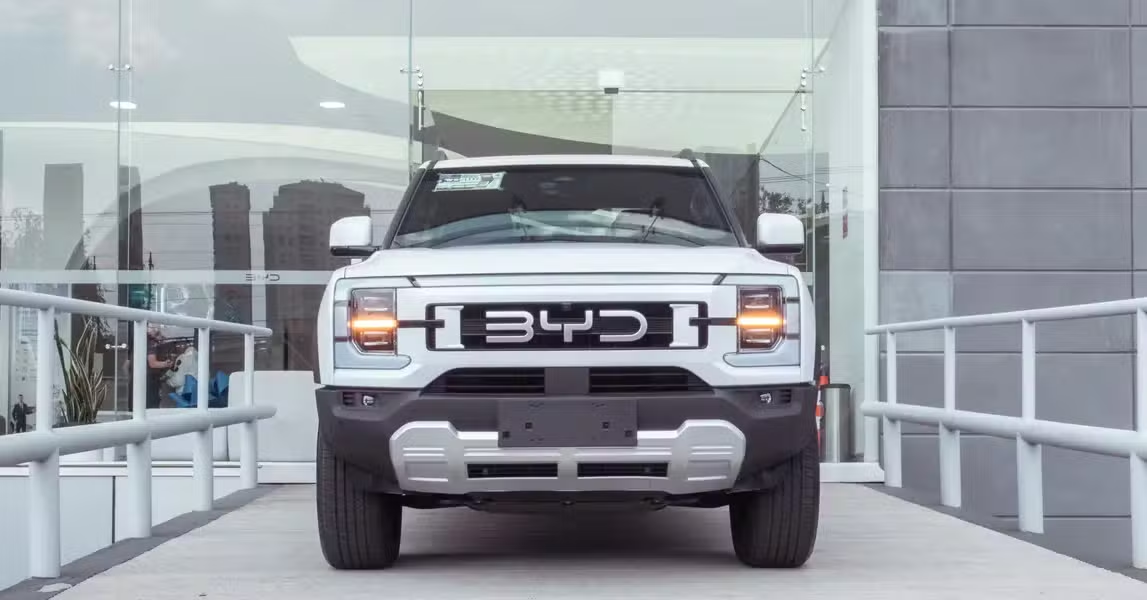
Lawmakers have reached a deal with automakers on legislation banning Chinese vehicles from US roads. The Connected Vehicle Security Act, sponsored by Senators Bernie Moreno and Elissa Slotkin, would bar US sales of cars made with components from adversaries like China and Russia.
The bill gained ground in the closing days of November. On November 23, the 1.3 million-member International Brotherhood of Teamsters urged Congress to pass a permanent ban quickly before it adjourned, while senators and aides were still in talks with House lawmakers seeking a deal. Moreno said that week he hoped the House would vote as soon as the following week, and that the compromise language would ensure Mercedes-Benz is not banned in the United States and would not bar Volvo, which is majority owned by China's Geely Holding. He also said the law would ban Mexican or Canadian residents from driving Chinese-built cars into the United States.
Under the agreement reached by November 26, neither Mercedes-Benz nor Volvo would be blocked from selling cars in the United States, with added flexibility for companies with silent shareholders. Lawmakers agreed to tweak the language to address concerns from several European automakers, their defenders, and Republican Senator Rand Paul, and winning over Paul and Senator Katie Britt, whose state is home to a Mercedes plant, is seen as crucial to passing the bill by unanimous consent voice vote given the end-of-year floor time crunch. The final bill will not cover batteries, focusing only on battery management systems, which should leave Ford's licensing partnership with Chinese battery maker CATL unaffected, and negotiators agreed to a sunset provision after concerns that an indefinite ban could slow decarbonization efforts.
Senate leadership from both parties signaled support for the bill, according to a person familiar with the conversations. Its backers aim to pass it by voice vote in December and are working with House colleagues to fast-track the measure.
The 1.3 million-member International Brotherhood of Teamsters urged Congress on November 23 to quickly pass a permanent ban on Chinese vehicles before it adjourns in the coming weeks.
As of November 23, senators and congressional aides were still in talks with House lawmakers seeking a deal on a permanent law banning Chinese vehicles.
Senator Bernie Moreno said he hopes the House votes on the Chinese vehicle ban bill as soon as the following week, with the Senate quickly following.
Moreno said the compromise language will ensure Mercedes-Benz is not banned in the United States and will not bar Volvo, which is majority owned by China's Geely Holding.
Moreno said the law would ban Mexican or Canadian residents from driving Chinese-built cars into the United States.
Teamsters President Sean O'Brien said in a letter that 'the threat that China poses to our safety, privacy, and competitiveness is massive' and that Chinese automotive companies must not be permitted access to domestic markets, where they can destroy incumbent American businesses.
Senator Bernie Moreno said of the bill, 'We're basically done with the bill,' adding, 'We're not going to let them run over our auto industry.'
Lawmakers reached a deal with automakers on legislation banning Chinese vehicles, the Connected Vehicle Security Act sponsored by Senators Bernie Moreno and Elissa Slotkin, which would ban US sales of cars made with components from adversaries like China and Russia.
Senate leadership from both parties signaled support for the Connected Vehicle Security Act, according to a person familiar with the conversations.
Lawmakers agreed to tweak the bill's language to address concerns from several European automakers, their defenders, and Republican Senator Rand Paul.
Under the agreement, neither Mercedes-Benz nor Volvo would be blocked from selling cars in the United States, and the bill will add more flexibility for companies with silent shareholders, like Mercedes.
Lawmakers will not include language on batteries in the final bill, keeping batteries out of the covered components and focusing only on battery management systems, which should leave Ford's licensing partnership with Chinese battery maker CATL unaffected.
Negotiators agreed to include a sunset provision for the vehicle ban after lawmakers expressed concern that indefinitely banning Chinese cars could slow decarbonization efforts.
The bill's backers aim to pass the Connected Vehicle Security Act by voice vote in December and are working with House colleagues to fast-track the measure.
The Alliance for Automotive Innovation said it is 'very supportive' of the bill.
A Mercedes-Benz spokesperson declined to comment on whether a deal was reached but said the company 'applauds the constructive discussions with key U.S. lawmakers including Senator Moreno, Senator Slotkin and [Senate Commerce Committee] Chairman [Ted] Cruz.'
A Volvo Cars spokesperson said the company has 'specific authorization to continue to sell connected vehicles in the U.S.' and is actively engaged with policymakers on the legislation's potential business and consumer impacts.
A person familiar with the discussions called the effort 'a freight train that's moving,' saying 'Slotkin and Moreno are putting people in rooms to make this stuff happen.'
Winning over Senators Rand Paul and Katie Britt, whose state is home to a Mercedes plant, is seen as crucial to passing the Connected Vehicle Security Act by unanimous consent voice vote given the end-of-year floor time crunch.