Natural England objected to a datacentre. Weeks later ministers threatened to abolish the agency
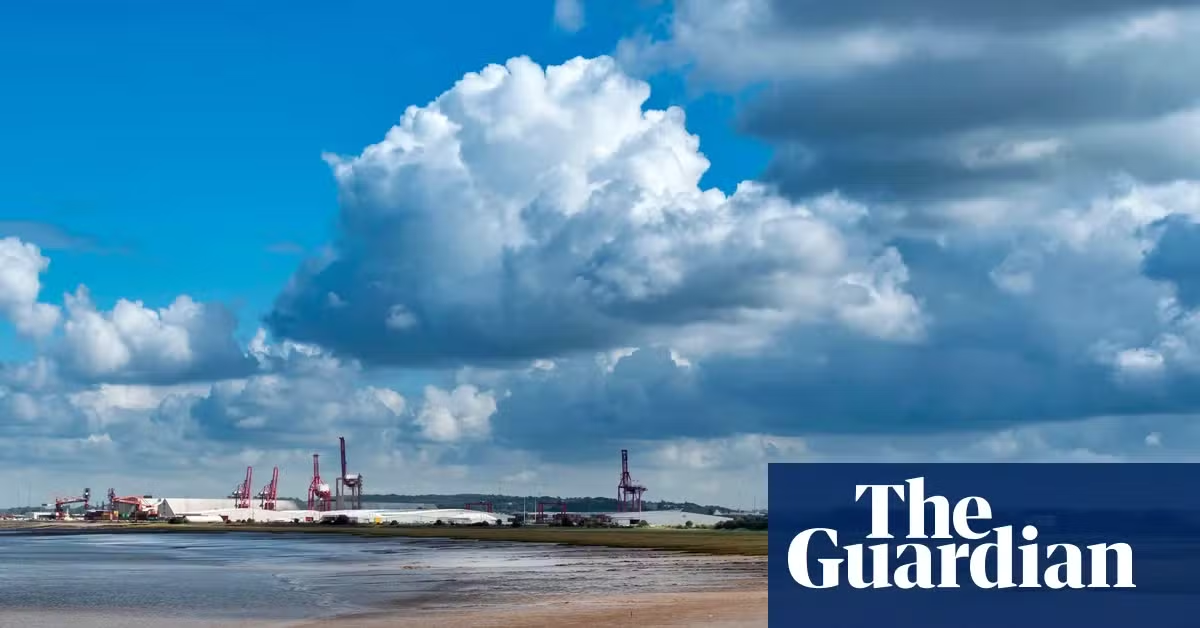
The Guardian reports that Natural England objected to a 40MW AI datacentre at Avonmouth, near Bristol, weeks before the government threatened to abolish the independent environmental adviser. The agency had urged Bristol city council not to grant permission because of threats to protected wildlife at one of the UK's most important sites for migratory birds, 600 metres from the site, while the Environment Agency, also threatened with abolition by de facto deputy prime minister Louise Haigh, objected over flooding risk on a high-risk flood plain. In the week the article was published, Haigh blamed quangos including Natural England for blocking development, saying the bodies could be scrapped with their duties handed to ministers or devolved, but government sources say the Avonmouth objection and the agency's precautionary stance on datacentres did not influence her announcement. Ministers are pushing AI datacentres as key to economic growth, and more than 300 planned ones are queuing for grid connections, representing 73GW of demand, nearly double the UK's peak winter energy demand. Developer Rivington Energy says it acknowledges the agencies' feedback and is preparing further environmental studies, while the Wildlife Trusts' Craig Bennett calls the threatened abolition a worrying attack on environmental regulation.
Abolishing Natural England would be travesty, say campaigners
Campaigners warn that plans reported by the Guardian to abolish Natural England in a Labour quango cull would be a travesty, since its ecologists carry the legal duty to scrutinise political decisions that could bulldoze rare habitats. The warning is sharper because ministers had built their new planning reforms around the same body, telling environmental groups its scientific expertise would make the changes a 'win, win' for nature and growth, and even assigning it to spend hundreds of millions of pounds of developer levies on offsetting habitat damage. According to the government's own analysis there is almost no evidence that nature protections obstruct development, and it is unclear what would replace the regulator, though it could be folded into Defra, where lawyer Alexa Culva of RSK Wilding says its independence and statutory duty would immediately be lost. Guy Shrubsole says abolishing a body whose forerunner Clement Attlee's government created would make it easier for landowners and developers to trash nature, while most environmentalists say the answer to its weaknesses is to restore its effectiveness, not abolish it.
Natural England could be abolished as part of quango cull, says Louise Haigh
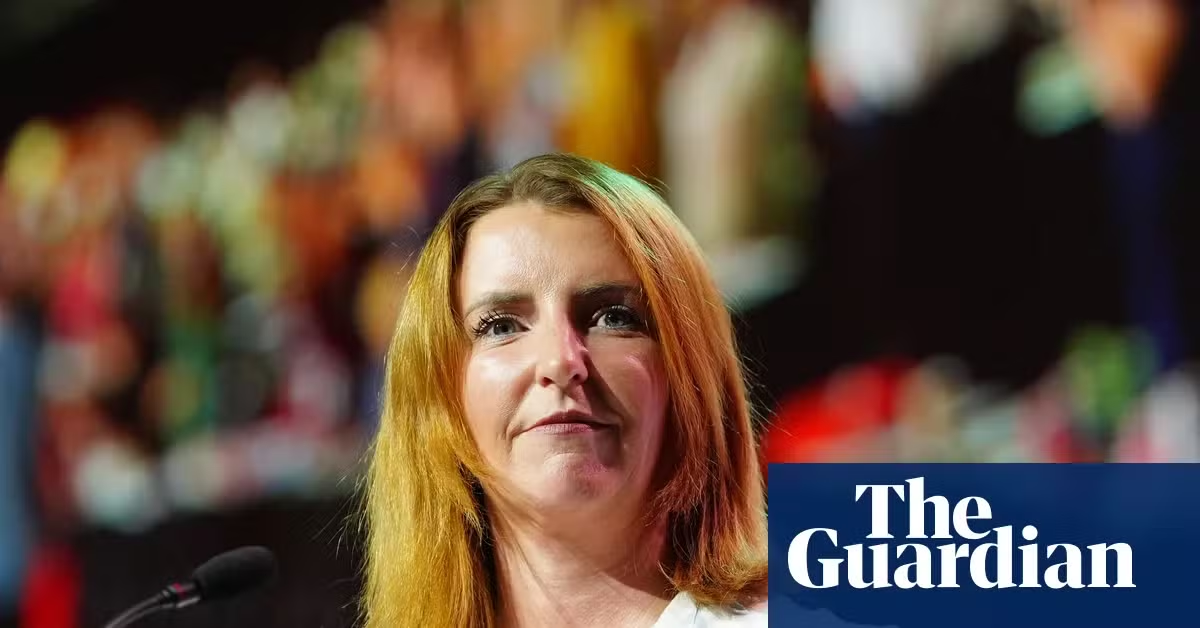
In a Guardian news report, Louise Haigh, the first secretary of state, says the nature watchdog Natural England could be abolished as part of a cull of arm's-length government organisations, arguing that the spread of quangos has made decision-making by ministers more difficult. In interviews she says all arms-length bodies are in her sight, whether devolved, dissolved, or brought back into departments, and the Conservatives had already announced they would abolish Natural England and the Environment Agency to help build more homes. The report judges that removing or curbing the watchdog would likely prompt concern from environmental groups, and Haigh was also to make the case for greater government control of public utilities in a speech to the CBI conference.

Natural England could go in Labour’s bonfire of quangos
The Times reports that Natural England could be abolished in Labour's bonfire of quangos. Louise Haigh, the prime minister's deputy, will tell the CBI of plans to dismantle the regulatory state, calling it a 'hulking, complex behemoth' that 'satisfies no one'.

