
Natsal-4 survey finds Britons having half as much sex as in 1990

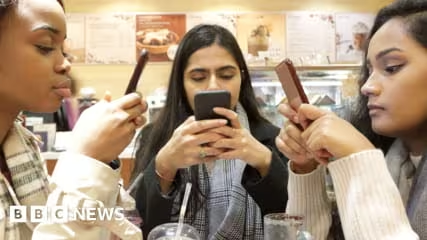

The fourth National Survey of Sexual Attitudes and Lifestyles, which interviewed about 6,700 randomly selected people across England, Scotland and Wales between September 2022 and January 2024, found adults under 45 have sex twice a month on average, down from four times a month in 1990 and three times a month in 2010. The results were published in five papers in The Lancet.
Fewer young people are having sex at all: one in three under-25s report never having had sexual intercourse, a share up from under a fifth in 2010 to 28% of men and 38% of women, and the average age of first sex has risen to 18 from 16 in 2010.
For the first time the survey asked about online sexual behaviour, finding half of 16 to 24-year-olds had sent or received sexual images on their phone in the past year, and 86% of young men and half of young women had viewed pornography. The authors found porn use and masturbation were less common among people who had never had sex, suggesting online activity is not simply replacing in-person sex.
The survey also recorded more same-sex intercourse, particularly among men, and a doubling in the decade before the survey of women aged 16 to 44 who say they do not want children, from 8% to 17%. It does not delve into the reasons for the trends, but researchers are investigating possible factors including less physical socialising and drinking, poorer mental health, longer living with parents, and a surge in digital technology.
Where the story stands now: the survey found 77% of 16 to 59-year-olds reported having sex in the past year, but more than one in four sexually experienced 16 to 24-year-olds with exclusively opposite-sex partners reported behaviours associated with the risk of sexually transmitted infections, including condomless sex with two or more partners in the past year.
The fourth National Survey of Sexual Attitudes and Lifestyles interviewed about 6,700 randomly selected people across England, Scotland and Wales between September 2022 and January 2024, with results published in five papers in The Lancet.
The survey found adults under 45 now have sex twice a month on average, down from four times a month in 1990 and three times a month in 2010.
One in three under-25s report never having had sexual intercourse, with the share rising from under a fifth in 2010 to 28% of men and 38% of women.
The average age at which young people first have sex rose to 18 in the latest survey, up from 16 in 2010.
The survey also recorded more same-sex intercourse, particularly among men, and a substantial drop in the number of young women wanting children, though it does not delve into the reasons for the trends.
Researchers are investigating possible factors including less physical socialising and drinking, shifts in gender identity and sexual norms, poor support for new families, poorer mental health, longer living with parents, and a surge in digital technology.
Soazig Clifton, an honorary senior research fellow at University College London, said the majority of the population are still sexually active, but people in Britain have been having less sex over time, particularly young people in the past decade.
Kaye Wellings said young women today may be more able to call the shots around sex and are not prepared to go along with the frequency or nature of encounters just to please their partner.
Kaye Wellings said there was a time when it was about 'notches on bedposts' but young people no longer have to prove themselves any more.
It was the first time the survey asked about online sexual behaviours, finding half of 16 to 24-year-olds sent or received sexual images on their phone in the year before being surveyed.
Among 16 to 24-year-olds, half of young women and almost nine in 10 young men (86%) said they had viewed pornography, against 37% of all women and 81% of all men in the year before being surveyed.
The Natsal authors found porn use and masturbation were less common among people who had never had sex, suggesting online activity is not simply replacing in-person sex.
Three-quarters of adults reported having sex in the year before being surveyed, the average number of lifetime sexual partners is five, and women reported sex once a month on average against twice a month for men.
One in seven women (14%) reported ongoing upset with others about things done to them in their sexual past, and one in seven men (14%) reported feeling shame about some of their sexual thoughts and desires.
Use of the oral contraceptive pill has declined among young women, and the share of women aged 16 to 44 who say they do not want children doubled in the decade before the survey, from 8% to 17%.
The survey did not ask about AI or virtual relationships with romantic chatbots.
Prof Wendy Macdowall of the London School of Hygiene & Tropical Medicine said it may be tempting to blame screen time for less sex, but many other factors are likely involved, especially for young people.
Prof Wendy Macdowall said rising rates of mental health conditions, the Covid pandemic that stopped people going out, and more open discussion of consent could also mean young people feel better able to decide whether and when to have sex.
The Natsal authors recommended that future surveys should probably ask about AI and virtual relationships with romantic chatbots.
Dr Laura Oakley, a researcher at the London School of Hygiene & Tropical Medicine, recommended that understanding what is driving the trend, whether economic insecurity, climate anxiety or changing life priorities, should be a priority for future research and policy, given its implications for health, care and family services.
The survey found 77% of 16 to 59-year-olds reported having sex in the past year and 89% said they had had sex at least once in their lives.
More than one in four sexually experienced 16 to 24-year-olds with exclusively opposite-sex partners reported behaviours associated with the risk of sexually transmitted infections, including having four or more partners, condomless sex with two or more partners in the past year, or overlapping partners in the past five years.
The London School of Hygiene & Tropical Medicine said in a statement that the sex lives of people in Britain have changed markedly since 1990 and that they have substantial and varied sexual and reproductive health needs.
Dr Otilia Mårdh of the European Centre for Disease Prevention and Control said the proportion of men reporting both same-sex and opposite-sex partners more than doubled, from 0.9% in Natsal-3 to 2.3%.
Dr Otilia Mårdh said this growing population could increasingly bridge sexual networks with different STI risks, and that European surveillance data shows recent increases in syphilis and gonorrhoea among heterosexual populations alongside rising congenital syphilis.
Dr Otilia Mårdh said these trends highlight the need for accessible, stigma-free sexual health services offering prevention and testing tailored to people's needs.

