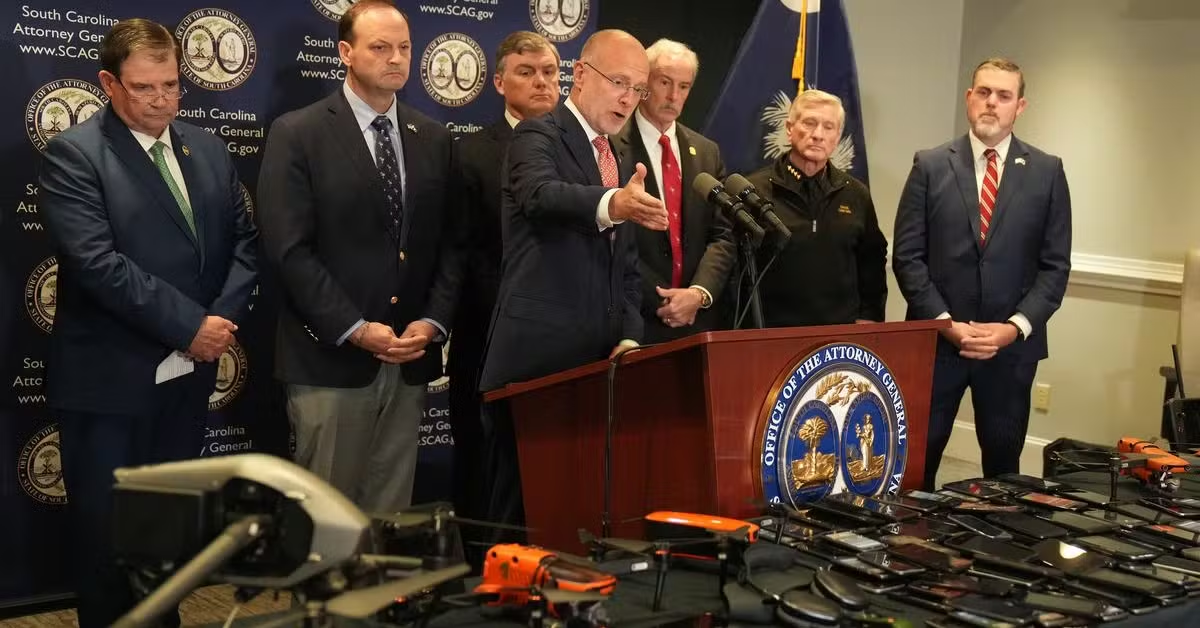
Smartphones transform prison journalism. The FCC wants to jam them
In an opinion column for the Freedom of the Press Foundation, Jeremy Busby argues that contraband smartphones let incarcerated journalists document prison conditions and reach the public, so jamming them would suppress vital reporting. He says that before getting a smartphone in 2019, barriers to information and outside communication made it nearly impossible to verify and report on prison conditions. During the COVID-19 lockdown, he used his phone to document conditions and connect with journalists, whose reporting and film used his footage. Busby suspects the FCC initiative allowing states to jam cellphones is really about censorship, and warns it would deprive incarcerated journalists and whistleblowers of indispensable access.
Prisons get OK to jam contraband phones. CTIA says nearby phones will be jammed too.
Ars Technica reports that the FCC has authorized state and local prisons to use jammers against contraband cellphones, despite warnings that they could disrupt lawful communications beyond prison walls. CTIA says testing found interference with 911 calls and wireless infrastructure, while FCC Chairman Brendan Carr says safeguards will require facilities to show the technology stays within designated areas. Commissioner Anna Gomez joined the vote after safeguards were added, but warned that jamming could endanger public safety and expressed concern that prisons might pass its costs to incarcerated people’s families.

FCC greenlights rule allowing prisons to jam cellphone signals
The Verge reports that the FCC voted unanimously to let state and local prisons use cellphone jammers, which the agency says will help stop crimes carried out with contraband phones. The US Chamber of Commerce and CTIA warned that jamming could disrupt lawful communications outside prisons, including 911 calls. The ACLU has argued that phones can help prisoners document safety and human rights issues.
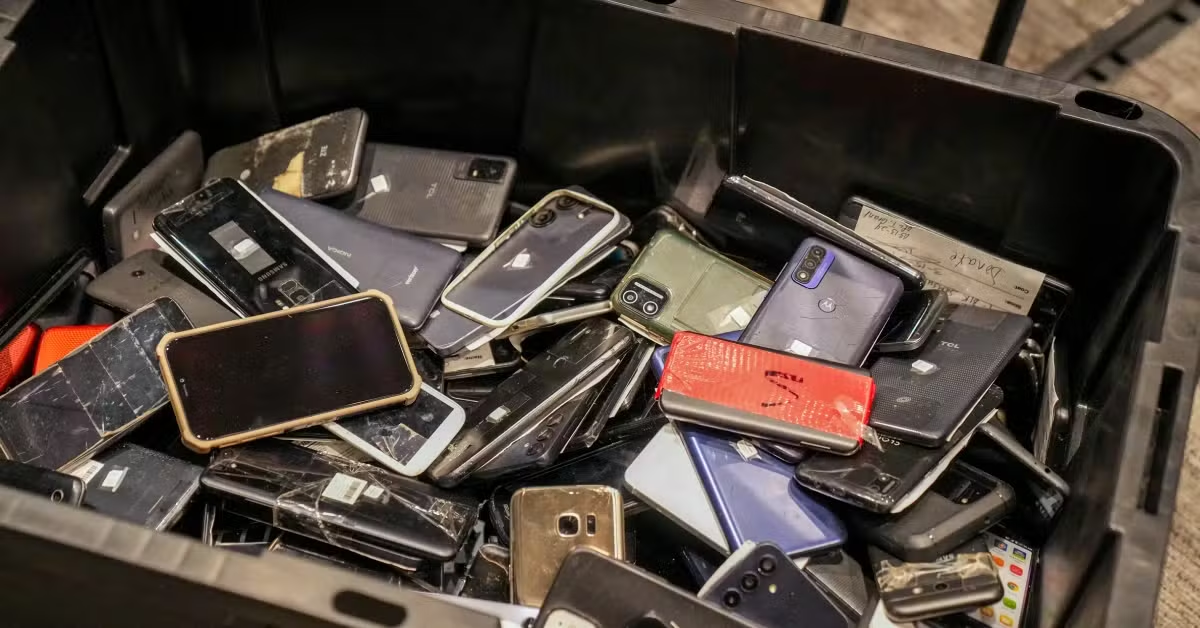
FCC gives state prisons the go-ahead to jam signals from contraband cellphones
The Associated Press reports that the FCC unanimously authorized state prisons to jam signals from smuggled cellphones, giving them an optional tool to curb their use while requiring safeguards against disrupting service outside prison walls. Prisons must conduct multiple tests to check for outside interference and notify officials if jamming devices are moved. Officials say contraband phones enable drug rings, riots and attacks, while inmate-rights groups and telecommunications companies have raised concerns about phone access and interference with legitimate communications.

