
Kraft Heinz bets on protein-fortified versions of classic brands to revive slumping sales
Summary
- Kraft Heinz is reinventing decades-old brands including Kraft Mac & Cheese, Philadelphia cream cheese, and Jell-O around growing consumer demand for protein.
- Steve Cahillane, chief executive since the start of 2026, has put an additional $700 million into the business, hired 400 employees, and paused a planned split of the company.
- The company's revenue has declined in back-to-back years, and analysts project a 1% drop for 2026.
- New products have shown early gains: Kraft Mac & Cheese returned to growth, and Cheesy Ramen sold three months' stock in a week in Canada.
- Kraft Heinz projects a return to top- and bottom-line growth in the second half of 2027.
Reactions
- Steve Cahillane said the mistake before he arrived was the notion of a "forever brand" that can live on its history.
- Cahillane said the company's research team has cracked the code on adding protein to familiar foods.
- Kraft Heinz projected at its Thursday investor day that it would return to top- and bottom-line growth in the second half of 2027.
- Kraft Heinz shares gained 7% in the quarter, outperforming the broader market, though remaining roughly flat for the year.
- Analysts forecast a 1% drop in Kraft Heinz's revenue in 2026.
- Cahillane said the chocolate version of its protein Jell-O pudding will be a real hit.
Timeline newest first
Sources newest first
- From Jell-O to Philadelphia cream cheese, Kraft Heinz is putting a new spin on old favorites
cnbc.com· 46h
CNBC's Jim Cramer interviews Kraft Heinz CEO Steve Cahillane about reviving long-slumping sales by reinventing old brands like Kraft Mac & Cheese, Philadelphia cream cheese, and Jell-O around growing demand for protein. Cahillane, who has put $700 million into the business and paused a planned company split, says a "forever brand" mentality was the company's mistake, and Kraft Heinz projects a return to growth in the second half of 2027.
Background newest first
 A $1,000 Investment in General Mills a Decade Ago Is Now Worth $831, Even With Every Dividend Reinvested
247wallst.com· 7h
A 247wallst.com article by David Beren reports that $1,000 invested in General Mills at the November 2016 month-end close, with every dividend reinvested, was worth about $831 by November 13, 2026, versus $3,423 for the same sum in the S&P 500. It cites fiscal 2026's $18.42 billion revenue drop, $1.75 billion in impairments tied to North America Pet, and management's warnings about stressed consumers, and argues a bull case would rest on $750 million in planned savings and stronger cat food sales.
The Next Wave of Food Inflation Is Coming
wsj.com· 21h
A Wall Street Journal article warns that a second wave of food inflation may be building. U.S. grocery prices rose 0.4% in October 2026, ending months of quiet food inflation, with fresh food rising faster — lettuce jumped 8% — and food costs climbing at the fastest rate in six months, which the article attributes to snarled supply chains, weather, and fuel prices elevated by the Iran war, with retail diesel up more than 66% to a record $6.53. Economists caution one month proves little, but Scotiabank's Olivier Gervais says the worst of food inflation is yet to come, and Kraft Heinz's Steve Cahillane warns price increases across its portfolio are coming in 2027.
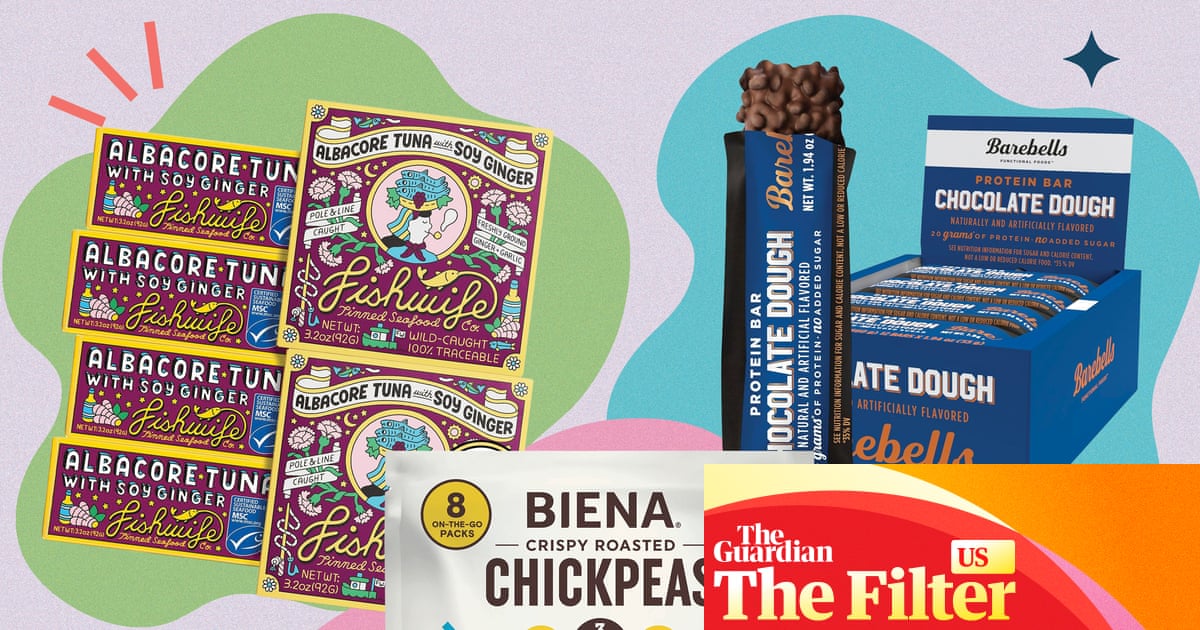 Bars, beans and tins: the best-tasting protein foods we’d buy again and again
theguardian.com· 4d
The Guardian's Filter newsletter rounds up six protein foods it would buy again, drawing on blind taste tests of 12 bars and 10 powders, a summer of tinned fish, and advice from registered dietitians. Standouts include Barebells bars, Aloha's organic bars, Optimum protein powder, Fishwife's soy ginger tuna, Wild Planet sardines, and dietitian-endorsed Biena chickpeas.
 No great shakes: the quest for palatable high-protein drinks
A Guardian feature tastes the growing range of high-protein drinks, from protein beers and sodas to matcha lattes, noting that most adults need just 0.75g of protein per kilogram of body weight daily, achievable through wholefoods. The columnist finds the drinks grim and over-sweet, saying companies are feeding people's sweet tooth under the guise of doing good.
