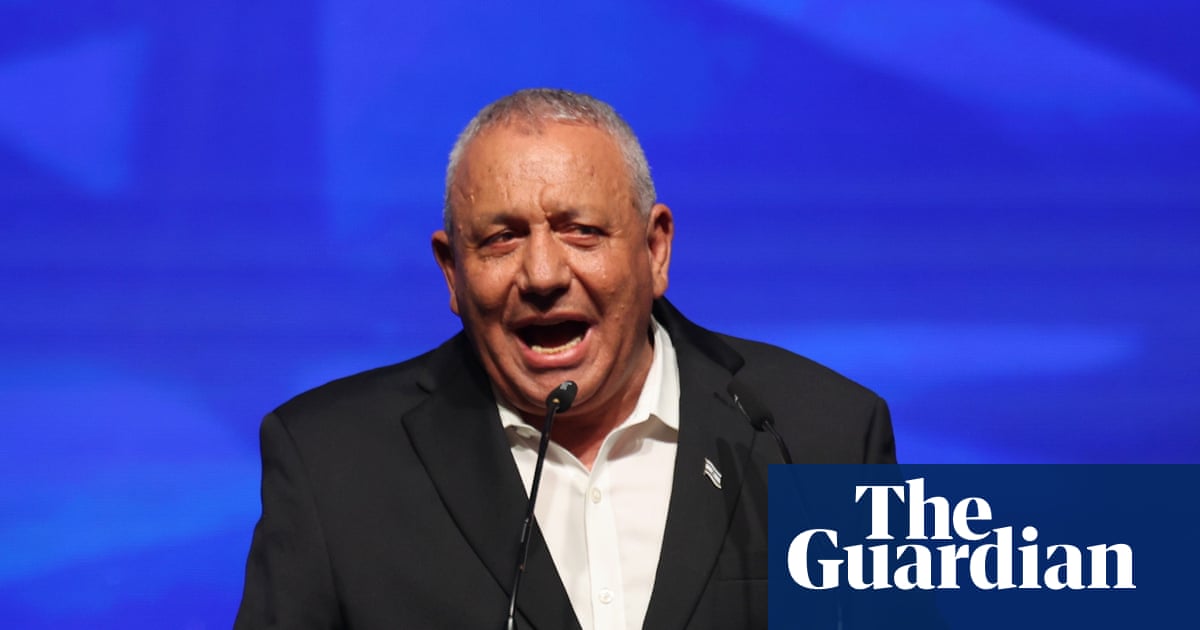
Eisenkot races to form Israeli government amid dispute over Arab-led parties' role
Summary
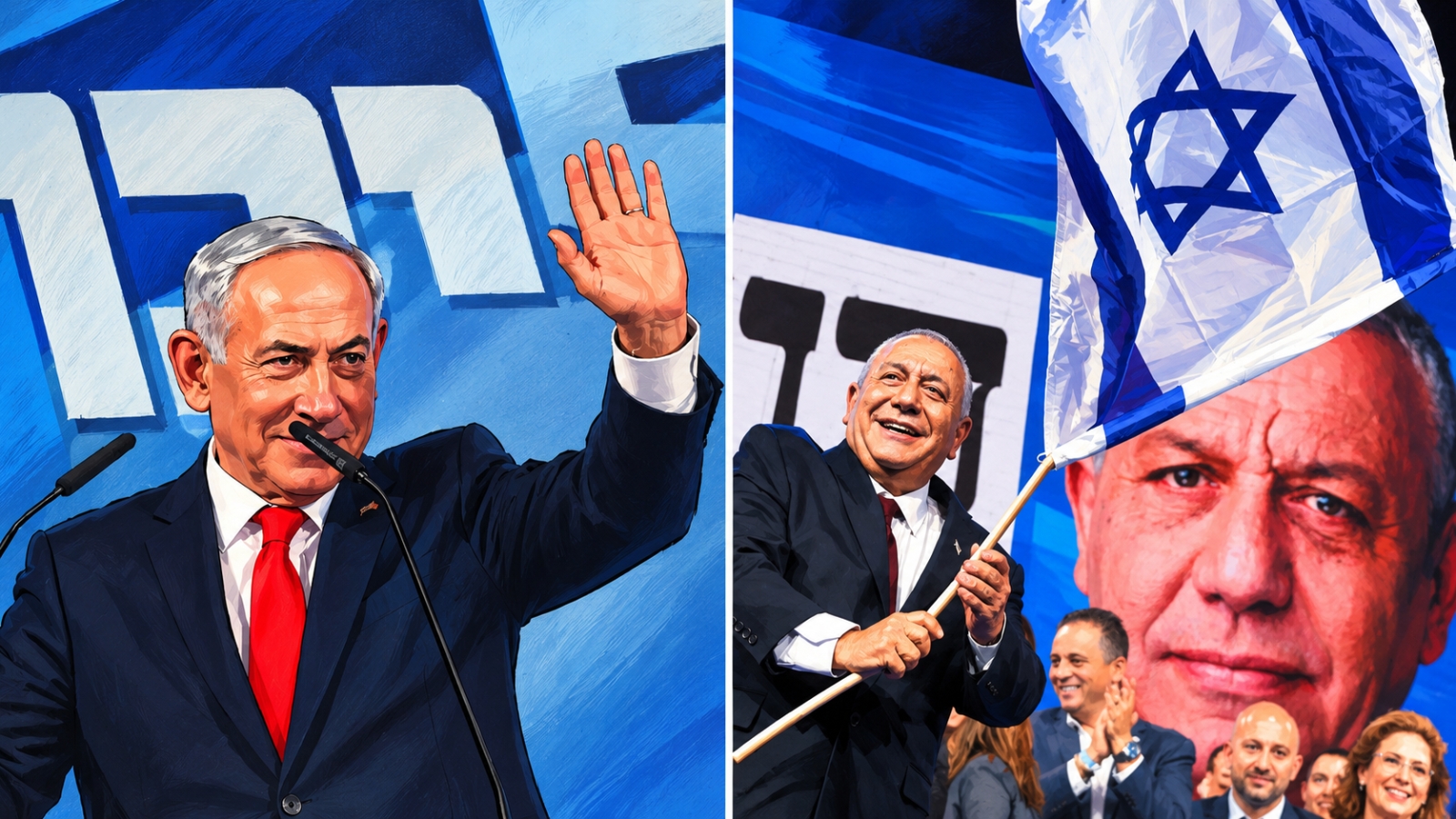
- Israel's 27 October 2026 election left Benjamin Netanyahu's bloc on 53 seats and Gadi Eisenkot's on 48, short of the 61-seat majority.
- Arab-led parties Ra'am and the Joint List won a record 19 seats and endorsed Eisenkot, though he has ruled out including them in government.
- President Isaac Herzog tasked Eisenkot with forming a government on 8 November, giving him 28 days with a possible 14-day extension.
- Netanyahu alleges the Arab parties stole the election and warns an Arab-backed government would destroy Israel; electoral authorities rejected the claims.
- Eisenkot's ally Avigdor Lieberman says he will quit the coalition if Arab Israelis are part of it; Eisenkot is also open to ultra-Orthodox support and to including Netanyahu.
- Eisenkot is a former Israeli military chief who leads the centrist Yashar party, founded on an anti-corruption and government reform platform.
Reactions
- Eisenkot wrote that Arab citizens have been subjected to a racist and aggressive campaign of delegitimisation fuelled by Netanyahu, and said he will not allow an entire community to be maligned.
- Netanyahu warned a government dependent on Arab-led parties would dismantle Israel from within, calling reliance on them 'national suicide'.
- Netanyahu claimed without evidence that Arab parties stole the election; the Central Elections Committee and Herzog said the vote was valid.
- Avigdor Lieberman and his Yisrael Beiteinu party said they will not join or back a coalition that relies on Arab-led parties.
- Joint List member Ahmad Tibi forecast a minority Eisenkot government with external support from the Arab parties, saying ending Netanyahu's rule is a priority.
- National security minister Itamar Ben Gvir heckled Joint List leader Yousef Jabareen during his oath of allegiance, accusing him of having 'pledged allegiance to Hamas'.
Timeline newest first
On 13 November Gadi Eisenkot accused caretaker prime minister Benjamin Netanyahu of fuelling a 'racist and aggressive campaign of delegitimisation' against Israel's Arab minority.
Eisenkot ruled out bringing the Arab-led parties into his government, a coalition that would give him 67 seats, while winning the two ultra-Orthodox parties would give him exactly 61.
At the Jerusalem ceremony Eisenkot set conditions for coalition partners: support for Israel as a Jewish and democratic state, military or national service, and labelling Hamas a terrorist organisation.
On 7 November Herzog announced he would task Eisenkot with forming a government after consultations in which 67 lawmakers recommended him against 46 for Netanyahu.
Sources newest first
- Eisenkot accuses Netanyahu of ‘racist’ campaign against Israel’s Arab minority
Gadi Eisenkot accuses caretaker prime minister Benjamin Netanyahu of fuelling a 'racist' campaign against Israel's Arab minority, writing that it is neither legitimate nor acceptable to malign an entire community. The two Arab-majority parties that won a combined 19 seats may emerge as kingmakers in Eisenkot's efforts to form a government, though Avigdor Lieberman says he will quit the coalition if Arab Israelis are part of it.
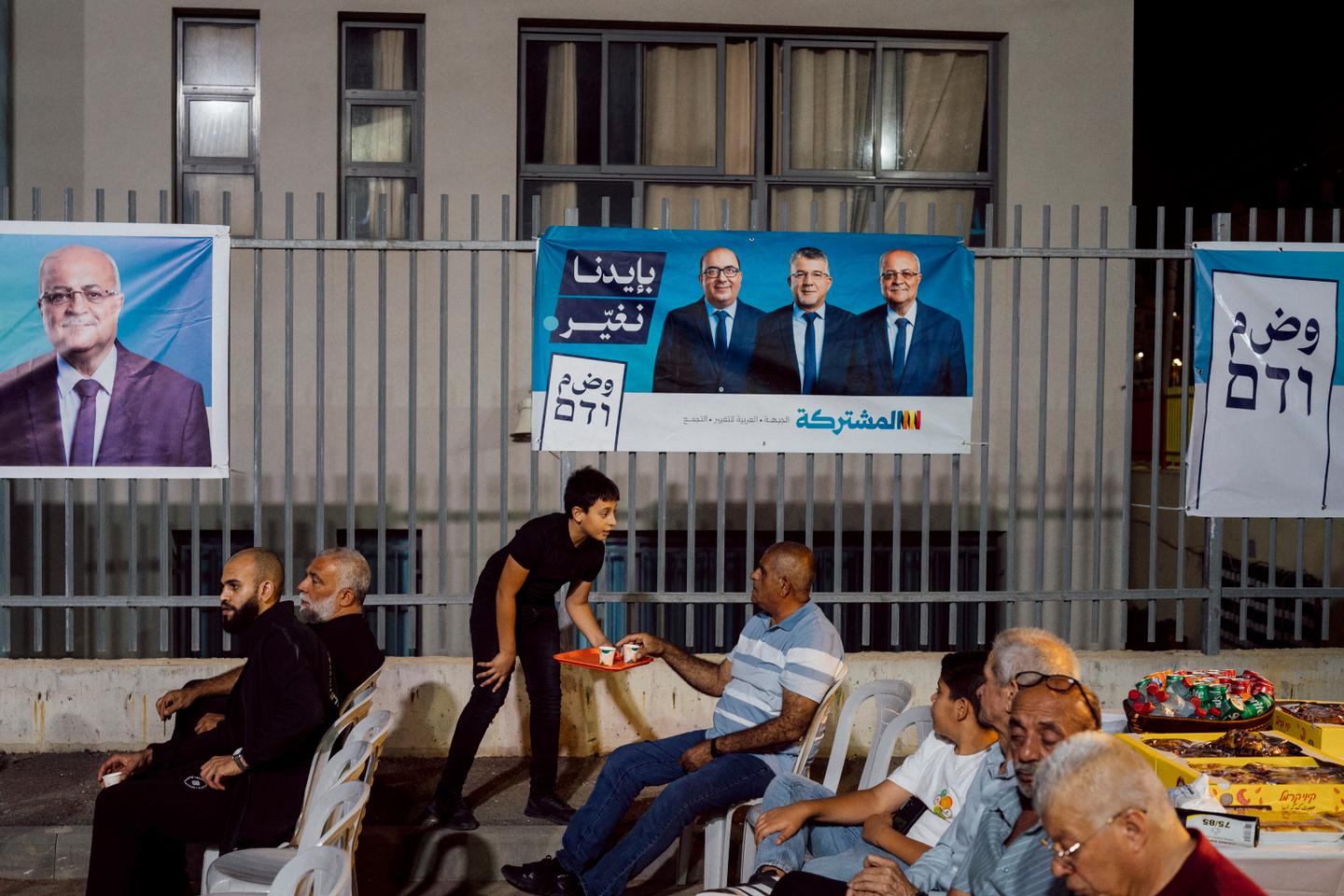 Gadi Eisenkot accuses Netanyahu's 'racist' campaign against Israeli arabs
lemonde.fr· 27h
In a Le Monde article produced with AFP, premier hopeful Gadi Eisenkot accuses caretaker premier Benjamin Netanyahu of fuelling a "racist" campaign against Israel's Arab minority, writing on X that Arab citizens "have been subjected to a racist and aggressive campaign of delegitimization" and that maligning an entire community is unacceptable. President Isaac Herzog has tasked Eisenkot with forming a government, which Le Monde says the two Arab-majority parties, holding 19 seats, could emerge as kingmakers in — though ally Avigdor Liberman says he would leave the coalition if Arab Israelis join it.
 Eisenkot slams Netanyahu’s ‘racist’ campaign against Palestinian Israelis
Gadi Eisenkot, tasked with forming Israel's new government after October elections left both him and Netanyahu short of a majority, accuses the caretaker prime minister of fuelling a "racist and violent" campaign against Palestinian citizens of Israel, while Arab-led parties have endorsed him though he rules out partnering with them. He says he is open to including Netanyahu in an emergency coalition and demands no new escalation against Iran unless critical.
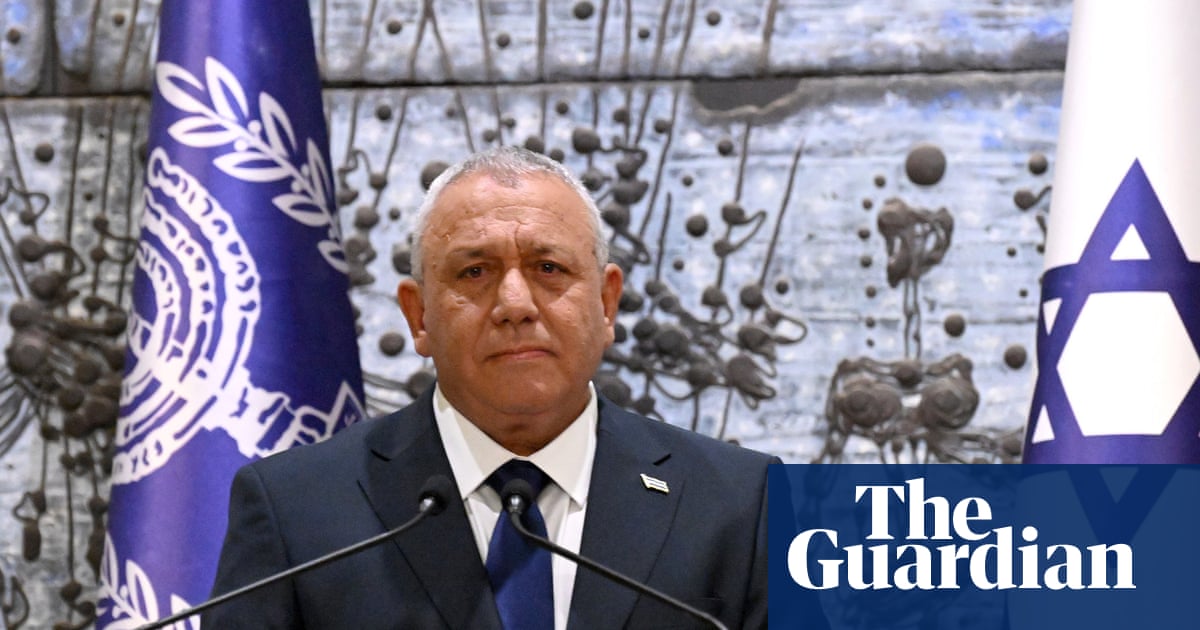 Gadi Eisenkot reaches out to Netanyahu allies as he strives to form government
The Guardian reports that former Israeli military chief Gadi Eisenkot, given a 28-day mandate by President Isaac Herzog to form a government, has reached out to Benjamin Netanyahu's Likud and Bezalel Smotrich's far-right party, insisting he alone be prime minister. His bloc won 48 of 120 seats against Netanyahu's 53, leaving him also weighing Arab-led or ultra-Orthodox support.
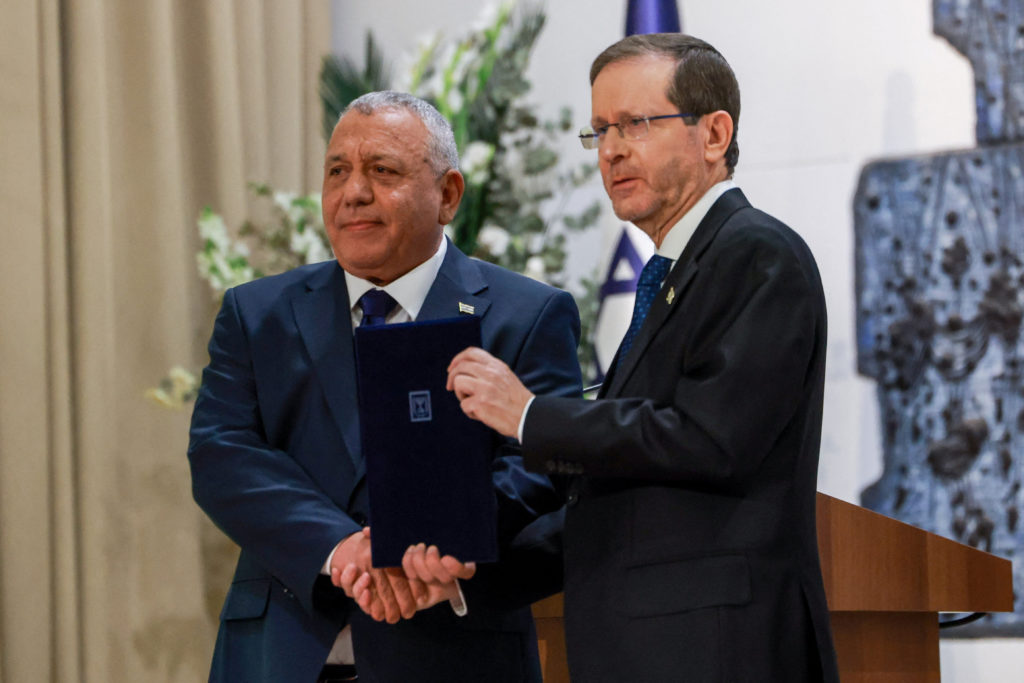 Israel’s president formally gives Eisenkot the first chance to form the next government
An Associated Press report says Israeli President Isaac Herzog has given opposition leader Gadi Eisenkot the first chance to form a government after the 27 October election left Netanyahu's bloc at 53 seats, Eisenkot's at 48, and Arab-led parties with a historic 19. Eisenkot has 28 days and three paths—Netanyahu power-sharing, Arab-led support, or ultra-Orthodox parties demanding to keep draft exemptions—while Netanyahu claims the vote was stolen and the Shin Bet investigates foreign interference.
 Israel’s president taps opposition candidate Eisenkot to form a government, in setback for Netanyahu
cnbc.com· 6d
Israeli President Isaac Herzog gave opposition candidate Gadi Eisenkot, a former military chief, the first chance to form a coalition after Oct. 27, 2026, elections left Netanyahu's bloc short of a majority, with Arab-led parties as potential kingmakers. Eisenkot has six weeks; the article calls coalition-building fraught and reports he is a step closer to ousting Netanyahu, the longest-serving prime minister.
 Israel president asks opposition leader Eisenkot to form government
A BBC News article reports that Israeli President Isaac Herzog will task opposition leader Gadi Eisenkot with forming a coalition government after neither Eisenkot's bloc nor Prime Minister Benjamin Netanyahu's won a Knesset majority, giving Eisenkot 28 days, with a possible 14-day extension. Eisenkot wrote on X, "Now is the time to form a national emergency government," pledging to "do everything to ensure we are worthy."
 Israel’s president taps opposition candidate Eisenkot to form a government, in setback for Netanyahu
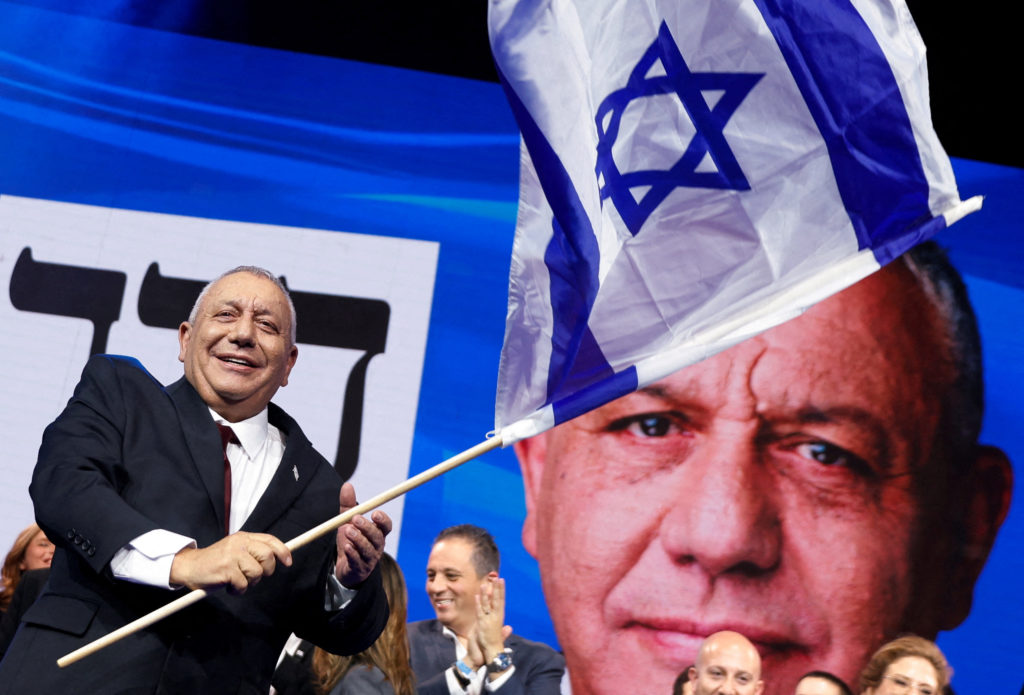
After Netanyahu's bloc lost its parliamentary majority in Israel's October 27, 2026, elections, President Isaac Herzog gave opposition candidate and former military chief Gadi Eisenkot the first chance to form a governing coalition, with up to six weeks to do so. Coalition math remains fraught: Arab-led parties made historic gains but are politically fraught kingmakers, Netanyahu warned against "hastily swearing in a government with terrorist supporters," and Eisenkot may pursue a minority government shored up by outside Arab support or a broad unity government despite deep differences with Netanyahu.
 Israeli president tasks Eisenkot, Netanyahu's main opponent, with forming government
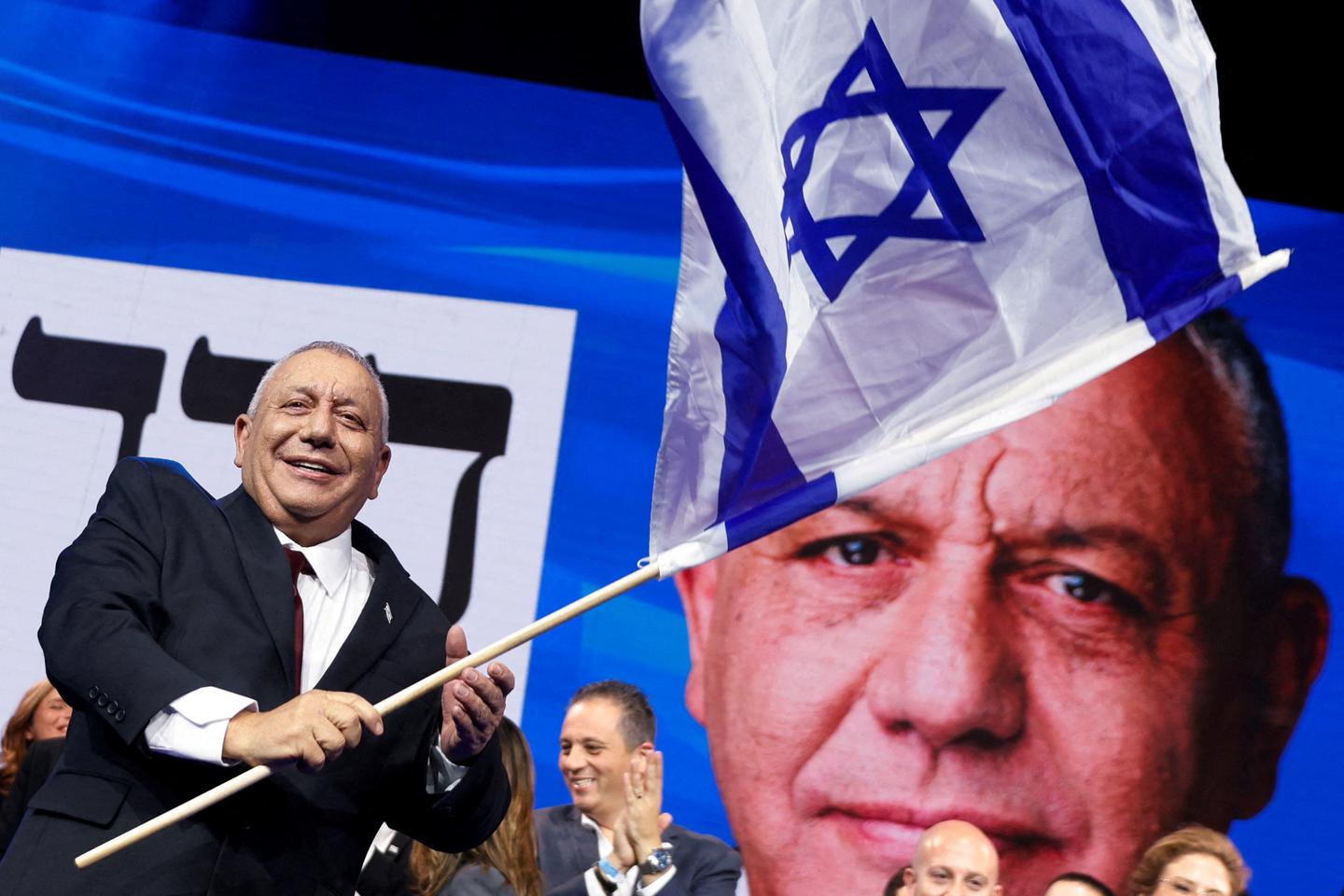
Le Monde reports that Israeli President Isaac Herzog has tasked Gadi Eisenkot, a former military chief and Netanyahu's main opponent, with forming the next government after the October 27 election left neither bloc a majority; parties representing 67 lawmakers backed him, against 46 for Netanyahu. Eisenkot has 28 days to reach a coalition, having opened the door to an alliance with ultra-Orthodox parties, while Avigdor Liberman refuses to sit with him if he relies on Arab votes.
 Israel’s president picks Eisenkot over Netanyahu to form next government
Al Jazeera reports that Israeli President Isaac Herzog has tasked Gadi Eisenkot, not Benjamin Netanyahu, with forming the next government after neither bloc won a majority in the 27 October election, giving him 28 days to assemble a 61-seat coalition. Netanyahu warned hours earlier that an opposition government backed by Arab-led parties would collapse Israel, while Ahmad Tibi predicts Eisenkot will head a minority government relying on outside Arab-party support.
 Israel’s president taps opposition candidate Eisenkot to form a government, in setback for Netanyahu
politico.com· 7d
The Associated Press reports that Israeli President Isaac Herzog gave opposition leader Gadi Eisenkot, a former military chief who challenged Benjamin Netanyahu in the October 2026 elections, the first chance to form a governing coalition after Netanyahu's bloc lost its majority. Eisenkot has up to six weeks to build a coalition, with the Arab-led parties as potential kingmakers, while Netanyahu claimed the Arab parties 'stole' the elections and called for a national unity government instead.
 Israel's president taps opposition candidate, not Netanyahu, to form a government
npr.org· 7d
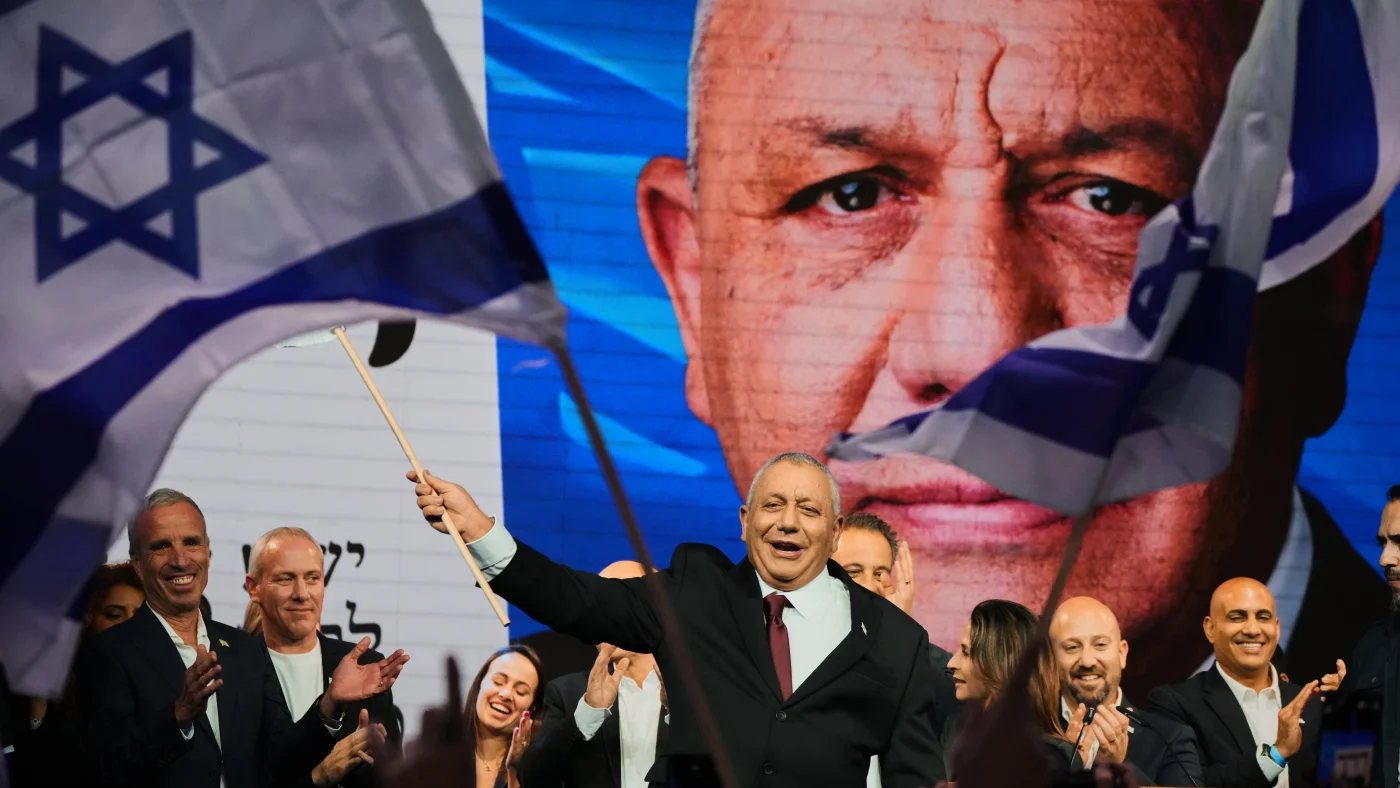
NPR reports that Israeli President Isaac Herzog has tapped Benjamin Netanyahu's main rival, Gadi Eisenkot, to try to form the next government after Netanyahu's Likud won the most seats — 27 — but fell short of a majority in the 120-seat parliament. Eisenkot, a former IDF chief of staff who leads the centrist Yashar party, has 28 days, with a possible 14-day extension, to secure 61 seats; if he fails, another lawmaker could get the mandate or Israel could face another election, with Netanyahu remaining caretaker prime minister meanwhile.
- Israel's president taps opposition candidate Eisenkot to form a government, in setback for Netanyahu
Israel's president gave opposition leader Gadi Eisenkot the first chance to form a governing coalition after the 27 October election left him and Benjamin Netanyahu without a majority, a setback for the prime minister. Before the announcement, Netanyahu called for a national unity government and warned against a government with terrorist supporters, an apparent reference to Arab-led parties Eisenkot is willing to partner with under conditions including recognizing Hamas as a terrorist organization.
 Israel: Netanyahu-Rivale Gadi Eisenkot mit Regierungsbildung beauftragt
spiegel.de· 7d
A Spiegel.de news article reports that Israeli President Isaac Herzog will task Netanyahu rival Gadi Eisenkot with forming a government, after neither Netanyahu's bloc nor Eisenkot's opposition alliance won a majority in the 27 October election. Netanyahu urged a national unity government including his Likud and warned a government reliant on Arab parties would destroy Israel from within.
 Israeli president taps ex-general Eisenkot, opponent of Netanyahu, to form government
washingtonpost.com· 7d
Israeli President Isaac Herzog has tasked former military chief Gadi Eisenkot, the main political opponent of Prime Minister Benjamin Netanyahu, with forming the country's next government. Eisenkot has 28 days, possibly extended by two, but his Yashar party's 21 seats and opposition bloc's 48 fall short of the 61 needed for a majority.
 Israel’s president picks Yashar leader Gadi Eisenkot to form government
A Guardian report says Israel's president has tasked Gadi Eisenkot, leader of the Yashar party and Benjamin Netanyahu's strongest rival, with forming a government after last month's deadlocked election left Netanyahu's coalition without a majority. Eisenkot, Israel's military chief of staff from 2015 to 2019, vowed to crack down on extremist West Bank settlers and end Hamas's rule in Gaza, though it remains unclear whether his bloc would accept the Arab lists' support.
 Israeli Opposition Leader Tapped to Try to Form Government
nytimes.com· 7d
Israel's president, Isaac Herzog, has tapped Gadi Eisenkot, Benjamin Netanyahu's chief rival, to try to form a government after the October 27 election left every bloc short of a majority, giving him up to six weeks. Eisenkot won backing from 67 lawmakers to Netanyahu's 46, but faces obstacles: Netanyahu attacks any government relying on Arab-led parties as 'national suicide,' and right-wing parties in Eisenkot's bloc rule out such reliance.
 Israel's president asks Gadi Eisenkot, Netanyahu's rival, to form new government | CBC News
cbc.ca· 7d
Israel's President Isaac Herzog has tasked Prime Minister Benjamin Netanyahu's strongest rival, Gadi Eisenkot, with forming a new government after a deadlocked election left Netanyahu's coalition with 53 of the Knesset's 120 seats, short of a majority. Eisenkot, whose Yashar party won 21 seats, has 28 days, and in a post on X writes, "This is the time to establish a national emergency government."
Israel’s president taps opposition candidate Eisenkot to form a government, in setback for Netanyahu
apnews.com· 7d
An AP News article reports that Israeli President Isaac Herzog gave opposition candidate Gadi Eisenkot, a former military chief who ran as Netanyahu's main challenger, the first chance to form a governing coalition after the 27 October 2026 election left neither him nor Benjamin Netanyahu with a majority. Shortly before the announcement, Netanyahu called for a national unity government and warned against hastily swearing in a government with terrorist supporters, an apparent reference to the Arab-led parties, with whom Eisenkot has indicated willingness to partner under certain conditions.
 President Herzog faces key choice as Israel struggles to form government
Israel's 27 October 2026 election left both Benjamin Netanyahu and Gadi Eisenkot short of a majority, and President Isaac Herzog — who says he will task a candidate on Sunday — must decide who gets the first attempt at forming a government. Eisenkot leads endorsements 67 to 46, but only thanks to Arab-led parties he has ruled out, Netanyahu's ally United Torah Judaism withheld support over the conscription exemption, and analyst Nehru Jamhour says the likeliest outcome is a drawn-out impasse and a repeat election with Netanyahu as caretaker.
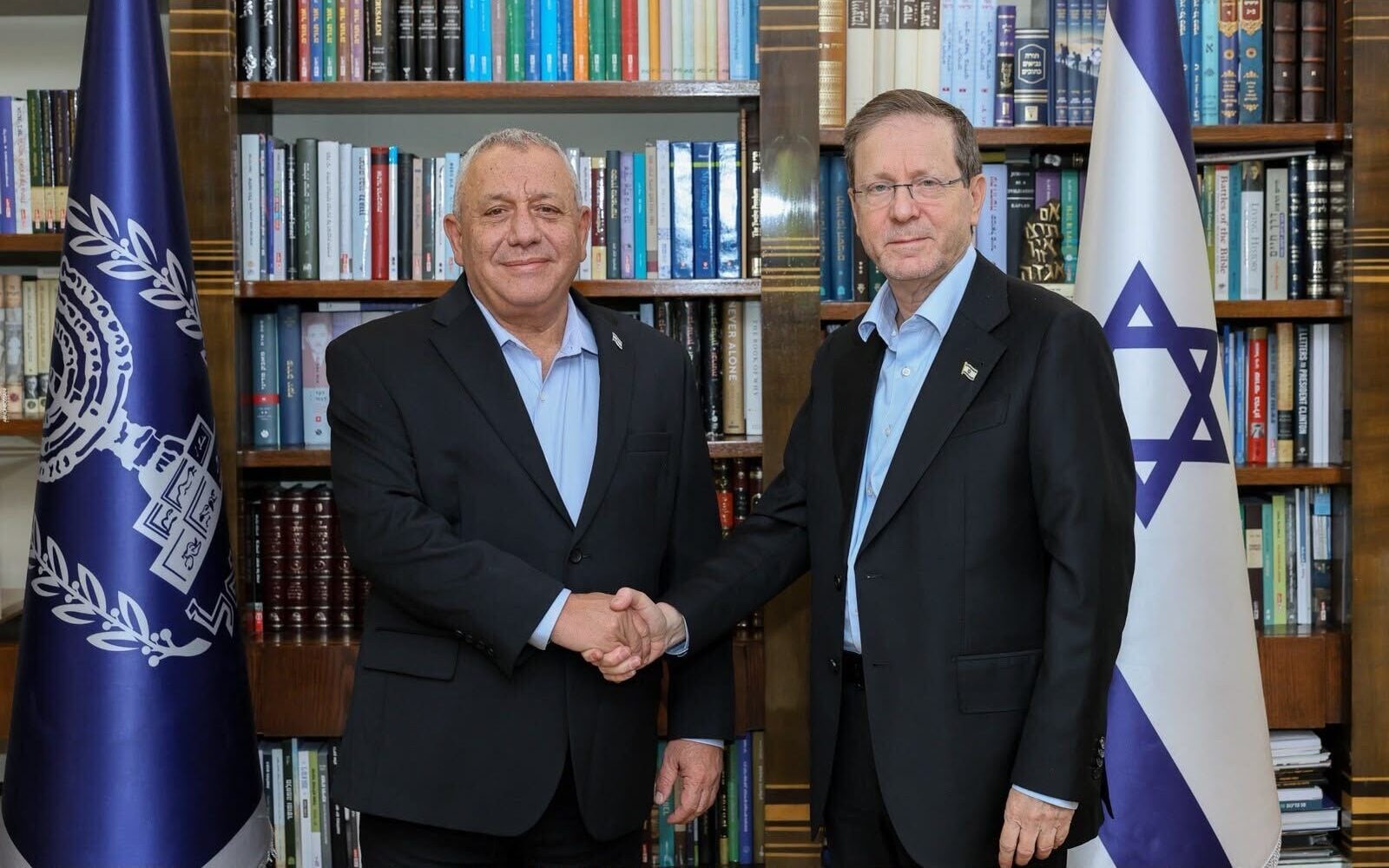 Herzog announces he will task Eisenkot tomorrow with forming new government
timesofisrael.com· 7d
The Times of Israel's liveblog reports that after Benjamin Netanyahu lost his majority in the October 27 election, President Isaac Herzog will task Gadi Eisenkot with forming the next government on November 8, giving him 28 days, while Netanyahu, who won 46 premiership recommendations to Eisenkot's 67, instead calls for a national unity government and warns an Arab-backed one would destroy Israel. The blog also covers Likud's planned appeal over alleged voter-turnout tracking, protests against Shin Bet chief David Zini in Tel Aviv, and reports of explosions on Iran's Qeshm Island.
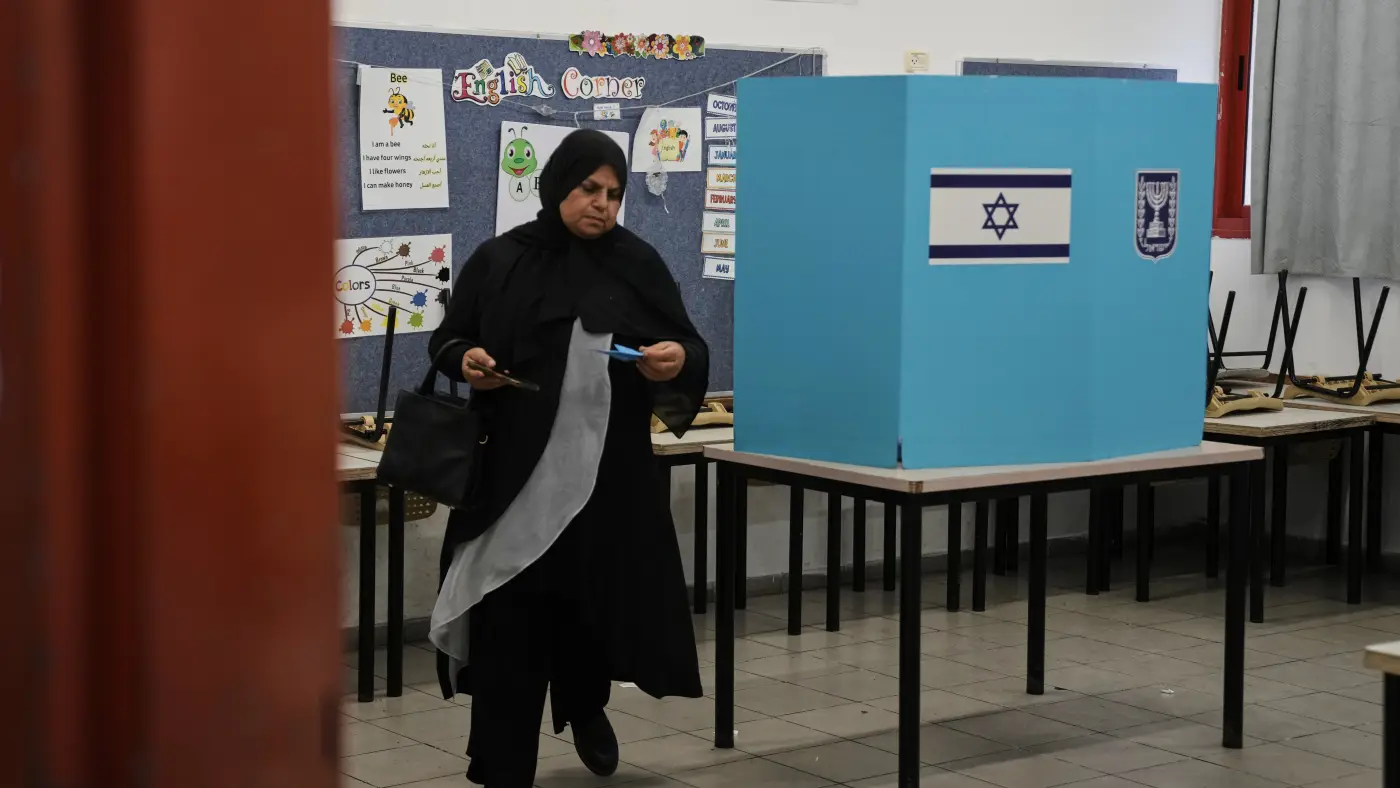 Israel's Arab-led parties in spotlight after inconclusive election
NPR reports that record turnout by Palestinian citizens of Israel in the October 27, 2026 election helped deny both Benjamin Netanyahu's coalition and Gadi Eisenkot's opposition a majority, leaving Arab-led parties with 19 of 120 seats and a pivotal role in coalition talks. Netanyahu's Likud claims fraud despite police and election officials finding no basis, while Kufr Qasim residents attribute their voting to worsening rights.
 Israel’s President Herzog to name candidate to form government on Sunday
After Israel's 27 October 2026 election left both blocs short of a majority, President Isaac Herzog will name a candidate to form a government by 8 November, with 67 lawmakers — including two Arab-led parties — recommending former military chief Gadi Eisenkot against 46 for Benjamin Netanyahu. Netanyahu has cast doubt on the results, accusing Arab-led parties of stealing the vote, which the Central Election Committee says was not compromised, and he remains caretaker prime minister until a coalition is formed.
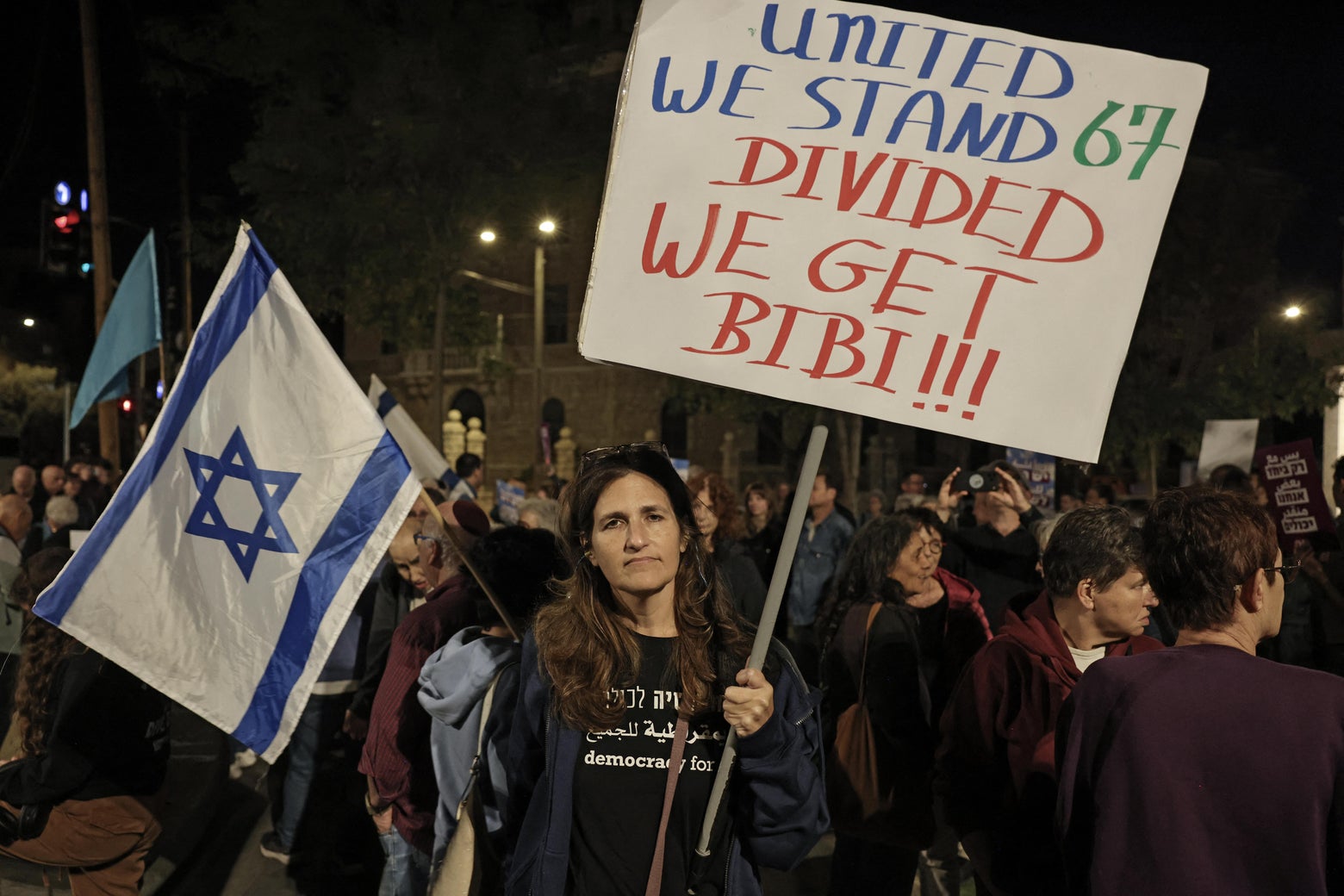 America’s Election Has Prompted Some Surprising Moves in Israel That Might Oust Netanyahu
slate.com· 8d
A Slate article reports that former military chief Gadi Eisenkot and two Arab party leaders, Mansour Abbas and Yousef Jabareen, have joined forces to form a 67-seat coalition that could oust Benjamin Netanyahu, whose election ended in stalemate. It also ties the move to the American midterms, which the article says bolster the fear of another Netanyahu term, and predicts the fragile government may not last long but should outlast him.
 Israel’s largely ceremonial president faces choice that could shape its future
The Washington Post's Steve Hendrix reports on the high-stakes choice facing Israeli President Isaac Herzog, whose mostly ceremonial job gives him the power to grant the mandate for coalition-building after an election that left Benjamin Netanyahu's bloc at 53 seats and Gadi Eisenkot's opposition at 48, with no side holding the 61 needed for a majority and Herzog's pick almost certain to be one of the two leaders. Analysts say the Joint List's endorsement gives Eisenkot the most backing for the mandate, an official says Netanyahu's camp does not care if Israel returns to elections since it remains in a caretaker government, and a pending pardon request from Netanyahu — pushed by President Donald Trump — hangs nearby, though Herzog's office says it is separate from the mandate.
 Joint List says it will back Eisenkot to form Israel’s next government
The Joint List of Arab-led parties, which won a record 19 seats in Israel's 27 October election, says it will recommend that President Isaac Herzog task opposition leader Gadi Eisenkot with forming the next government, potentially giving him 67 backers. Netanyahu, whose bloc holds 53 seats, has claimed without evidence that Arab parties committed fraud, and another election looms in early 2027 if neither man can assemble a coalition.
 Israel’s Herzog accepts vote results, opens talks on forming a government
Israeli President Isaac Herzog accepted the certified results of the 27 October parliamentary election and opened consultations on whom to task with forming a government, after Benjamin Netanyahu's bloc won 53 seats and Gadi Eisenkot's 48 — short of the 61 needed to govern. Netanyahu and allies make unsubstantiated fraud claims, which the elections commission says it found no evidence for, while Arab-led parties' record gains could push Eisenkot past a majority, and Herzog urged compromise to avoid a new election.
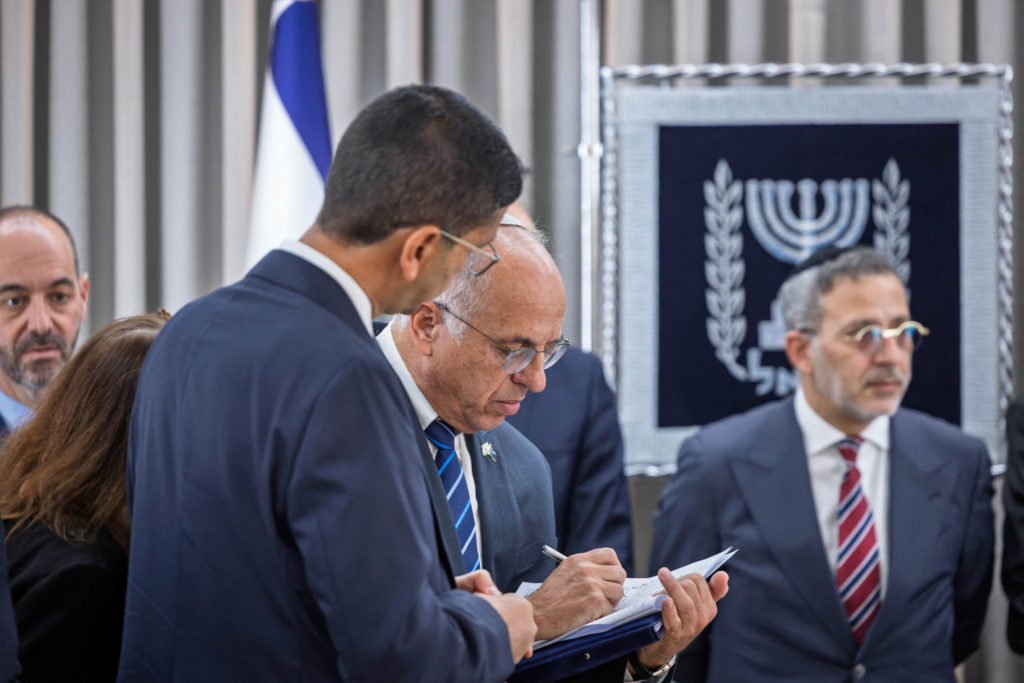 Israel's president takes first steps on building new government after accepting election results
An AP report on PBS News says Israeli President Isaac Herzog accepted the certified results of the 27 October 2026 election as legally binding and began consultations on 4 November on whom to designate to form a government, after Benjamin Netanyahu's bloc and Gadi Eisenkot's both fell short of a majority. It also covers Netanyahu allies' unsubstantiated fraud claims, a Shin Bet inquiry into alleged foreign funds that provided no evidence, and the attorney general's rejection of its request to interrogate Arab lawmakers.
Israel's president takes first steps on building new government after accepting election results
AP reports that Israeli President Isaac Herzog accepted the certified results of the October 27, 2026 election and began consultations on forming a government, after Benjamin Netanyahu's bloc lost its majority while Arab-led parties made historic gains. Netanyahu and allies claim the election was "stolen," but the elections commission found no evidence of irregularities; the Shin Bet's foreign-interference inquiry continues, and a new election looms in early 2027 if no coalition emerges.
 Israel election results: Opposition backs Eisenkot to oust Netanyahu, remains split over Arab parties
indianexpress.com· 11d
The Indian Express reports that Israel's October 2026 election left both blocs short of a majority in the 120-member Knesset, with Netanyahu's side on 53 seats and Eisenkot's on 48. Five opposition leaders agreed to back Gadi Eisenkot for prime minister but remain split over support from Arab-led parties Ra'am and the Joint List, whose 19 seats could make them kingmakers; President Herzog begins consultations on 4 November.
 Israel political deadlock leaves Netanyahu’s future hanging in the balance
Al Jazeera reports that Israel's general election has deadlocked government formation, with Benjamin Netanyahu's bloc winning 53 seats against Gadi Eisenkot's alliance's 48 and the Arab-led lists' 19, leaving a majority of 61 out of reach for either bloc. President Isaac Herzog, weighing Netanyahu's pardon request, will begin consultations after results are certified on 4 November 2026.
 Israel’s opposition leaders back Eisenkot to oust Netanyahu
Al Jazeera and AFP report that Israel's main opposition leaders agreed to back former military chief Gadi Eisenkot as prime minister, meeting in Herzliya after the 27 October election left neither bloc a majority in the Knesset. Their four principles could exclude Arab-led parties, whose 19 seats may decide the next government as President Isaac Herzog begins coalition consultations.
- Israel’s opposition leaders back Eisenkot to oust Netanyahu
Al Jazeera reports that Israel's main opposition leaders, meeting in Herzliya after the 27 October election left neither bloc a majority, agreed to back former military chief Gadi Eisenkot for prime minister ahead of President Isaac Herzog's coalition consultations, pledging in a joint statement to replace Benjamin Netanyahu's government "immediately" with a national emergency government. Netanyahu, whose bloc won 53 of 120 seats and who has called for a broad government under his leadership, rules out coalition with the Arab-led parties whose 19 seats could decide the outcome, and Yair Golan, the only opposition leader open to allying with them, calls excluding them racist.
 A Test for Israeli Democracy: Should Jews Ask Arabs to Join the Government?
A New York Times report on Israeli politics says Arab parties made historic election gains, winning 19 of the 67 seats held by Benjamin Netanyahu's opponents, yet opposition leader Gadi Eisenkot is contorting to form a government that does not rely on them. Activists like Rula Daood say that shying away from Arab partners plays into Netanyahu's hands and fuels complaints that Israeli democracy extends to Arab citizens only up to the point they might wield real power.
 Palestine weekly: Election deadlock meets West Bank sieges, Gaza killings
Al Jazeera's weekly roundup reports an Israeli election deadlock, with Arab-led parties winning a record 19 seats, Likud alleging unproven Qatari-financed fraud that police sources and the election committee contradicted, and Lieberman ruling out Palestinian partners. It also covers the Hebron siege and Masafer Yatta closures, and Gaza killings that the health ministry puts at 1,593 since the ceasefire.
Background newest first
 Netanyahu may fall, but his far-right legacy in Israel is going nowhere
Simon Speakman Cordall argues in Al Jazeera that even if Benjamin Netanyahu's government falls, the far-right legacy of ministers Itamar Ben-Gvir and Bezalel Smotrich — from settlement expansion and prison changes to politicised police — will endure. Analysts say exclusion from power would affect the two ministers in opposite ways, and their movements, backed by about 10 percent of Israeli voters, are likely to persist for years.
 Five ways Israel's election results could change America's future
newsweek.com· 24h
Newsweek's Anna Rahmanan examines five ways Israel's election results could change America's future. Likud won the most seats, but President Isaac Herzog asked Gadi Eisenkot to form a government after 67 lawmakers backed him; Netanyahu's bloc took 53 seats, the opposition 48, Arab-led parties 19. Newsweek deems the proportional system generous but hard-pressed when factions must agree.
 What powers does Netanyahu have as Israel’s interim PM?
Mohammad Mansour's Al Jazeera explainer lays out what Benjamin Netanyahu can and cannot do as Israel's caretaker prime minister after neither his coalition nor Gadi Eisenkot's alliance won the 61 seats needed for a majority. Under the Basic Laws, Netanyahu keeps powers over appointments, security decisions and even a cabinet-voted new war, while analysts Ehab Jabareen and Maysara Bahr say he can exploit intelligence framing, financial decisions and political fractures to shape or hinder what comes next.
 Who Is Gadi Eisenkot, Israel’s Opposition Leader?
A New York Times profile of Gadi Eisenkot, the former military chief of staff and Netanyahu rival who has six weeks to form a coalition after Israel's inconclusive October 27 election left his bloc at 48 seats to Netanyahu's 53. The article traces his career — from commanding West Bank operations and coining the "Dahiya doctrine" to resigning from Netanyahu's war cabinet over the hostage deal — and notes his conditions for Arab parties' support, his rejection of Palestinian statehood, and the writers' judgment that he has no easy path to power.
 Election results in Brazil, Serbia, Israel and US renew faith in resilience of democracy
A Guardian article argues that four pivotal elections in Brazil, Serbia, Israel and the United States inflicted setbacks on authoritarian leaders and renewed faith in democracy's resilience. Luiz Inácio Lula da Silva won Brazil's runoff with nearly 52% of the vote; Serbia's Student List of political amateurs won 140 of 250 seats, defeating Aleksandar Vučić's regime; Benjamin Netanyahu lost his Knesset majority; and Democrats swept the US congressional elections, which the article predicts will profoundly change the course of Donald Trump's final two years. It credits grassroots activism — a turnout surge in Brazil and two years of student protests in Serbia — while analysts like Miguel Lago and Dahlia Scheindlin weigh what the results mean.
 The anti-Netanyahu: Can Gadi Eisenkot give the world a different Israel?
Al Jazeera profiles Gadi Eisenkot, the former military chief of staff tasked by President Isaac Herzog with forming a government after Israel's elections left no majority, tracing his rise, the deaths of his son and nephews in Gaza, and his authorship of the Dahiyeh Doctrine alongside UN findings of possible war crimes under his command. The outlet assesses he is unlikely to secure a majority, weighing possible support from ultra-Orthodox and Arab parties, Israel's damaged US standing, and observers' views that his appeal rests more on what he is not than on what he offers Palestinians.
- The blame game: How the US midterm shock is shaping Israel’s race for PM
Al Jazeera reports that the Republicans' poor showing in the 2026 US midterms, with JD Vance citing the Iran war and ties to Israel, has weakened Benjamin Netanyahu's stance as the guarantor of the US relationship ahead of coalition talks. Netanyahu's bloc won 53 seats, eight short of a majority; United Torah Judaism declined to back him, the opposition under Gadi Eisenkot rules out unity, and critics like Yair Lapid and Avigdor Lieberman blame Netanyahu for eroding American support.
