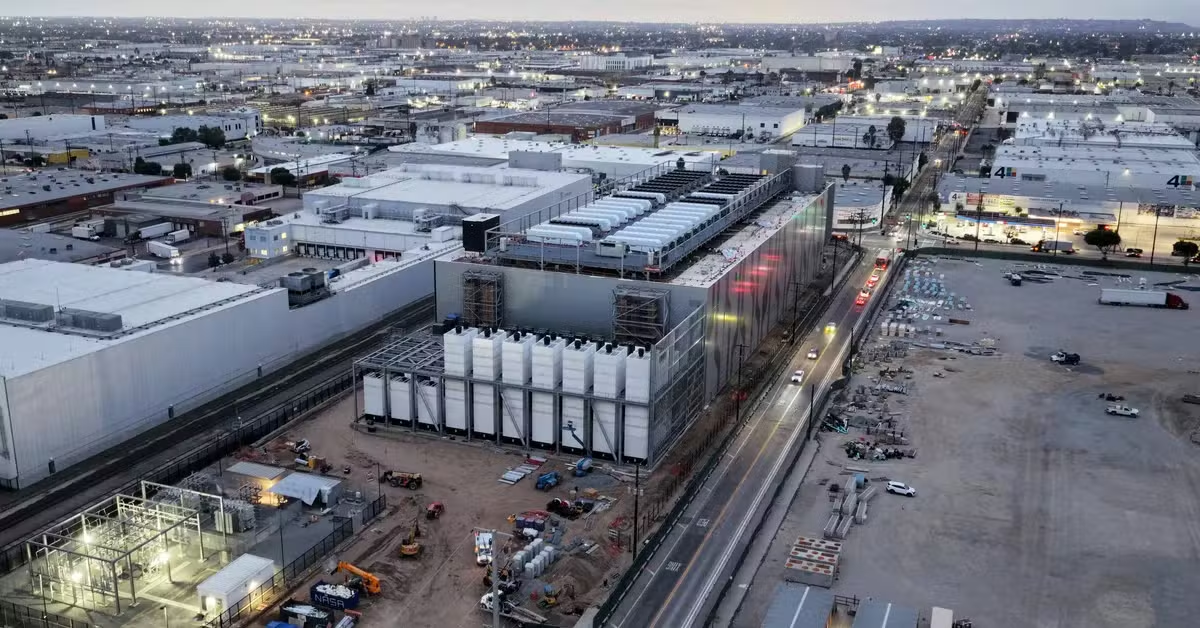
IEA projects datacentre carbon emissions to rise 70% by 2030
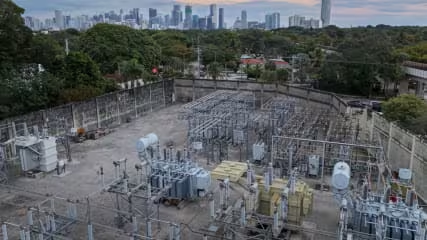
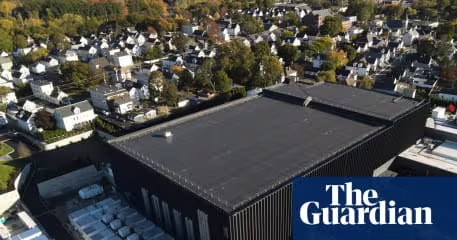
The International Energy Agency's World Energy Outlook projects planet-heating emissions from data centres will rise 70% by 2030, driven by fossil fuel use in the US and China.
US developers plan about 180 gigawatts of new gas-fired plants for data centres, and about half the electricity for China's data centres is expected to come from coal by 2030.
Global electricity use by data centres could double by 2030, reaching roughly 1,000 terawatt-hours a year under the agency's Stated Policies Scenario.
Data centre electricity use grew 17% in 2025, against 3% growth in global electricity demand overall.
The agency says tight supply chains, local opposition and limited grid capacity could slow data centre construction, and warns of congested, less reliable power networks without grid upgrades.
Developers in the European Union are expected to draw about 70% of their data centre electricity from renewables by 2030.
The agency finds AI data centres will consume an extra 350 terawatt-hours of electricity every year within four years, more than the annual electricity consumption of Great Britain.
The agency says the world's datacentre capacity climbed tenfold in the 24 months before the report, to 17 gigawatts, and the existing stock now stands at 120 gigawatts, with 80% of it in China, the US and the EU.
The agency used space-based imagery to track the buildout of 93 large AI factories around the world, whose combined capacity is expected to reach about 50 gigawatts when completed.
The agency based its forecasts on data showing annual global shipments of AI servers have climbed eighteen-fold since 2020.
The International Energy Agency's executive director, Fatih Birol, said he sees no credible path back to the pre-crisis energy world.
The agency projects global electricity use by data centres could double by 2030, reaching approximately 1,000 terawatt-hours a year, as the artificial intelligence boom adds pressure to power grids.
The agency reports data centre electricity use grew 17% in 2025, compared with 3% growth in global electricity demand, and cites large project pipelines in Texas, Virginia, Finland and the UK.
The agency warns that without grid upgrades, power networks could become more congested and less reliable, new projects could face longer waits to connect, and generators could be forced to cut output when the grid cannot meet demand.
The International Energy Agency's annual World Energy Outlook, released on Thursday, November 19, projects planet-heating emissions from data centres will rise by 70% by 2030, with the US and China turning to fossil fuels to power them.
The report was released as negotiators met at the COP climate summit in Antalya, a day after 14 congressional Democrats joined Republicans in advancing a permitting bill that would speed fossil fuel and data centre projects.
The agency says US developers have plans for about 180 gigawatts of new gas-fired plants to power data centres, and expects gas to supply about 60% of US data centre electricity by 2030.
The agency projects about half the electricity for China's data centres will come from coal-fired plants by the end of the decade, with the rest from renewables, smaller amounts from nuclear and very little from gas.
The agency identifies plans in Canada for 11 gigawatts of gas generation to power data centres over the four years after the report, and says developers in the rest of the world plan new gas plants with a combined capacity of just 4 gigawatts.
The agency expects developers in the European Union to use renewable energy for about 70% of their data centre needs by 2030, followed by nuclear power, gas generation and a very small amount of coal.
Christopher Wright, a professor at the University of Sydney, said the report shows the rapid data centre build-out represents the "nail in the coffin for the planet's life support systems."
The International Energy Agency said policy decisions, including those on how to power artificial intelligence and data centres, will determine the world's energy and climate future.

