
Feijóo visita Ceuta en la jornada de reflexión como muestra de "apoyo y solidaridad"
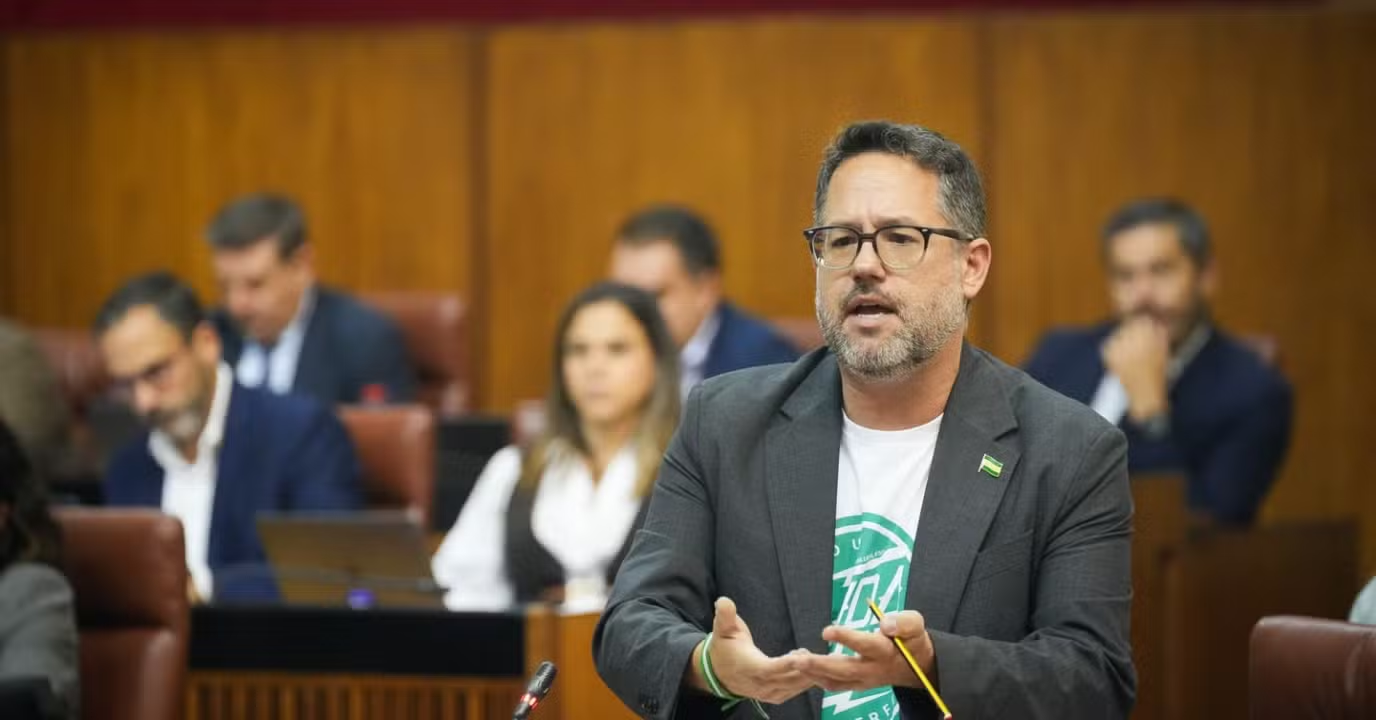
Spain's regionalist left hopes to gain ground in general election
Le Monde reports that Spain's regionalist and pro-independence left hopes to gain ground in Sunday's early parliamentary election at the expense of the Broad Front, a coalition of about 15 small parties from Pedro Sanchez's government. Spain's radical left entered the race divided largely because of these regionalist parties' growing influence, and polls taken before the survey ban suggested the People's Party and Vox could win a majority. Spokesperson José Ignacio Garcia of Adelante Andalucía says Spaniards want change within the left and that regionalists benefit from rejection of a far left that has served as a 'puppet' for the Socialists. Le Monde writes that a regionalist breakthrough could complicate Sanchez's efforts to form left-wing alliances if the right fails to win.

Europe Tonight discusses the issues dominating Spain's elections
In a news report, Euronews introduces Europe Tonight, its new weekly evening show, which welcomed Javier Martínez-Cantó of the Spanish National Research Center to discuss the issues dominating Spain's election campaign. Spain votes in snap general elections on Sunday, 29 November 2026, with housing and immigration driving the debate over how each party would answer them. According to the latest polls, the results could unseat Socialist Prime Minister Pedro Sánchez and install a right-wing coalition, which the discussion also weighed for what it would signal to the rest of the EU. The report adds that such a government could significantly affect the balance of power in the EU.

En Espagne, comment fonctionnent les élections législatives ?
A 'Repères' explainer by Libération sets out how Spain's legislative elections work ahead of the early vote on 29 November 2026, originally scheduled for mid-2027 and called by Prime Minister Pedro Sánchez after parliament rejected tenant-protection measures on 5 October 2026. Nearly 39 million voters choose party lists to renew the 350 seats of the Congress of Deputies, allocated proportionally across 50 provinces with a 3% entry threshold, plus 209 directly elected senators; the Congress elects the Prime Minister, with King Felipe VI proposing a candidate after consultations. Sánchez of the Socialist Party (PSOE), in power since 2018 and in coalition with Sumar since 2023, debated Alberto Núñez Feijóo of the People's Party (PP) on 19 November, and polls put the PSOE slightly behind a PP that could reach a majority with the far-right Vox.

Spain’s election could pull Madrid closer to Trump’s Washington
CNBC reports that Spain's snap general election on November 29, 2026 could end Prime Minister Pedro Sánchez's eight years in power and pull Madrid closer to Trump's Washington. Sánchez has clashed with President Trump over NATO spending, Gaza, and Spain's refusal to let U.S. forces use Spanish bases against Iran, a dispute in which Trump threatened to cut off all trade with Spain. Polling puts the Popular Party at 31.4% against the Socialists' 29.1%, and seat projections give the Popular Party and Vox a majority, which would make Vox the first far-right party in government since Spain returned to democracy after Franco. The campaign has been dominated by housing and cost-of-living crises, with Popular Party leader Alberto Núñez Feijóo centering his campaign on alleged corruption and inflation, and analysts say the outcome will test whether Europe's mainstream conservatives will govern with the far right.

Espagne: à une semaine des législatives anticipées, la campagne redouble d'intensité
RFI reports that Spain's campaign is in full swing a week before the early legislative elections of 29 November 2026. Conservative Partido Popular candidate Alberto Feijoo prevailed over Prime Minister and Socialist leader Pedro Sanchez in their televised debate on 19 November and leads the polls, but he told a Valencia rally that the emotional victory must be converted at the polls and warned supporters to trust neither the polls nor the atmosphere. Sanchez, who held a rally in Murcia on 22 November defending his record, says Spain needs a progressive majority for the next four years to continue its advances on housing, labor law, and women's rights, and is counting on a massive youth mobilization. With the gap between the two parties narrowing in the polls, he has less than a week to reverse the trend.

La Junta Electoral amplía el plazo para depositar el voto por correo hasta el jueves 26 a las 14:00 horas
Spain's Central Electoral Board has extended the deadline for depositing postal votes until Thursday 26 November at 14:00 for all electors who are in Spain. The deadline had been due to end a day earlier, on Wednesday 25 November. Postal votes may be left during the usual opening hours of Correos post offices. Correos says it will exert utmost diligence to ensure the envelopes containing the votes are delivered on voting day at the respective electoral tables within the legally established deadlines.

Will Spain’s snap election in November bring a far-right party into government?
Spain's snap election on 29 November, its sixth general election in 11 years, looks set to end eight years of socialist-led rule and could bring the far-right Vox party into government for the first time since the return of democracy after Franco. Prime minister Pedro Sánchez called the election after the People's party, Vox and Junts voted down his government's emergency measures to tackle a housing crisis that has become the key electoral issue, triggering protests and a general strike of more than 3 million people. Polls put the People's party first with about 130 seats, short of the 176 needed for an outright majority, so it would likely need Vox, with which it already co-governs four regions and has adopted a far friendlier tone despite once repudiating it, to govern. Sánchez has billed the vote as a choice between his progressive government and a far-right wave, hoping the housing crisis mobilises progressive voters.

