Taiwan loosens margin call rules in bid to steady AI-spooked market
A Reuters news report says Taiwan's stock exchange is loosening brokers' margin lending rules to reduce selling pressure in one of the markets hardest hit by a global rout of AI-related stocks. Taiwan's benchmark index, dominated by chipmaker TSMC, had just recorded its sharpest weekly drop in more than three decades, and from 24 November securities firms will lower the minimum margin maintenance ratio to 120% from 130%, raising the threshold for brokers to force sales or demand more collateral. The measures, alongside the government's already deployed $15 billion stabilisation fund and similar relaxations announced in China, coincided with a 2.1% rebound in the index and a 1.5% rise in TSMC on 23 November. Premier Cho Jung-tai said the measures aim to avoid speculative behaviour causing unnecessary panic and that there is still room in the stabilisation fund, though a Goldman Sachs note published on 21 November says retail leverage has dropped sharply while forced-selling risks remain elevated.
How Asian countries are looking to prop up markets as AI downturn sinks stocks
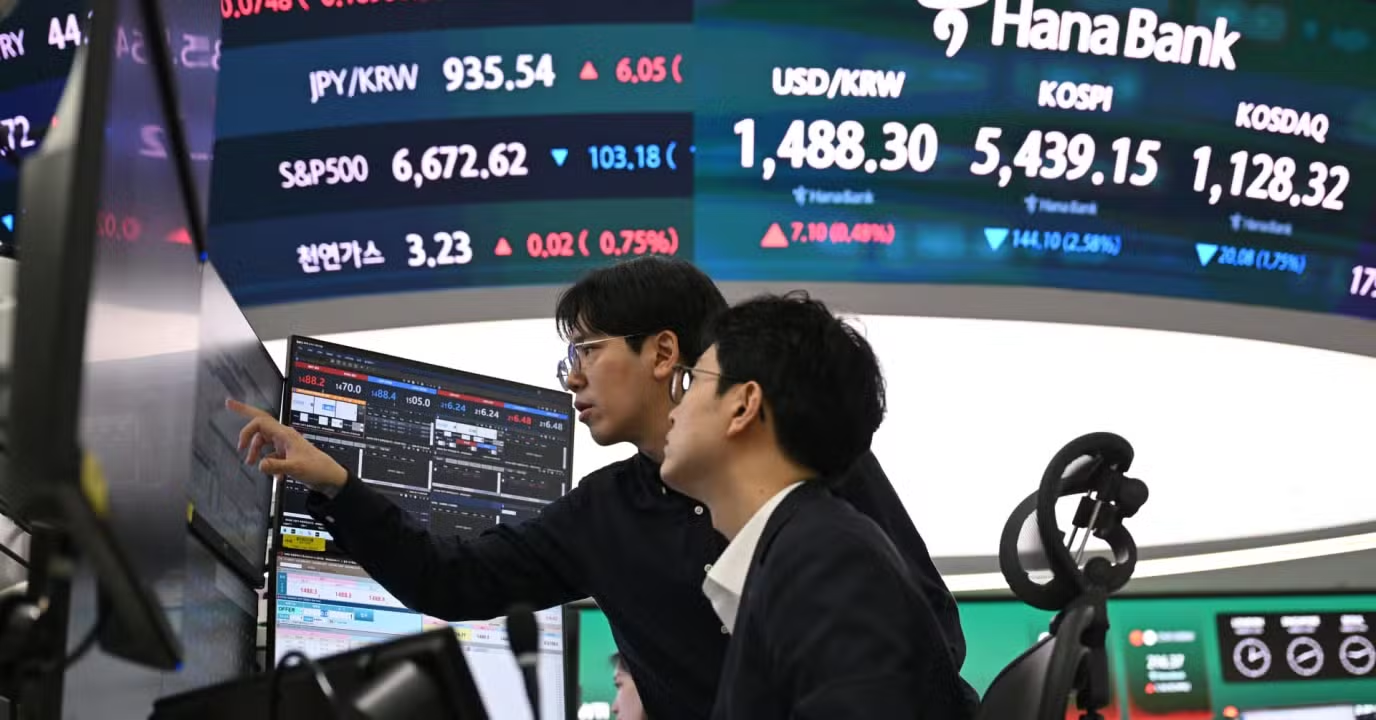
Market regulators in South Korea, Taiwan and China are rolling out measures to support their stock markets as a tech-fueled sell-off tied to the AI trade spills into another week. South Korea has put its 10.76 trillion won market stabilization fund on standby for immediate activation, and its Kospi index is down more than 46% from its June high after wild swings around AI suppliers Samsung Electronics and SK Hynix. Taiwan, whose market is dominated by chip giant TSMC, has completely banned short selling below the previous closing price except for hedging, after TSMC fell 15% and the index dropped 17.5% in a week, while China's exchanges will cut margin requirements and fees to inject more liquidity into a CSI 300 index that closed lower 14 of the prior 15 weeks. South Korea's government says excessive anxiety is not a concern and mid-to-long-term growth expectations for the AI industry remain intact.
Asian regulators rush to support sagging markets as AI trade falters
Asian regulators rushed to support sagging markets as the AI trade faltered, according to a Financial Times report.
South Korea vows to stabilise stock market after KOSPI drops 5%
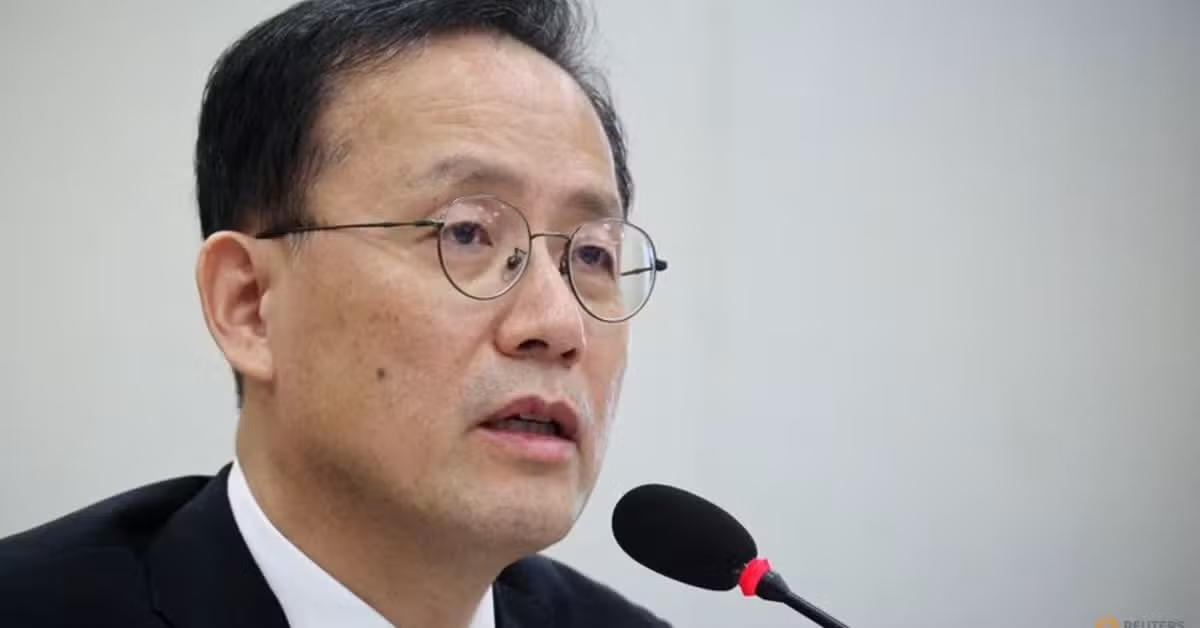
A Reuters news article reports that South Korea's KOSPI dropped 5 per cent on 23 November 2026, extending declines to near a 10-month low, while the government reiterated plans to stabilise the stock market if needed. Authorities said on 22 November they would deploy market stabilisation funds immediately if conditions deteriorated, but the index kept falling as concerns over the AI trade and a broader technology selloff overwhelmed those assurances. Finance Minister Lee Hyoung-il said volatility had expanded significantly because of external uncertainties, including AI regulatory uncertainty, geopolitical instability and rising global interest rates, and warned semiconductor volatility could spill over into the broader economy. He said the government would decide on stabilisation measures depending on market conditions, plans to crack down on illegal short-selling rather than pursue further deregulation, and projects solid growth in 2027.

