
16 bipartisan deals Donald Trump could strike with Democrats after the 2026 midterms
Summary
- A new list lays out 16 bipartisan deals Donald Trump could strike with the Democrats who won the House in the 2026 midterms.
- The ideas include a 10 percent credit card rate cap, codifying Trump's most-favored-nation drug pricing deals, legalizing marijuana and repealing Canadian tariffs.
- Others cover federal recycling rules for packaging, loosened meat-packing regulations, guardrails on immigration enforcement near polls, and rules on artificial intelligence.
- Hard-line Republicans including Stephen Miller and Jim Jordan show little interest in deal-making, and the looming 2028 race could push both sides apart.
- Trump has promoted himself as a dealmaker and voiced at least initial willingness to work with the incoming Democratic majority.
Reactions
- The piece's writers forecast at least some of the listed deals will become part of the political conversation in the months ahead.
- They argue little trust has been built between Democratic leaders and Trump, despite his dealmaker image.
- They forecast that with two years left in office, Trump may calculate he should score wins for the history books.
- Banks warn a 10 percent credit card rate cap would restrict credit access for low-income Americans and say the finance industry will wage a major lobbying fight against it.
- The pharmaceutical industry and most congressional Republicans oppose codifying the most-favored-nation drug deals, though Democrats are curious about them.
- Sen.-elect James Talarico of Texas named marijuana legalization as an area of agreement with Trump.
Timeline newest first
A list of 16 possible bipartisan deals between Donald Trump and the Democrats who won the House was published days after the November 2026 midterms.
Sources newest first
- 16 Totally Plausible Deals Trump Could Make With Democrats
Politico lays out 16 bipartisan deals Donald Trump could plausibly strike with the Democrats who won the House in the 2026 midterms, from capping credit card rates, codifying his most-favored-nation drug pricing deals, and restoring enhanced Obamacare subsidies to legalizing recreational marijuana, repealing the Canadian tariffs, mandating anti-collision aviation tech, and an immigration deal on border security and a citizenship pathway. It cautions that hardliners like new chief of staff Stephen Miller show little interest in deal-making and that the looming 2028 race could push both sides to sharpen differences instead.
Background newest first
How the White House plans to put Democrats on defense on oversight
Politico reports that the White House and Justice Department are threatening Democrats with criminal prosecution over congressional oversight probes, with White House counsel Will Scharf echoing Trump's call to jail investigators and the Justice Department warning Senators Blumenthal and Slotkin that their inquiries could violate criminal law. Attorney General Todd Blanche says no active investigations of incoming members exist, while Democrats including Robert Garcia and Blumenthal say the threats will not deter their agenda.
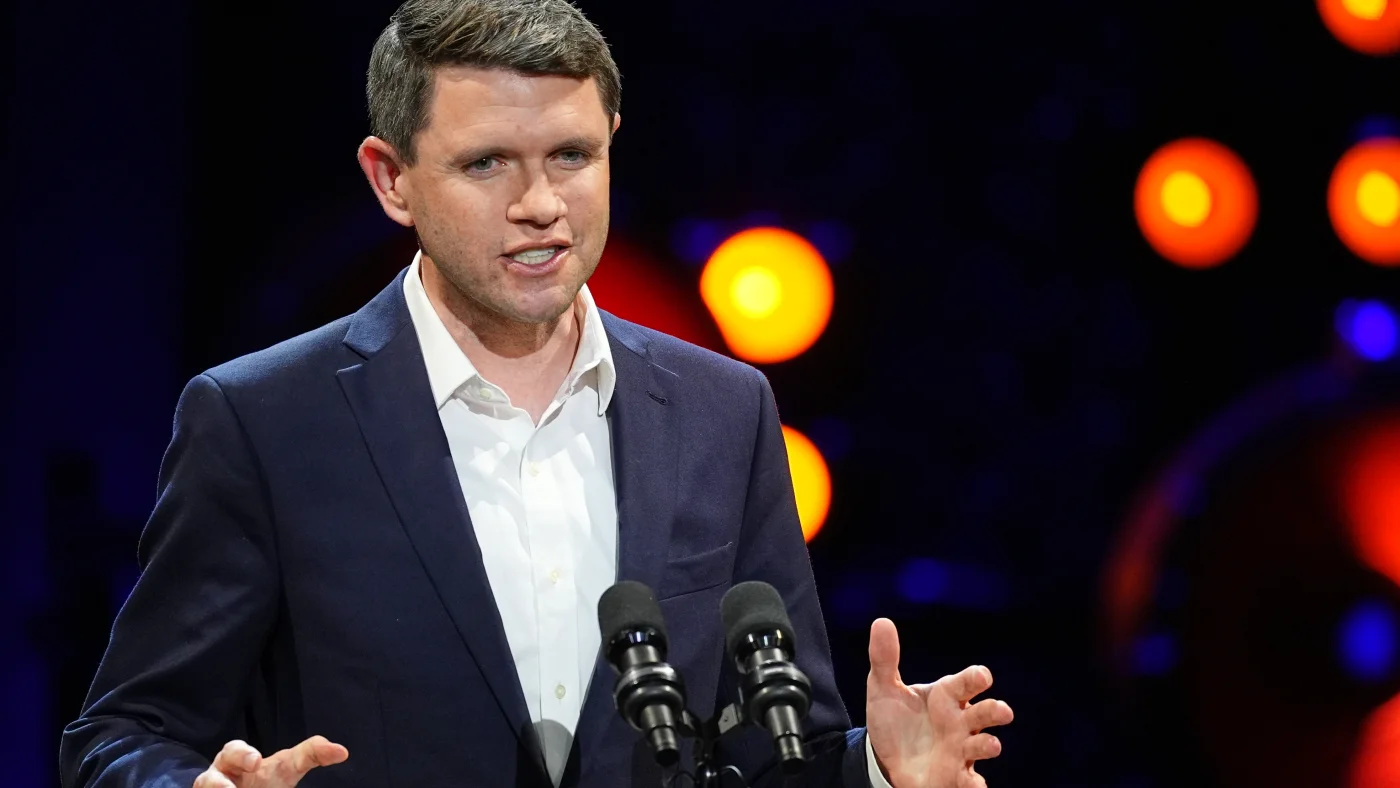 'We can't let them down' -- After midterm wins, Democrats turn to charting path ahead
npr.org· 3h
NPR reports that after their strong 2026 midterm showing, Democrats gathered at a "What's Next" conference in Denver, where speakers from Pete Buttigieg to James Talarico debated how to earn back voters' trust and whether to work with President Trump. Hakeem Jeffries laid out a robust agenda, while potential presidential contenders offered previews of their theories of the case.
 His Credit Card Issuer May Cut His Interest Rate Through a Hardship Program. He Has to Call and Ask
247wallst.com· 3h
David Beren's 247wallst.com article explains that many credit card issuers offer hardship programs that can temporarily lower interest rates, waive fees, or reduce minimum payments, but issuers rarely advertise them, so cardholders must call and ask, ideally before missing a payment. The CFPB says many creditors will help even if you're current, though programs may freeze the card and affect credit scores, and the article points to nonprofit debt management plans and settlement as alternatives.
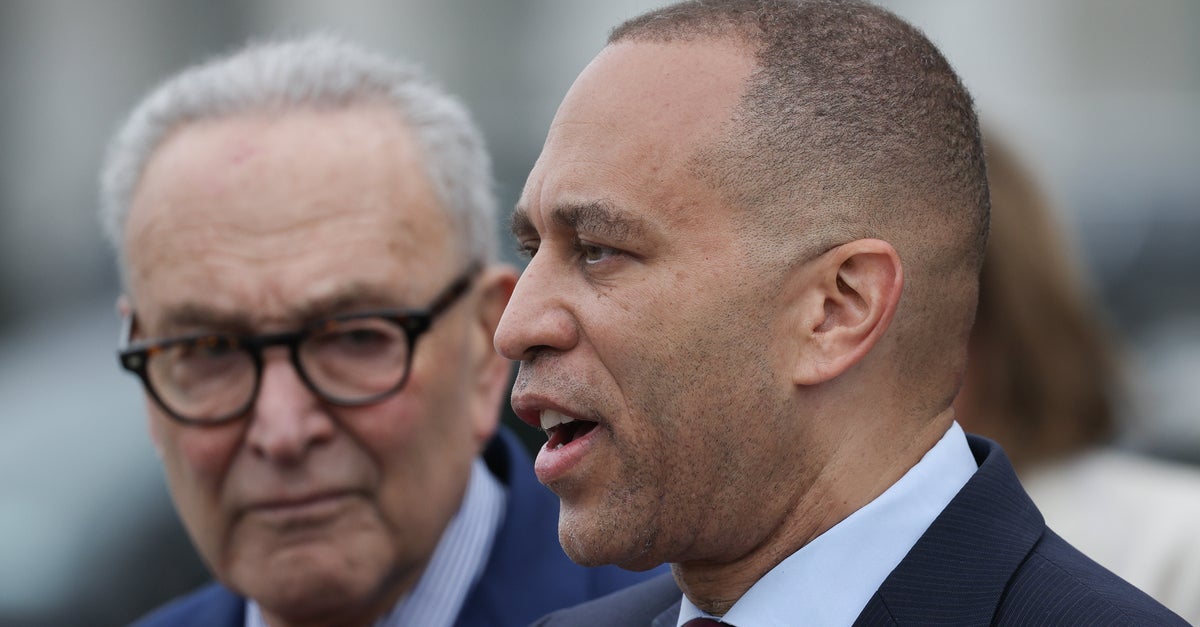 So, What Will Democrats Do Next Year? They’re Working On That.
huffpost.com· 6h
A HuffPost news article looks at Democrats' efforts to settle on an agenda for next year after winning Congress in a landslide on an affordability message. Key figures include Chris Van Hollen challenging Chuck Schumer for Senate leader, plans to undo Trump's tariff and tax policies, and debate over whether to force another shutdown or pursue deals with Trump.
 Donald Trump teams up with Adam Schiff to save Hollywood
newsweek.com· 6h
Newsweek reports that President Donald Trump says he is working with Senator Adam Schiff — whom he once attacked as "shifty Schiff" during his 2019 impeachment, which Schiff led — and other bipartisan senators on the Motion Picture, Television, and Entertainment Revitalization Act, a bill offering a 20 percent federal tax credit, potentially 30 percent, for productions shot mostly in the U.S. The bill aims to counter foreign incentives blamed for Hollywood's decline, with LA shoot days down nearly 50 percent since 2019 and 57,000 jobs lost.
 Will Trump’s lame duck presidency push him further beyond constraints of the law?
theguardian.com· 11h
The Guardian examines whether Donald Trump's presidency, weakened by the Democrats' 13-point 2026 midterm landslide, will push further past legal constraints in his final two years, citing an eight-month Iran war, immigration raids and cost-of-living pressures as the rout's causes. Miles Taylor warns Trump may defy court orders and escalate abroad, while Newt Gingrich predicts an aggressive comeback and Hillary Clinton expects him to become "even weirder and, sadly, more dangerous".
 Democrats turn to 2028 after midterm gains boost moderates and progressives
elpais.com· 18h
An El País article by Luis Doncel reports that Democrats' sweeping 2026 midterm win — 255 House seats, over 100 women lawmakers, and control of both chambers — has revived the party as it looks toward 2028. It says the party ran on affordability and now faces an internal contest between establishment centrists like Hakeem Jeffries and progressives like Alexandria Ocasio-Cortez, with a wide field of contenders expected, from Kamala Harris to Jon Ossoff and Josh Shapiro.
 How Democrats will try to end Trump's tariffs
cnbc.com· 6d
CNBC reports that after Democrats' landslide in the November 2026 midterms, they plan to challenge Trump's tariffs through legislation reasserting congressional authority over trade, investigations into tariff exemptions, and a first-100-hours blitz, with the Canada trade war an early target. Their path is narrowed by the lack of a filibuster-proof Senate majority, Trump's promised vetoes, and multiple lawsuits already contesting tariffs, including the struck-down "liberation day" duties whose $166 billion in revenue is being refunded.
Exclusive | Democrats Are Hatching a Plan to Reverse Trump’s Canada Tariffs
wsj.com· 8d
A Wall Street Journal exclusive by Gavin Bade reports Democrats are plotting to make Trump's Canada tariffs — $20 billion in levies plus a threatened doubling on Canadian vehicles — the first target in a push to roll back his trade agenda. Ron Wyden says repeal has overwhelming support, but the Journal notes the effort would likely need 60 Senate votes, and it is unclear Democrats could override a veto; both parties, some say, remain reluctant to give up the tariff powers Trump has used.
