
Lula promulgates fiscal package after Brazil's lower house approves it

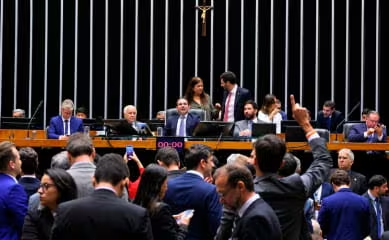
Brazil's Chamber of Deputies approved the base text of Senate bill PLP 299/26, the government's fiscal package, on 23 November 2026 with 353 votes in favor, 128 against, and 5 abstentions. The Senate had passed the austerity bill on 12 November 2026, and the lower house voted it without amendments. Chamber President Hugo Motta convened the Monday session at the government's request, and the Chamber first approved a regime of urgency for considering the package.
The package cuts tax benefits, modifies the fiscal framework, and lets the executive restrict budget resources to meet the established fiscal target. From 2027, in years when containment mechanisms apply, the real cap on annual spending expansion falls from 2.5% to 2% above inflation. It allows additional budget freezes to meet fiscal targets and restricts the use of tax credits to boost revenue when fiscal goals are at risk. Congress must also regulate remunerations that exceed the civil service pay cap, currently R$46.3 thousand, within 120 days.
One main point of disagreement was the cap on tax credits that companies can use to pay other federal taxes, which represents between 27% and 30% of the revenues the government expects from the plan. Negotiations with the opposition over governors' concerns also raised annual transfers from the federal Union to the states between 2028 and 2030, set as Kandir Law compensation, from an initial R$1 billion to R$2 billion. The package is estimated to generate savings of between R$56 billion and R$60 billion.
Planning and Budget Minister Bruno Moretti, who designed the bill, said the plan will inject between R$46 billion and R$56 billion into Brazil's public accounts. President Lula promulgated the austerity package on Tuesday 24 November 2026.
Brazil's Chamber of Deputies approved the base text of Senate bill PLP 299/26 on 23 November 2026 with 353 votes in favor, 128 against, and 5 abstentions.
Chamber President Hugo Motta convened the Monday session at the government's request, and the Chamber approved a regime of urgency for considering the fiscal package.
The fiscal package cuts tax benefits, modifies the fiscal framework, and lets the executive restrict budget resources to meet the established fiscal target.
From 2027, in years when containment mechanisms apply, the real cap on annual spending expansion falls from 2.5% to 2% above inflation.
The package requires Congress to regulate remunerations that exceed the civil service pay cap, currently R$46.3 thousand, within 120 days.
The Senate text sets annual transfers of R$2 billion from the federal Union to the states between 2028 and 2030 as Kandir Law compensation, revised from an initial R$1 billion after negotiations with the opposition over governors' concerns.
The package is estimated to generate savings for the government of between R$56 billion and R$60 billion.
Chamber of Deputies President Hugo Motta justified calling the Monday session with the concern of Congress over the rise of the dollar and the prospect of a high interest rate.
The bill had already been approved by Brazil's Senate in the week before the lower house vote.
The package allows additional budget freezes to meet fiscal targets and restricts the use of tax credits to boost revenue when fiscal goals are at risk.
Brazilian government officials have said the bill is just a first step and that more measures will follow.
Lula's economic team sees the fiscal package as critical to achieving the following year's primary surplus target of 0.5% of gross domestic product.
The fiscal package is forecast to improve Brazil's public finances by up to 60 billion reais in 2027, and Lula is expected to sign it into law.
The Brazilian Senate had approved the austerity package on 12 November 2026, and the deputies voted it without amendments.
President Lula promulgated the austerity package on Tuesday 24 November 2026.
Planning and Budget Minister Bruno Moretti, who designed the bill, said the plan will inject between 46 billion and 56 billion reais into Brazil's public accounts.
One of the main points of disagreement was the cap on tax credits that companies can use to pay other federal taxes, which represents between 27% and 30% of the revenues the government expects from the plan.
The austerity package drew virulent criticism from both the right and far right and from the left, with opposition led by the Liberal Party of Flavio Bolsonaro.
The cap on tax credits was strongly disapproved by Brazilian employers.

