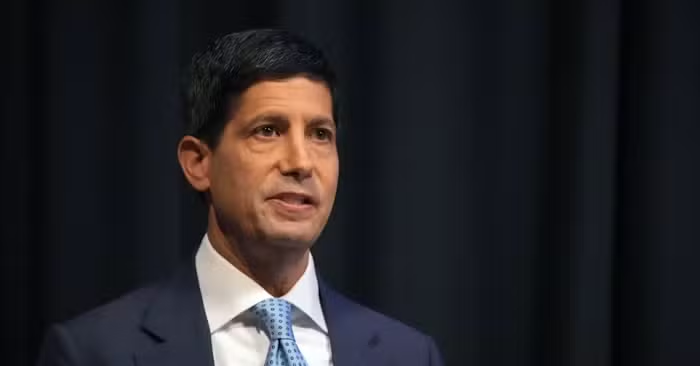
Hawkish Fed poised to raise rates despite stock market turmoil
The Financial Times reports that the Federal Reserve is poised to raise interest rates even as stock market turmoil mounts.
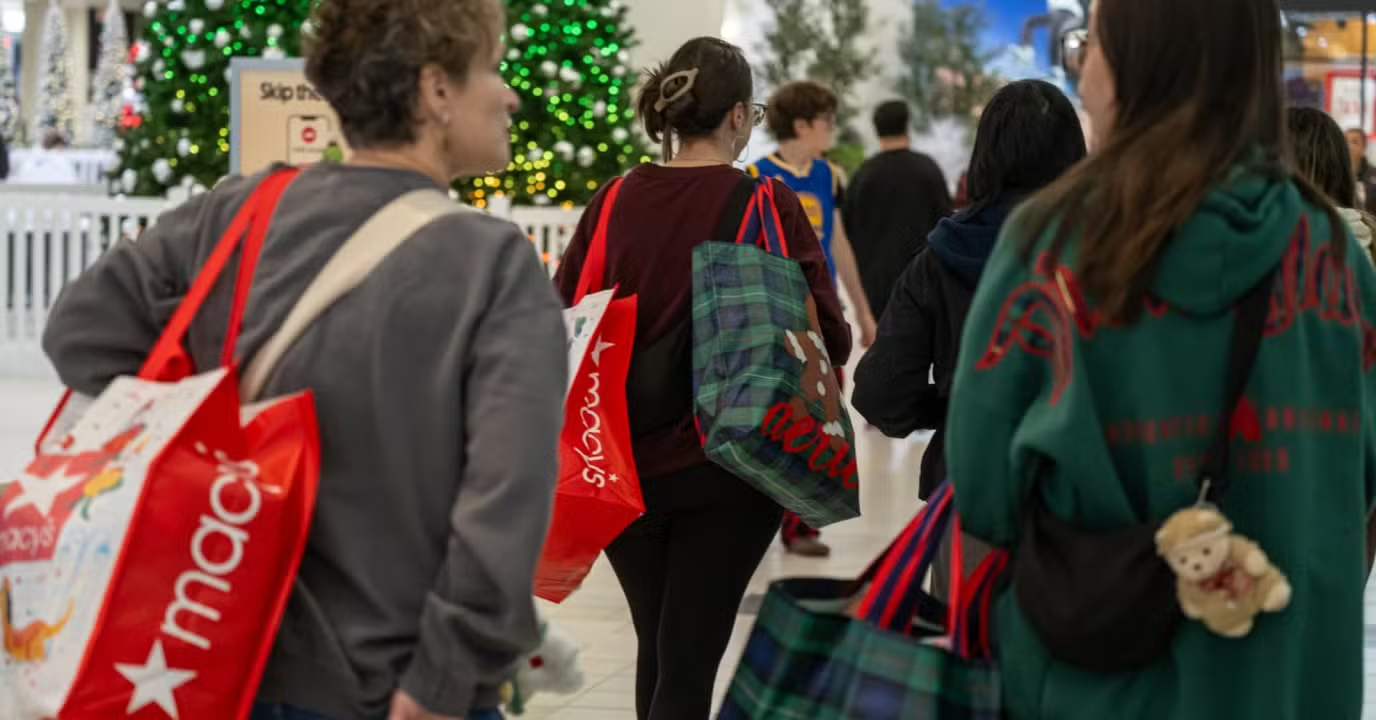
The Fed is likely to raise rates in December. What it means for your holiday spending
CNBC reports the Federal Reserve is likely to raise interest rates at its Dec. 8-9 meeting, and that a hike could raise consumer borrowing costs heading into the peak holiday shopping season, when many households are already under financial strain. As of Tuesday, investors were pricing in a 97% chance of a quarter-percentage-point increase, according to CME Group's FedWatch tool, and New York Fed President John Williams said policymakers have more work to do to bring inflation under control. Credit cards are particularly sensitive because most carry variable rates tied to the prime rate, and Americans are carrying a record $1.29 trillion in credit card debt. Experts say the impact will not be felt evenly: higher-income households that pay their balance in full will see little change, while lower-income and younger households leaning on credit cards will feel the pinch.
Fed policymakers at odds over causes of high inflation
A Reuters analysis reports Federal Reserve policymakers are divided over whether high inflation is driven by overheating demand or supply shocks likely to fade, as they debate rate increases for December 2026 with their credibility on the line after a nearly six-year inflation overshoot. The analysis itself calls the shocks deliberate policy choices by President Donald Trump: steep tariffs imposed in 2025 and the war against Iran launched in February 2026, which pushed global oil prices up 50% to about $120 a barrel. St. Louis Fed staff analysis attributed most excess inflation to supply shocks, yet St. Louis Fed President Alberto Musalem still sees demand playing a significant role, and Fed Governor Christopher Waller says more aggressive action, perhaps a half-percentage-point hike in December, is needed before inflation psychology takes hold. Economists expect the PCE price index, the Fed's target gauge, at 3.8% for October 2026, up from 2.3% in March 2025.
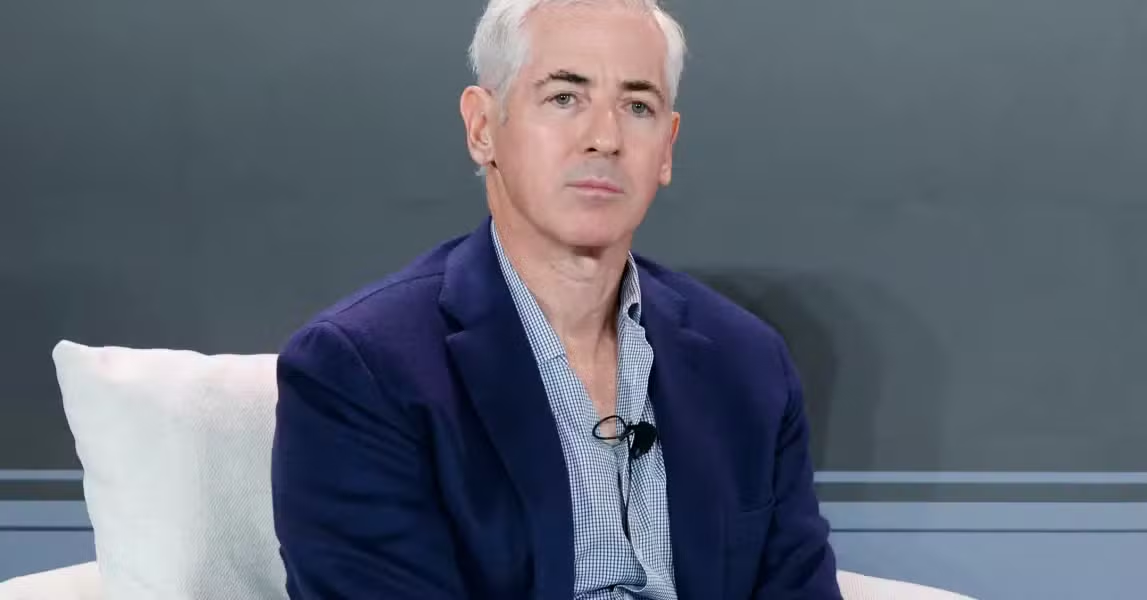
Bill Ackman says the U.S. economy could be headed for another recession—and is placing the blame on Kevin Warsh’s Fed | Fortune
A Fortune news article reports Bill Ackman's warning that the U.S. economy could be headed for another recession, with the Pershing Square founder blaming Federal Reserve Chairman Kevin Warsh's Fed. Writing on X, Ackman says financial conditions have already tightened significantly because of the bond market, and that the Fed's 2% inflation ambition is misguided given geopolitical risk, military spending, deglobalization, tariffs, and massive AI infrastructure investment, so 3% inflation is a more realistic ambition in the new world. He says the Fed will put the U.S. and the world in recession if it continues raising rates in a failed attempt to drive inflation to 2%. Traders largely back his fear of more hikes: on CME's FedWatch, 97.5% expect a 25 basis point increase to 4% to 4.25% at the December 2026 meeting, and UBS economist Paul Donovan says some on the Fed seem to be moving toward advocating a recession in the non-oil economy.
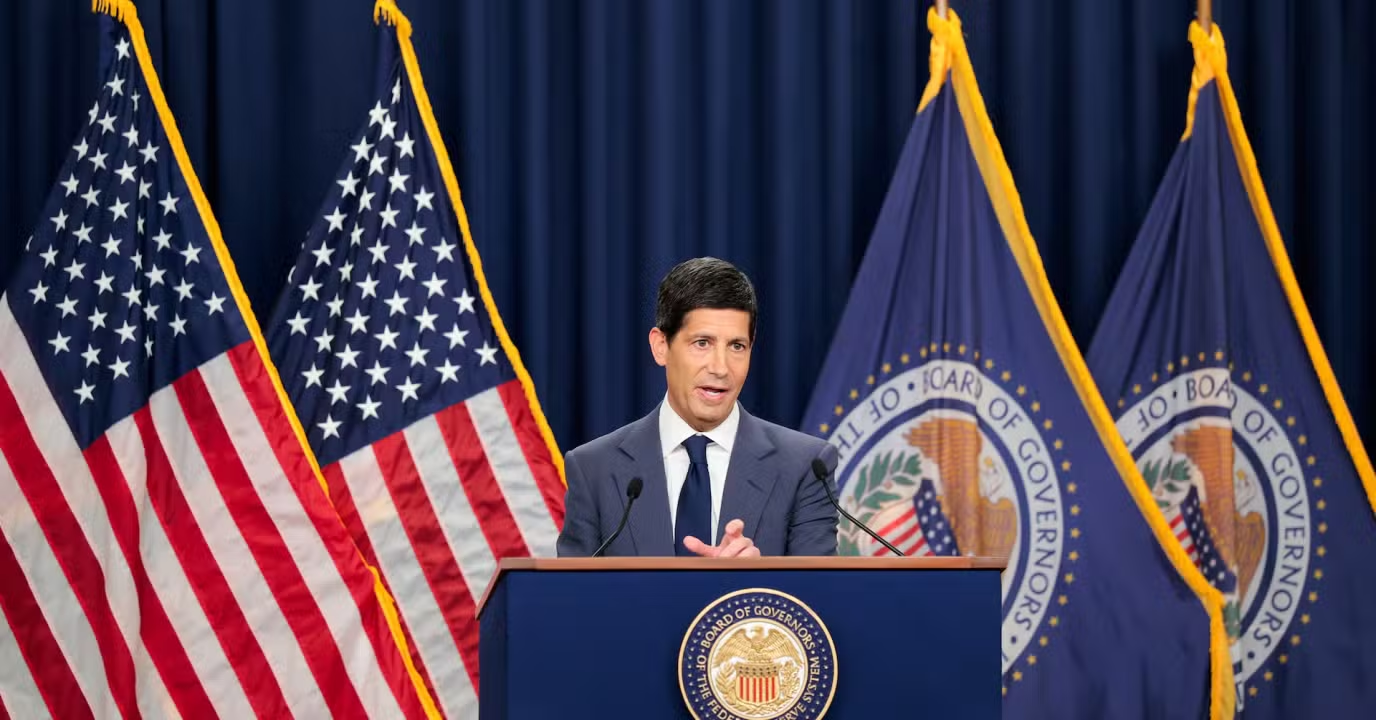
AI boom looms over Warsh's Fed as inflation worries grow
A Reuters news report says the AI boom has become the defining problem for Kevin Warsh's Federal Reserve, as officials debate whether it is a transformational moment, a source of inflation, or a path to economic meltdown. Several Fed policymakers say AI investment is raising inflation and straining the economy's capacity, a view that puts the Fed at direct odds with President Trump, who wants the boom to roll on. Fed officials are expected to follow through with a quarter-percentage-point interest rate increase at their 8-9 December 2026 meeting, a key test for Warsh, who has avoided saying whether the AI boom and inflation run hand in hand. The debate plays out against market nervousness about AI's ability to pay off, a scandal around Nvidia and the brief ouster of its CEO, and voter approval of ballot initiatives meant to slow data-center construction.
Dollar climbs as renewed AI euphoria fuels Fed hike bets
In a Reuters report, the US dollar hovers near a 20-month high as Jensen Huang's reinstatement as Nvidia CEO breathes new life into the AI rally and stokes expectations that the recovery gives the Federal Reserve greater scope to raise rates further. Huang was reinstated on 23 November under pressure from President Donald Trump after resigning over revelations of extramarital affairs, and Nvidia added roughly $950 billion to its market capitalisation overnight. Traders have fully priced in a 25-basis-point Fed hike in December, according to the CME FedWatch tool. Against the resurgent dollar, the euro languished near an 18-month low and sterling struggled at a one-year low, while Commonwealth Bank strategist Carol Kong says markets are buying into the AI narrative again, a pillar of the US exceptionalism story supporting the dollar.
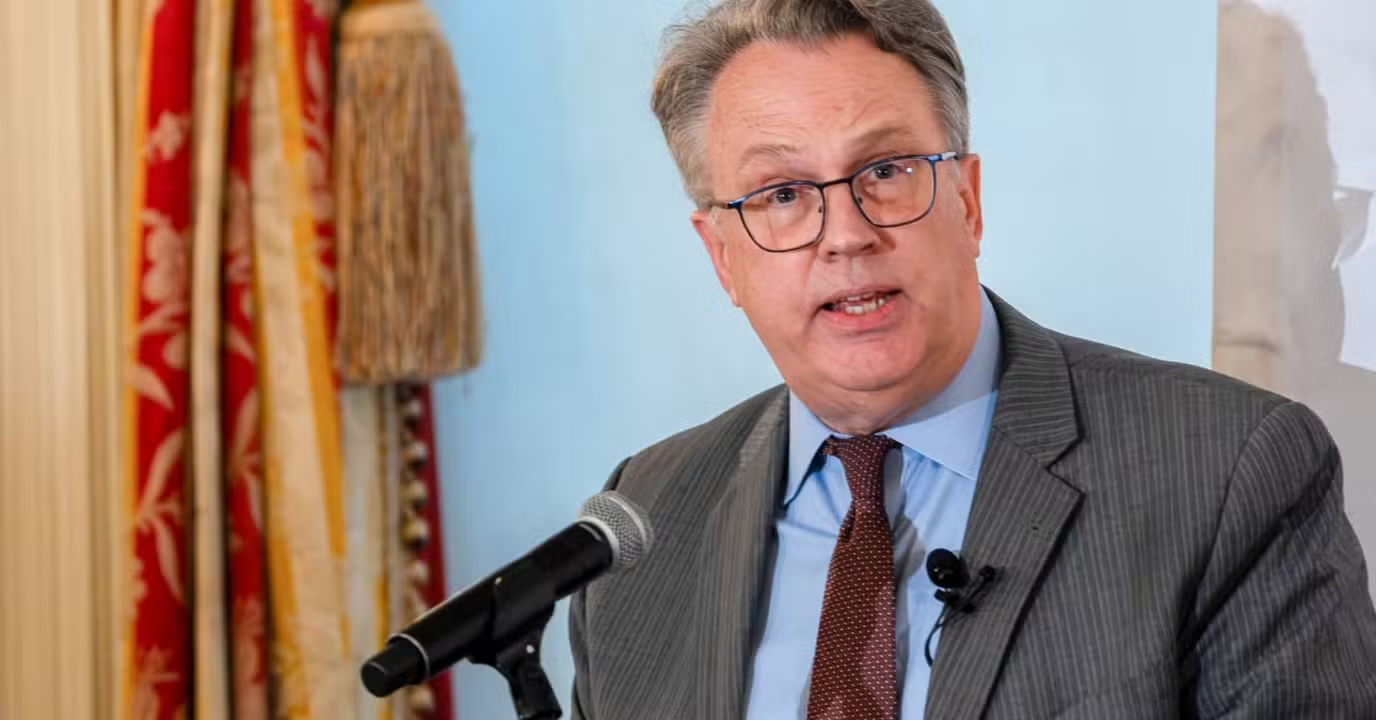
Fed's John Williams indicates higher interest rates likely 'over time' to address inflation
CNBC reports that New York Fed President John Williams, speaking at the University of Mount Saint Vincent, said policymakers have more work to do to bring inflation under control but that further action can unfold over time as the economy grows. He called getting inflation back to 2% '100% essential' and pointed to data showing the economy remains strong while inflation runs too high. He expressed confidence inflation will move closer to the 2% target in 2027 and hit the goal the following year, attributing current pressures to the conflict in Iran, demand tied to the artificial intelligence build-out, and tariffs, whose effects he said have largely abated. The economy continues to grow while inflation stays well above the Fed's goal, and officials differ on how quickly to raise rates; markets fully expect a quarter percentage point increase when the Federal Open Market Committee meets December 8-9, 2025, though Williams did not address that meeting directly.
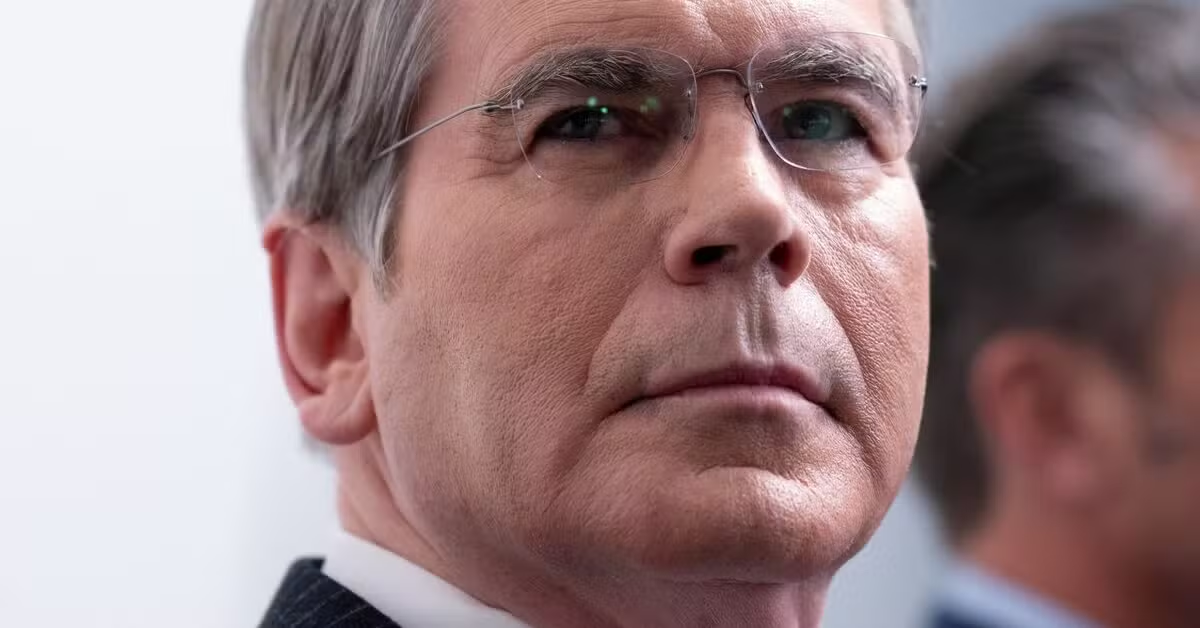
Bessent Warns Fed Risks Overtightening as US Markets Swoon
US Treasury Secretary Scott Bessent has warned that the Federal Reserve risks jeopardizing the US economy by overtightening in response to the latest inflation data, pointing to signs of fragility in the financial system as markets swoon. Speaking on CBS's Face The Nation, he said, "Many people believe that they may be making a policy mistake if they overtighten." He noted a series of hawkish comments from the Fed's governors in the weeks before his interview.
Jim Cramer Says the Fed "Doesn't Need to Do More Than 25"
In a November 20, 2026 post on X, Jim Cramer says the Fed 'doesn't need to do more than 25,' meaning a quarter-point rise, because its point is being made and 'now oil must come down.' The article places him on the smaller side of the debate, noting Fed minutes from that week showed officials saw higher rates as needed in December as inflation worries mounted, and Governor Christopher Waller has said the Fed may need to 'shock people' with a half-point hike. Cramer's case rests on cooling energy prices: West Texas Intermediate crude fell from $107.56 on October 30 to $89.53 by November 17, and regular gasoline dropped 12.1% in a month, though he warns oil is 'embedded' in costs from trucking to food and says if prices bounce again one quarter-point rise may not be enough.
AI is fueling "disturbingly high" inflation, Chicago Fed president says
In a CBS News report, Chicago Fed president Austan Goolsbee says the boom in AI data center construction is adding to inflation he calls 'borderline disturbingly high', with the sector's massive business investment indirectly pushing up service prices and risking an overheated economy. He says the evidence does not suggest U.S. inflation is on a path back to the Fed's 2% annual target, and that the Fed's decisions will hinge on whether it gets there. The report notes consumer prices rose 0.4% in October, faster than economists expected, and that Goolsbee becomes a voting member of the Federal Open Market Committee in January. He says the wealth created by Anthropic's record IPO bears watching as a macro relevant statistic, while most Americans see higher inflation without sharing in the AI boom's upside.
‘Anyone forecasting 2027 is forecasting data centers’: The Fed is about to hike into an AI boom it can’t cool, and Main Street gets the bill | Fortune
In a Fortune column, business editor Nick Lichtenberg argues the Fed is about to hike into an AI boom it cannot cool, leaving Main Street with the bill. The Fed is preparing another hike after holding rates at 3.75% to 4% in October, and its late-October minutes show almost all officials saw more hikes as likely while many noted AI buildout demand was straining supply and raising prices beyond data center industries. Apollo chief economist Torsten Slok estimates AI investment drove roughly 65% of US growth over the past three quarters, so anyone forecasting 2027 is implicitly forecasting data centers. UBS's Paul Donovan says the Fed's worries, oil prices and AI-related demand, are largely beyond its reach, so higher rates would mainly hit mortgage, car loan and credit card borrowers already falling behind prices, while voters rejected data centers in 44 places in the midterms.
Fed officials expect more rate hikes, worry about AI impact on inflation, minutes show
Minutes from the Federal Reserve's October meeting show officials confident that further interest rate hikes will be needed to stem inflation, though they held rates steady at a range between 3.75 and 4 percent to gather more information, voting 10-2 with Governor Lisa Cook and Cleveland Fed President Beth Hammack dissenting for a quarter-point hike. The minutes put artificial intelligence at the core of discussions, calling AI-related demand a material source of inflation risk and flagging financial instability from rapidly growing AI debt built through complex, opaque financing and concentrated among a few firms. Since the meeting, October consumer price index readings came in 0.1 percentage point above expectations, and Governor Christopher Waller said Wednesday the Fed may have to shock markets with a half-point hike in December, a move markets are pricing only at low odds for the December 8-9 meeting.
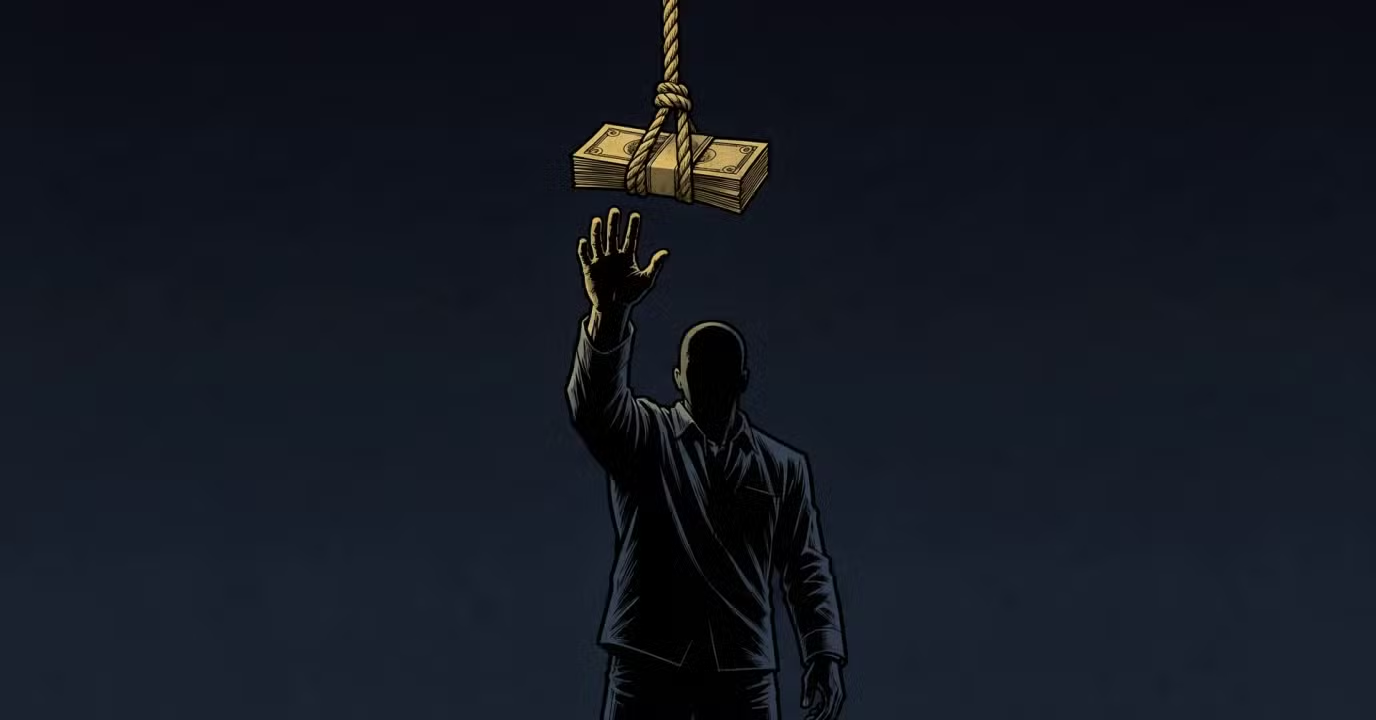
Bessent Tells the Fed Not to Hike “Too Much”
Treasury Secretary Scott Bessent urged the Federal Reserve on CNBC on November 13, 2026, not to 'hike too much into an energy supply shock', saying the shock is easing and the Fed should look through it rather than react to very noisy data. The article, a 24/7 Wall St. markets analysis, notes the Fed sets rates independently and officials still leaned toward another hike, with Reuters reporting markets fully price a quarter-point raise at the December 8-9, 2026 and January 26-27, 2027 meetings. It finds that investors in the iShares 20+ Year Treasury Bond ETF, which fell 3.1% for the week as the 30-year yield closed at 5.47%, face a split between Bessent's call for restraint and the Fed's focus on services inflation that cheaper fuel cannot fix, and expects near-term risks for the fund to lean toward further losses.
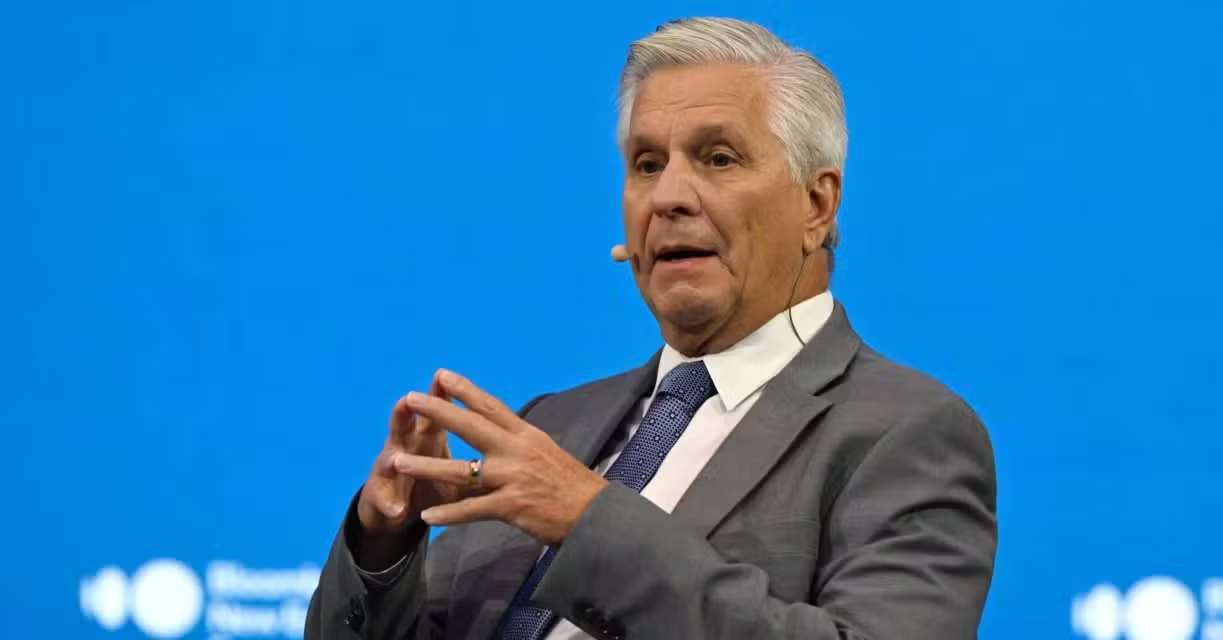
Hot Inflation Revives Wall Street’s Rate Hike Fears
Hot inflation data and hawkish remarks from Fed governor Christopher Waller revived Wall Street's fears that the Federal Reserve will raise interest rates. Investors had spent recent weeks tuning out the Fed to focus on cracks in the artificial-intelligence trade, but the one-two punch of hot inflation and hawkish comments got their attention. A linked Journal article reports AI jitters and rate-hike fears combined for the worst day for stocks since July, as the Nasdaq edged lower and the tech rally stalled.

