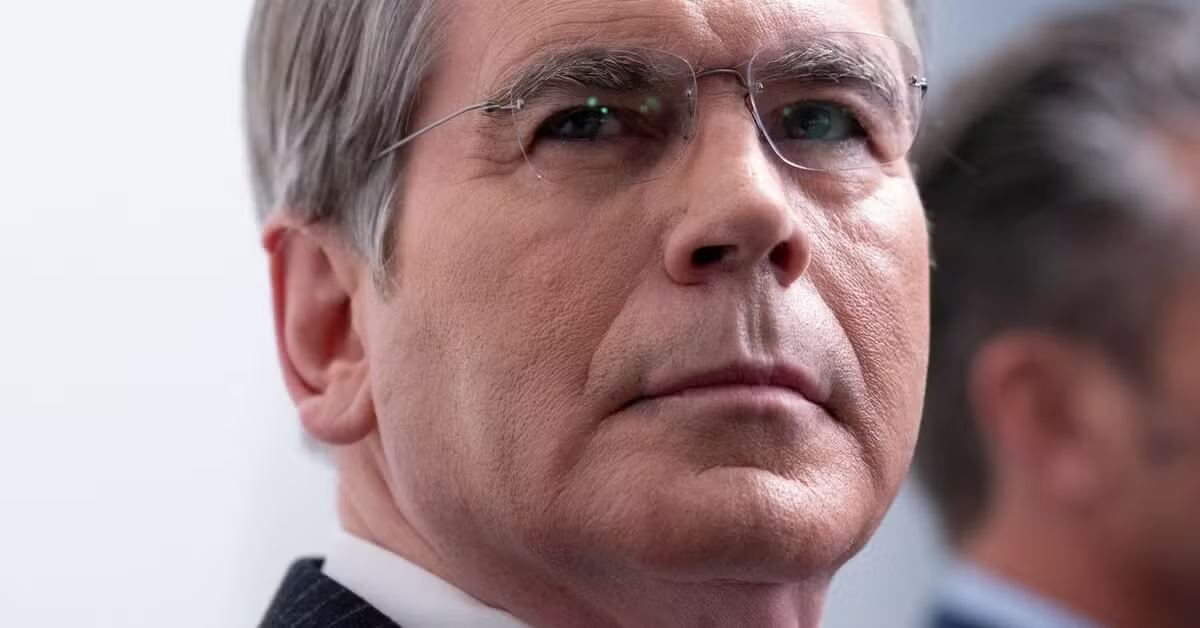
Bessent Warns Fed Risks Overtightening as US Markets Swoon
US Treasury Secretary Scott Bessent has warned that the Federal Reserve risks jeopardizing the US economy by overtightening in response to the latest inflation data, pointing to signs of fragility in the financial system as markets swoon. Speaking on CBS's Face The Nation, he said, "Many people believe that they may be making a policy mistake if they overtighten." He noted a series of hawkish comments from the Fed's governors in the weeks before his interview.
Jim Cramer Says the Fed "Doesn't Need to Do More Than 25"
In a November 20, 2026 post on X, Jim Cramer says the Fed 'doesn't need to do more than 25,' meaning a quarter-point rise, because its point is being made and 'now oil must come down.' The article places him on the smaller side of the debate, noting Fed minutes from that week showed officials saw higher rates as needed in December as inflation worries mounted, and Governor Christopher Waller has said the Fed may need to 'shock people' with a half-point hike. Cramer's case rests on cooling energy prices: West Texas Intermediate crude fell from $107.56 on October 30 to $89.53 by November 17, and regular gasoline dropped 12.1% in a month, though he warns oil is 'embedded' in costs from trucking to food and says if prices bounce again one quarter-point rise may not be enough.
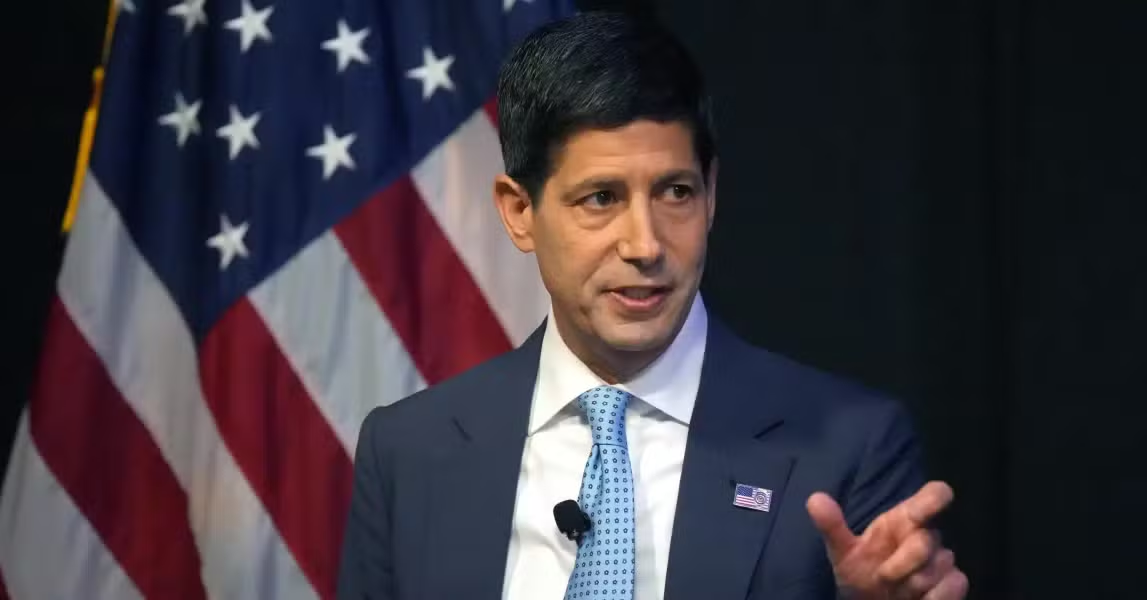
‘Anyone forecasting 2027 is forecasting data centers’: The Fed is about to hike into an AI boom it can’t cool, and Main Street gets the bill | Fortune
In a Fortune column, business editor Nick Lichtenberg argues the Fed is about to hike into an AI boom it cannot cool, leaving Main Street with the bill. The Fed is preparing another hike after holding rates at 3.75% to 4% in October, and its late-October minutes show almost all officials saw more hikes as likely while many noted AI buildout demand was straining supply and raising prices beyond data center industries. Apollo chief economist Torsten Slok estimates AI investment drove roughly 65% of US growth over the past three quarters, so anyone forecasting 2027 is implicitly forecasting data centers. UBS's Paul Donovan says the Fed's worries, oil prices and AI-related demand, are largely beyond its reach, so higher rates would mainly hit mortgage, car loan and credit card borrowers already falling behind prices, while voters rejected data centers in 44 places in the midterms.

