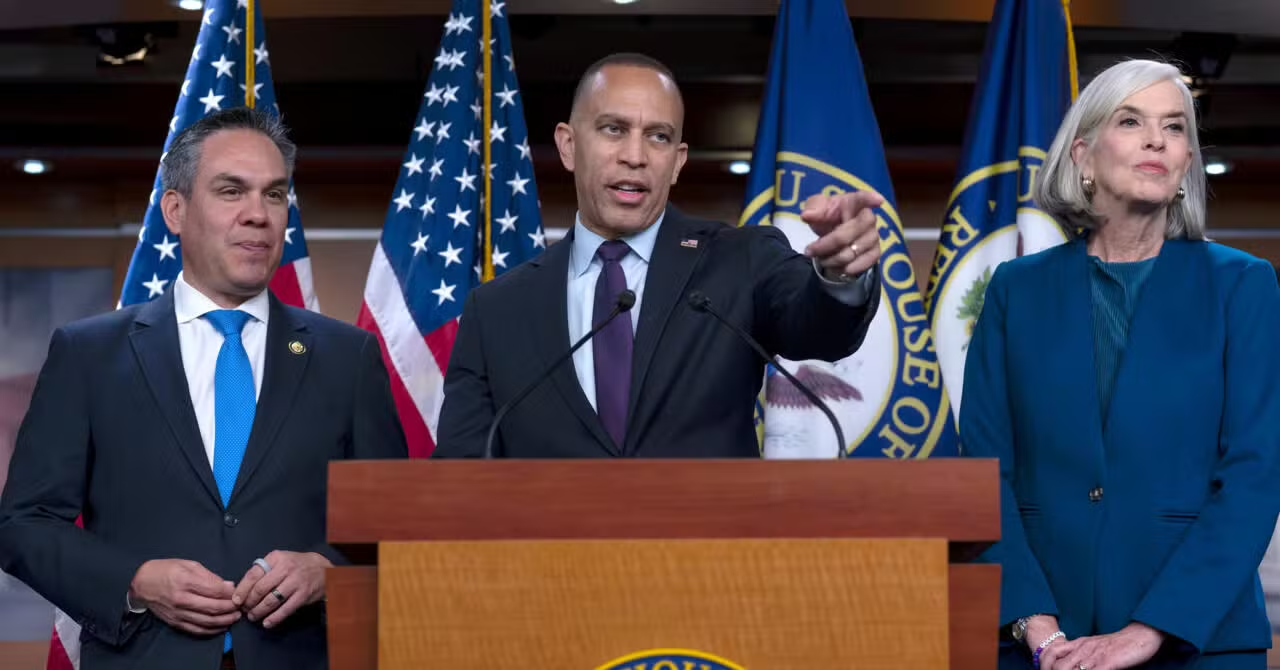
Présidentielle américaine 2028 : le Parti démocrate lance l'offensive contre le "Big money"
In a France 24 report, the Democratic Party is launching an offensive against 'Big money' by making its 2028 presidential primary candidates sign a pledge to fair campaign practices: they must give up local party committees' financial backing before the nomination and publicly disavow outside spending, starting with Super PACs, on pain of exclusion from the debates. The move rides on midterm victories won despite record outside spending: James Talarico beat Ken Paxton in Texas despite more than 150 million dollars from Elon Musk's group, and Abdul El-Sayed won in Michigan after campaigning against big-donor money, in a cycle where spending neared 11.9 billion dollars nationwide, a midterm record. The pledge applies only to the primary, and, according to the article, its Super PAC measure has no binding force: a candidate disavows each group once, and nothing stops the ads. Critics in the party warn a candidate could be swamped by outside attacks, that self-financing billionaires like J. B. Pritzker would be advantaged, and that the eventual nominee will return to Super PACs for the general election.
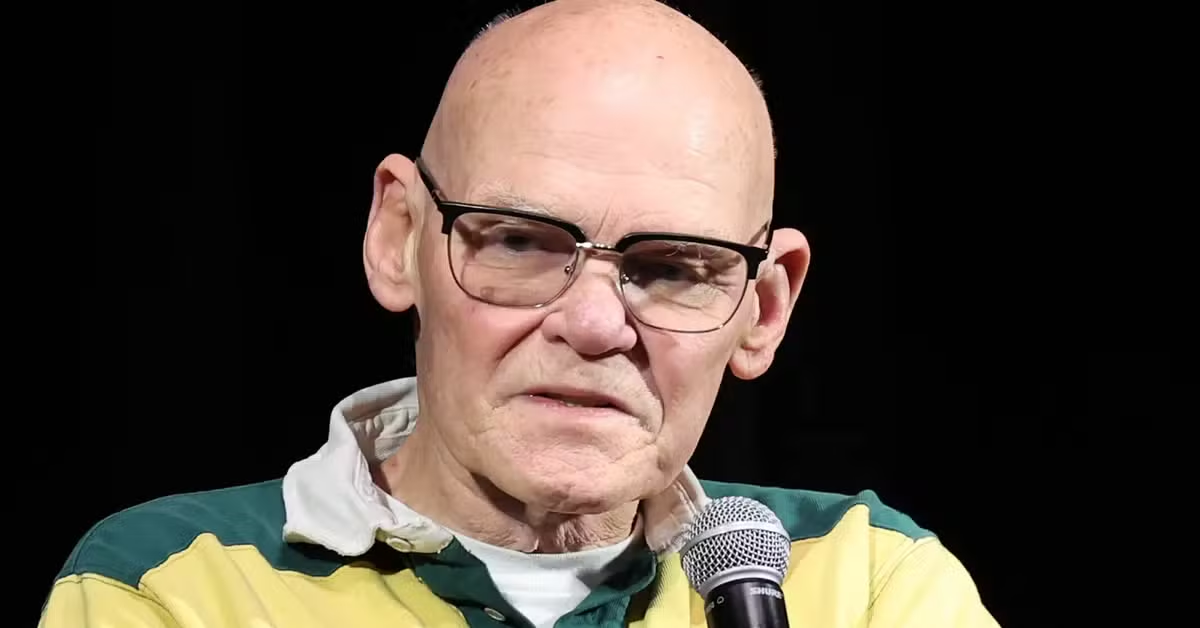
‘Not Your F**king Job’: James Carville Tears Into Democrats Over New 2028 Rule
James Carville has torn into the Democratic National Committee's rule requiring prospective 2028 presidential candidates to sign a pledge denouncing super PACs or dark money groups to qualify for its debates. On his 'Politics War Room' podcast, the longtime Democratic strategist argued the effort to curb outside spending in the primaries could backfire, saying the people who most want the policy are 'the billionaire class.' He pointed to billionaire Illinois Gov. JB Pritzker, a potential contender, who he said does not need super PAC funding, and told DNC members that primary voters, not party officials, run the party.
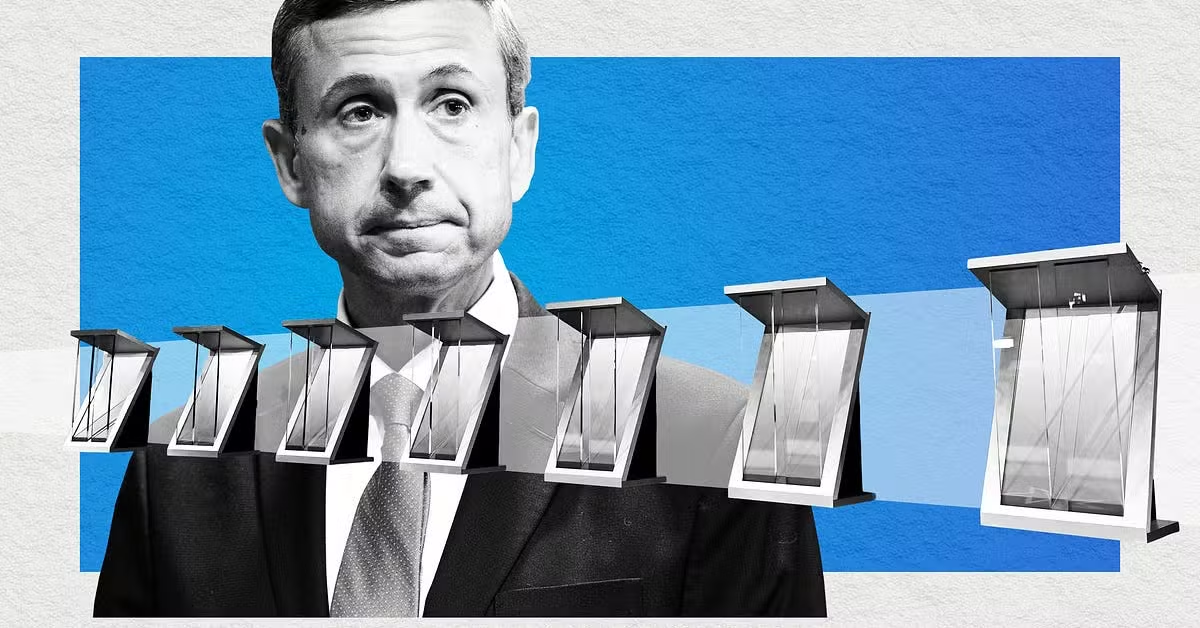
No One Likes the DNC’s New Debate Rules
The Democratic National Committee's new rules for the 2028 primary debates, requiring candidates to sign a pledge denouncing super PAC and dark money spending before appearing on stage, were met with quick concerns from party operatives. Under the pledge, campaigns police each other and report violations, and the DNC decides whether a violator must take remedial action or be barred from the debates. Some strategists argue the pledge favors self-funding candidates, hurts governors without large federal campaign accounts, and would make the eventual nominee look hypocritical when outside spending is welcomed in the general election. DNC chair Ken Martin acknowledged the pledge is 'not a perfect solution' but said Democrats still 'have to live our values'.
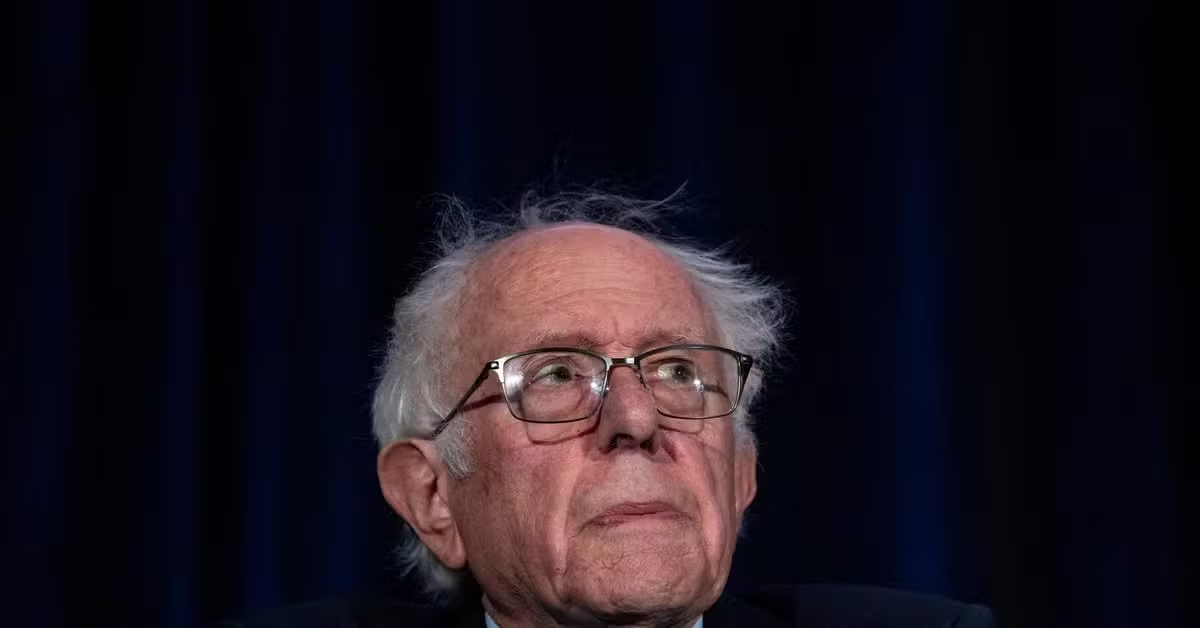
View: Democrats’ long 2016 primary is finally over — and Sanders won
In a Semafor view column, David Weigel argues that Democrats' long 2016 primary is finally over and Bernie Sanders won: the Democratic National Committee's new Fair Campaign Practices Pledge, requiring candidates to reject super PACs or forfeit the 2028 debate stage, gives Sanders what he has wanted since losing to Hillary Clinton. The party began accommodating Sanders after Clinton's 2016 defeat, when the Unity Reform Commission changed the primary process largely as he asked, and he went on to win neutering of superdelegates. Weigel notes the pledge only commits candidates to shaming and shunning super PACs, and many Democrats consider it unenforceable, but the Sanders wing clearly sees it as a win. With that fight settled, he forecasts, the 2028 primary can begin.
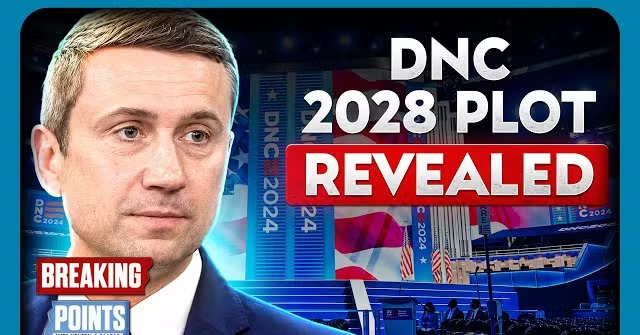
2028 SHOCK: DNC Demands Anti DARK MONEY PLEDGE For Presidential Contenders
The Democratic National Committee will require 2028 presidential primary candidates to sign a pledge against super PAC and dark money spending to join its debates, according to party chair Ken Martin. In clips, Martin says the pledge will make candidates disavow super PAC spending made in their name or to attack rivals, while conceding the party does not have the power to end such spending, and CNN reports the pledge, called the fair campaign practices pledge, will come with a published tracker of complaints and denunciations. On Breaking Points, the co-hosts say the pledge is more of a signaling position since PACs can still spend after a candidate denounces it, and they predict every candidate will sign it anyway because it is the price of the debate stage, though they think shaming candidates over the money could still matter if the Democratic base enforces it. A graphic the show shows breaks down each contender's small-dollar donations, with the co-hosts singling out Alexandria Ocatio-Cortez at 65% and John Ossoff at 55% as the standout fundraising engines, and the DNC's plan to hold twelve debates starting in June also comes up, which one co-host calls a good number.
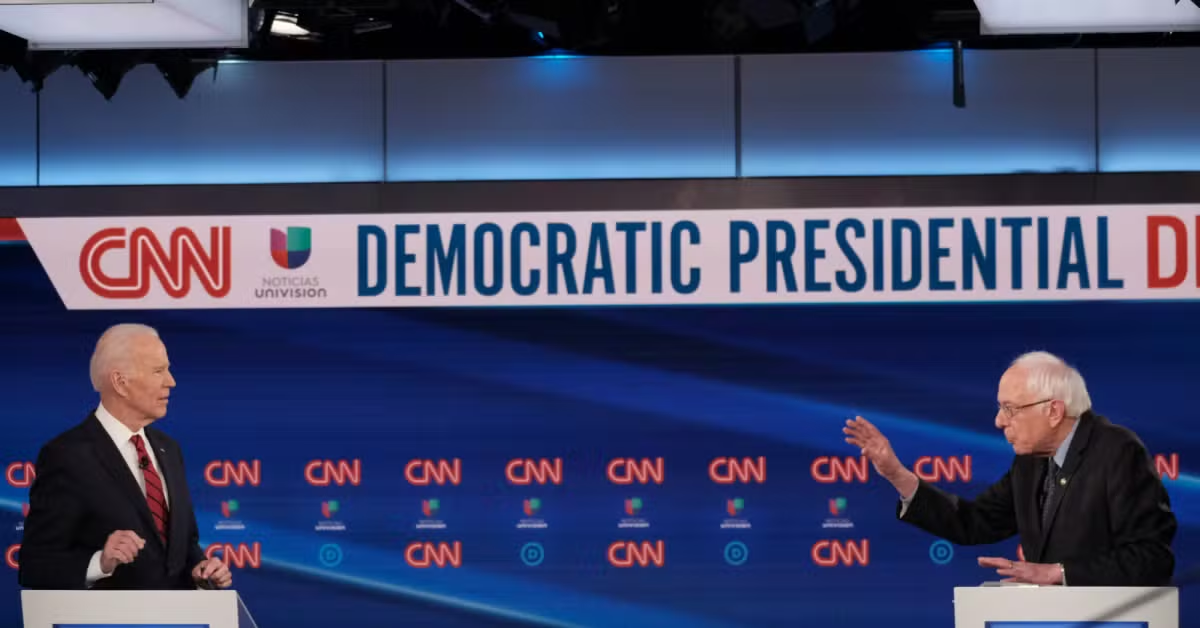
The DNC's new Super PAC pledge has no teeth, and everyone knows it
The Democratic National Committee has announced that presidential candidates must disavow super PAC support to participate in its debates, a rule backed by progressive figures like Bernie Sanders and Elizabeth Warren. But Mother Jones argues the pledge has no teeth, citing strategists who told Politico and the Washington Sun that candidates and the party have no real power over super PAC spending and that the money will come in anyway without enforceable campaign finance reform. Even DNC Chair Ken Martin concedes it is 'not a perfect solution' that will not 'end dark money spending', saying it is more about starting the conversation, while advisers to potential hopefuls call it 'half-baked' and predict that once one candidate ignores the rules, many will.

The DNC wants 2028ers to disavow dark money. Dems say it’s complicated.
The Democratic National Committee is requiring would-be 2028 presidential candidates to denounce super PAC and dark money spending on their behalf if they want to join the party's dozen primary debates, a move Politico calls the first litmus test of the primary and one already dividing the party. Under the one-page Fair Campaign Practices Pledge, campaigns can report outside spending so the party can prompt the field to disavow it, tracked publicly, but the pledge covers only the primary, exempts groups targeting Republicans, and cannot actually stop the spending since federal law already bars coordination. Aides and operatives warn the pledge is at best toothless and at worst unilateral disarmament against Republican megadonor-backed groups, and could favor self-funders and senators with big federal war chests. DNC Chair Ken Martin acknowledges its limits but says the imperfect step lets the party live its values, while Wes Moore spokesperson Ammar Moussa quoted on X accuses Democrats of virtue signaling that could cost elections.
The First Squabble Of The 2028 Democratic Primary Is Here, And It’s Over 'Dark Money'
The Democratic National Committee has issued guidelines requiring 2028 presidential candidates to denounce undisclosed outside spending from super PACs or donor nonprofits in order to appear in the party's dozen planned debates, and the move has split Democratic strategists. Progressives including Sen. Elizabeth Warren and Rep. Greg Casar praised the step, but moderates question how the rules could be enforced and argue outside money is an inescapable part of modern campaigns. Some strategists worry the rules would leave candidates vulnerable to GOP attacks, look hypocritical, or handicap everyone who cannot self-fund, which is nearly every potential contender except Illinois Gov. JB Pritzker. Ken Martin, the DNC chair who has long sought to excise undisclosed cash, calls it an imperfect solution aligned with party values, while an anonymous former DNC strategist predicts the rules will not stop dark money and may only force candidates to talk out of both sides of their mouth.
DNC Mandates 2028 Presidential Hopefuls Reject Dark Money for Debate Eligibility
Truthout reports that the Democratic National Committee will require 2028 presidential candidates to sign a pledge rejecting dark money to qualify for the party's 12 primary debates, the first in June and July of 2027. The pledge bars campaigns from soliciting super PACs and 501(c)(4) groups and requires candidates to denounce unacknowledged outside spending, though spending by other means is still allowed, and violators are barred from debates until they denounce, reimburse, or terminate the spending. Truthout calls the requirement a small step, noting outside spending such as the roughly $60 million, including over $30 million from AIPAC's super PAC, that shaped the Michigan primary between Haley Stevens and Abdul El-Sayed. Bernie Sanders calls the move excellent while urging its expansion to Democratic House and Senate primaries and legislation to overturn Citizens United v. FEC.
Democrats announce plans for 12 debates starting in June for 2028 race
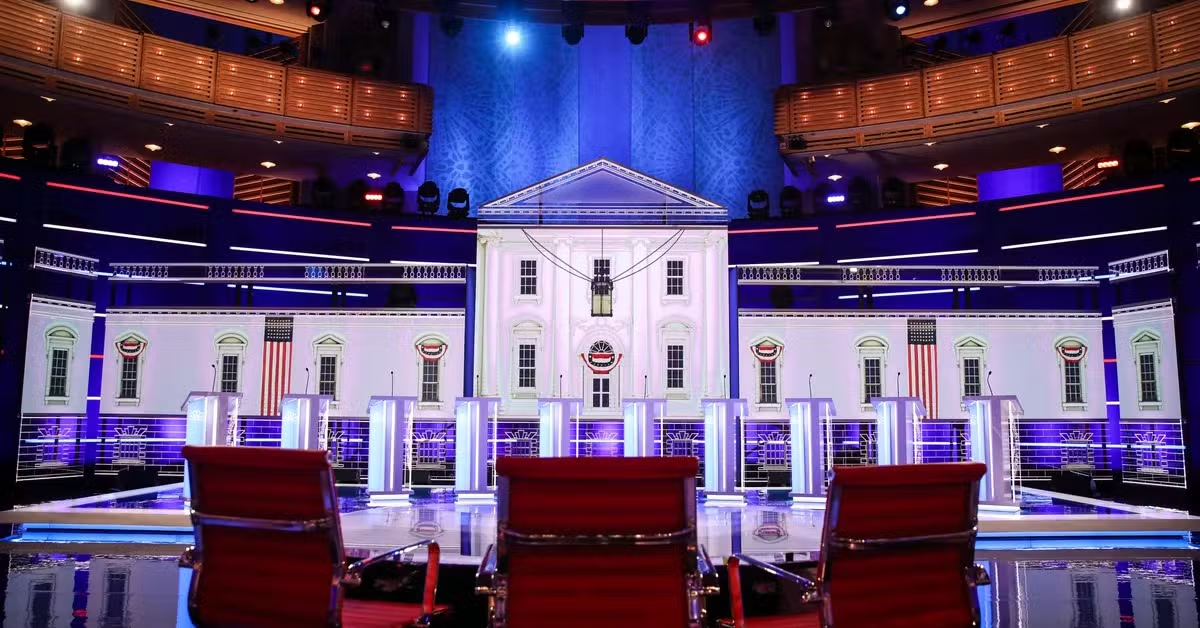
The Democratic National Committee has announced plans for 12 presidential primary debates ahead of the 2028 election, five in 2027 and seven in 2028, starting in June 2027 as the field narrows. Debate participants will be capped at 20, and crowded debates may be split over two nights with candidates chosen at random. The framework also requires candidates to sign a pledge to publicly denounce super PAC and dark money support, part of DNC chair Ken Martin's push against dark money, though the party acknowledges it cannot prohibit such outside spending. No Democratic candidates have declared for the race yet, and the announcement comes as the party is emboldened by big midterm wins, including its largest House majority since 1992.
Dem Governors Org Slams DNC’s New Debate Rule
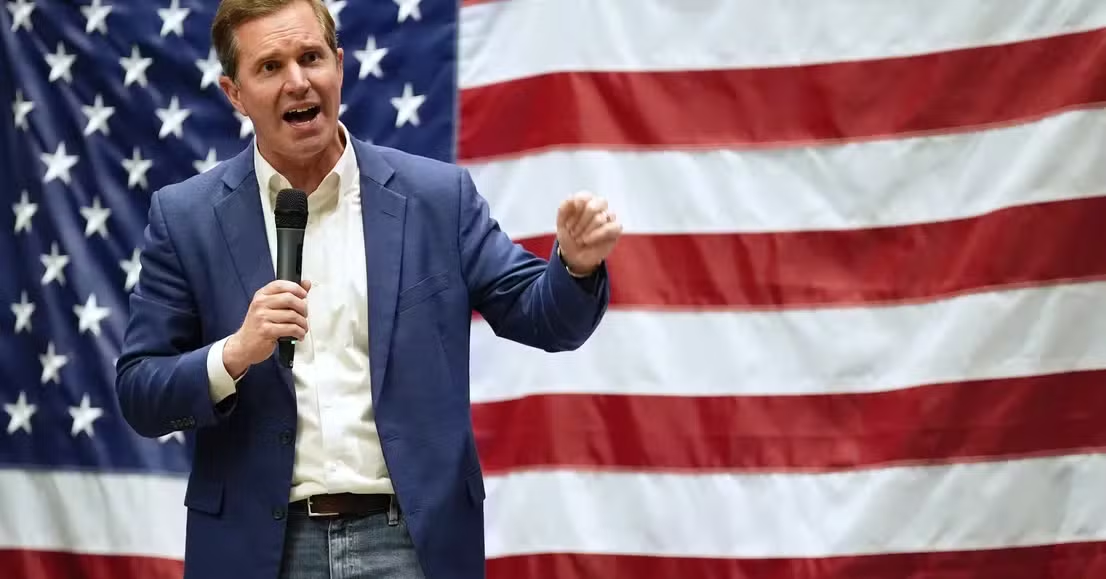
HuffPost's live politics updates lead with the Democratic Governors Association's attack on the Democratic National Committee's new rule, which requires 2028 primary candidates to disavow spending on their behalf from groups that do not disclose their donors, such as super PACs, to qualify for the party's debates. The group's executive director, whose organization is led by Kentucky Gov. Andy Beshear, says the rules were written without Democratic governors in mind and undercut their ability to compete, while the DNC maintains the framework ensures a transparent, fair, and rigorous process, and other Democrats argue it favors candidates with personal wealth or big grassroots fundraising. The page also covers record tides and waves from an unusually strong El Niño battering the California coast, partially collapsing Pacifica Pier; the Pittsburgh Steelers benching Aaron Rodgers for Mason Rudolph; New York City postponing the Macy's Thanksgiving Day Parade for weather for the first time; questions facing Nvidia CEO Jensen Huang over a suspected Chinese spy and AI chip sales to China; U.S. District Court Judge Christopher Cooper blocking President Donald Trump's second birthright citizenship order; Sen.-elect Troy Jackson backing Chris Van Hollen over Chuck Schumer in Senate Democrats' leadership race; and Ms. Rachel's anger, in an interview with Hasan Minhaj, over celebrities not speaking up for Palestinian children.
2028 Dem Presidential Candidates Must Disavow Super PACs To Make Debate Stage
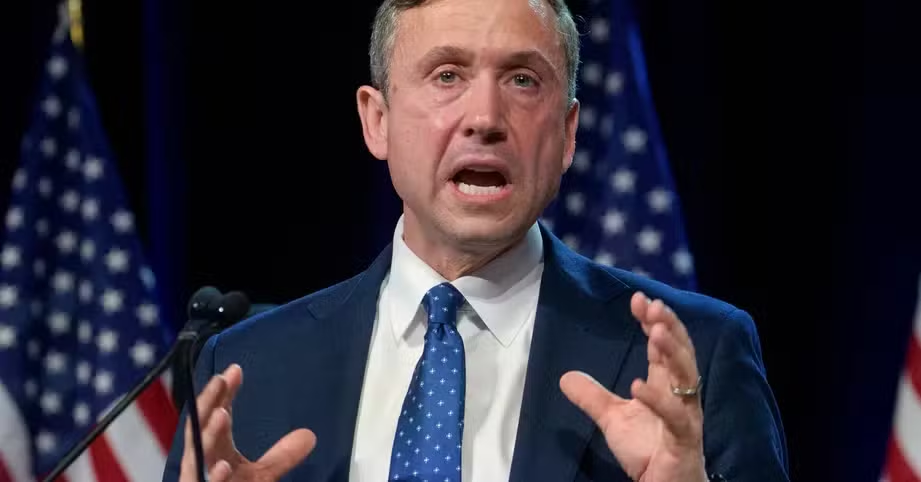
In its live-updates article, HuffPost reports President Donald Trump confirmed he spoke directly to Nvidia's board to push the reinstatement of co-founder Jensen Huang as CEO, less than two weeks after Huang resigned over reports of several extramarital affairs, including one with a suspected Chinese spy. Nvidia stock rose around 30 percent on the news, and Trump told CNBC he was 'doing it for the country,' arguing the greater threat would be losing Huang's brain power, possibly to China. The board said it received input from senior levels of the US government and sees no national security risk, but the House Foreign Affairs, Intel, and China committees say their investigations continue, with Huang still due to testify Dec. 1 and Dec. 2, and Rep. Raja Krishnamoorthi calling the decision 'outrageous.' The same live blog tracks the Democratic National Committee's announcement that 2028 primary candidates must disavow super PAC support to reach its dozen scheduled debates.
Democrats to candidates: Reject super PACs for debate access
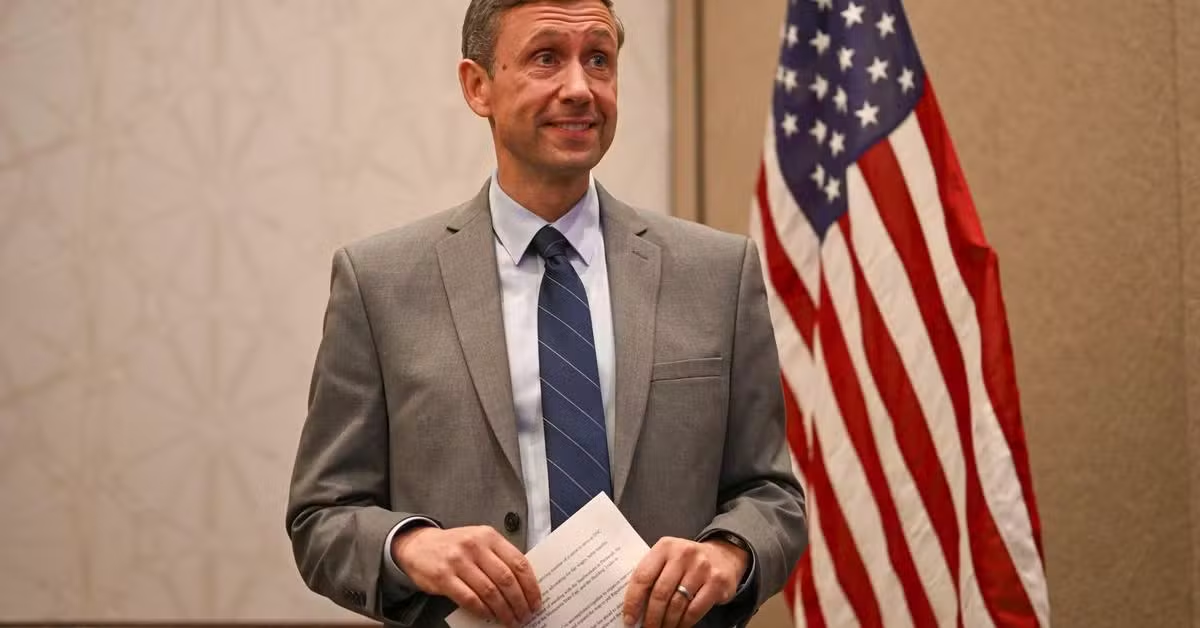
Semafor's Washington newsletter leads with the Democratic National Committee's updated party rules, released 23 November 2026, which bar candidates from the 2027 presidential debates unless they denounce dark money. The one new rule is a Fair Campaign Practices Pledge committing candidates not to accept super PAC backing or form a joint fundraising committee with the party, while most guidelines carry over from the 2020 primary, with a mix of poll and donor numbers deciding who gets onstage at the first debate in June 2027. Both changes trace to 2016, when Bernie Sanders's supporters accused the committee of favoring Hillary Clinton, and Sanders has since called on the party to restrict dark money.

