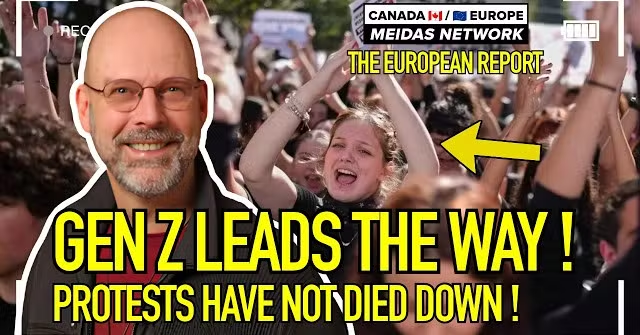
GEN Z LEADS THE WAY IN EUROPE!
Tashihola’s video report for Midas Touch Canada says European protests have shifted from large single-country rallies toward coordinated youth-led action, even as crowds shrink amid police violence and new police powers. She says an international youth strike took place on 20 November in more than 25 countries and over 400 towns, while protest action occurred in 21 EU member states between 12 and 23 November. Tashihola links declining protest numbers to increased police force and new laws, particularly in France and Germany, and says the German law allows secret police to enter homes and install spyware without a court order. She also says Germany’s four separate protest movements have different schedules, making it difficult for people to choose which to attend.
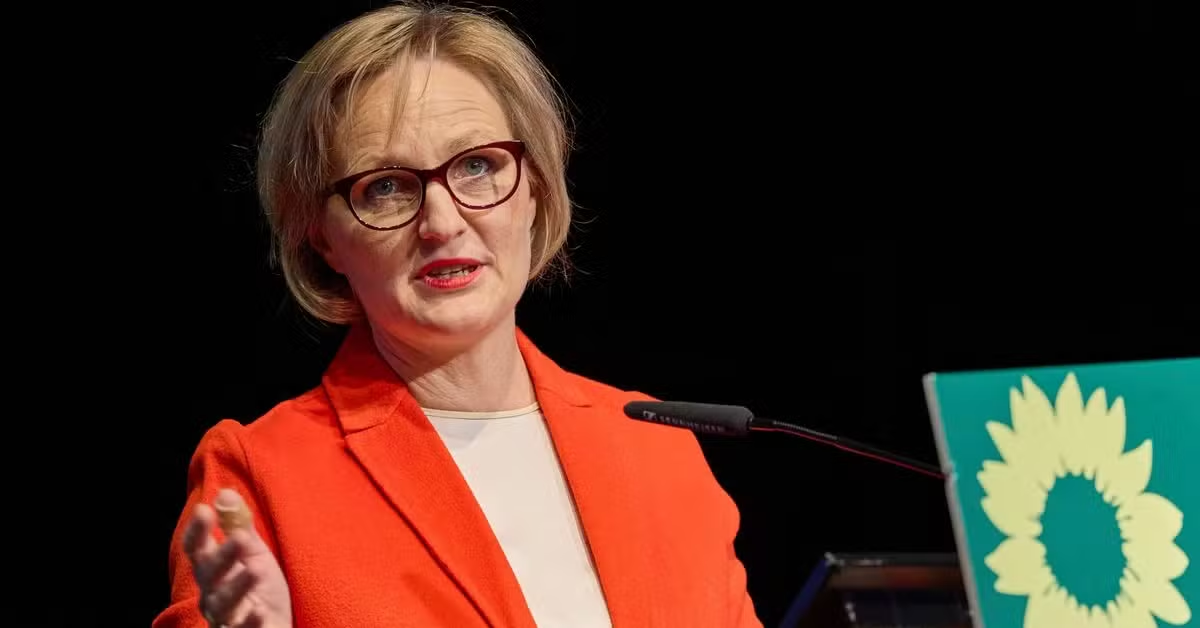
Grünenchefin Brantner spricht von »Söder-Geschenken« zulasten der jungen Generation
A Spiegel article reports that Green Party co-leader Franziska Brantner has backed the youth protests against the federal government's austerity plans, as many young people demonstrate under the motto 'Gen Z regelt', with tens of thousands nationwide on the Friday before the article demanding more money for schools, an affordable life, more climate protection, and a no to conscription. According to the news agency dpa, Brantner accused the CDU/CSU and the SPD at a Hamburg Greens party conference of a cruel policy at the expense of the next generation. She said that instead of investing in schools and early childhood education, money from the special fund goes into 'Söder gifts', referring to the Mothers' Pension pushed through by Bavarian Minister President Markus Söder of the CSU, and that of one billion euros planned for schools, less than one percent has reached the schools so far, which she called unacceptable.
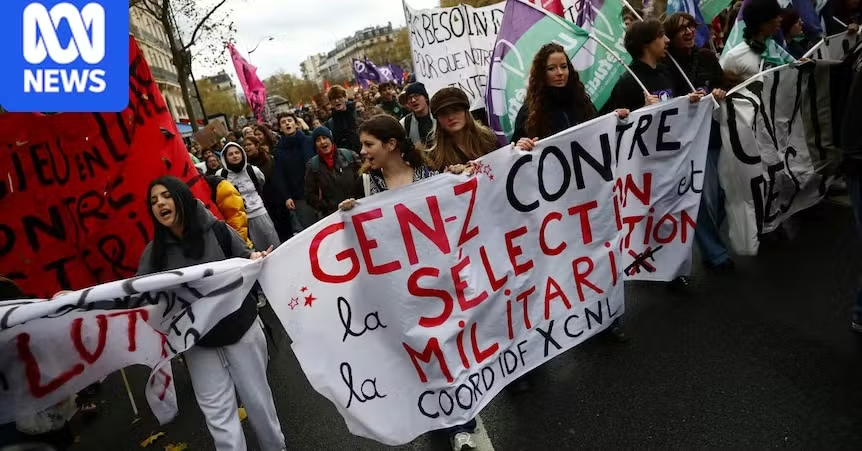
Students rally across Europe over cost of living, war and education cuts
Students across Europe rallied over living costs and education cuts, demanding more education funding and lower defence spending. The demonstrations took place in multiple countries, with thousands gathering in cities including Rome, London and Berlin. Protesters also raised concerns about housing, climate change and military service, united by the belief that decisions about their future are being made without them or at their expense. Organisers say the protests are the start of a campaign.
Thousands protest across Europe demanding better wages and services
Workers and students staged coordinated protests across Europe demanding better wages, living conditions and public services, while opposing military spending. Demonstrations began in more than 25 European countries on 20 November 2026, following weeks of protests over housing costs, education and military spending. In Italy, a 24-hour strike sparked demonstrations in more than 100 locations and disrupted transport, schools and some health facilities. The protests are expected to continue through the weekend.
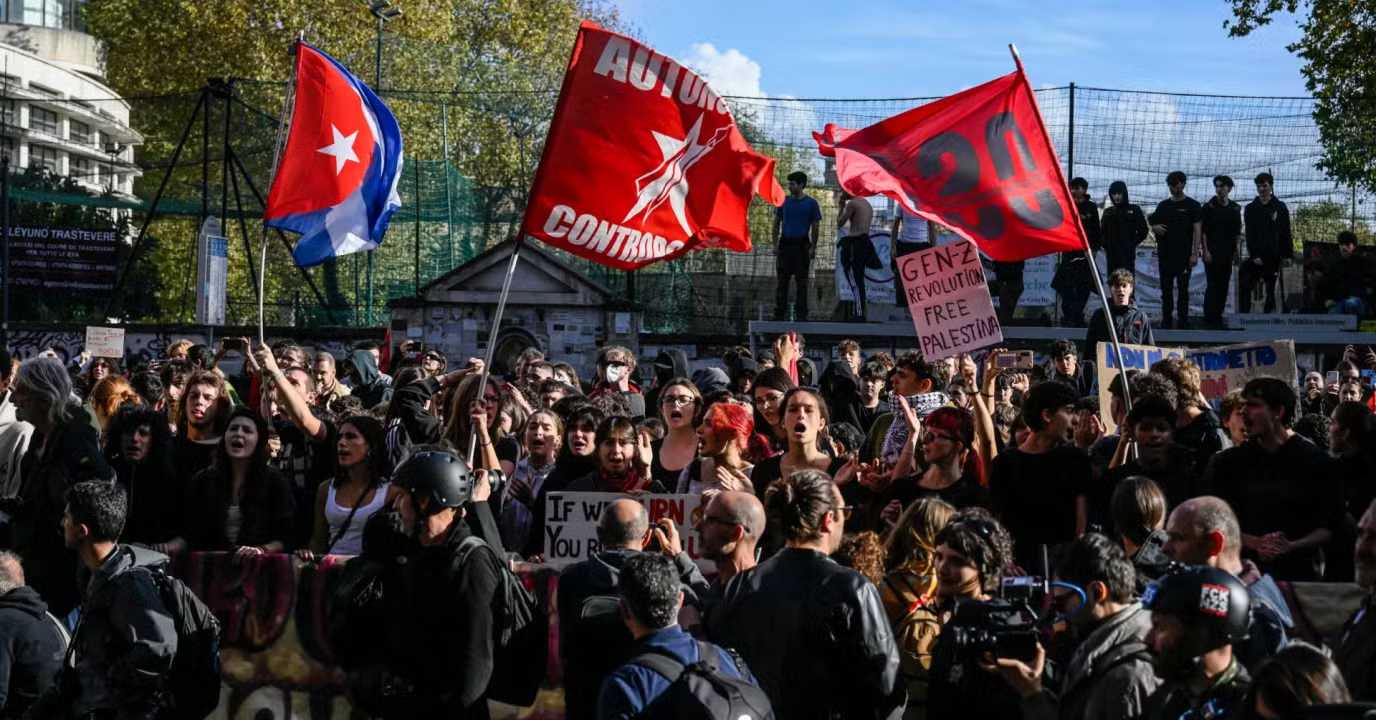
Protests held across Europe over wages, services, high living costs
Protesters rallied across 25 European countries on 20 November 2026 over high living costs, military spending and the climate crisis, demanding higher wages and greater investment in public services. The demonstrations, held in countries including the United Kingdom, Germany, Spain, Italy and Croatia, were inspired by protests in France that began in September 2026 and turned violent. Italy saw the biggest mobilisation, with tens of thousands protesting in more than 100 cities alongside a general strike by the CGIL union, which followed an October rally that descended into rioting and prompted Giorgia Meloni's government to deploy the army and approve security measures. "Across Europe and among ordinary people, the demand for change is growing," CGIL leader Maurizio Landini told a rally in Rome, where news agency ANSA reported some demonstrators threw objects at the Ministry of Education and clashed with police in Bologna.
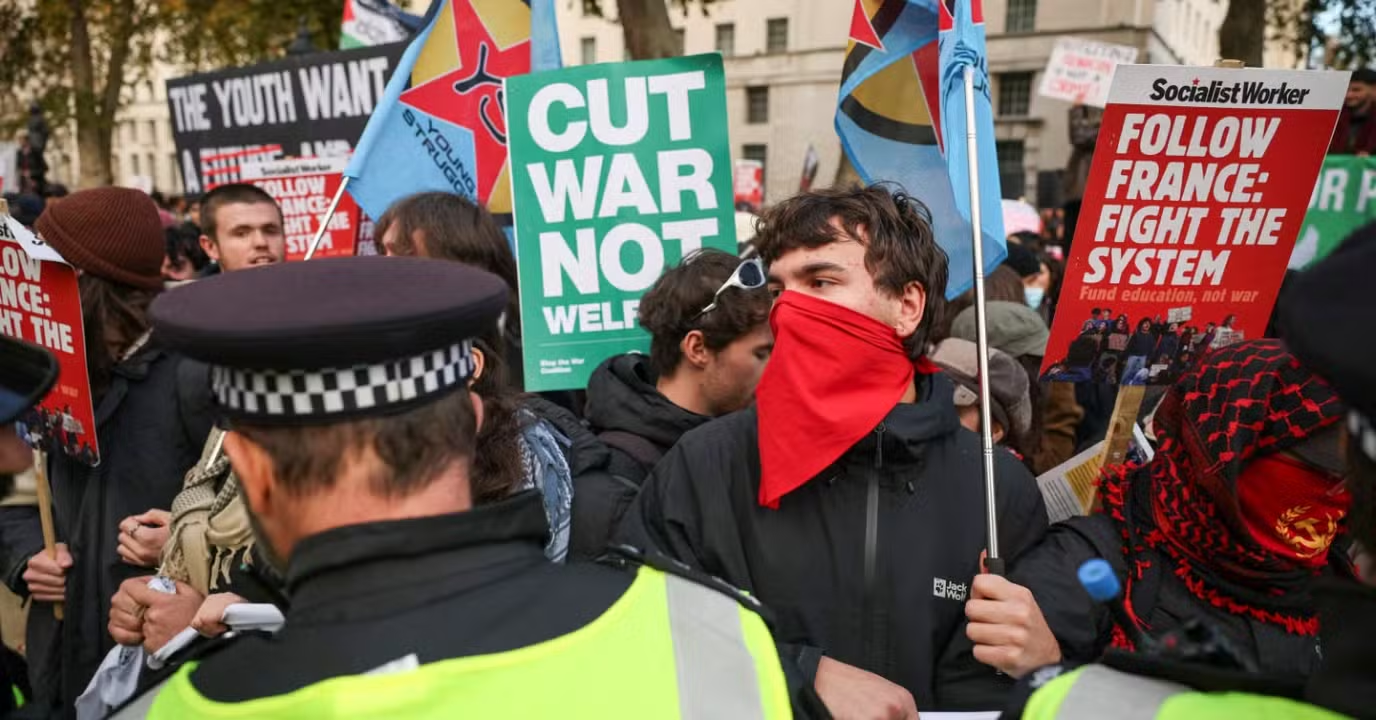
A travers l’Europe, des mobilisations vendredi et tout ce week-end contre la « militarisation », la vie chère et pour l’éducation
Tens of thousands mobilize across Europe against rearmament and the cost of living, while demanding investment in education and a better future for young people. Unions, associations and youth organizations called actions over three days as social anger had been building for weeks. Demonstrations take place in Italy, Germany, Spain and the United Kingdom, with further protests planned in France and Belgium.
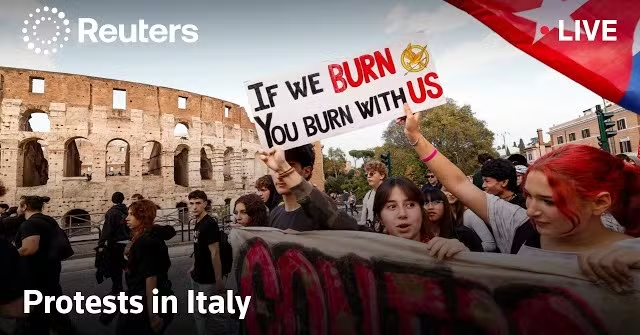
LIVE: Students protest in Rome, Italy
Reuters’ live video report shows students marching in Rome as part of a nationwide strike against rising living costs and military spending. The demonstrations are part of a broader wave of student-led protests across Europe.
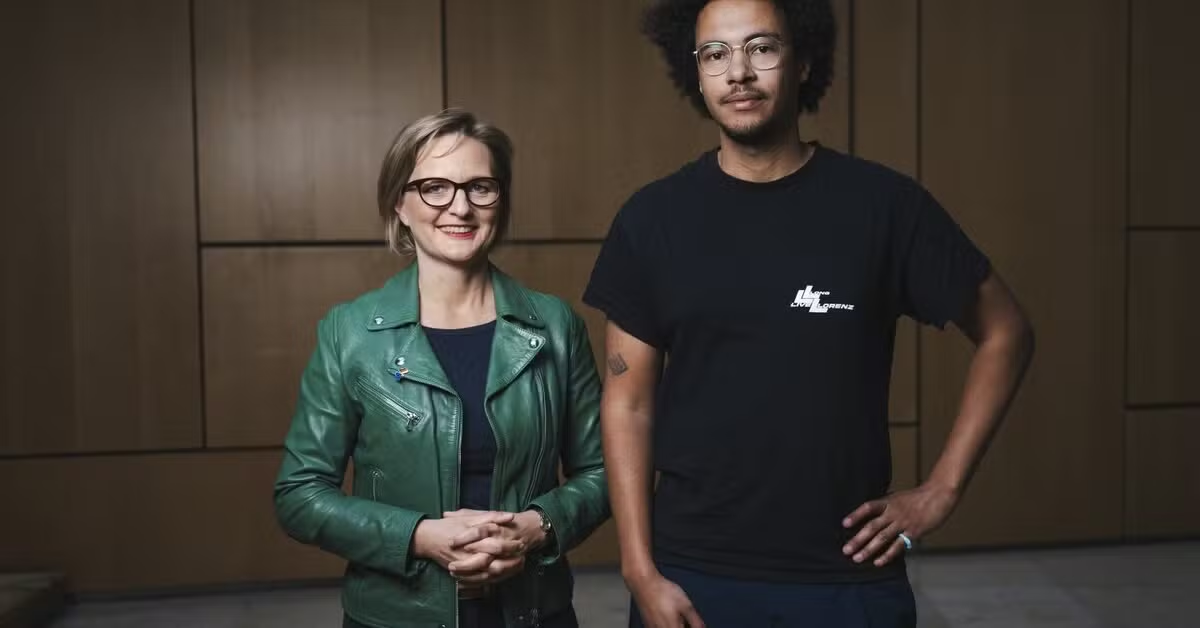
Brantner und Bobga über den GenZ-Protest: „Zum Glück geht ihr da rein“ – „Wir fühlen uns aber allein“
The taz interview exposes a rift between the Greens and their youth wing over whether the party stands with young people protesting conscription and pressing for answers on education, affordability, and racism. Brantner says the Greens support voluntary service and are talking with young people, while Bobga says the party remains unclear on conscription and young protesters feel alone. He argues that the party needs more self-criticism and clearer positions on immediate economic pressures and racism, while Brantner defends the Greens’ approach and stresses the need to protect security and democracy.
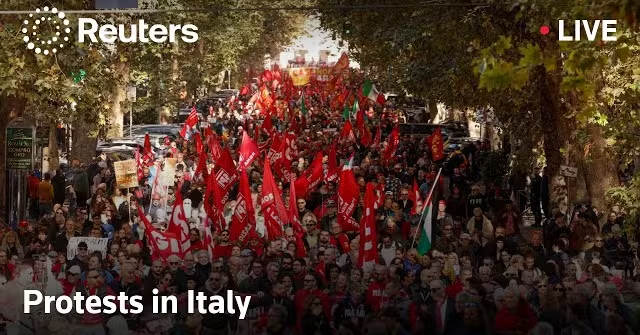
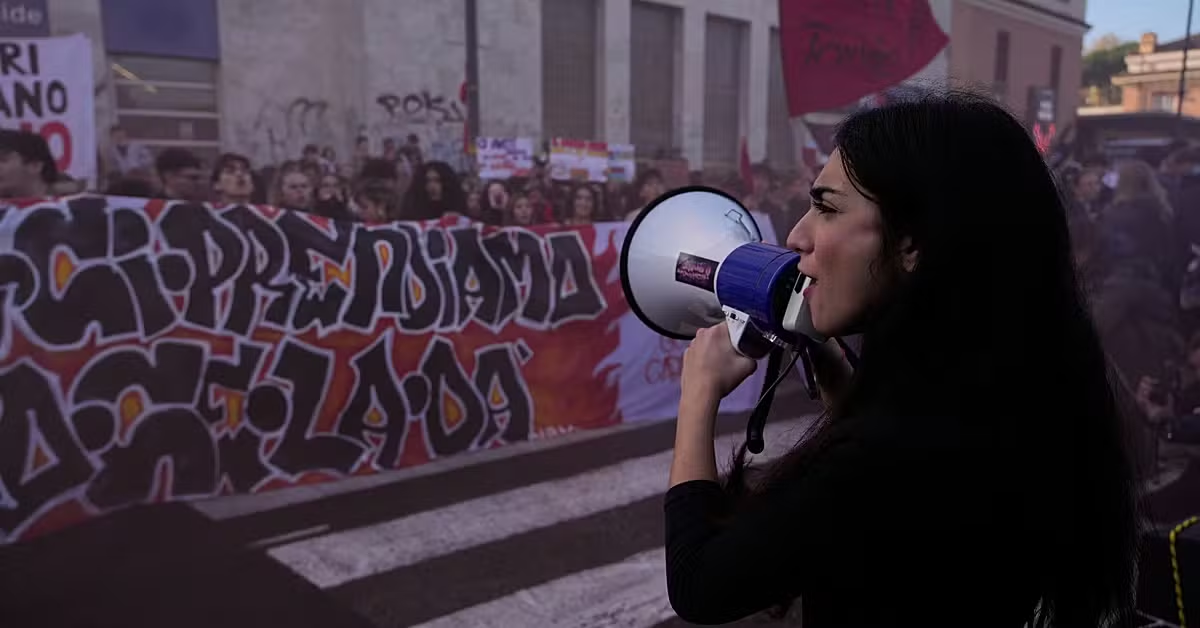
LIVE: Students protest in Italy
Students in Italy march against rising living costs and military spending as part of a nationwide strike. The demonstrations in Rome are part of a broader wave of student-led protests across Europe.
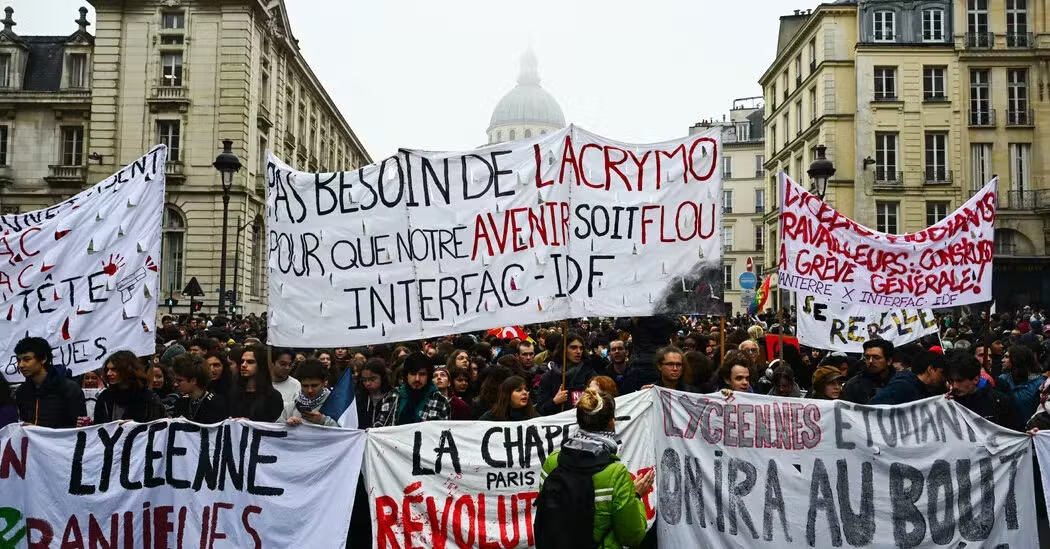
Gen Z Is Driving Global Political Change, Aiding Far Left and Far Right
The New York Times reports that young people’s economic fears and frustration with established politics are driving protests and helping both far-left and far-right parties gain support. Organizers and experts say young people see economic opportunity slipping away, amid concerns about housing, health care, war and the future. Their anger has benefited politicians across the ideological spectrum, including Germany’s Die Linke and AfD, while young voters have also helped unseat leaders elsewhere. Experts warn that mainstream parties have little incentive to meet young people’s demands, which could deepen alienation and spur further protest or radicalization.
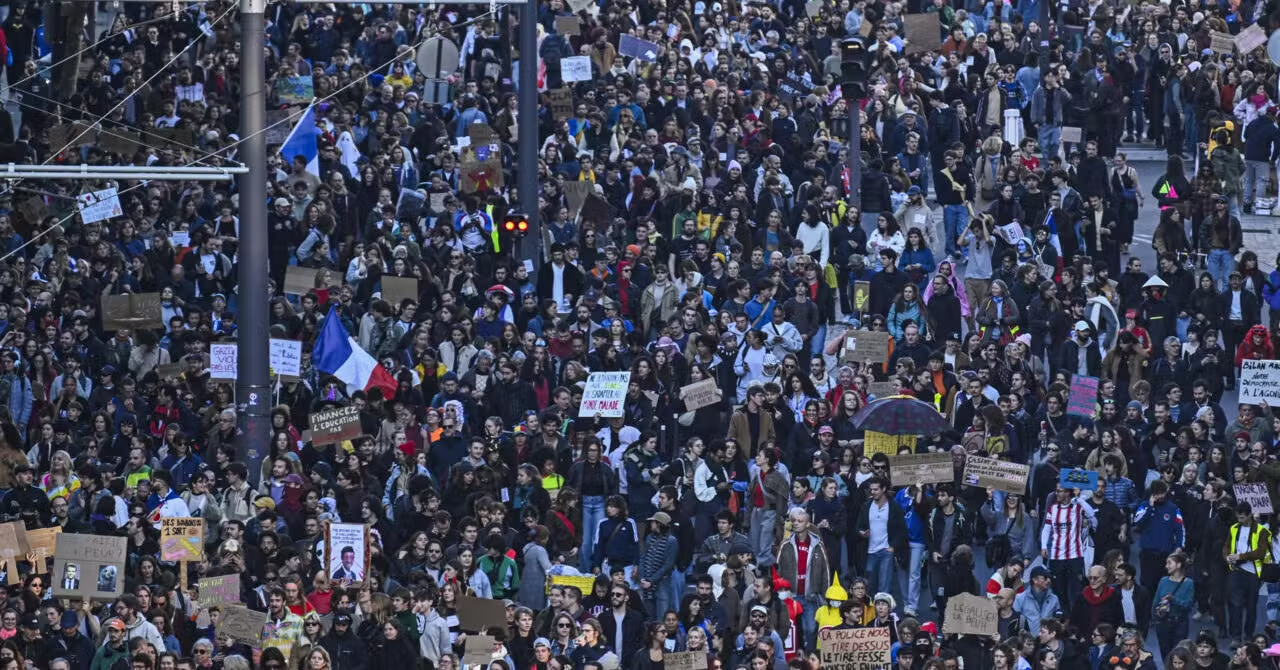
Vague de manifestations de la jeunesse à travers l'Europe à partir de vendredi
France 24 reports that youth and housing-rights groups have coordinated demonstrations and strikes across Europe for November 20-22, 2026, over living costs, housing, militarization, and social services. The calls also address public services and the climate, amid growing rejection of institutions. France 24 says the scale of the mobilizations is difficult to predict.
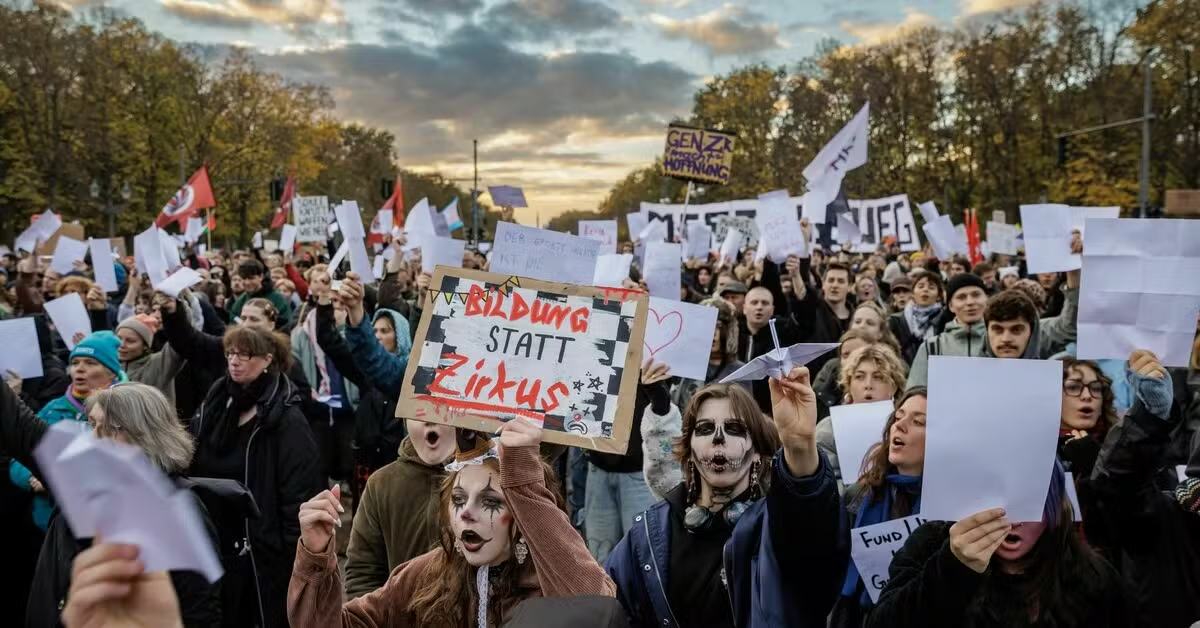
Gen-Z-Proteste in Europa: Gen-Z-ler aller Länder, vereinigt euch!
Across Europe, Gen Z protesters are taking to the streets this Friday under the motto 'Fight for our future, not their wars', and in Germany weeks of school blockades are now extending to universities. The transnational Youth Strike Coalition is calling students in 25 countries to strike, demanding an end to national rearmament programs, rejection of military service, and investment in education and the welfare state instead, and expects hundreds of thousands of protesters. Turnout is uncertain: after up to 120,000 came to the first 'Gen Z regelt' protest on 31 October, fewer than 20,000 registrations are counted, the movement itself says Friday could turn out smaller, and in Cologne and Karlsruhe marches have been banned while Hamburg and Hesse's interior officials warn of decisive police intervention. Institutional backing is split: the Left Party and the Greens have hosted the activists, but major German trade unions left a taz inquiry unanswered and the Federal Student Conference keeps its distance, organizing its own protest action instead.
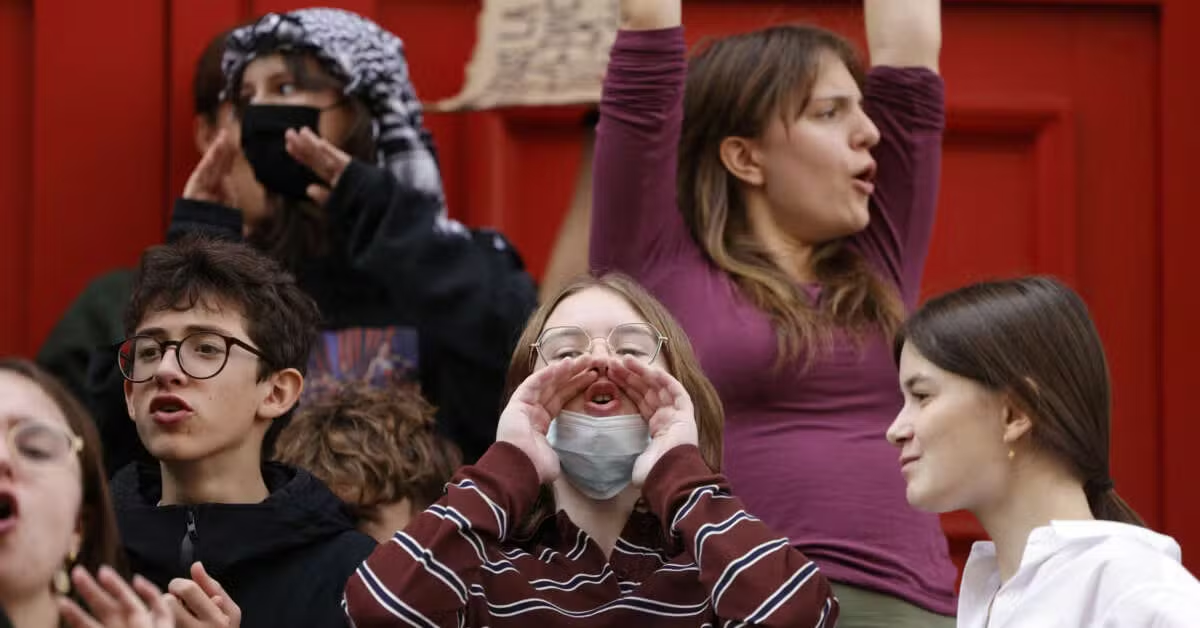
Students Around the World Are Skipping Class to Enter Class Struggle
A Truthout feature article argues that a high school student revolt that began in Mayotte and swept France before spreading worldwide shows how struggles over schools grow into struggles over society itself. The uprising started on August 31 at a Mayotte high school over crumbling, overcrowded conditions and spread within roughly two weeks across France, where by October 1 more than 1,000 high schools, nearly one in four, were affected by strikes or protests. Police made 6,059 arrests, 87 percent of them minors, and several teenagers were maimed by police grenades, while teachers and parents marched with students and formed barriers between them and police. Students in Italy, Greece, Germany, Argentina, India, and the United States joined in or connected their organizing to the French revolt, and the article closes by looking to the November 20 International Youth and Student Strike, when students in more than 25 European countries plan to walk out under the banner 'Fight for Our Future, Not Their Wars.'
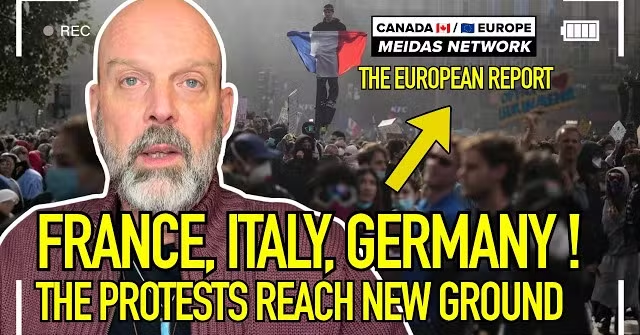
FRANCE, ITALY, GERMANY - PROTESTS SHIFT INTO NEW TERRITORY!
A video report by Tashi Holla for Midas Touch Canada says protests are shifting into new territory across Europe, with new ones in Poland, Latvia, Sweden, and Finland and a return in the UK and Ireland, while France, Italy, and Germany are the most dynamic. France and Italy have the highest protester numbers, and Holla says there are mounting reports of police brutality there, with lawsuits from NGOs and injured protesters expected soon. In Germany, three organizers have called new nationwide protests, including one pressuring the Merz government to start legal procedures to ban the AfD, and Holla says Merz's decision to skip the UN climate conference in Antalya sparked outrage, with rumors he stayed home for his 71st birthday. She argues the many protests, though different in topic, share one underlying reason: people are fed up with neoliberalism, austerity, and tech fascism gaining political power.
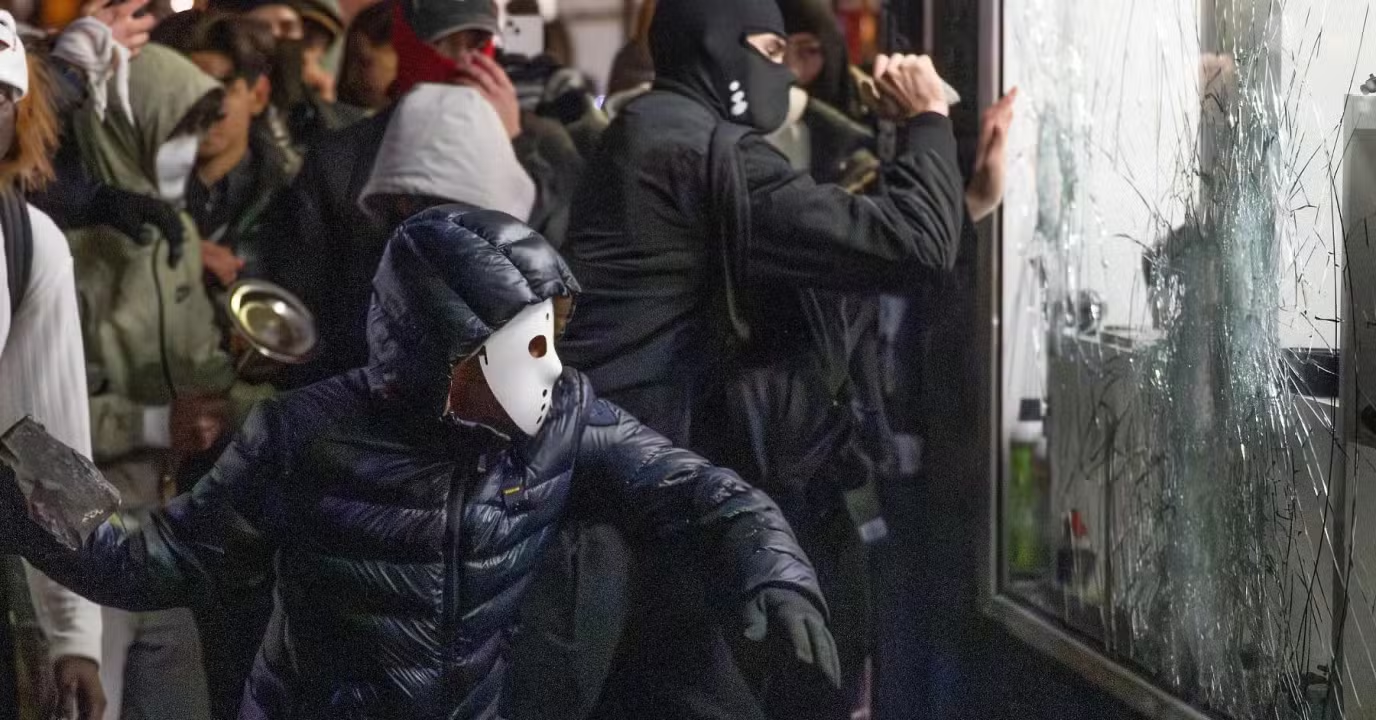
“Gen Z Regulates”
A CrimethInc report, with accounts from two anarchist participants, says the European youth protests reached Germany on October 31, 2026, when tens of thousands marched in nearly 40 cities under the motto 'Gen Z regelt' ('Gen Z regulates'). It reports unrest spreading across Europe, from France's student revolt, which CrimethInc says set off the most intense street confrontations since the Yellow Vests, to Spain's November 11 general strike against evictions and gentrification and waves of clashes in Albania since February. While CrimethInc says a French-scale uprising remains unlikely in Germany, it points to a June heatwave that killed close to 10,000 people in one week, deaths it says are determined mostly by class, alongside inflation and austerity pushed to fund a military spending increase. More demonstrations on the same theme are scheduled for November 20.
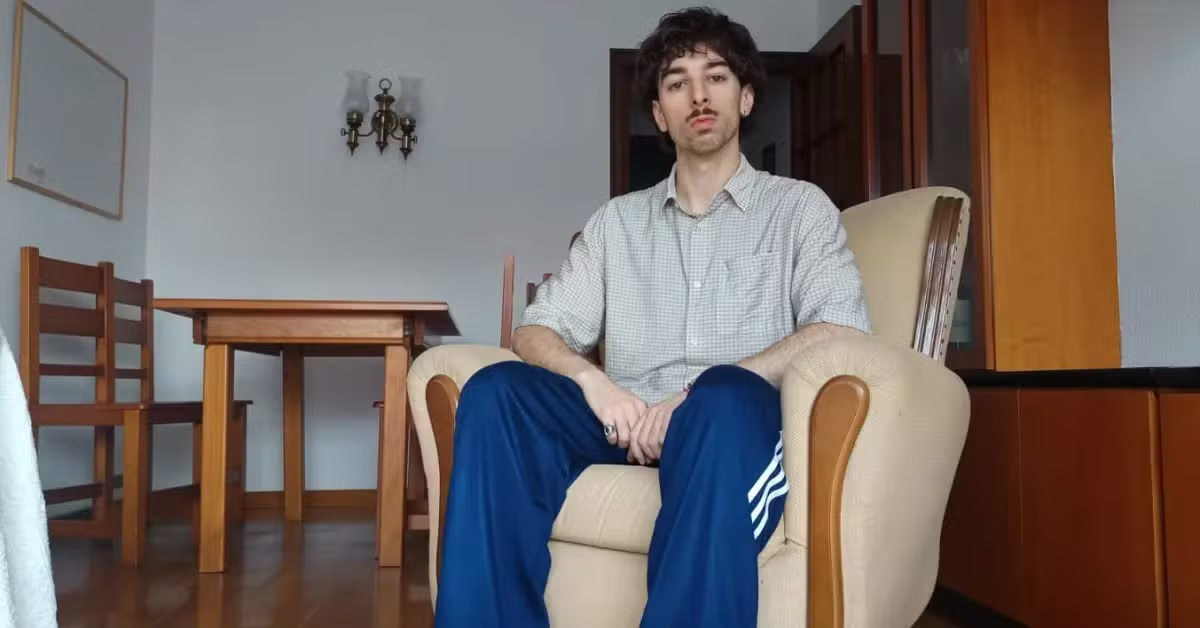
‘I pay $500 for 5 square metres’: Spain’s protesters, in their own words
Al Jazeera's report gives Spain's housing protesters their own voice, as tens of thousands of young people marched across the country and answered the unions' call for a nationwide general strike on 11 November 2026 under the slogan "wages, housing, and prices". The eviction of 87-year-old Maricarmen Abascal, forced from her Madrid flat of seven decades by a rent rise and dead on the day her return was agreed, sparked the nationwide protests, and her image flew above a Madrid camp reading 'Power to the people'. The protesters' own accounts show why: Arturo Leon pays about $500 a month for a two-metre-by-2.6-metre bedroom with no contract and broken fixtures, while Ignacio Redrado, a 32-year-old teacher, says the average Spaniard leaves home at 30 and protesters want indefinite rental contracts and more social housing. Spain's government offered two emergency decrees to protect renters that right-wing parties defeated, and Al Jazeera reports the left-wing coalition called a snap election for 29 November partly hoping to capitalise on the anger.

