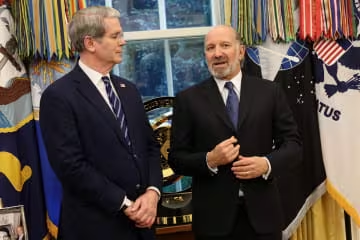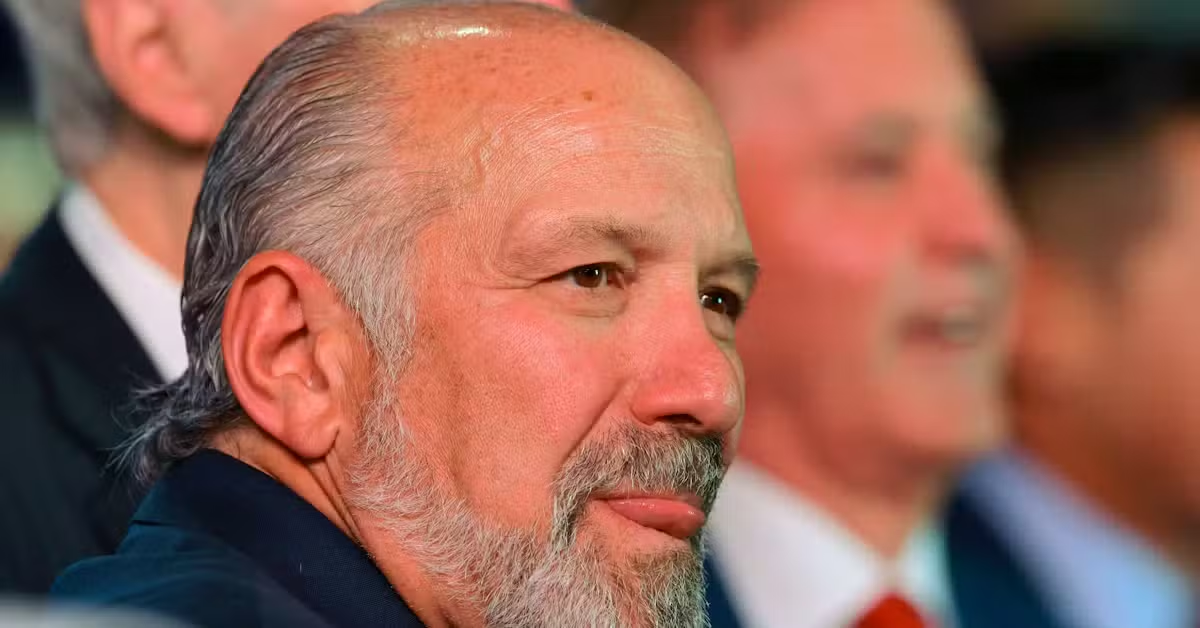
Lutnick agrees to testify before Senate panel on softened Nvidia chip rules
Howard Lutnick Keeps Changing AI Rules to Help His Business
newrepublic.com· 10d
Bessent, Congress zero in on Lutnick’s role in Nvidia-Megaspeed scandal
newsnationnow.com· 11d
Lutnick must answer questions from Congress on Nvidia, Sen. Kelly says
semafor.com· 13d
Howard Lutnick Took Softer Line on Nvidia as Calls for Tougher Controls Grew
nytimes.com· 14d
Commerce Secretary Howard Lutnick agreed on Nov. 15 to testify before the Senate Banking Committee on Dec. 10, after bipartisan probes opened into his handling of Nvidia chip sales to China.
Reporting showed Lutnick repeatedly delaying technology controls through 2026, while his Commerce Department went over a year without entity listings and licensed Nvidia sales to Chinese firms linked to sanctioned entities. In October 2026 he stalled rules limiting Chinese access to AI computing in Southeast Asia even after President Trump signed on.
At the center is Megaspeed, a Singapore firm under inquiry for smuggling Nvidia chips into China, an inquiry Commerce shut in late 2025 and moved to the Justice Department after Nvidia general counsel Tim Teter invoked Lutnick's deputy, Jeff Kessler. Treasury Secretary Scott Bessent confronted Lutnick over the firm in early November, saying publicly that several departments have favored putting Megaspeed on the entity list for months while Commerce holds the pen.
Conflict questions surround Cantor Fitzgerald, the investment firm Lutnick steered for decades, which helped arrange a Bitdeer equity offering of up to $1 billion; a Cantor client owns A201, a Bitdeer data center in Malaysia that is poised to sell Nvidia chips to a Chinese tech giant and sidestep the ban on advanced chip sales to China. There is no evidence the investments influenced Lutnick's decisions.
The newest turn came with Jensen Huang, who was ousted as Nvidia's chief executive in the week before Nov. 16, after revelations of multiple affairs, one with Alice Huang, described as a suspected Chinese spy whose company Megaspeed is under investigation.
Commerce Secretary Howard Lutnick repeatedly delayed or deferred technology controls through 2026, slowing tighter rules on Nvidia's advanced chip sales to China that Treasury Secretary Scott Bessent, Secretary of State Marco Rubio, and Trade Representative Jamieson Greer pushed for.
The Commerce Department shut down an internal inquiry into whether the Singapore firm Megaspeed was smuggling Nvidia chips into China in late 2025 and transferred it to the Justice Department after Nvidia general counsel Tim Teter contacted the investigators and invoked the name of Lutnick's deputy, Jeff Kessler.
The Commerce Department has essentially halted new technology controls against China and has not issued any entity listings in over a year, the longest stretch without an update in 18 years.
The Commerce Department approved licenses for Nvidia to sell chips to Chinese firms found to have links with sanctioned entities or military contractors, while refraining from adding major Nvidia customers in China to its entity list.
Nvidia general counsel Tim Teter left comments in draft regulations, including notes on draft rules for H200 chip sales to China that could have weakened requirements for companies to know their customers and aimed to influence shipment volumes to China.
Nvidia, in an effort coordinated by external affairs head Ned Finkle, funded opposition research into groups tied to effective altruism, and a Rand staff member was dismissed after Nvidia complained that licenses for its chip sales to China were not being granted.
In October 2026, weeks before the midterm elections, some top Trump administration officials hoped to move forward with sweeping rules restricting Chinese companies' access to artificial intelligence computing power in Southeast Asia, with State and Treasury in favor and President Trump signed on.
Officials approached Oracle to dissuade it from a $7 billion deal to lease advanced chips to the Chinese company Tencent, and Oracle agreed to cancel the deal.
Lutnick said he did not understand the rush on the Southeast Asia rules and told the White House chief of staff's team that new action would instigate a further trade war with China, stalling the proposal after Trump had signed off on it.
In early November 2026, Treasury Secretary Scott Bessent confronted Lutnick during a White House meeting over Megaspeed, demanding to know why the United States had not banned chip sales to the company, and Lutnick responded that new measures could be put in place soon.
Concerns arose over possible conflicts of interest because Cantor Fitzgerald, the investment firm Lutnick steered for decades, operates in industries that rely on Nvidia chips and has served as a financing or placement agent for Southeast Asian data center companies such as Gorilla Technology Group and Bitdeer Technologies Group.
A Commerce Department spokeswoman denied that the Bessent confrontation happened and called the idea that President Trump's relationship with Jensen Huang had chilled the department's actions false and reckless.
The Commerce Department spokeswoman said the department had charged defendants in multiple major criminal investigations targeting billions of dollars of chip smuggling and had imposed a license requirement on Nvidia's H20 chip, unlike the Biden administration.
The Commerce Department said it was routine for agencies to consult companies when finalizing rules, that it has never directed staff to refrain from targeting any company, and that it is continuing to consider new entity listings with other agencies.
The Commerce Department spokeswoman said Lutnick had fully divested all financial interests in Cantor Fitzgerald and had no interactions or discussions with the firm regarding Nvidia.
Sen. Mark Kelly said Howard Lutnick needs to come to Congress to testify and answer questions about why he made the decisions he made on AI chip export restrictions.
Sen. Mark Kelly said Lutnick's family business interests in the AI industry raise additional questions the commerce secretary needs to address.
Sen. Mark Kelly said he wants answers from Jensen Huang, that he and his colleagues have not received answers to their questions, and that Huang had volunteered to testify before Congress.
Lawmakers on Capitol Hill launched bipartisan probes into the Nvidia-Megaspeed matter and sought Howard Lutnick's testimony.
Howard Lutnick agreed to appear before the Senate Banking Committee, chaired by Sen. Tim Scott of South Carolina, on Dec. 10.
Sen. Tim Scott sent Lutnick a letter saying recent developments underscore the significant national security and economic interests at stake and the need for timely, substantive engagement with Congress.
Treasury Secretary Scott Bessent said publicly that the Treasury and War departments, the U.S. Trade Representative, and the State Department had favored putting Megaspeed on the entity list for months, and that he and Deputy Treasury Secretary Francis Brooke had been pushing Commerce to add the firm.
Treasury Secretary Scott Bessent said Commerce and its Bureau of Industry and Security has the pen on the Megaspeed decision, dismissing the suggestion that the Treasury's Office of Foreign Assets Control could act instead.
Sen. Chris Coons wrote that Howard Lutnick let the American people down and put the country's national security at risk by allowing Megaspeed to receive advanced AI chips from Nvidia, adding that Lutnick has a lot to answer to.
Marshall Billingslea, a former assistant Treasury secretary, wrote that it is highly unusual for Scott Bessent to go public about cabinet-level discussions, that Bessent and Marco Rubio's team have consistently been right on the topic, and that Howard Lutnick ran roughshod over everyone.
Marshall Billingslea speculated that the Nvidia-Megaspeed affair might mean the Commerce secretary is on his way out.
Beacon Policy Advisors forecast in a research note that Lutnick could take the fall, or that the administration could instead push out a lower-ranking official such as Bureau of Industry and Security head Jeffrey Kessler.
A client of Cantor Fitzgerald owns A201, a new data center in Malaysia owned by the Singaporean firm Bitdeer, which is poised to sell Nvidia chips to a Chinese tech giant and sidestep United States rules banning advanced chip sales to China.
Cantor Fitzgerald served as a sales agent for a Bitdeer equity offering of up to $1 billion and helped arrange a Bitdeer stock offering of up to $250 million, and there is no evidence that Cantor's investments influenced Lutnick's decisions.
Jensen Huang was ousted as Nvidia's chief executive in the week before the article, after revelations of multiple affairs, one with Alice Huang, described as a suspected Chinese spy whose company Megaspeed is under investigation for illegally selling Nvidia's chips.
The opinion article argued that Cantor Fitzgerald's business ties to data centers amount to another obvious conflict of interest for the embattled Commerce Secretary Howard Lutnick.