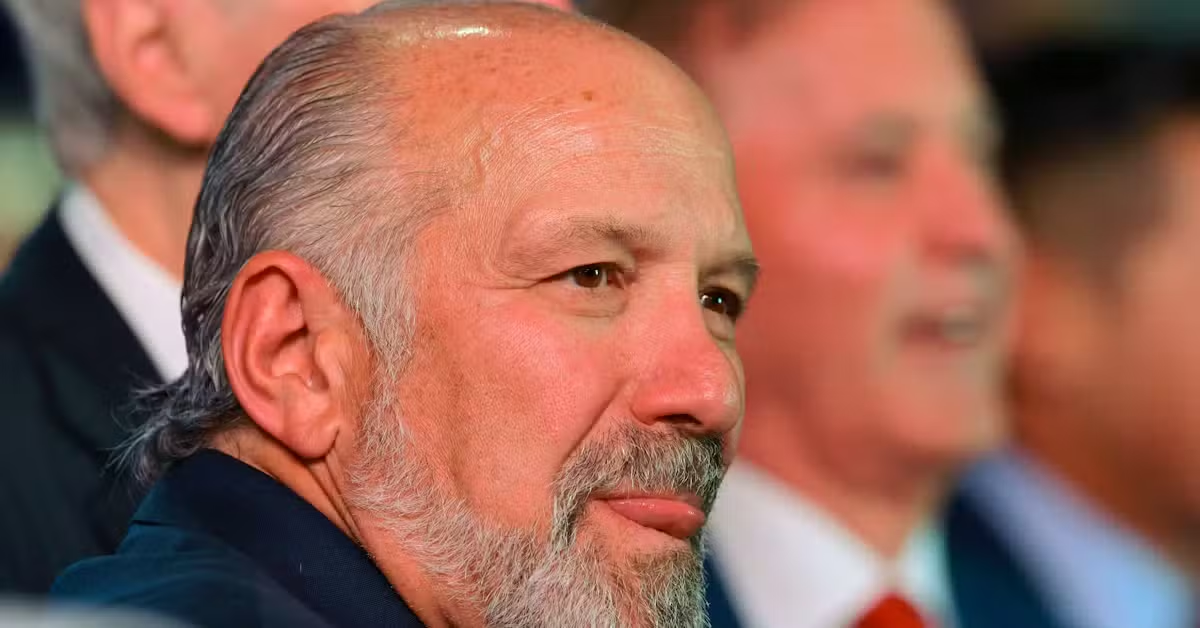
Howard Lutnick Keeps Changing AI Rules to Help His Business
The New Republic argues that Commerce Secretary Howard Lutnick may have loosened rules on AI chip sales to the benefit of Cantor Fitzgerald, the financial firm he handed off to his sons when joining President Trump's Cabinet, calling the firm's data center ties another obvious conflict of interest for the embattled secretary. Citing The New York Times, it reports that a Cantor client owns A201, a new data center in Malaysia owned by Singaporean firm Bitdeer, which is poised to sell Nvidia chips to a Chinese tech giant and sidestep United States rules barring advanced chip sales to China. Cantor served as a sales agent for a Bitdeer equity offering of up to $1 billion, and Lutnick has championed Nvidia while leading the effort to scale back United States oversight of foreign chip sales, though the article notes there is no evidence his investments influenced his decisions.
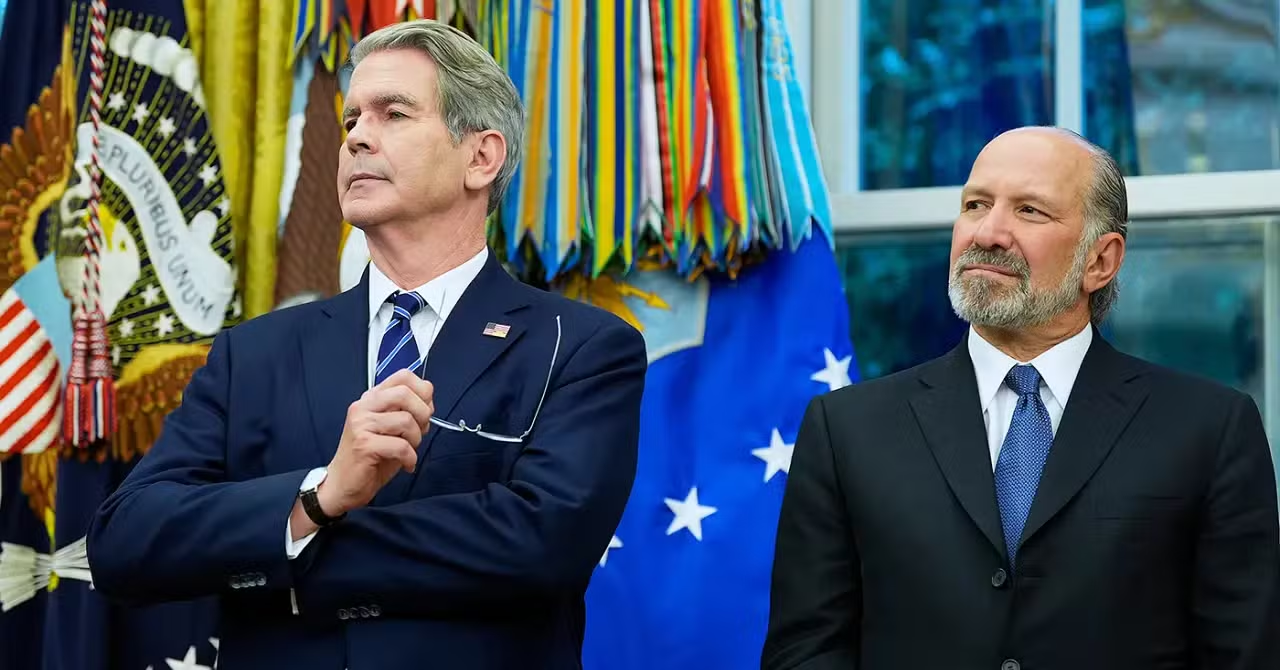
Bessent, Congress zero in on Lutnick’s role in Nvidia-Megaspeed scandal
A news report says Commerce Secretary Howard Lutnick is facing heat in Washington, including from Treasury Secretary Scott Bessent, over his approach to AI chip export controls amid the Nvidia-Megaspeed scandal, and has agreed to testify before the Senate Banking Committee on Dec. 10. Reports say Lutnick took a softer line on Nvidia and failed to put the Singaporean firm Megaspeed on the trade entity blacklist, and Bessent said on CNBC that Treasury had pushed for months to blacklist it, adding that Commerce and its Bureau of Industry and Security 'has the pen' on the decision. Megaspeed sits at the center of the scandal that led Nvidia founder Jensen Huang to resign as chief executive, after he admitted an extramarital affair with Alice Huang, formerly a Megaspeed executive whom U.S. intelligence officials believe may be a Chinese spy. Lawmakers including Sen. Ron Wyden and Rep. Richard Neal have urged Lutnick to preserve Commerce records on Trump's H200 chip decision, and Huang's departure is spurring momentum to include chip export bills in the annual defense spending bill.
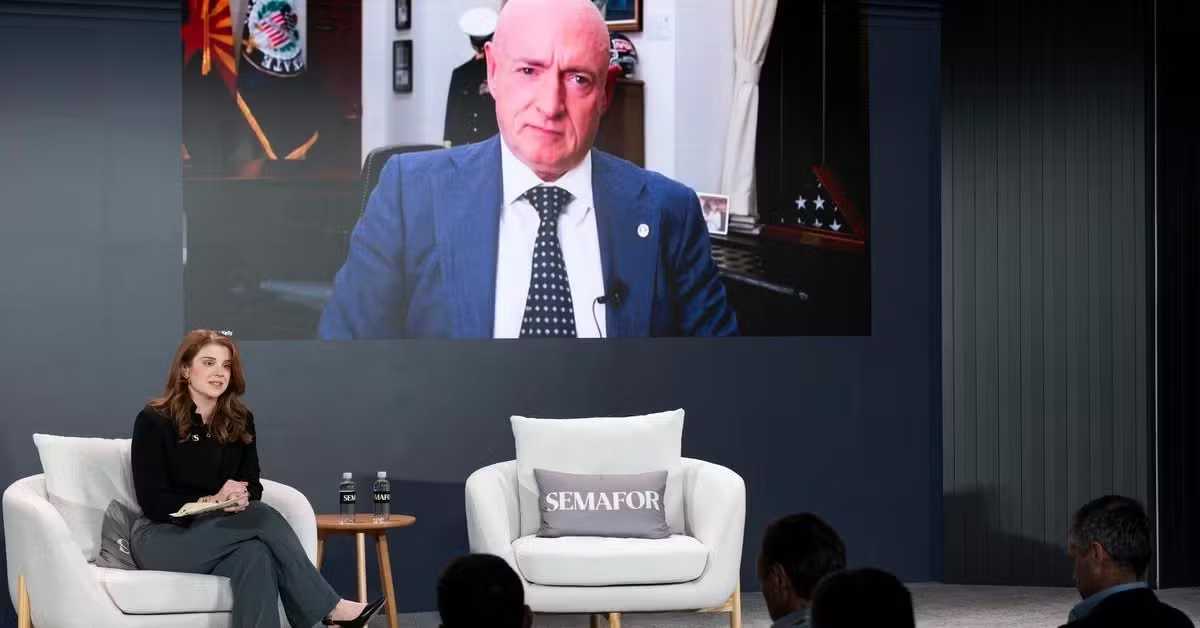
Lutnick must answer questions from Congress on Nvidia, Sen. Kelly says
Sen. Mark Kelly says Commerce Secretary Howard Lutnick must come to Congress to answer questions over his role in delaying restrictions on AI chip exports to China, saying Lutnick's family business interests in the AI industry raise further questions he must address. Kelly, who sits on the Senate Intelligence Committee, also backs bipartisan provisions in the Senate defense bill that would tighten export restrictions and says individuals and companies should face penalties for violating AI export standards. The pressure comes as the scandal around ousted Nvidia CEO Jensen Huang, who resigned after revelations of an affair with a woman suspected of being a Chinese spy, has widened and Huang has agreed to testify before lawmakers behind closed doors. Kelly also says the Justice Department has been 'weaponized' against individuals including himself, after President Donald Trump called for his prosecution over remarks reminding troops to refuse unlawful orders.
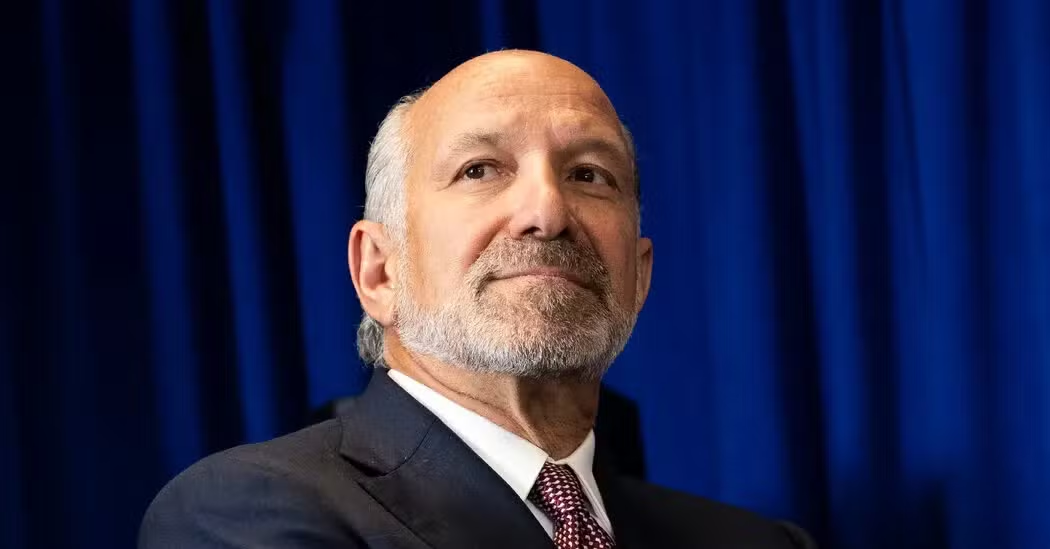
Howard Lutnick Took Softer Line on Nvidia as Calls for Tougher Controls Grew
A New York Times investigation reports that Commerce Secretary Howard Lutnick, who promised a tough line on technology sales to China at his 2025 confirmation hearing, has instead repeatedly delayed or deferred export controls on Nvidia chips as other top officials pushed for tighter rules. Treasury Secretary Scott Bessent confronted him over why the United States had not banned sales to Megaspeed, a Singapore firm suspected of smuggling chips to China, and an internal Commerce Department inquiry into the company was shut down after Nvidia general counsel Tim Teter contacted the investigators. The Times reports Nvidia enjoyed unusual access, with Teter leaving comments in draft regulations, and that Jensen Huang's close ties with President Trump made officials wary of aggressive steps, while the department also approved licenses for Nvidia sales to Chinese firms with links to sanctioned entities. The Commerce Department denied the confrontation happened, called accusations of favoritism false and reckless, and said it had charged defendants in major chip smuggling cases.

