
Poll finds 71% of Europeans back an EU army
Summary
- A GLOBSEC survey of 14 countries found 71% of Europeans want the EU to have its own army, with support highest in Romania at 82% and France at 75%.
- European governments are debating how to strengthen their military capabilities amid Russia's aggression and uncertainty over the United States' commitment to European security.
- 77% of respondents in NATO countries surveyed said they would vote to remain in the alliance, and 78% in EU countries backed developing bloc-wide defense capabilities.
- About half of respondents in Germany, France, and Britain now view the United States as a security threat; Germany was the only country where a majority did.
- 64% of respondents in countries without conscription favored reintroducing the draft, most in Czechia, France, Germany, and Slovakia.
Reactions
- Polling presented European voters as wanting a stronger EU military while remaining committed to NATO despite eroding confidence in the United States.
Timeline newest first
Sources newest first
- European citizens overwhelmingly back creation of an EU army, survey finds
politico.eu· 39h
Background newest first
 40 countries tell Russia: Ukraine's security and Europe's alliances are not yours to decide - Euromaidan Press
euromaidanpress.com· 29h
Euromaidan Press reports that forty European countries signed the Dublin Declaration at the summit in Dublin, affirming states' right to choose their alliances, tying European security talks to an end of Russia's war, and calling for security guarantees for Ukraine. Kaja Kallas warned that discussing Russia's demands plays into Moscow's traps.
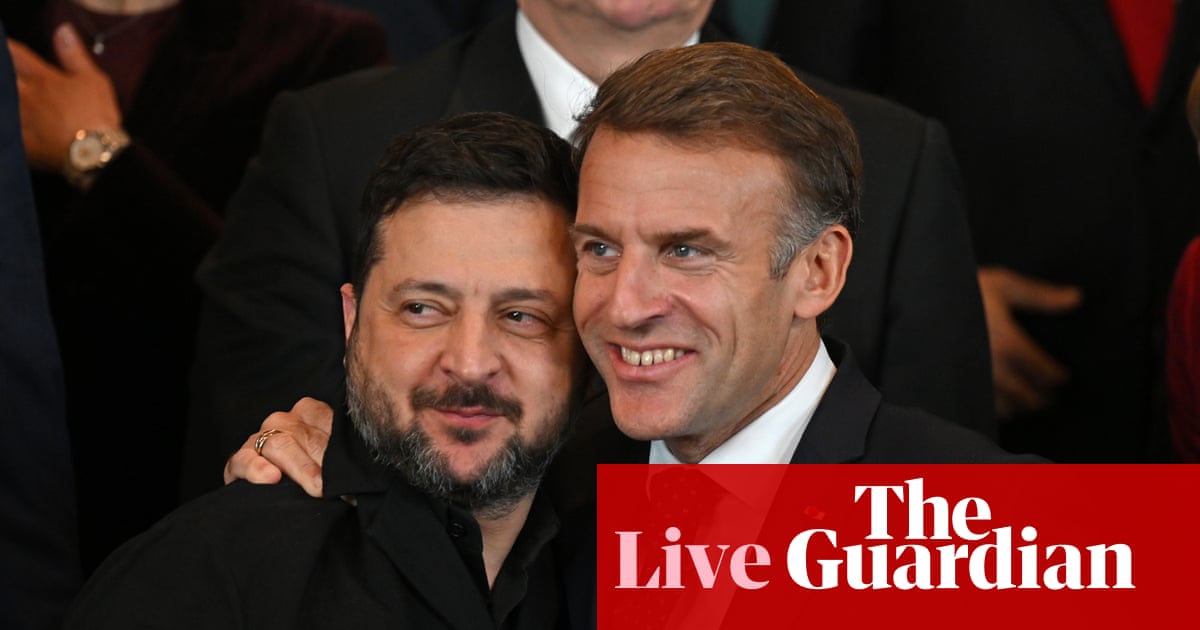 Leaders meet in Dublin amid search for lead EU negotiator for peace talks with Russia - Europe live
theguardian.com· 36h
The Guardian's Europe live blog follows EU leaders meeting in Dublin to discuss support for Ukraine, AI, and their search for a lead negotiator for any peace talks with Russia. Volodymyr Zelenskyy urged leaders to "pay attention" to Putin's security demands, António Costa said there is no need to reinvent Europe's security architecture, Andy Burnham insisted Europe alone decides its own arrangements, and Jared Kushner said Ukraine and Russia have agreed to expand the next round of talks to include European countries.
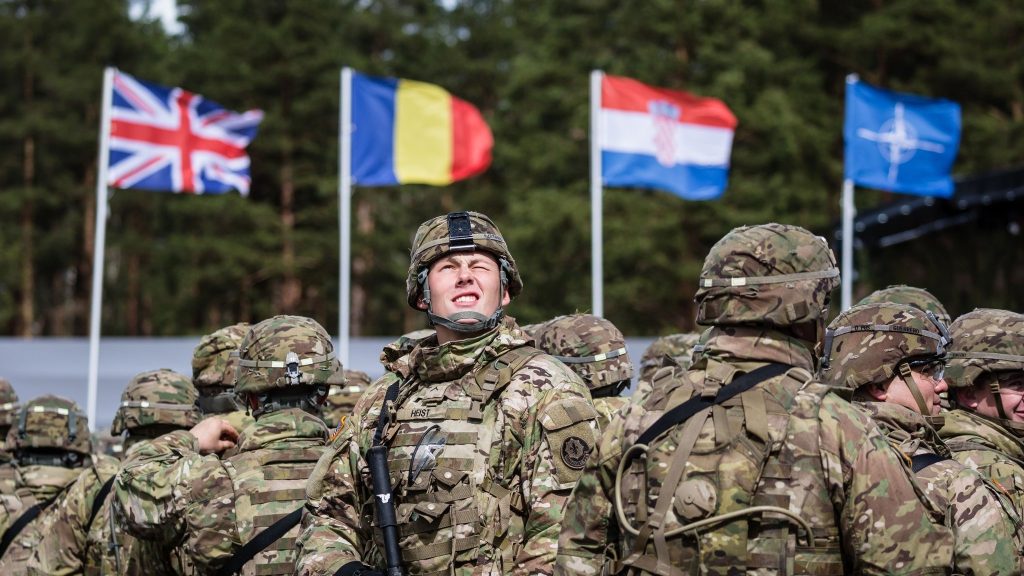 Threat of War with Russia Forces NATO to Revise Military Planning
militarnyi.com· 3d
Militarnyi reports that NATO's 32 members are negotiating new capability requirements under the Political Guidance document that would let the Alliance prepare for a major war with Russia or overseas crisis operations rather than both at once, with agreement expected by February 2027. The article also notes a Ukrainian Marine landing on the Dnipro's left bank, Russia's missile stockpiles, and a reported $15 billion U.S. Democratic aid package for Ukraine.
 NATO seeks to prioritize fighting Russia and shrink forces for missions abroad
Politico reports that NATO's 32 members have begun negotiating the alliance's next capability targets, considering the biggest overhaul of military planning in at least two decades: diplomats say allies would plan to fight a major European war or run smaller crisis-management missions like Iraq and Kosovo, not both at once. Camille Grand calls it a clear understanding that a major European contingency would overtake all other priorities, and allies are expected to finalize the Political Guidance by February.
 Nearly 80 percent of Britons see Israel as a threat to world peace
middleeasteye.net· 5d
Middle East Eye reports that a National Centre for Social Research survey found 78 percent of Britons see Israel as a serious threat to world peace in spring 2026, up from 48 percent in 2005. It also gives the survey's other findings, including 74 percent for the US and 89 percent for Russia, alongside figures that Israel has killed at least 74,643 Palestinians in Gaza and more than 4,000 Lebanese.
 Trump’s ‘big, beautiful’ European security plan isn’t convincing Europe
Politico.eu reports that European capitals are skeptical of a Trump administration proposal for a new Europe-wide security arrangement with Russia, fearing it would sideline Europe and embolden Vladimir Putin. Kaja Kallas said Putin has no veto over European security, while NATO diplomats said allies were not briefed on the plans and Jared Kushner's five goals remain obscure.
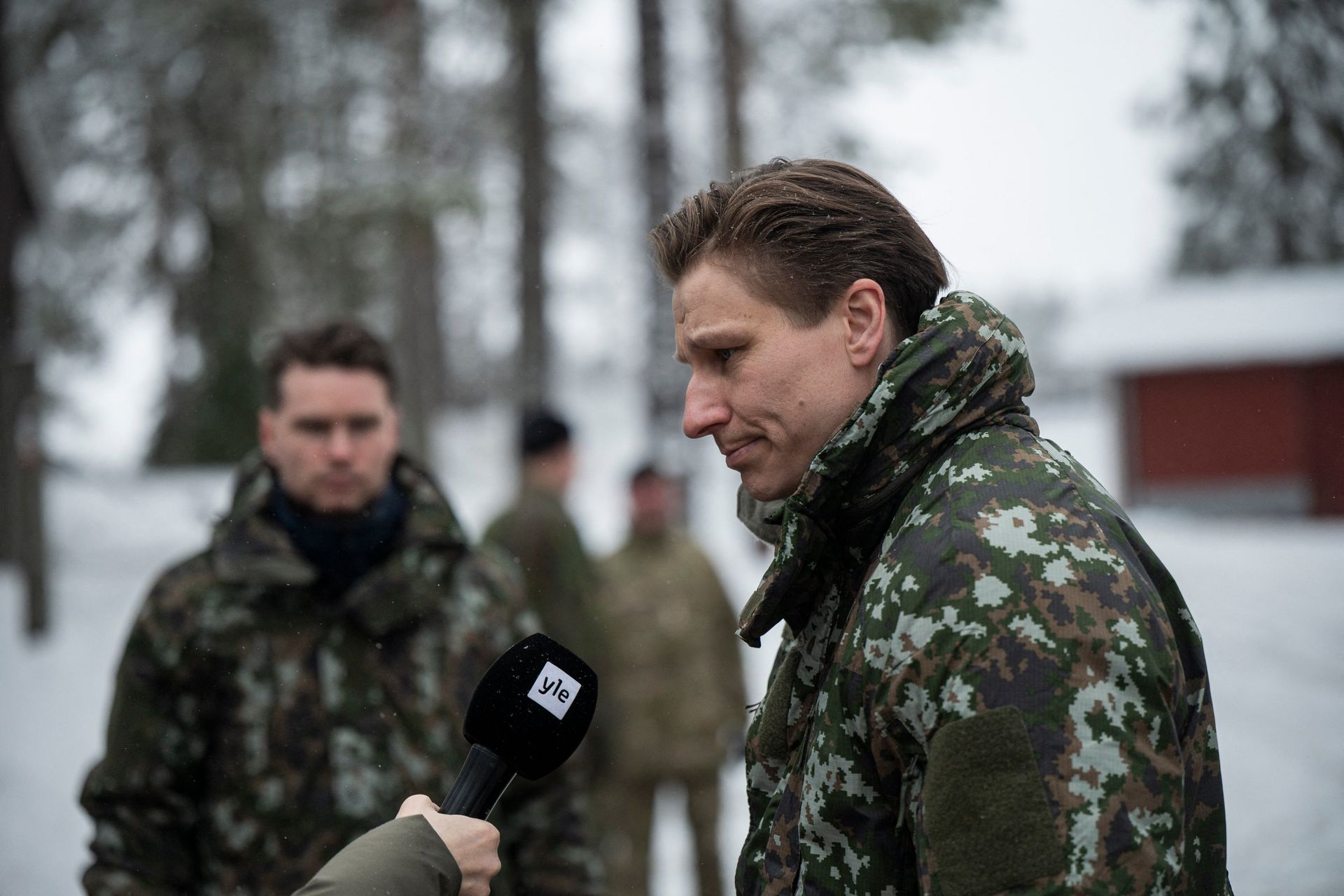 Finland defense minister calls for burden sharing on defense and Ukraine, for the sake of European unity
kyivindependent.com· 8d
The Kyiv Independent reports Finnish Defense Minister Antti Hakkanen's call for all of Europe to share defense spending and backing for Ukraine, urging 0.25% of GDP pledges and warning that a weak Europe risks chaos and exclusion from peace talks with Russia. Elsewhere, Zelensky says Spain will give $490 million in military aid, and an exclusive reports a Trump envoy's push to reopen Lithuania's ports to Belarus has exposed a rift in Washington.
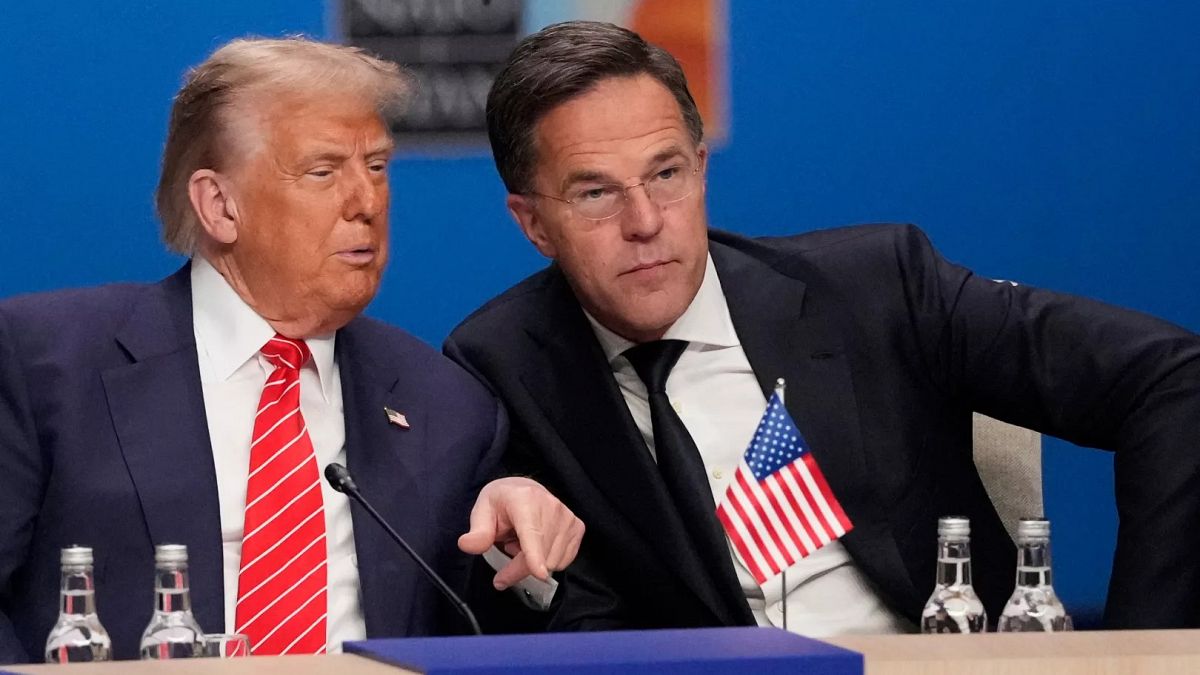 Defence up to 5% GDP, Ukraine, Russia: Key takeaways from NATO summit
euronews.com· 1y
Euronews reports the key takeaways from NATO's Hague summit, where leaders committed to raising defence spending to 5% of GDP by 2035 — 3.5% for core defence and 1.5% for defence-related investments — with Spain and Slovakia balking and Trump threatening Spain would pay twice as much. The short declaration mentions Ukraine only twice and Trump cast doubt on his Article 5 commitment, though he met Zelenskyy on the sidelines and called him "very nice", while Rutte reaffirmed Ukraine's "irreversible path to NATO".


