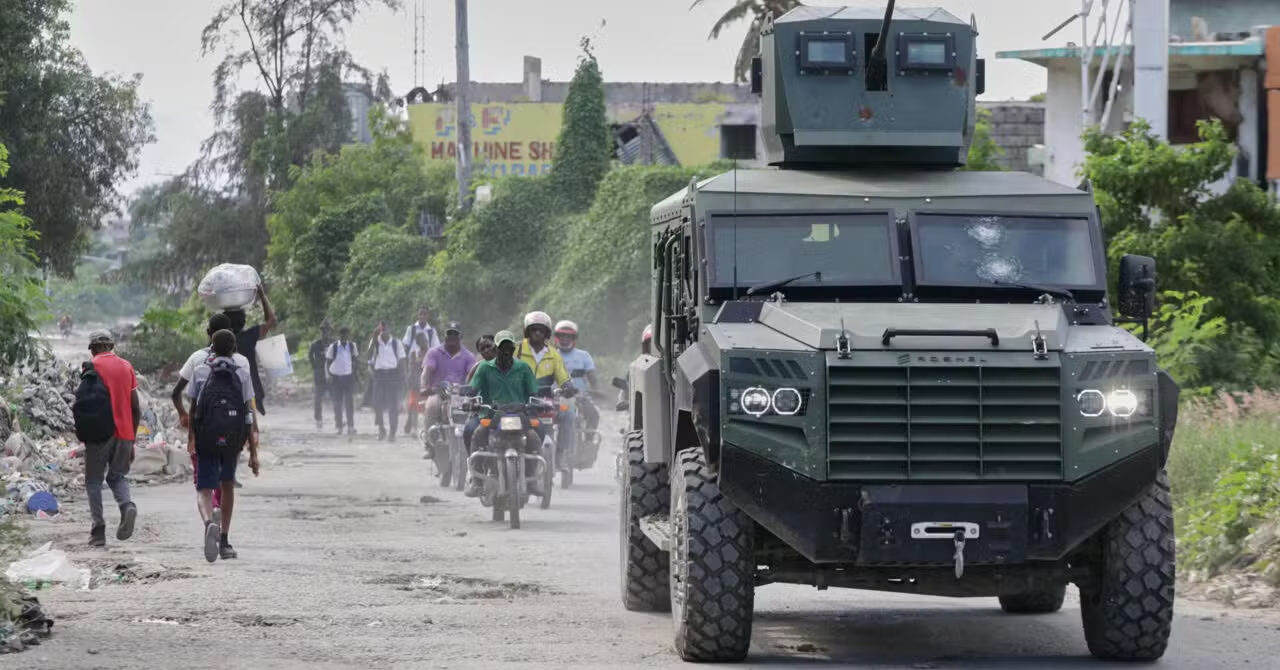
Intervention du Salvador en Haïti : entre "immense soulagement" et "potion amère" pour la population
In a France 24 interview, geographer Jean-Marie Théodorat weighs El Salvador's intervention in Haiti as both an immense relief and a bitter potion for the population. Thousands of Haitians demonstrated in Port-au-Prince on 17 November 2026 to cheer the Salvadoran soldiers sent by Nayib Bukele in late October, chanting 'Thank you Bukele!'. Théodorat says the Salvadorans accomplished in days or weeks what more than fifteen earlier missions, such as MINUSTAH with over 10,000 troops from 2004 to 2017, failed to do for years, because they attack the gangs directly in their strongholds. But the aid comes from an illiberal, repressive regime, a paradox Haitians are ready to swallow, and he hopes it opens a window for the elections awaited since long before July 2027.
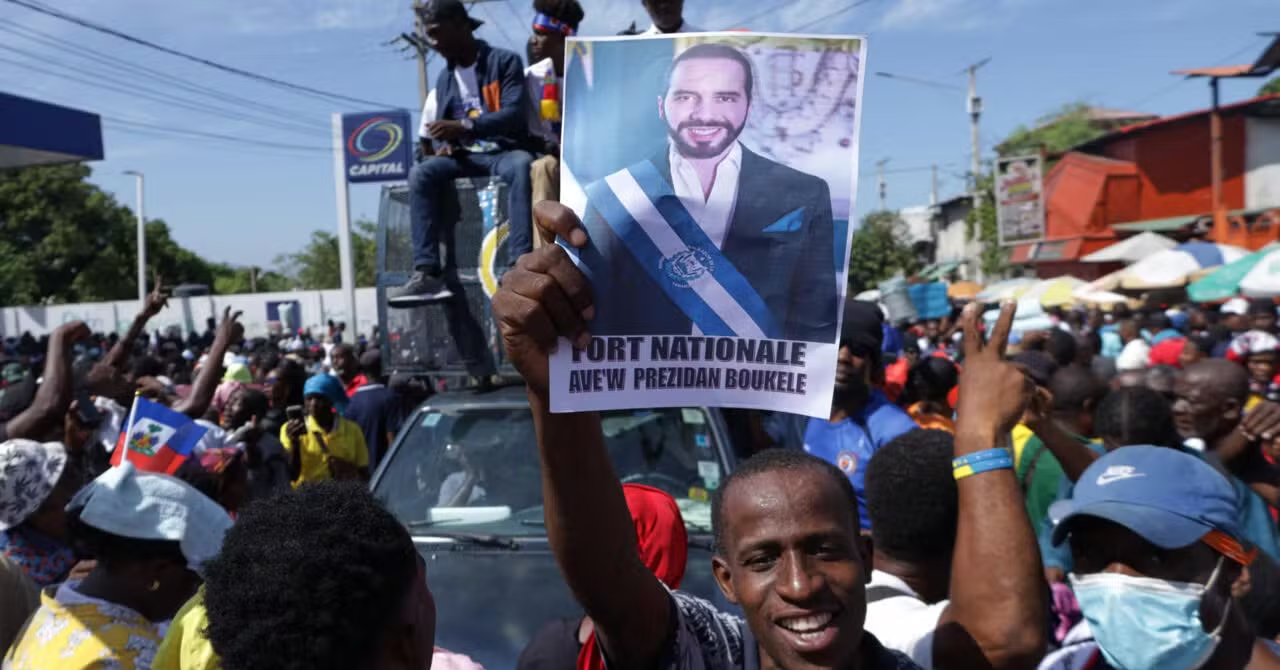
"Merci Bukele" : habitants et gouvernement demandent au Salvador de continuer à aider Haïti
Thousands of Haitians marched through Port-au-Prince on 17 November 2026 to thank El Salvador's President Nayib Bukele for the soldiers he sent to fight the gangs plaguing the country, chanting 'Merci Bukele' and, in one chant, 'Bukele, the country belongs to you, do with it what you want'. The same day, Haiti's government announced it had formalized a 'cooperation agreement' with El Salvador, which it called a new stage in bilateral cooperation against the security challenges Haiti faces. Bukele sent more than 2,000 soldiers to Haiti in late October 2026 without a United Nations agreement, though El Salvador says its soldiers are there only to find four soldiers of the UN-supported Gang Suppression Force who went missing, and will leave once they are rescued. Clashes broke out at the end of the procession as protesters tried to reach a sports stadium the Salvadoran soldiers had retaken from the gangs, and police used tear gas.
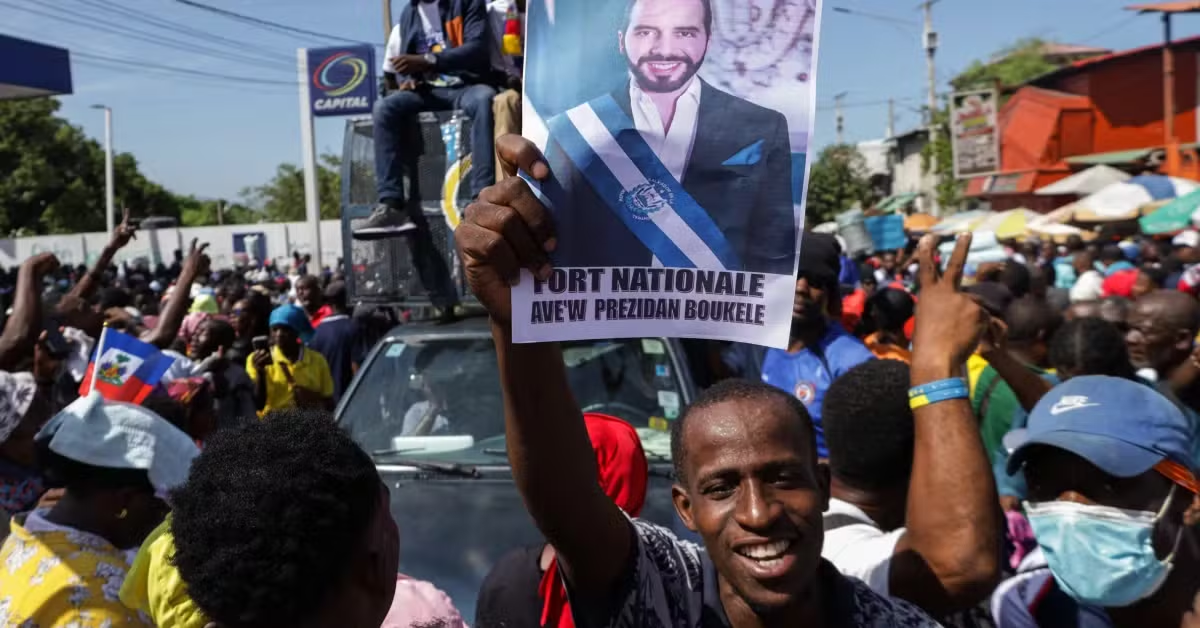
Thousands demonstrate in Haiti’s capital to praise Bukele and Salvadoran troops fighting gangs
Thousands of Haitians marched in Port-au-Prince and beyond on Nov. 17, 2026 to praise El Salvador's president, Nayib Bukele, and the some 2,500 Salvadoran troops he deployed in October to fight gangs, some clutching signs begging him not to give up and cheering for explosive drones and robot dogs. Bukele's deployment has generated hope among many Haitians, with one Council on Foreign Relations fellow writing that it sent more troops in two weeks than the U.N.-backed mission did in over a year, though gangs still control an estimated 70% of the capital and more than 20,000 people have been killed there in the past five years. Demonstrators spoke of devastating losses: Maxseau Lomba said gangs burned houses, killed children and pregnant women and drove his family out, while street vendor Marie Michelle Dorville, whose partner was killed, called Bukele 'an air of hope.' But experts warn there is no long-term plan to keep Haiti safe once the Salvadoran troops pull out, and an International Crisis Group report based on more than 100 interviews says Haiti's government has failed to build a security strategy, with police understaffed, undertrained and underpaid, and that the foreign mission aims to weaken the gangs rather than dismantle them; the group's analyst Diego Da Rin warns the enthusiasm could turn into anger against the government if the troops withdraw.

