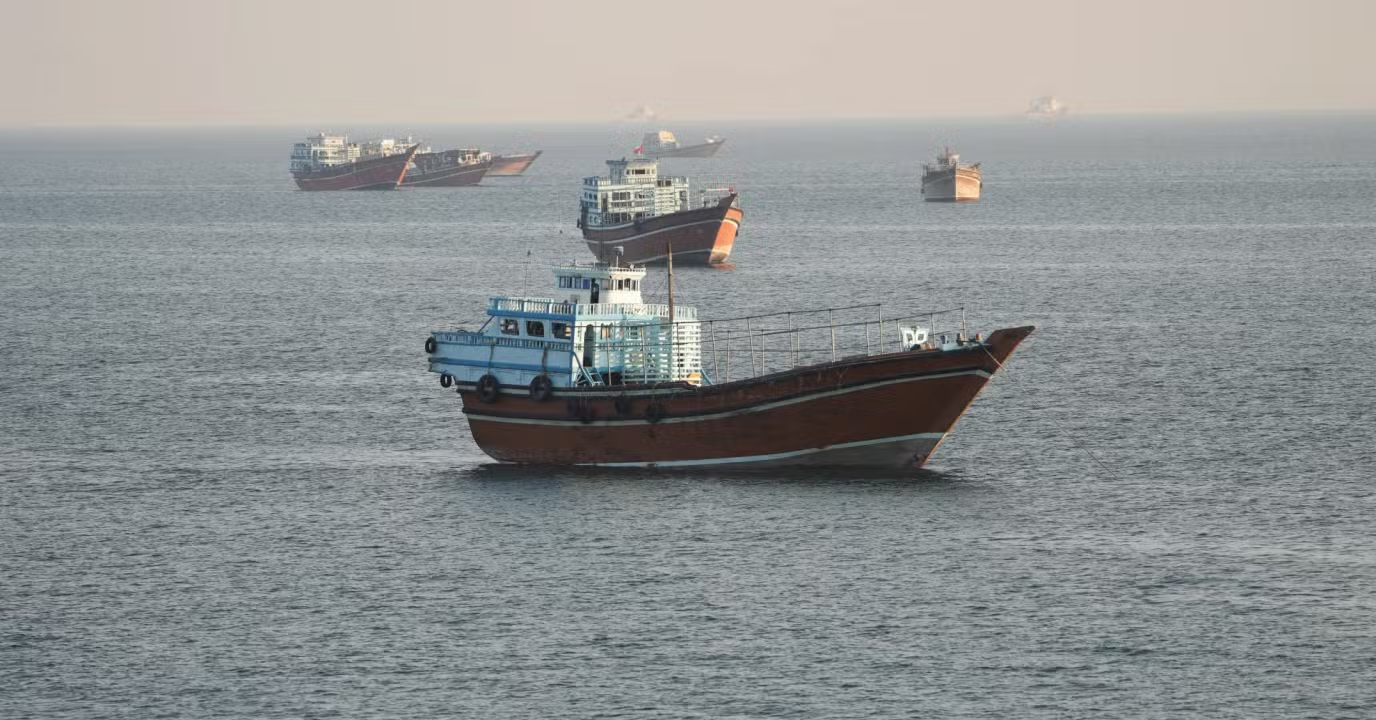
Oil traffic through Strait of Hormuz falls 40 percent amid record Iranian tanker attacks
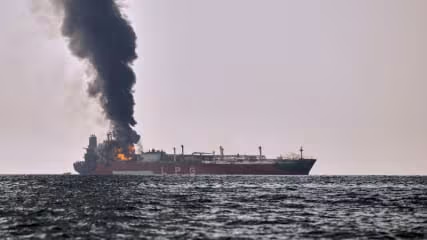
Reported attacks on shipping in and around the Strait of Hormuz have reached their highest levels since the Iran war began, with at least 22 attacks in and around the strait reported by the Sunday before publication, the second highest monthly figure of the war, according to an analysis of UKMTO data. Over one weekend, projectiles struck three tankers exiting the strait: fire broke out aboard the Marshall Islands-flagged chemical and oil tanker Captain Leon after it was hit in the bow, with all crew reported safe. The maritime risk company Marisks assessed Iranian involvement as likely.
Iran is stepping up attacks on shipping as global oil prices fall and the country's domestic crude revenues come under increasing strain. In the week before publication, more than 25 tankers were hit, a rising number of them erupting in flames after striking naval mines purportedly placed by Iran. Iran's navy said two oil tankers hit mines and caught fire on Tuesday morning after entering a restricted zone east of the strait with their navigation and identification systems switched off.
Iran's navy said the strait will not be opened until Iran's objectives are met, including halting hostilities, lifting the blockade and waiving sanctions, and that tanker owners must coordinate with the armed forces for safe passage. Ship-tracking data showed 226 vessels entered or exited the Gulf between 1 and 7 November 2026 against only 125 between 17 and 23 November, a drop of more than 40 percent. In the 24 hours before publication, only 28 ships crossed the strait, carrying an estimated 4.18 million barrels of oil, far below the pre-war daily average of 125 to 140 ships.
Reported attacks on shipping in and around the Strait of Hormuz have reached their highest levels since the Iran war began, maritime data shows.
At least 22 attacks were reported in and around the strait by the Sunday before publication, the second highest monthly figure since the war began, according to an analysis of UKMTO data.
International Maritime Organization data points to October 2025 as the month with the highest number of confirmed shipping incidents so far in 2025.
Projectiles struck three tankers exiting the Strait of Hormuz on Friday and Saturday, according to the maritime risk company Marisks, which assessed Iranian involvement as likely.
Fire broke out aboard the Marshall Islands-flagged chemical and oil tanker Captain Leon after it was struck at the bow on Friday, with all crew reported safe.
The Hong Kong-flagged crude tanker Torkel caught fire after being hit in the stern on Saturday, and less than an hour later the Hong Kong-flagged Arina was struck in the engine room by a missile.
Iran is stepping up attacks on shipping as global oil prices fall and the country's domestic crude revenues come under increasing strain.
Marisks said the attacks demonstrate a 'continued critical threat' to commercial shipping in the region, particularly through the southern corridor near Oman's coastline.
Experts said Iran could escalate the attacks further in an attempt to force concessions from Washington, and that Iran is losing its leverage over the Strait of Hormuz.
More than 25 tankers were hit in the week before publication, a rising number of them erupting in flames after striking naval mines purportedly placed by Iran.
Iran's navy said two oil tankers hit mines and caught fire on Tuesday morning in the waterway after entering a restricted zone east of the strait with their navigation and identification systems switched off.
Iran's navy said the Strait of Hormuz will not be opened until Iran's objectives are met, including halting hostilities, lifting the blockade and waiving sanctions, and that tanker owners must coordinate with the armed forces for safe passage.
Ship-tracking data showed 226 vessels entered or exited the Gulf between 1 and 7 November 2026 against only 125 between 17 and 23 November, a drop of more than 40 percent.
Only 28 ships crossed the strait in the 24 hours before publication, carrying an estimated 4.18 million barrels of oil, far below the pre-war daily average of 125 to 140 ships.
Iranian army commander Amir Hatami called for tightening the closure of the strait, telling senior commanders, 'We must tighten our control over the Strait of Hormuz, our management of it must be stronger, and conditions must become more difficult for the enemy'.
Revolutionary Guard Corps navy head Ali Ozmaei warned vessels against using unapproved shipping routes, saying, 'The Strait of Hormuz is not a place to test unauthorised routes and ignore maritime warnings'.

