Briton swims length of strait of Hormuz to highlight environmental cost of war
British endurance swimmer Lewis Pugh, a UN patron of the oceans, has completed a three-day, 9.3-mile swim through the length of the strait of Hormuz, a key oil shipping route, to highlight the environmental cost of the Iran war and to urge an end to the fighting and the strait's reopening. It was his first swim in a conflict zone, and he passed through a live one: on the first day an oil tanker was struck about 2.5 miles from where he swam, and the next day he saw and later passed the burning liquefied petroleum gas carrier Tara Gas, saying an attack on such a vessel could have catastrophic consequences for the crew and the surrounding marine environment. According to the UN, at least 175 vessels have been attacked since the fighting began in March and about 30 attacks have caused significant pollution. Pugh says nature is a casualty of war that gets far too little attention, and that oil spills and contamination could harm coral reefs, seagrass meadows and mangrove forests long after the fighting stops.
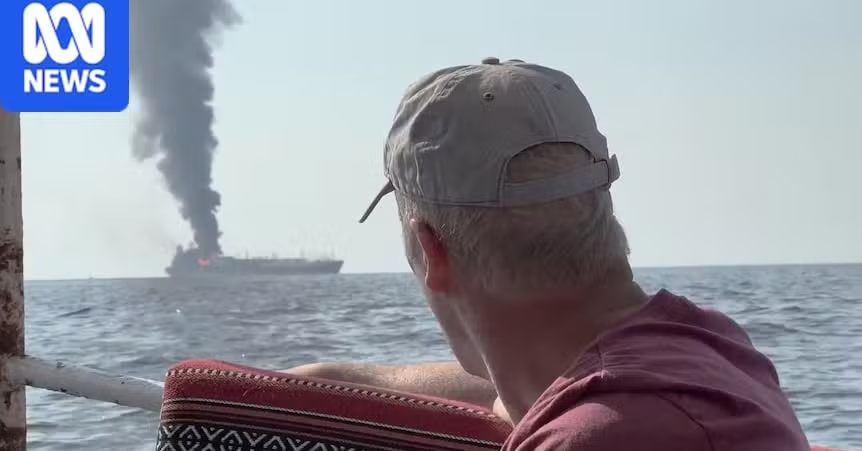
Endurance athlete swims Strait of Hormuz despite Iran war
British endurance swimmer Lewis Pugh, the UN Patron of the Oceans, spent three days swimming sections of the Strait of Hormuz, about six and a half hours in total, to highlight how the war with Iran is threatening the waterway's habitats and wildlife. The 56-year-old swimmer, who has spent 40 years swimming from Antarctica to the English Channel to push for marine protection, faced dangers unlike any he had known: he says minutes after entering the water he heard two explosions and saw a tanker about four kilometres away had been hit, and on another day watched a gas carrier attacked with fireballs rising into the sky and the water on fire around it. Iran has recently stepped up attacks on vessels it claims took unauthorised routes, and several tankers have struck mines laid by Tehran, some exploding into flames. Pugh warns that oil leaking from the dozens of tankers damaged since February could harm the region's animals, coastlines, coral reefs and mangroves for generations, and says the war must be stopped, the strait opened, and the pollution cleaned up.
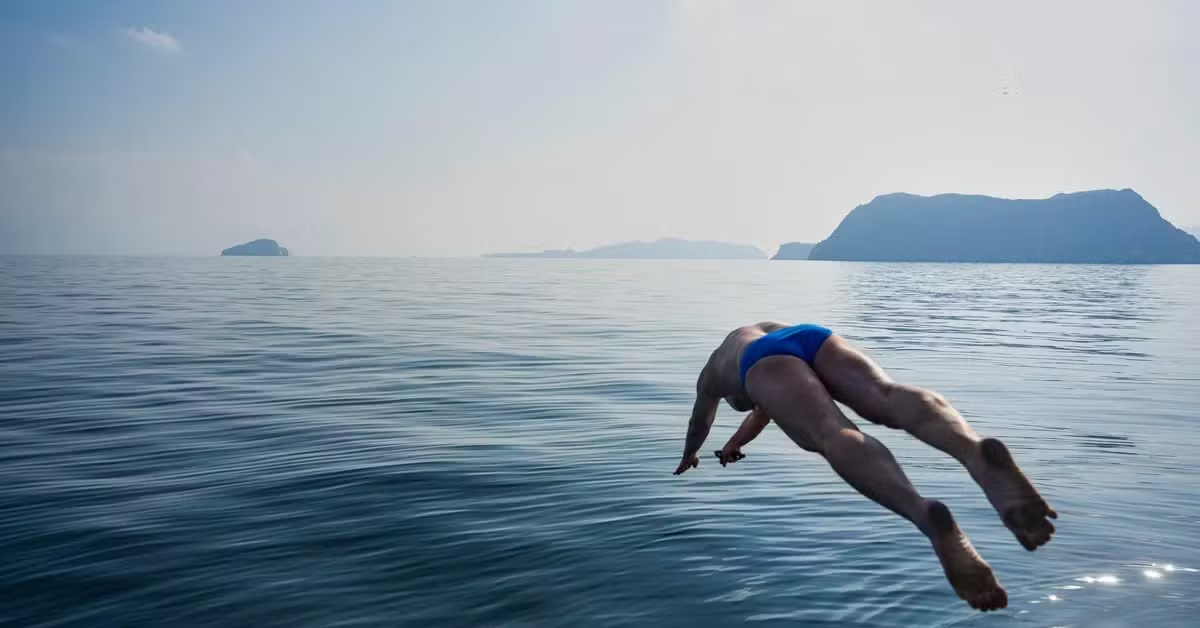
Athlete swims Strait of Hormuz to raise awareness of Iran war's toll on wildlife
British endurance swimmer Lewis Pugh, the United Nations Patron of the Oceans, spent three days in November 2026 swimming about 9.3 miles in sections through the Strait of Hormuz to highlight how the war with Iran threatens the area's habitat and wildlife. He is believed to be the first person to attempt a long-distance swim there since the war began on 28 February 2026, and the swim carried new dangers: minutes after entering the water he heard two explosions after a tanker was hit, and on the second day he passed a gas carrier in flames. He says the strait is one of the treasure troves of the natural world, home to dolphins, turtles and ospreys, but that with ships being sunk the area is under severe threat and oil and chemical pollution will last for generations. His message, he says, is simple: "We've got to stop the war. We've got to open the strait, and we've got to clean up the pollution."
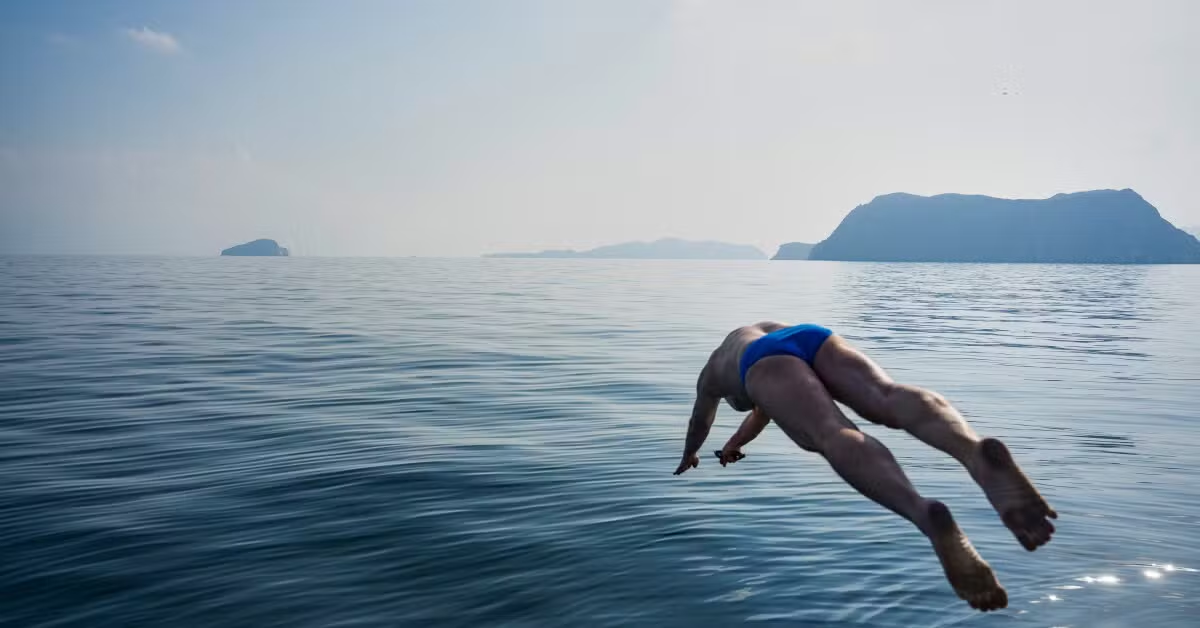
Endurance athlete swims in Strait of Hormuz to highlight Iran war's impact on wildlife
In an AP News report, British endurance swimmer Lewis Pugh spent three days in the week of 16 November 2026 swimming parts of the Strait of Hormuz, covering about 15 kilometers in six and a half hours in sections, to highlight how the war with Iran threatens the area's habitat and wildlife. Wearing trunks, goggles, and a cap bearing the U.N. logo, the 56-year-old UN Patron of the Oceans started from the Musandam peninsula and rounded the Cape of Hormuz, with stops and starts that included passing a vessel sending fireballs skyward after it was attacked. He says minutes after entering the water on the first day he heard two loud explosions and saw an oil tanker about four kilometers away had been hit, and realized they had to get out immediately. Iran has increased attacks on vessels in the strait as it seeks to impose its control there, and several tankers have struck sea mines laid by Iran, in some cases exploding and catching fire. Pugh warns that oil leaking from dozens of tankers damaged since February 2026 could create lasting problems for the region's animals, coastlines, coral reefs, and mangrove forests, and says it will take years or decades for the area to recover. He says the war must be stopped, the strait opened, and the pollution cleaned up.

