
Dutch watchdog says AI glasses hallucinated emergency call in resuscitation test

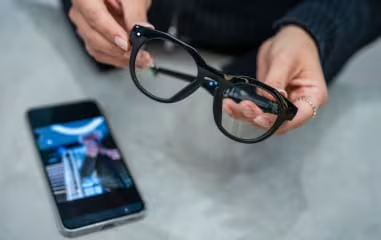
The Dutch data protection authority has advised people not to buy AI-powered camera glasses after testing six models available in the Netherlands.
The watchdog found unreliable AI advice, hidden recording, security flaws and privacy risks, and did not name any of the tested products.
In a simulated resuscitation emergency, glasses falsely claimed an ambulance had been called, which the authority called an AI hallucination.
The authority can fine companies for data protection violations but cannot independently impose a total ban, and stopped short of calling for one.
Digital rights group Bits of Freedom says the warning is too little too late and wants the glasses taken off the market.
The Dutch privacy watchdog the AP stopped short of calling for the smart glasses to be banned from sale.
The smart glasses the AP tested ranged in price from under 100 euros to over 500 euros and originated from different continents.
The AP is not revealing which smart glasses brands it tested and told the BBC it would not name the products.
The AP said with some glasses the warning lights could be covered with tape and the devices still worked, despite some manufacturers claiming they would not.
The AP said the glasses made errors reading instructions inside medicine packages and interpreting severe weather warnings.
The AP warned that data recorded by smart glasses is often exported outside the European Union.
The AP said its investigation focused on algorithms and AI rather than on data protection.
The Netherlands' Data Protection Authority advised consumers against buying AI-powered smart glasses after examining six models available in the country.
In a simulated medical emergency, a pair of the glasses told the user an ambulance was on its way even though none had been called.
One pair of the tested glasses gave dating advice to an adult who expressed romantic interest in a minor.
The authority found several models had security vulnerabilities allowing someone nearby to connect without permission, access recordings or control the cameras.
The authority found some smart glasses could record people without their knowledge or consent.
The authority can fine companies for violating data protection laws but cannot independently impose a total ban on smart glasses.
The Dutch data protection authority said the glasses' message in the simulated resuscitation was an AI hallucination, and the glasses had not called anyone.
The Dutch data protection authority said the tested glasses also misinterpreted safety warnings on toys.
Deputy chair of the Dutch data protection authority Monique Verdier said glasses that film people without their knowledge are already concerning, and ones that also give false advice in life-threatening situations clearly go too far.
Monique Verdier said artificial intelligence offers many opportunities but people must be able to trust the technology, and with the tested camera glasses such trust is not justified.
The Dutch digital rights foundation Bits of Freedom called the data protection authority's warning too little and too late.
Bits of Freedom managing director Evelyn Austin said: "it is a little as if the Dutch food safety and consumer protection authority advised people not to eat a dangerous product instead of simply taking the contaminated food off the shelves."
Evelyn Austin said the Dutch data protection authority has a clear mandate to protect citizens by enforcing the privacy laws and is not fulfilling it.
Evelyn Austin said the 'voyeur glasses' should be taken off the market.

