India and Nepal launch train link and sign $1.62 billion development package
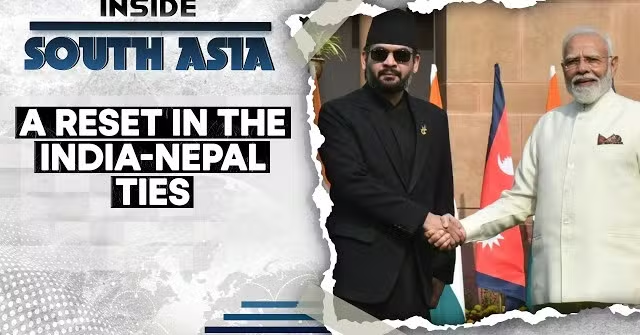
India Offers $1.62 Bn Package Nepal | Balendra Shah Praises India | WION
youtube.com· 11m
India seizes Nepal flood crisis to rebuild influence as China gains ground
reuters.com· 5d
India pledges $1.6bn in flood relief for Nepal as Balendra Shah visits Modi
aljazeera.com· 5d
Inondations au Népal : l’Inde offre à son voisin et allié un « plan de coopération » et une aide à la reconstruction de 1,6 milliard de dollars
lemonde.fr· 6d
India announces $1.62 billion package to bolster ties with flood-hit Nepal
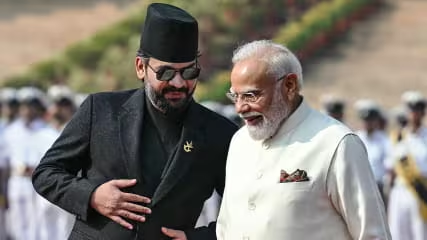
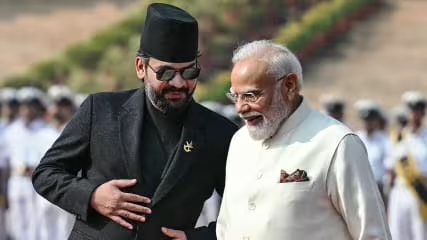
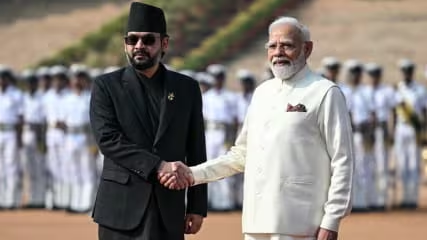
India announced a $1.62 billion economic package for Nepal on 23 November 2026, including a $377 million grant for reconstruction and infrastructure and a $1.24 billion line of credit for energy projects. Narendra Modi and Balendra Shah also jointly opened a train link between the countries and discussed a cross-border railway and energy projects.
During the visit, India sent Nepal relief supplies for its August 2026 floods and helped restore communications. Shah signed agreements to deepen cooperation in education, satellite communications and sustainable urban development.
The visit concluded on 29 November with 8 agreements and projects in energy and railways. India and Nepal launched the Sarayuku Kamala Express, a regular train linking Ayodhya in India with Janakpur in Nepal, and India agreed to give Nepal greater access to Indian ports.
The leaders virtually laid the foundation stone for the 669-megawatt Lua Arun hydropower project. The agreements also covered policing and forensic sciences, civil service training, healthcare, traditional medicine, livestock and fisheries, and the leaders announced a joint vision called Vikasid Bharat and Samunat Nepal.
On 23 November 2026, India announced a $1.62 billion economic package for Nepal, including a $377 million grant for reconstruction and infrastructure and a $1.24 billion line of credit for energy projects.
Narendra Modi said the package aimed to help affected families rebuild their lives, create opportunities and strengthen Nepal’s capacity to manage future disasters.
Narendra Modi said India’s economic package would give fresh impetus to Nepal’s reconstruction and long-term development.
Balendra Shah thanked India for consistently acting as a first responder during natural disasters and difficult times, and invited Indian investors and Narendra Modi to Nepal.
India and Nepal said in a joint statement that they would finalize specific projects and the terms of development assistance through mutual consultations.
On 23 November 2026, Narendra Modi and Balendra Shah discussed a cross-border railway, a 669-megawatt hydroelectric dam, an oil pipeline and a hydrocarbon storage terminal in New Delhi.
Narendra Modi expressed condolences for lives lost in Nepal’s August floods.
Balendra Shah stressed the need for collective action on the challenges posed by climate change.
Balendra Shah said, “may friendship between Nepal and India grow to the point where trust becomes as high as the Himalaya, where cooperation flows as easily as a river, and where prosperity between the two countries blossoms under our shared sky.”
Narendra Modi and Balendra Shah jointly opened a train link connecting India and Nepal.
India and Nepal agreed to expand cooperation in education and research, satellite communications and sustainable urban development.
Narendra Modi said, “We express our deep condolences for the loss of lives caused by the devastating floods in Nepal in August.”
Narendra Modi announced, “To support Nepal's reconstruction, and give fresh momentum to its long-term development, we announce a development cooperation package worth 240 billion Nepali rupees [$1.6bn].”
Balendra Shah said, “May the friendship between Nepal and India be one where trust stands as tall as the Himalayas.”
India sent relief supplies to Nepal after its August 2026 floods and helped restore communications.
On 23 November 2026, Balendra Shah signed agreements with India to deepen cooperation in education, satellite communications and sustainable urban development.
Nepal’s Foreign Minister Shisir Khanal said India’s package was the largest financial assistance Nepal had ever received.
Ashok Mehta said the package could bolster Balendra Shah at home and give New Delhi an opportunity to repair relations with Kathmandu.
Kunda Dixit said India was seeking goodwill with a new prime minister it was still assessing, and suggested the assistance could be intended to prevent Shah from leaning too far toward China and to “reformat relations with Nepal.”
Balendra Shah described India as a “dependable and trusted neighbour,” invited Indian investment and said trust would be the key pillar of relations between the countries.
India and Nepal concluded Balendra Shah’s visit with 8 agreements and launched projects in energy and railways.
India and Nepal launched the Sarayuku Kamala Express, a regular train linking Ayodhya in India with Janakpur in Nepal.
India agreed to give Nepal greater access to Indian ports.
Narendra Modi and Balendra Shah virtually laid the foundation stone for the 669-megawatt Lua Arun hydropower project.
India and Nepal signed 8 agreements covering policing and forensic sciences, civil service training, healthcare, traditional medicine, satellite communications, sustainable urban development, livestock and fisheries.
India and Nepal’s leaders announced a joint vision called Vikasid Bharat and Samunat Nepal.
Balendra Shah said India had consistently provided assistance during natural disasters and difficult situations, and thanked its government and people for their continued support.
Balendra Shah said the train at Janakpur Dham station symbolized the unique relationship between Nepal and India, which he described as natural, cultural, religious and centuries old.