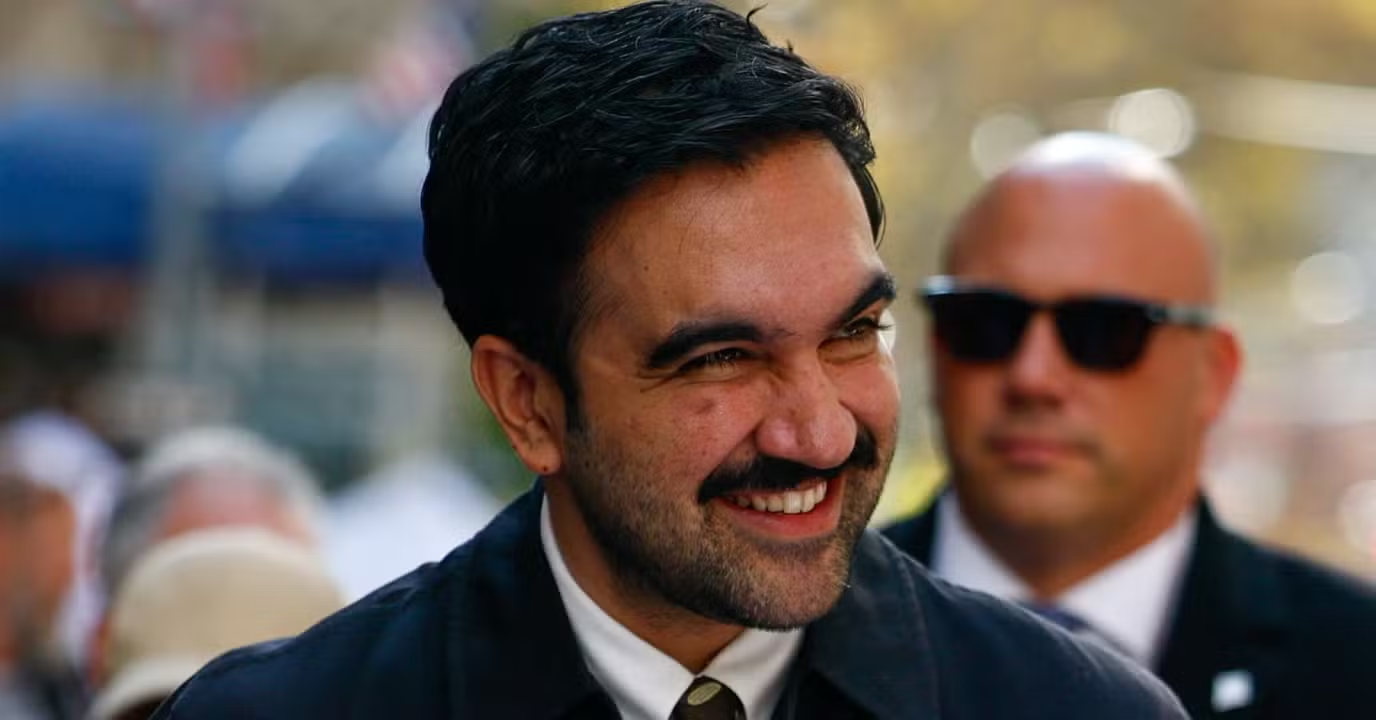
Judge denies landlords' petition, upholding Mamdani's New York City rent freeze
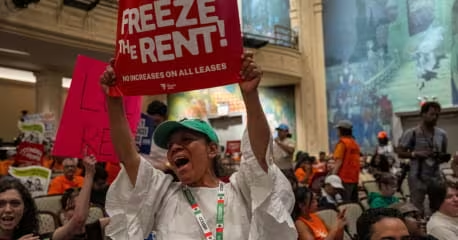

A Manhattan judge on Nov. 25, 2026 upheld the Rent Guidelines Board's two-year rent freeze for roughly 1 million rent-stabilized apartments, dismissing a landlords' lawsuit that sought to reverse the board's June decision. The freeze, reported to be the first directive of its kind, covers one-year and two-year leases up for renewal between Oct. 1, 2026, and Sept. 30, 2027, and fulfills a campaign pledge by Mayor Zohran Mamdani.
Landlords represented by Randy Mastro argued the board ran a sham process that ignored owners' rising expenses to deliver Mamdani's pledge, and asked a judge to order a new vote. During the case, a judge ordered city officials to turn over communications with the board, and Mastro released about a dozen exchanges between the mayor's office and the board. City lawyer Steven Banks said the exchanges showed nothing improper and mostly consisted of appointment notices, meeting coordination, and planning for a cost-of-living presentation.
Judge Brendan T. Lantry of the New York State Supreme Court in Manhattan, in a 20-page decision denying the petition, ruled that the landlords failed to show the freeze was unreasonable, arbitrary, or capricious, and that Mamdani had the right to appoint board members who backed his agenda. He wrote that the freeze may hurt the residential real estate industry but that the court lacked authority to overturn the board's decision. The freeze stands for apartments covering nearly half of the city's rental units.
Judge Brendan T. Lantry of the New York State Supreme Court in Manhattan upheld the Rent Guidelines Board's two-year rent freeze for roughly 1 million rent-stabilized apartments in an order issued on Nov. 25, 2026, rejecting landlords' bid to reverse the freeze the board approved in June 2026.
The freeze, reported to be the first directive of its kind, fulfills one of Mayor Zohran Mamdani's campaign pledges.
Judge Lantry wrote that the freeze may hurt the residential real estate industry but that the court lacked authority to overturn the board's decision.
Landlords represented by Randy Mastro argued the Rent Guidelines Board ran a sham process that ignored owners' rising expenses to deliver Mamdani's pledge, and asked a judge to order the board to hold a new vote.
A judge ordered city officials to turn over communications with the board, and Mastro released about a dozen exchanges between the mayor's office and the board.
City lawyer Steven Banks said the released exchanges showed nothing improper and mostly consisted of appointment notices, meeting coordination, and planning for a cost-of-living presentation.
Mayor Zohran Mamdani and city lawyers denied any interference in the process and said the Rent Guidelines Board arrived at its decision independently.
Legal Aid Society attorney Ellen Davidson, whose organization intervened on behalf of tenants, said she was pleased with the ruling but not surprised, and that the law is clear courts do not have the power to override the Rent Guidelines Board's decisions.
Judge Brendan T. Lantry dismissed the landlords' lawsuit in a 20-page decision.
Judge Lantry wrote in his 20-page decision that his review was not focused on whether the rent freeze was 'wise or if it may cause negative collateral consequences to the overall real estate market.'
Judge Lantry wrote that the rent freeze 'has a rational basis and must therefore be upheld as valid.'
The New York state Supreme Court denied the landlords' petition challenging the rent freeze, which covers nearly half of the city's rental units.
Justice Lantry ruled the landlords failed to show the freeze was unreasonable, arbitrary, or capricious, and that Mamdani had the right to appoint Rent Guidelines Board members who backed his agenda.
The freeze applies to rent-stabilized apartments with one-year and two-year leases up for renewal between Oct. 1, 2026, and Sept. 30, 2027.
Mayor Mamdani called the ruling a 'victory for tenants, for affordability and for the principle that working New Yorkers deserve a city they can afford to live in.'
Mamdani said the decision will affect more than 2 million people, and in a statement said, 'Housing is not a luxury. It is a basic necessity. This holiday weekend, more than 2 million New Yorkers can breathe a little easier.'
Justice Lantry wrote, 'Elections have consequences, a premise that is the backbone of our democracy.'
Justice Lantry wrote that Mamdani appointed board members of his choosing in appointments he was fully empowered to make, and that board members sharing his political views does not indicate any level of collusion.

