
Massachusetts drops fetal viability line as voters enshrine or reject abortion limits
Summary
- Fetal viability, generally 23 to 25 weeks, remains the dividing line in many state abortion laws since the Supreme Court overturned Roe v. Wade in 2022.
- Massachusetts passed a law eliminating its viability line; Governor Maura Healey signed an emergency order putting it into effect immediately.
- Opponents gathered more than 100,000 signatures to suspend the Massachusetts law and force a 2028 repeal vote, which the emergency order does not stop.
- In the 2026 midterms, Nevada and Virginia enshrined abortion rights, Missouri rejected an abortion-ban amendment, and Idaho voted to keep its ban.
- Obstetricians say viability depends on gestational age, weight, genetics, and care availability, and survival cannot be definitively predicted.
- Kate Dineen, denied an abortion in Massachusetts and treated in Maryland, helped push the state to drop its viability line.
Reactions
- Compassionate Care Coalition chair Sam Miele called Healey's emergency move shameful and disgraceful, saying the law was no emergency and undermined the democratic process.
- Reproductive Equity Now's Kathleen Melendy said at least nine Massachusetts patients had been denied care while awaiting the law, and thanked Healey.
- Reproductive Freedom for All said voters sent a clear message by taking back the House and Senate; the Center for Reproductive Rights urged federal safeguards.
- Family Foundation president Victoria Cobb urged Virginians to reject the abortion amendment, warning of litigation over parental consent; OB-GYN Timothy Bowley called it too vague.
- Missouri Auditor Scott Fitzpatrick said abortion was a 50/50 issue while gender-affirming care was 80/20; Representative Brian Seitz denied supporters were misleading voters.
- Nevada's Republican Governor Joe Lombardo said he would vote against Question 6; candidate Marty O'Donnell called abortion rights 'satanic'.
Timeline newest first
The Massachusetts legislature passed a law eliminating the state's viability line entirely, leaving later abortions to the professional judgment of the physician.
Governor Maura Healey signed an emergency order enacting Massachusetts's new abortion law immediately, allowing abortion at any point in pregnancy with a doctor's signoff.
Nevada voters approved Question 6, enshrining abortion rights through the second trimester and allowing regulation after viability except to protect the patient's life or health.
Idaho voters rejected a referendum to repeal the state's abortion ban, which would also have enshrined rights to birth control and fertility treatments.
Virginia's reproductive rights amendment, passed with 62 percent of the vote, takes effect January 1, 2027, and faces a legal challenge seeking to block certification of the results.
In October 2026, doctors and advocates gathered at the Virginia State Capitol to oppose the abortion amendment, arguing its language was too broad and could compromise patient safety.
Missouri's Republican-led legislature placed a new Amendment 3 on the ballot pairing an abortion ban with a constitutional prohibition on gender transition care for minors; critics called the bundling 'ballot candy'.
Sources newest first
- Abortion laws treat “viability” as a bright line. It isn't.
Andrea Levy's Mother Jones article argues that fetal viability, the common compromise line in abortion law, is far more ambiguous than it appears, tracing the term from 1820s English courts through Roe v. Wade to its role in today's post-Roe battles. It centers on Kate Dineen, who was denied an abortion in Massachusetts after her son's catastrophic in-utero stroke, terminated in Maryland, and helped push the state to eliminate its viability line in 2025.
 Healey takes emergency action to implement new Mass. abortion law
GBH News reports that Governor Maura Healey signed an emergency order putting Massachusetts's new abortion law into effect immediately, after opponents gathered more than 100,000 signatures to freeze its implementation and force a 2028 repeal vote. The law lets anyone in Massachusetts get an abortion at any point in pregnancy with a doctor's signoff, drawing celebration from reproductive rights advocates and condemnation from Compassionate Care Coalition chair Sam Miele.
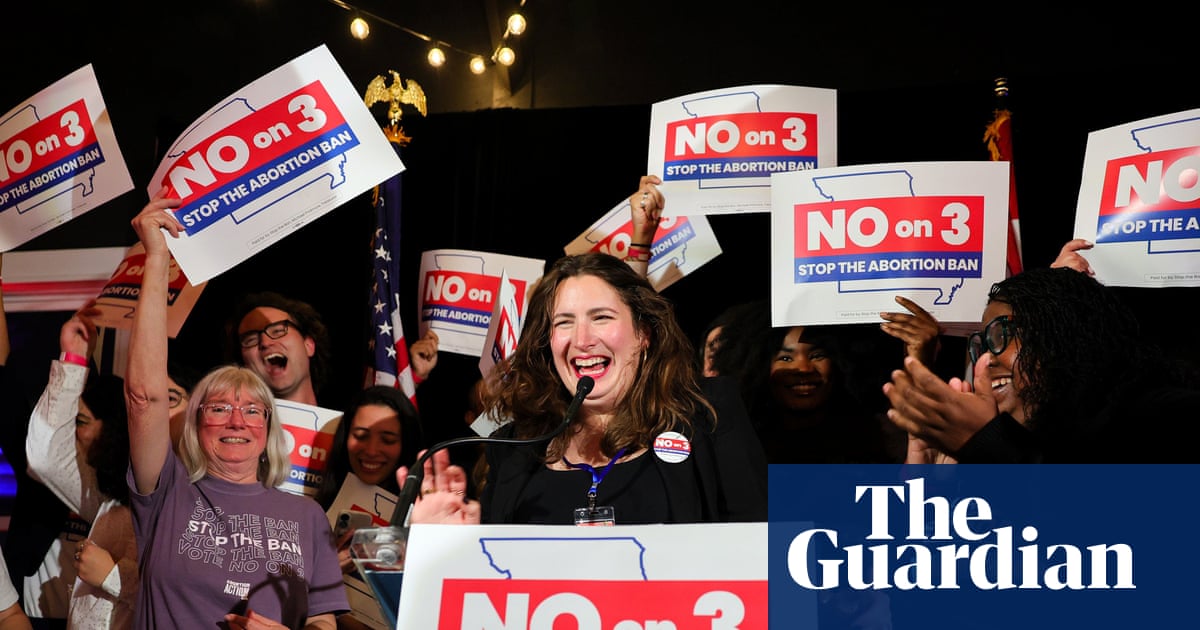 Reproductive rights protected in several states by midterm election ballot measures
The Guardian reports that voters in several states protected reproductive rights in the 2026 midterms: Nevada approved Question 6 enshrining abortion rights through the second trimester, Virginia passed an amendment establishing a fundamental right to reproductive freedom, and Missouri rejected Amendment 3, which would have restricted abortion, 55% to 45%, while Idaho voters declined to repeal the state's abortion ban. Democrats who made abortion central — Abdul El-Sayed, Chris Pappas, and Jon Ossoff — won Senate races.
 Idaho Voters Reject Referendum to Lift State’s Abortion Ban
A New York Times article reports that Idaho voters rejected a referendum to repeal the state's abortion ban, which would have also enshrined rights to birth control and fertility treatments. The article describes the ban's toll — in-person abortions nearly vanished and a study found a 35 percent drop in obstetrics physicians — while conservatives said the doctor-flight statistics were overblown and used the ban to drive turnout.
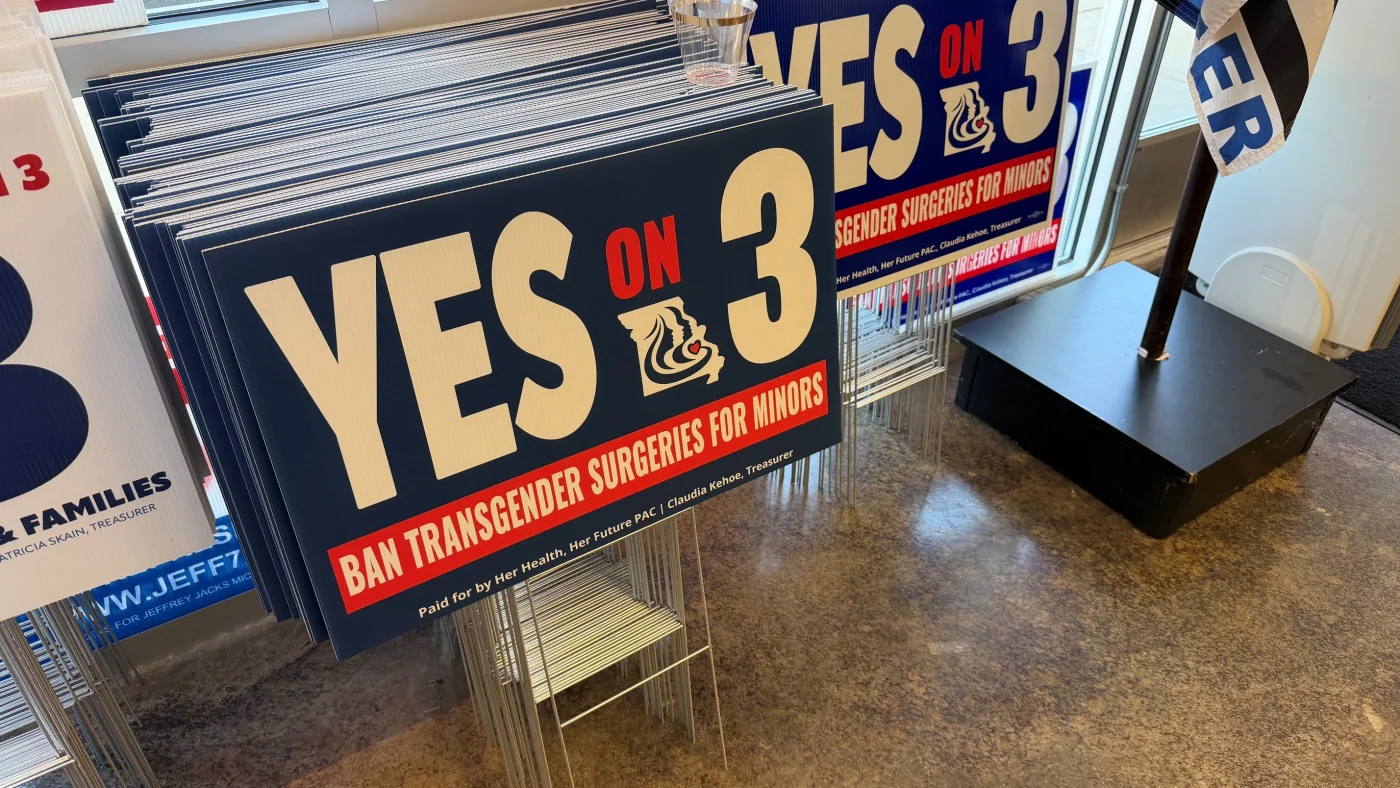 Missourians reject ballot proposal that would have re-imposed an abortion ban
npr.org· 10d
Missouri voters rejected Amendment 3, the Republican-led legislature's proposal to write an abortion ban into the state constitution, keeping abortion legal until fetal viability and reaffirming their 2024 vote that lifted one of the country's strictest bans. Abortion opponents had coupled the ban with a prohibition on gender-affirming care for minors in a single question, and state Auditor Scott Fitzpatrick argued the abortion issue is closer to a 50/50 issue in the state while trans medical procedures are more like an 80/20 one.
 Virginia voters approve abortion, marriage equality rights
Virginia voters approved three constitutional amendments on 3 November 2026 — reproductive rights with 62%, marriage equality with 57%, and voting rights with 56% — which Axios reports cement the state's outlier status on abortion rights in the South and take effect 1 January 2027. The marriage and reproductive rights amendments face legal challenges seeking to block certification of their results.
 On abortion rights, Nevada offers a perfect snapshot of the midterms
Mother Jones reports how Nevada frames abortion rights in the 2026 midterms: Rep. Susie Lee rallies canvassers behind Question 6, which would enshrine abortion rights in the state constitution and must pass a second time after winning 64 percent in 2024, while Republican Gov. Joe Lombardo says he will vote against it. Abortion-rights groups, including Reproductive Freedom for All's $23.5 million and Planned Parenthood Votes' $47 million, are pushing Democratic firewalls in Congress and statehouses, with measures also on ballots in Idaho, Missouri, and Virginia, though strategists concede abortion is not voters' top concern this cycle.
 Virginia voters face decisions on reproductive rights, marriage equality and voting rights
A wtvr.com article by Brendan King previews three constitutional amendments Virginia voters will decide in November 2026: reproductive healthcare, removing the state's unenforceable same-sex marriage ban, and automatic restoration of voting rights for felons upon release. Supporters like Jamie Lockhart and Cia Price back the measures, while Victoria Cobb and Terry Kilgore oppose them, citing parental rights, litigation risks, and lost restitution leverage.
 Missouri Republicans Are Trying to Repeal Abortion Rights by Leaning Into Anti-Trans Sentiment
ProPublica reports that Missouri Republicans put a new Amendment 3 on the November 2026 ballot that would repeal the abortion rights voters approved in 2024 and also constitutionally ban gender transition care for minors, restrictions critics call "ballot candy" since state law largely already has them. Opponents including the Stop the Ban coalition, backed by $5 million and Bloomberg's $1.25 million, say the ballot summary misled voters, while Secretary of State Denny Hoskins and supporters defend the measure.
Background newest first
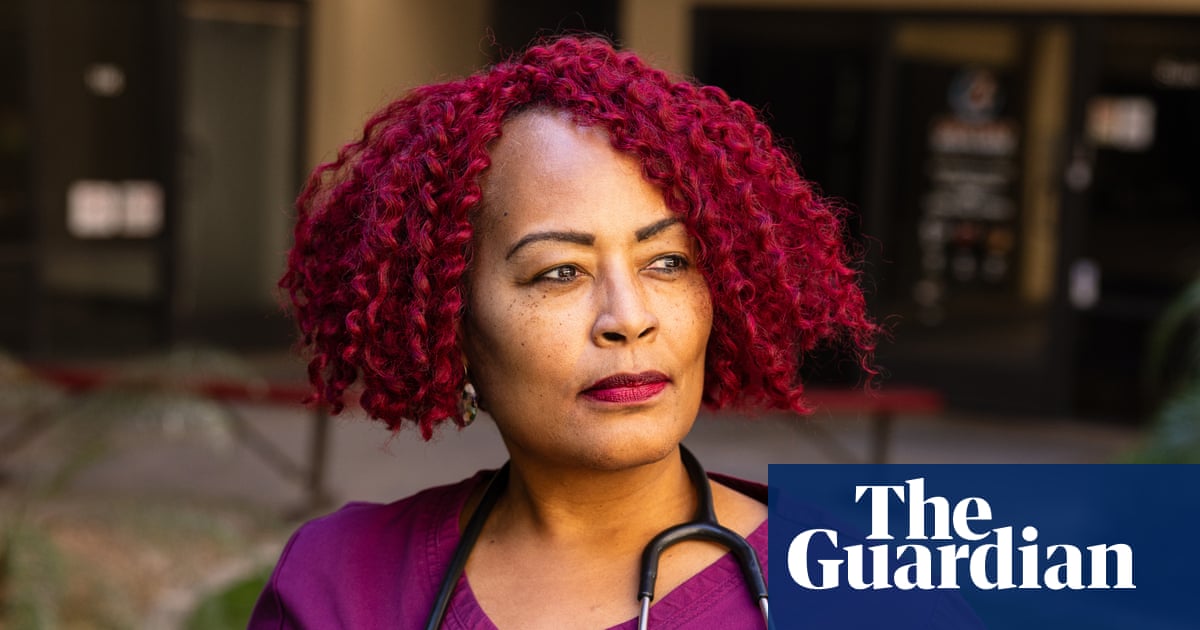 The abortion doctor who leads with her faith: ‘God is forgiving’
A Guardian profile of Dr DeShawn Taylor, the Christian physician who runs the Desert Star Institute for Family Planning in Phoenix — the only Black woman-owned abortion clinic in Arizona — tells how she prays with patients and reassures them that God gives people free will. The article also traces Arizona's shifting abortion laws after Dobbs and the history of faith communities on both sides of the issue.
 Is This a New Dawn for Abortion Rights in Texas?
texasobserver.org· 2d
The Texas Observer asks whether the Democratic sweep of Texas's statewide races — ousting Greg Abbott, Dan Patrick, and Ken Paxton and seating an unprecedented trio of abortion-rights women atop state government — marks a new dawn for abortion rights, profiling Amanda Zurawski, whose near-death sepsis under the ban spurred her lawsuit. Ahead of the January 12 session, Donna Howard filed a full repeal of Texas's abortion laws, Carol Alvarado proposed rape and incest exceptions, and advocates expect new attorney general Nathan Johnson to abandon Paxton's anti-abortion fights, though Republicans retain the Senate 19-12.
 Could Texas reverse course on abortion? Democrats think there’s an opening
19thnews.org· 2d
The 19th reports that Democrats' 2026 midterm wins in Texas — control of the state House and the first Democrats elected statewide since 1994 — have opened what they see as a chance to loosen or repeal the state's near-total abortion ban, which has been linked to the deaths of multiple women. Rep. Donna Howard has filed repeal legislation while saying a full repeal is unlikely to clear the Republican-held Senate, Attorney General-elect Nathan Johnson says he won't continue Ken Paxton's lawsuits against abortion providers, and Texas Right to Life says it will work overtime in 2027 to stop legalization.
 The Democratic tsunami Is a “sea change” for reproductive rights
Mother Jones reports that the midterm "tsunami" gave Democrats six new state trifectas, five attorneys general, and wins in formerly red states like Georgia and Texas, leading reproductive-rights leaders to call the result a sea change for abortion access. They see chances to repeal restrictions, unseat hostile enforcers, and even target the Hyde Amendment, though they are bracing for Donald Trump's officials to get more aggressive.
 Incoming Texas AG Will End “Abortion Trafficking” Ordinances
substack.com· 4d
Jessica Valenti's newsletter reports that incoming Texas Attorney General Nathan Johnson, a day after the 2026 midterms, announced he will end Ken Paxton's suits against out-of-state abortion providers and stop Texas's roughly 100 local "abortion trafficking" ordinances, which allow civil suits to chill help for abortion seekers. She rounds up post-midterm fallout: conservatives plotting to overturn abortion rights wins in Missouri and Virginia, Maura Healey's emergency action enacting Massachusetts's new abortion law, and anti-abortion leaders' hopes of reviving the Comstock Act.
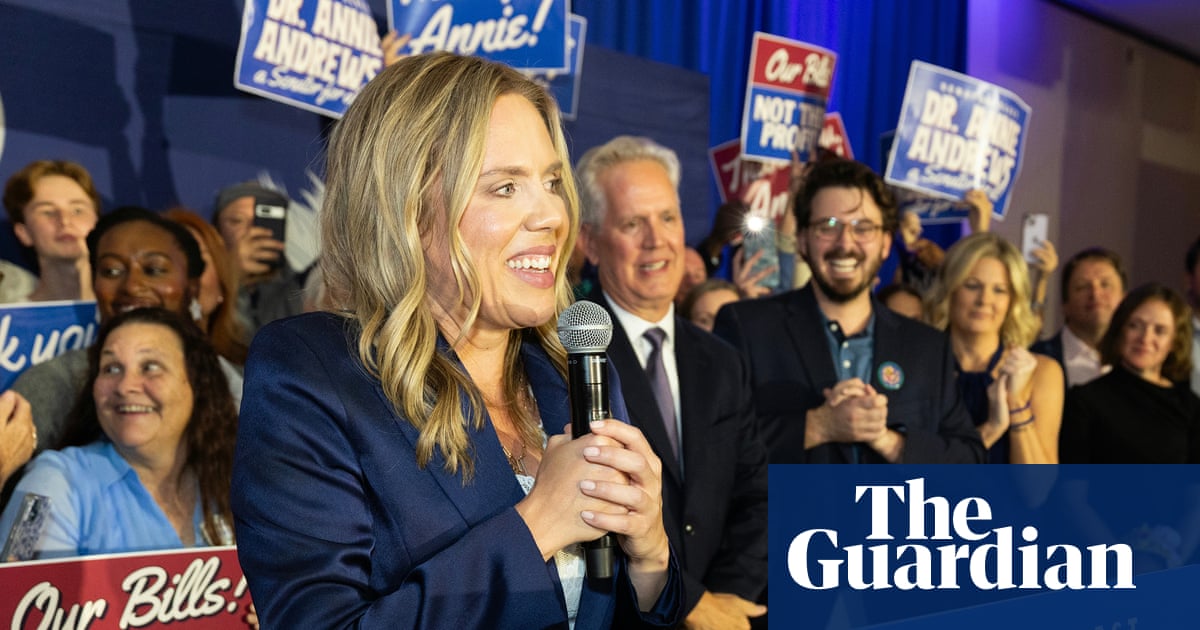 ‘A complete repudiation’: public health won big in US midterm elections
The Guardian reports that candidates who made public health central to their platforms won big in the November 2026 US midterms, with doctors and Covid-response figures like Annie Andrews, Amy Acton, and Abdul El-Sayed elected and voters rejecting abortion restrictions. Defend Public Health's Julie Scofield calls the outcome a complete repudiation of Trump's policies, and experts say the changes will reshape action on abortion, gender-affirming care, and vaccines.
 COLUMN: Women Did This
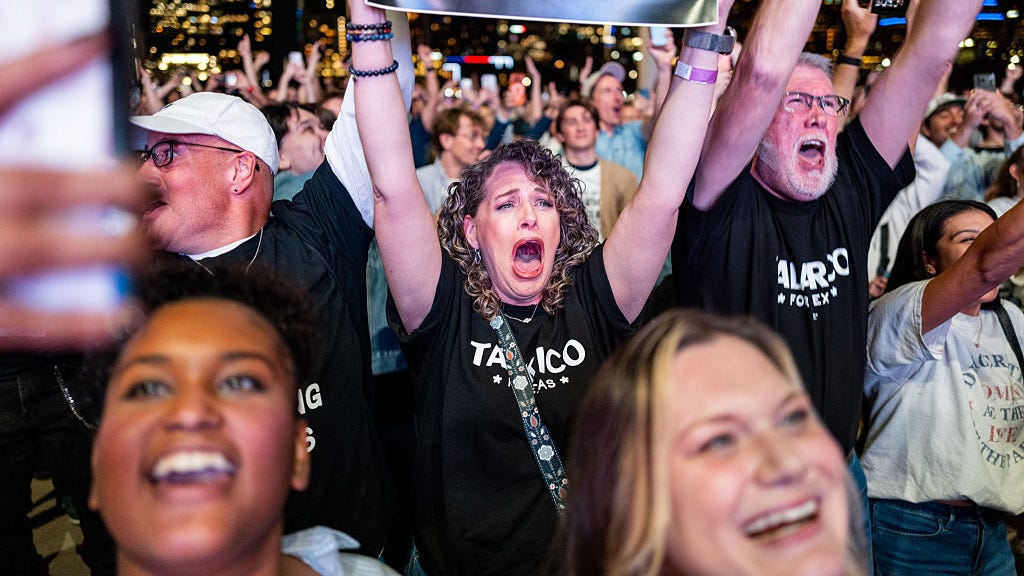
Jessica Valenti's column argues that women — especially women of color — powered the 2026 midterm results by rejecting anti-abortion extremism, saying Republicans' abortion bans were an albatross around GOP candidates' necks. She cites Allie Phillips flipping a Tennessee House seat after being denied an abortion, women making up 53% of voters, and records: over 155 women in Congress, Keisha Lance Bottoms as the first Black woman governor, and Peggy Flanagan as the first Native woman senator.
 Where voters stand on state ballot measures, from abortion to LGBTQ rights to guns
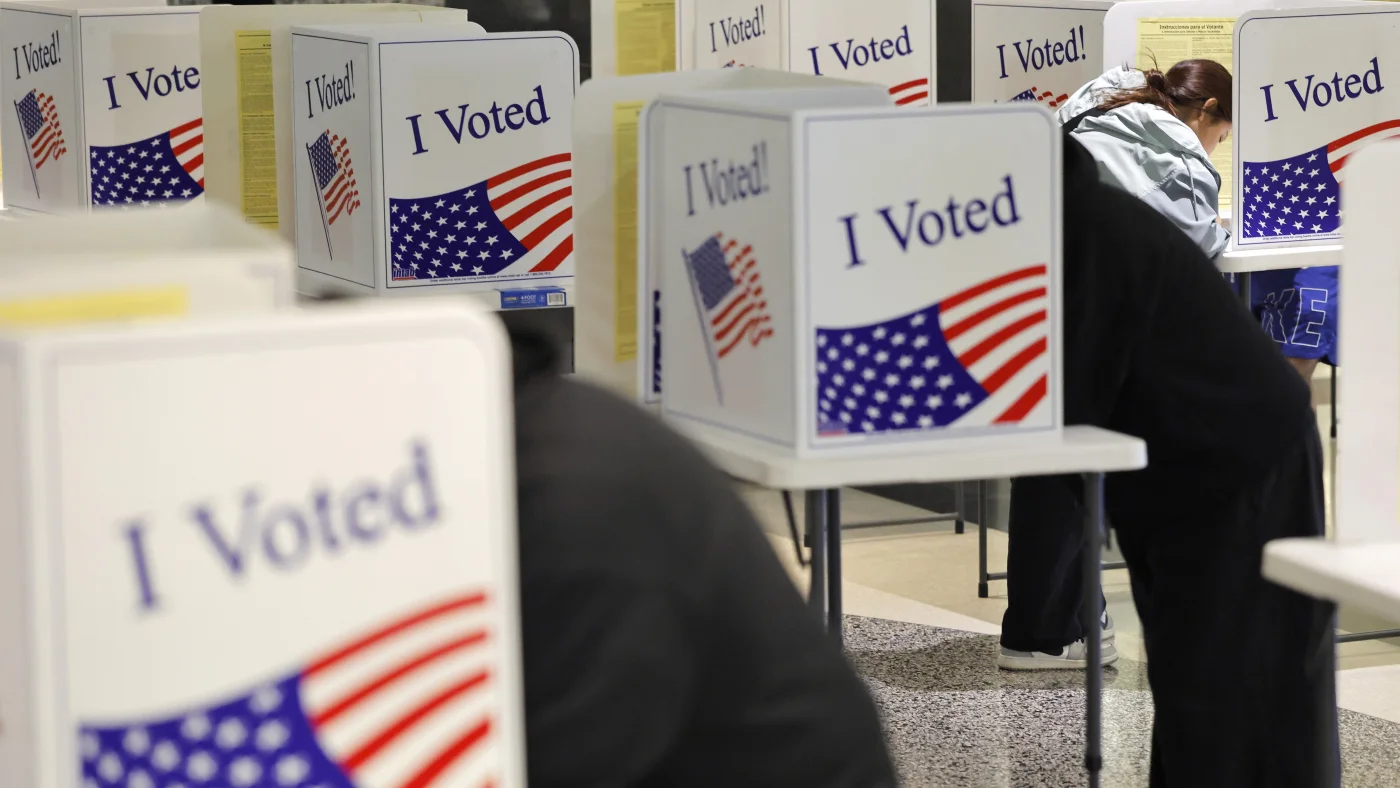
NPR's Rachel Treisman surveys the 146 statewide ballot measures voters weighed in across 39 states, D.C., and the Northern Mariana Islands in the 2026 midterms, covering abortion, election rules, redistricting, LGBTQ and transgender measures, taxes, guns, data centers, and even a D.C. ban on foie gras. Abortion measures passed in three of four states — Idaho preserved its ban — and Virginia backed reproductive rights, same-sex marriage, and felony voting rights.
 Blaue Welle bei den US-Midterms: Mit Maine sind es sieben
taz.de· 10d
A taz.de live ticker from 4 November 2026 tracks a blue wave in the US midterms: the Democrats take both chambers of Congress, with Senate gains including Maine, Kansas, Iowa, Texas, Ohio and the Carolinas, and Trump's candidate Vivek Ramaswamy loses the Ohio governorship. Donald Trump writes on Truth Social that he was not on the ballot and would have won a landslide, while Fox News host Sean Hannity blames the war in Iran for the defeat.
 10 States With Data Centers on the Ballot All Voted to Ban Them
newrepublic.com· 10d
New Republic's roundup of the 2026 midterms leads with voters' rejection of data centers: 41 initiatives in 10 states, with at least 33 municipalities keeping them out and only Harwood, North Dakota, a win for the industry. The article also tallies abortion wins in three of four states, Washington's preserved millionaire tax, redistricting fights in Maryland and Missouri, and a slate of firsts, including Keisha Lance Bottoms as the first Black woman governor and Peggy Flanagan as the first Native woman elected to the Senate.
 Midterm elections live updates: First polls begin to close with control of Congress at stake
apnews.com
The AP's live midterm blog tracks Election Day 2026, when control of the House and Senate is at stake, with Democrats needing to flip four Senate and three House seats, the first polls closing in Indiana and Kentucky, and AP Voter Poll findings showing cost of living, government corruption and the economy dominating voter concerns. Voting hiccups ranged from Chicago running out of paper ballots to extended hours in North Carolina and Pennsylvania, while California's billionaire tax Proposition 40, abortion measures in four states, and sports bans for transgender girls drew ballots.
 Mass. voters hit the polls on Election Day
wbur.org· 11d
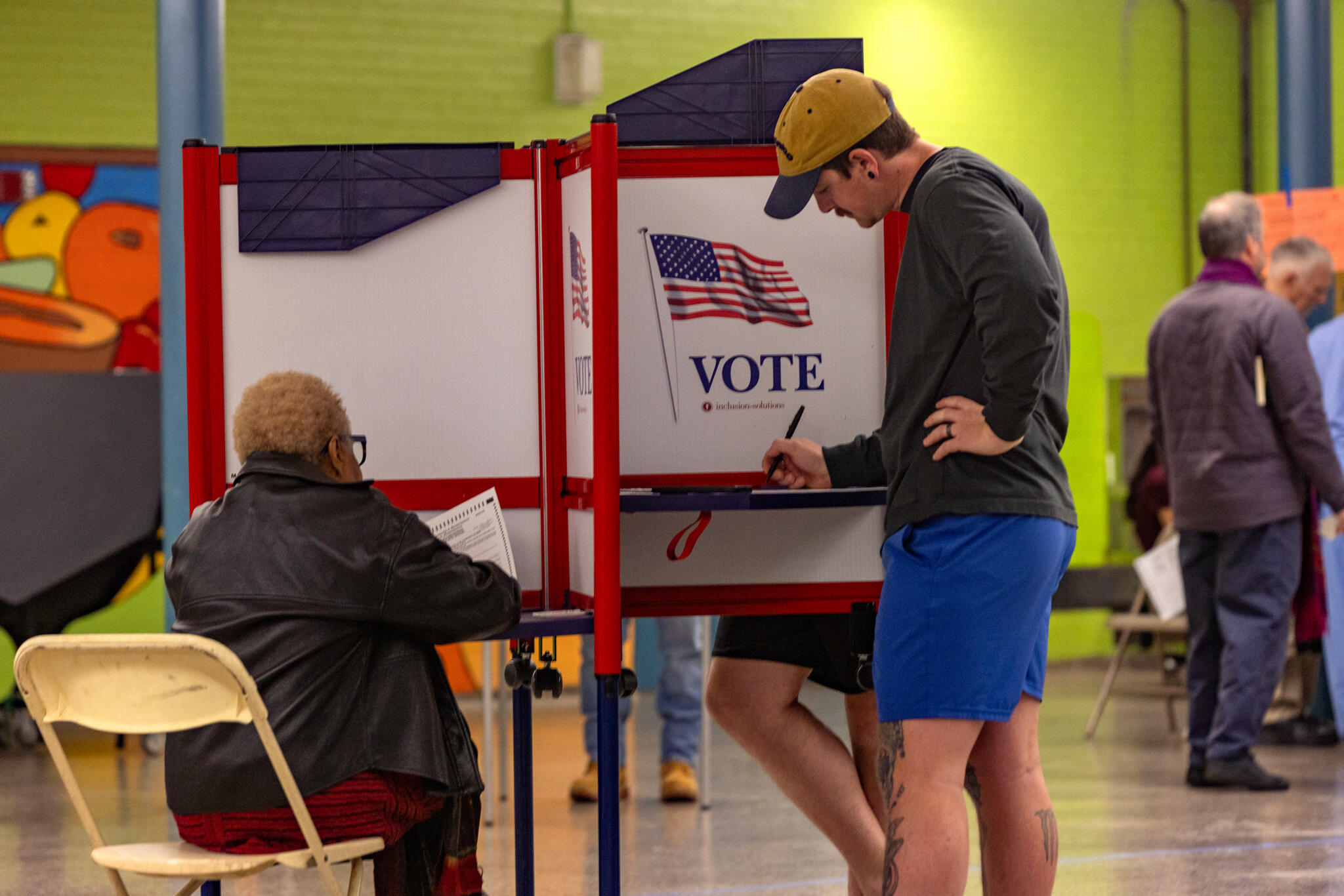
WBUR reports Massachusetts voters going to the polls on 3 November 2026 for midterms featuring Maura Healey's reelection bid against Republican Mike Minogue and nine ballot questions. Secretary of State Bill Galvin says clerks are reporting high turnout and longer waits on the unusually long ballot, and results may not come in until the next day.
 Meet Kristan Hawkins, the “Charlie Kirk of Abortion”
Mother Jones's "Life After Roe" package profiles Kristan Hawkins, who has led Students for Life of America for 20 years and says abortion is wrong and should be banned nationwide, as reporter Amy Littlefield follows her campus tour. Littlefield says Hawkins pioneered strategies that worked but is losing traction with young women while pressed by a farther-right faction that wants to punish abortion.
 If You’re Pregnant, Here’s What You Should Know About the Medical Procedures That Could Save Your Life
ProPublica's guide, written with dozens of doctors, explains the medical procedures — D&C, D&E, medication, and expectant management — that treat miscarriage and other pregnancy complications, and reports that its yearlong investigation found abortion bans have made physicians hesitant to perform these procedures, which are the same ones used for abortions. It recounts deaths of women denied timely care and advises patients on questions to ask doctors and how to seek emergency care.
