
Trump administration lets states delay Medicaid work requirement enforcement by six months
Summary
- A 2025 Republican law requires Medicaid expansion adults aged 18 to 64 to prove 80 hours a month of work, school, or volunteering to keep coverage, starting January 1, 2027.
- On November 13, 2026, the Centers for Medicare and Medicaid Services gave states an optional six-month "hold harmless" delay, pushing first coverage losses to July 2027 at the earliest.
- States must tell the administration by December 11, 2026 which path they will take, and have until June 30, 2027 to build verification systems.
- About 19 million people in Medicaid expansion states are subject to the rules; the Congressional Budget Office projects more than 5 million will lose coverage by 2034.
- Nebraska launched the rules on May 1, 2026 and Montana in October 2026; Nebraska has denied coverage to more than 1,000 people under them.
- A federal judge in Boston blocked the medical-frailty exemption rules in October 2026, and Democratic attorneys general sued to stop the requirements in November.
Reactions
- Sarah Lueck of the Center on Budget and Policy Priorities wrote that the delay "lets states delay the harm" to people whose health care is at risk.
- Minnesota Attorney General Keith Ellison, who sued with three other attorneys general, called the requirements "a bait-and-switch and it's unconstitutional."
- Five Democratic governors asked Health Secretary Robert F. Kennedy Jr. in October 2026 to postpone the work requirements, saying state agencies were not ready.
- Virginia Health Secretary Marvin Figueroa said he expects to accept the delay, calling it "a recognition that the timeline was unrealistic."
- CMS official Dan Brillman said states have made real progress and have been clear about what it takes to implement the requirements at scale.
- CMS Administrator Mehmet Oz said the Boston ruling would be appealed, and the agency declined to comment on pending litigation.
Timeline newest first
The Centers for Medicare and Medicaid Services announced on November 14, 2026 that states set to enforce the Medicaid work requirement in January may delay implementation for six months.
The federal government announced on November 13, 2026 an optional six-month delay: the Medicaid work requirement still starts January 1, 2027, but states that decline to enforce it face no accountability until July 1, 2027.
The Centers for Medicare and Medicaid Services said on November 13, 2026 that states may start enforcing Medicaid work requirements in July 2027, and must inform the administration of their choice by December 11, 2026.
Senior administration officials said the six-month enforcement delay gives extra preparation time to states that are 70% to 80% ready to run the new verifications.
Hospitals across the country mobilized outreach with texts, calls, and volunteer help to keep roughly 19 million patients insured ahead of the work rules' January 2027 start.
Nebraska launched the first Medicaid work requirements under the One Big Beautiful Bill Act on May 1, 2026, eight months before most states, covering about 70,000 adult recipients.
Sixteen senators led by Raphael Warnock and Ben Lujan wrote to Senate leadership on November 9, 2026 urging a two-year delay of the Medicaid work reporting requirements set to take effect January 1, 2027.
Minnesota Attorney General Keith Ellison sued the Trump administration on November 6, 2026, joined by the attorneys general of Oregon, New Mexico, and Washington, to block the Medicaid work requirements as unconstitutional coercion.
Sources newest first
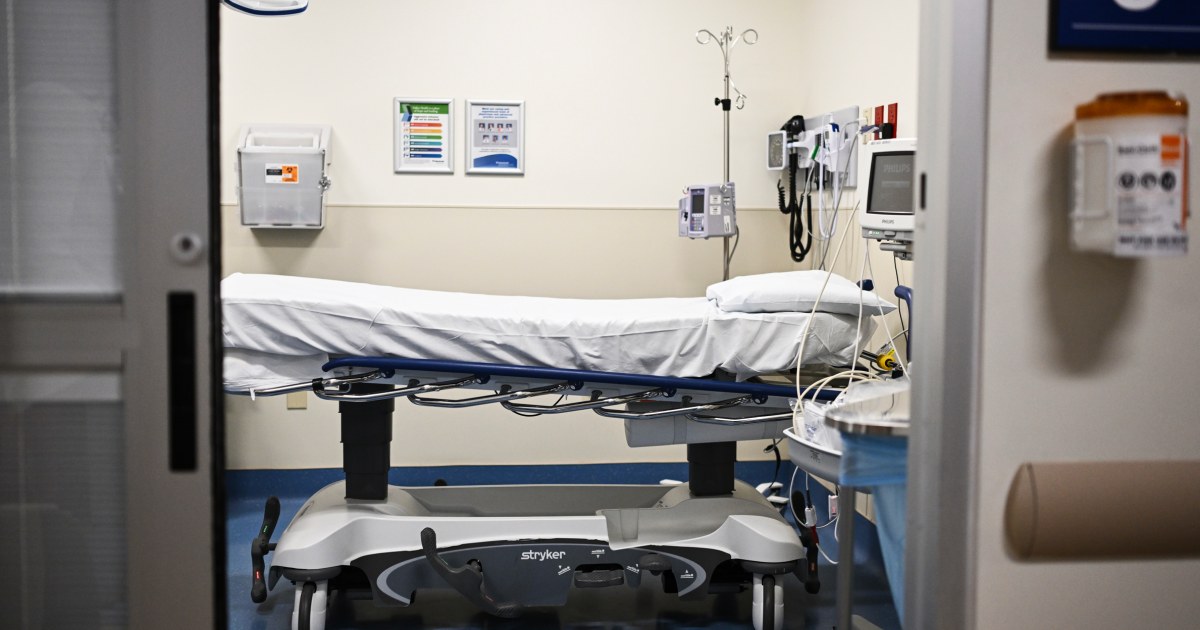 Trump administration delays Medicaid work requirements by six months
The Trump administration is giving states an optional six-month "hold harmless" window before anyone can lose Medicaid coverage for failing work requirements, which still technically start Jan. 1, 2027. Experts said the requirement would strip millions of coverage, and Sarah Lueck of the Center on Budget and Policy Priorities wrote that the news "lets states delay the harm."
 New Medicaid work requirements delayed
Politico reports that the Trump administration's Centers for Medicare and Medicaid Services will let states delay enforcing Medicaid work requirements by six months, to July 2027, after state officials warned they were not ready and scorekeepers estimated the policy would strip more than 5 million enrollees of coverage. States must choose a path by 11 December 2026.
 Trump Administration Will Delay Medicaid Work Requirement Enforcement
A Washington Sun news article reports that the Trump administration told states it will delay enforcement of Medicaid work requirements for six months, so Americans will not be dropped under the new rules until at least July. Requirements set in Republicans' 2025 policy bill would have people prove they work, volunteer or study to keep coverage; officials cite states' unreadiness, a court ruling against the administration, and the CBO projects 5 million fewer Medicaid enrollees a decade from now.
 Hospitals Brace for Medicaid Work Rules and Deep Funding Cuts
Christopher Rowland's New York Times article reports that hospitals nationwide are mobilizing outreach — texts, calls, and volunteer help — to keep roughly 19 million patients insured under Medicaid work rules taking effect in January 2027, requiring 80 hours a month of work, volunteering, or schooling. Early adopters offer a preview: Nebraska's approvals fell 25 percent after its May 2026 rollout, with 90 percent of denials blamed on paperwork, while the Congressional Budget Office projects more than five million people will lose coverage by 2034, and Democrats taking Congress in 2027 lack the votes to roll back the cuts without Republican deal-making.
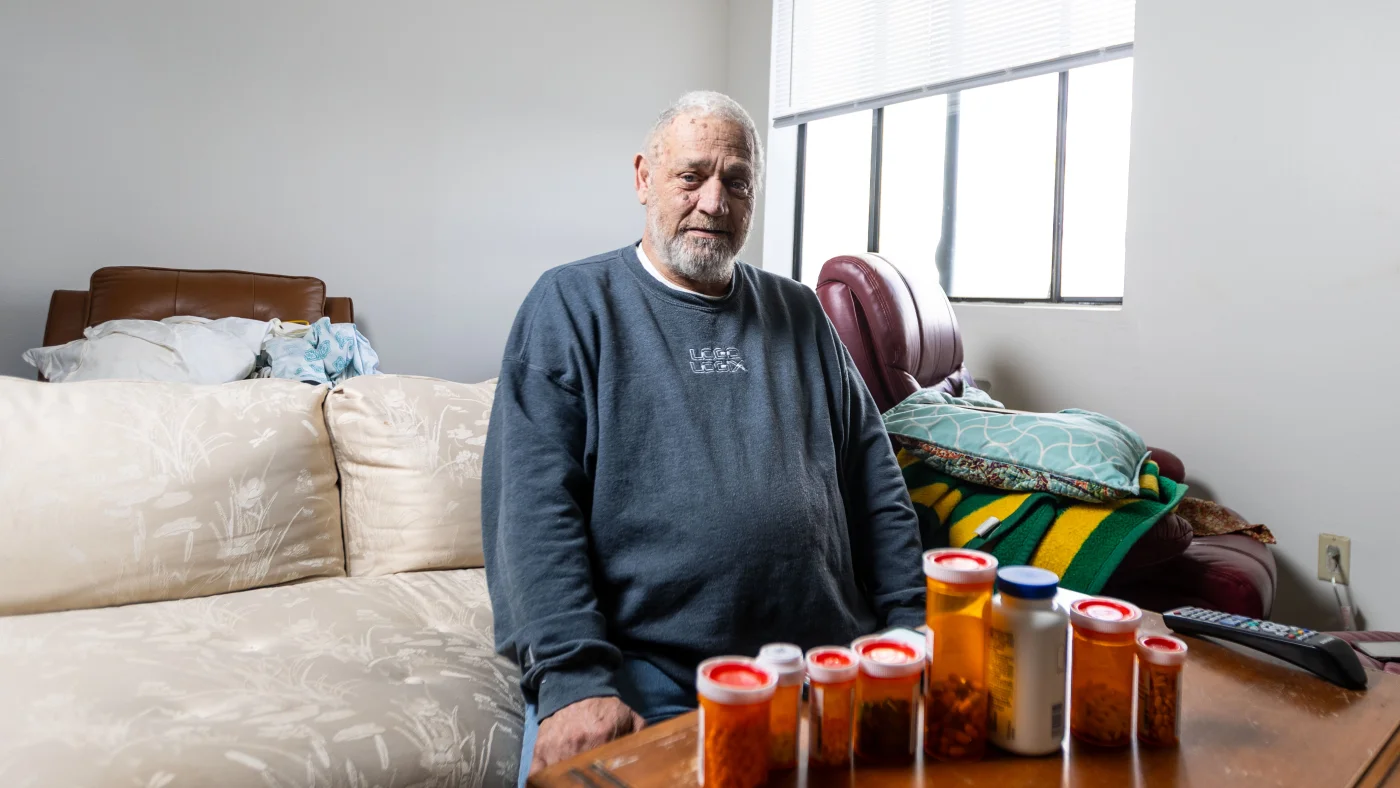 Nebraska rushed Medicaid work rules. Then a cancer patient was told he'd lost coverage
NPR reports that Nebraska launched Medicaid work requirements on May 1, 2026, eight months ahead of most states, and that Eli McCreary of Omaha says a CHI Health hospital told him he had lost coverage amid treatment for kidney cancer, causing canceled appointments. State officials say his coverage never lapsed — he aged out of Medicaid at 65 — while health clinics and advocates say the rushed rollout has confused enrollees, with roughly 1,100 Nebraskans denied benefits by August 2026.
https://www.warnock.senate.gov/wp-content/uploads/2026/11/Warnock-Lujan-Medicaid-Work-Reporting-Requirements-Letter-to-Leadership.pdf
Sixteen senators including Raphael Warnock write to Senate leadership urging a two-year delay of the Medicaid work reporting requirements in H.R. 1, set to take effect January 1, 2027. They argue states lack the time and resources to comply after CMS's June 1, 2026 rule, and cite the Congressional Budget Office's estimate that over 5 million Americans would lose coverage from the requirements alone.
 Ellison sues Trump administration over new Medicaid work requirements
MPR News reports that Minnesota Attorney General Keith Ellison, joined by the attorneys general of Oregon, New Mexico, and Washington, sued the Trump administration on Thursday to block new Medicaid work requirements under H.R. 1, which take effect January 1, 2027. The suit calls the funding threat unconstitutional coercion, and Ellison calls it a bait-and-switch.
Background newest first
 Abdul El-Sayed on Democratic leadership, health care access and inspiring a new generation
pbs.org· 46h
PBS NewsHour's Amna Nawaz interviews Senator-elect Abdul El-Sayed, Michigan's first Muslim elected to the US Senate, about Democratic leadership, health care, and his push to make Medicare for All a priority. He backs Chris Van Hollen for Senate majority leader, warns that Medicaid cuts taking effect January 1, 2027 could collapse rural hospitals in Republican-held states, and says he would even rebrand Medicare for All "Trumpcare for All" to win President Trump over.
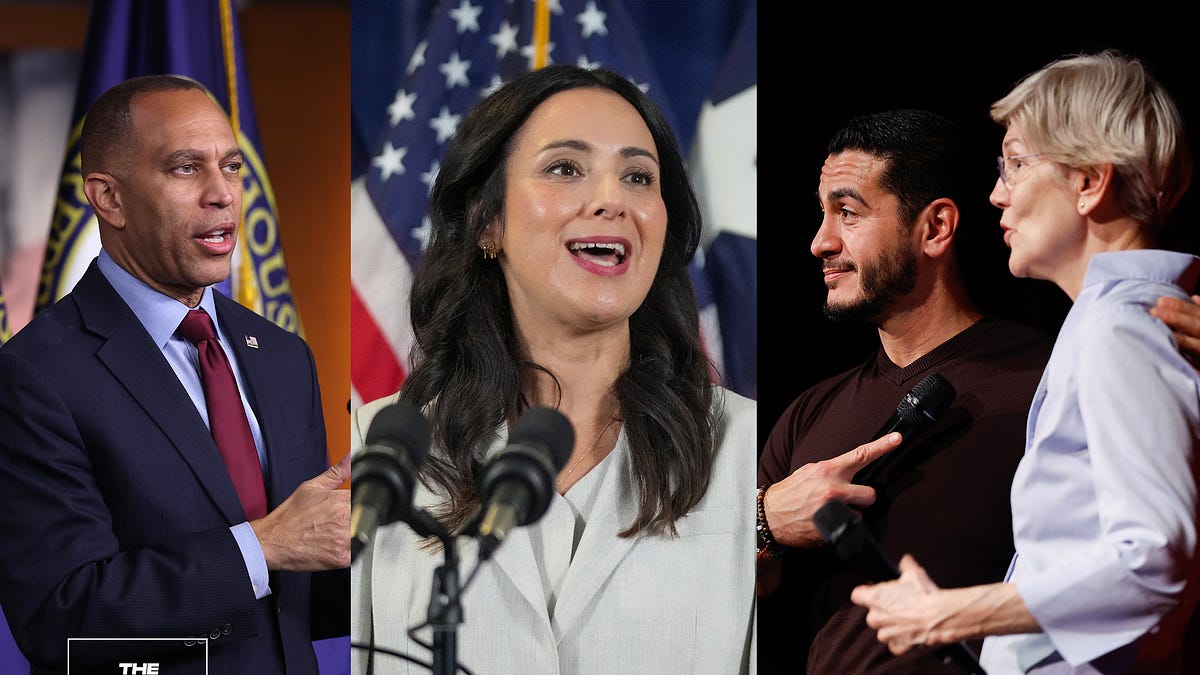 Democrats Understand The Assignment
substack.com· 46h
The Big Picture argues that Democrats' November 3, 2026 midterm wins, driven by voter fury over rising costs under Donald Trump's tariffs, amount to a mandate for economic populism, from Gina Hinojosa's planned Texas "high-cost emergency" electricity rate freeze to minimum wage pledges by governors like Josh Shapiro and Rob Sand. It surveys the incoming Congress's affordability agenda, including efforts to delay Medicaid work requirements taking effect January 1, 2027, and a party fight over health care between Bernie Sanders and Elizabeth Warren's Medicare for All push and Majority Democrats' "Medicare for Americans" alternative.
 Moms feared what the midterms would mean for their disabled daughters. Then came some hope.
19thnews.org· 2d
A 19th article follows mothers of disabled daughters who approached the 2026 midterms with dread over Medicaid cuts, then found hope when Democrats won both chambers of Congress. Yasmina Halim, caring for her 13-year-old daughter Lily, who is dying of juvenile Tay-Sachs disease, called the results "a little hope," though nearly $1 trillion in Medicaid cuts take effect in 2027 and reversing them faces steep hurdles. Stephanie Walters of Idaho, who fights annual redeterminations for her daughter Shelby, is hopeful about the many healthcare workers elected.
 November 10, 2026
Heather Cox Richardson's daily letter surveys the week after the midterms: Congress returned with unchanged membership, Speaker Mike Johnson kept hidden the January 6 officers' plaque that Democrats plan to relocate, and Thomas Massie's eight impeachment articles against Defense Secretary Pete Hegseth went to the Judiciary Committee. She also covers inflation beating expectations, sixteen Democratic senators seeking to delay Medicaid work requirements, Jim Jordan's election as House Republican leader, Trump's revival of the Big Lie, and Russell Brand's ten-and-a-half-year sentence.
 The Big Beautiful Bill: What Changes in 2027—and What Can Still Be Done?
An article on the Substack Guardrails of Democracy explains what the One Big Beautiful Bill Act, which became law on July 4, 2025 and touches taxes, health care, food assistance, and student loans, will change when its major provisions take effect in January 2027, and what can still be done. Maddie writes that for millions of Americans the law is not an abstract political debate.
 Do Democrats Actually Have an ‘Affordability’ Agenda – or a Plan to Pass It?
zeteo.com· 4d
In a Zeteo commentary, Andrew Perez questions whether Democrats' post-2026-midterm "affordability" agenda is anything more than a return to the pre-Trump economy, arguing their healthcare centerpiece, a public option like Majority Democrats' "Medicare for Americans," is a weak substitute for Medicare for All. He notes their biggest House majority in decades and seven picked-up Senate seats give them full control of Congress in 2027 under President Trump, but senators-elect like Adam Hamilton back the filibuster, which Perez argues would let Democrats avoid passing much of anything beyond reversing Trump's cuts.
 House Democrats will start their majority focused on boosting healthcare and ending the Iran war
wsoctv.com· 7d
Kevin Freking's Associated Press article on wsoctv.com reports that House Democrats, with more than 250 seats after the 2026 midterms, plan early votes boosting Medicaid, restoring ACA subsidies, stopping the Iran war, and reversing tariffs, though a Senate filibuster and a possible Trump veto loom. Leaders also flag AI guardrails, while Adam Green urges Schumer to end the filibuster and Greg Casar says Democrats must also target corporations and billionaires.
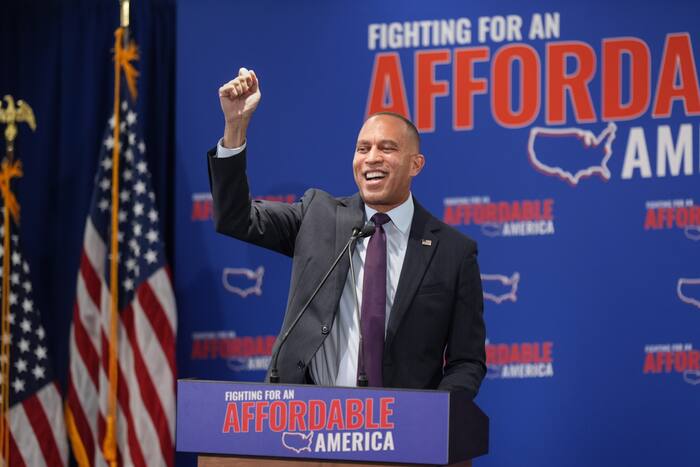 House Democrats will start their majority focused on boosting healthcare and ending the Iran war
click2houston.com· 7d
The Associated Press reports that after voters flipped both chambers of Congress to Democratic control in the 2026 midterms, House Democrats plan early votes on boosting Medicaid, restoring enhanced Affordable Care Act subsidies, stopping the war with Iran, and reversing some Trump tariffs. Their prospects are uncertain given the Senate's 60-vote threshold and a potential presidential veto.
 House Democrats will start their majority focused on boosting healthcare and ending the Iran war – WTOP News
wtop.com· 7d
The incoming House Democratic majority, with more than 250 seats, plans early votes on boosting Medicaid, restoring enhanced ACA subsidies, and legislation to stop the war with Iran and reverse Trump's tariffs. Passing bills faces a 60-vote Senate threshold and a veto threat, and Schumer won't say whether he would end the filibuster.
 House Democrats will start their majority focused on boosting healthcare and ending the Iran war
kiro7.com· 7d
An Associated Press article reports that House Democrats, with more than 250 seats after the 2026 midterms, plan fast action when the new Congress is sworn in on 3 January on reversing Medicaid cuts, restoring enhanced ACA subsidies, and stopping the war with Iran. Ted Lieu says they will also pass AI guardrails, though the bills face a 60-vote Senate threshold and President Trump, who posted a VETO hat on election night.
 House Democrats will start their majority focused on boosting healthcare and ending the Iran war
clickondetroit.com· 7d
The Associated Press reports that House Democrats, who won more than 250 seats in the 2026 midterms, are opening their majority with early votes on reversing Medicaid cuts, restoring enhanced ACA subsidies, and ending the war with Iran. A 60-vote Senate threshold and a potential veto from Donald Trump, who posted a 'VETO' hat on election night, stand in the way, and Adam Green says Democrats should get rid of the filibuster to get things done.
 Annie Andrews ran on fixing healthcare. The first big challenge arrives soon.
motherjones.com
Mother Jones profiles pediatrician Dr. Annie Andrews, who became the first Democrat to win a US Senate seat in South Carolina in nearly 30 years by centering her campaign on healthcare, including plans to stop Medicaid cuts and get private equity out of medicine. The outlet warns that investor ownership of healthcare could collide with President Trump's Medicaid cuts in 2026, upending access and creating a hospital crisis, while Andrews says stopping the cuts is her first priority.
 Why 2026 Is a Health Care Election
thebulwark.com· 13d
A Bulwark article argues the 2026 midterm election is, as much as any single issue, about health care, noting Democrats campaigning on deductibles, drug costs, and insurers, and that marketplace coverage has grown pricier after temporary subsidies lapsed and Medicaid cuts from the 2025 One Big Beautiful Bill begin taking effect. Raymond Rion, a Packard Health clinic director, credits the Affordable Care Act with cutting uninsured patients from one in three to one in ten but says the clinic has laid off a provider ahead of 2026 as patients skip care out of fear of bills, and the article forecasts most remaining Medicaid cuts will hit in 2026, pushing more people into emergency rooms and straining providers further.
House Democrats plan a first 100-days agenda if they sweep to power in midterm elections
apnews.com· 4w
Lisa Mascaro reports for AP News that House Democrats, out of power since 2023, are preparing a first 100-days agenda for the November 2026 midterms focused on affordability — reinstating Affordable Care Act tax credits, reversing Republican Medicaid cuts and Trump's tariffs, and pushing war powers votes on the Iran conflict — alongside investigations of President Trump and his administration. Hakeem Jeffries, in line to be the first Democratic speaker since Nancy Pelosi, says Democrats will be united "right out of the gate," while Mike Johnson says Republicans would continue their tax- and spending-cut agenda.
 What can be learned from states that made good faith efforts with work requirements?
A guest post by Matt Darling on Don Moynihan's Can We Still Govern? blog examines what states' earlier Medicaid work requirement efforts can teach as HR 1, signed July 4, 2025, makes the policy mandatory nationwide. Drawing on Arkansas and especially New Hampshire, where even 50,000 phone calls reached only about 500 people, Darling argues the requirements keep backfiring, with paperwork failures costing people coverage, and urges states to plan early, share resources, and design plain-language outreach to soften the harm.
 MAGA Conservatives Are Terrified of the Future
thenation.com· 1y
In an opinion column for The Nation, Chris Lehmann argues that Donald Trump's "One Big Beautiful Bill" codifies the MAGA movement's phobia of the future, calling it a retread that slashes $1 trillion from Medicaid, reverses clean-energy subsidies, restores federal leasing for oil, gas, and coal, and eviscerates efforts to confront climate change. A Princeton ZERO Lab and Evolved Energy Research report cited calculates the bill will boost US carbon emissions by more than 1 billion tons by 2035.
 The Senate finally passes reconciliation bill
punchbowl.news· 1y
Punchbowl News reports the Senate passed President Trump's One Big Beautiful Bill Act 51-50 after 26 hours, with JD Vance breaking the tie and Lisa Murkowski winning Alaska-focused provisions on taxes, SNAP, and Medicaid while Senate Republicans cut $1 trillion from Medicaid. The bill, which Thom Tillis opposed over Medicaid cuts, now heads to the House, where moderates are skittish and passage faces an uncertain fate before the GOP's July 4 deadline.
 Senate Passes Big, Beautiful Bill in Tie-Breaking Vote - The Daily Signal
dailysignal.com· 1y
George Caldwell reports for The Daily Signal that the Senate passed the One Big Beautiful Bill Act, 51-50, with Vice President JD Vance breaking the tie after GOP Sens. Rand Paul, Thom Tillis, and Susan Collins voted no. The 10-year fiscal package advancing Trump's tax and border priorities now heads to the House, where Speaker Mike Johnson pledges quick passage by July 4; Trump threatened a primary challenge that preceded Tillis's retirement announcement.
 One Big Beautiful Bill Act - Wikipedia
wikipedia.org· 1y
The Wikipedia article covers the One Big Beautiful Bill Act, the tax-and-spending statute at the core of Donald Trump's second-term agenda, which the 119th Congress passed narrowly — 51-50 in the Senate with JD Vance's tiebreaking vote — and Trump signed on July 4, 2025. It details provisions extending the 2017 tax cuts, cutting Medicaid and SNAP, funding ICE and defense, and phasing out clean energy credits, alongside CBO forecasts of $2.8 trillion added to the deficit and 10.9 million losing insurance, and criticism calling it the largest upward transfer of wealth in American history.
- Personal Responsibility and Work Opportunity Reconciliation Act of 1996 - Wikipedia
Wikipedia's article on the Personal Responsibility and Work Opportunity Reconciliation Act of 1996 covers the law, signed by Bill Clinton after passing the Republican-controlled Congress, that replaced Aid to Families with Dependent Children with Temporary Assistance for Needy Families, adding work requirements and time limits while giving states more control over welfare. It also reports falling caseloads, disputed effects on poverty, and critics, including Peter Edelman and Susan L. Thomas, who say the law left many families poorer and penalized single mothers and immigrants.
