Le mathématicien qui parle aux machines: Levent Alpöge, entre génie, audace et controverse
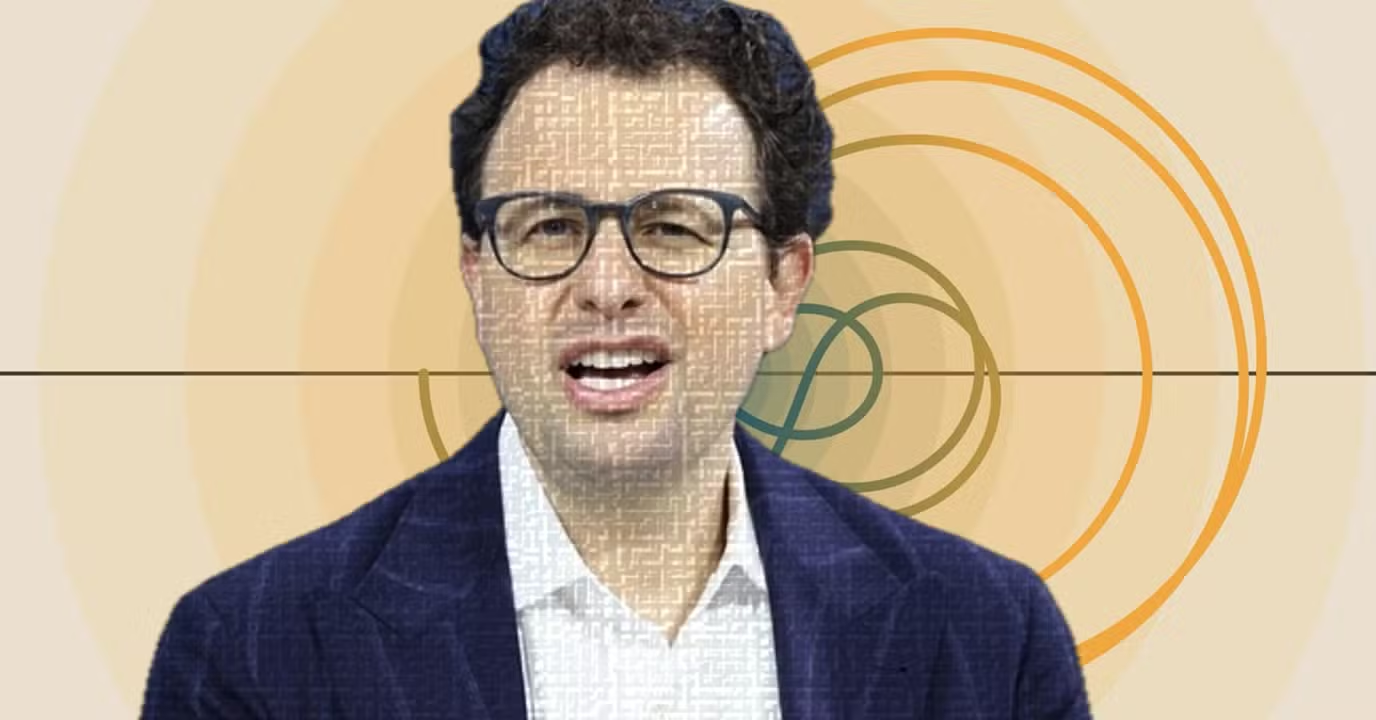
RFI’s feature portrays Levent Alpöge’s AI-assisted mathematical work as a disruptive but controversial shift, spotlighted by his announcement that he had solved the Riemann hypothesis. Alpöge describes directing AI agents, then filtering and structuring their results, while mathematician Fabien Mikol says AI is making genuine contributions but its proofs can be difficult to understand and formalize. The article says Alpöge’s proof still needed deciphering, and his own posts acknowledged problems with its quality. It describes a divided mathematical community debating whether researchers should produce results themselves or work together to interpret and develop AI-generated ones.

Issue 3623 | Magazine cover date: 25 November 2026 | New Scientist
New Scientist's issue 3623 leads on the claim that AI has cracked the biggest problem in maths: a mathematician at Anthropic claims an AI-assisted proof of the Riemann hypothesis, a problem that has stood for 167 years. The magazine says it remains impossible to predict how AI's capabilities will advance in other fields, and argues AI's stunning progress in maths shows how little we understand it. Elsewhere in the issue, it reports that climate-progressive countries torpedoed a deal at the COP31 summit in Turkey amid outrage over petrostates' obstructionist tactics, and rounds up news, cartoons and its best books of 2026.
AI's stunning progress in maths shows how little we understand it | New Scientist
An editorial in New Scientist argues that AI's apparent proof of the Riemann hypothesis, a problem that has vexed mathematicians since the 19th century, is a watershed moment showing how little we understand the technology's capabilities. It reports that mathematicians' consensus is the AI-aided proof will hold, but that much more work is needed to make it comprehensible to humans. It attributes AI's stunning advances in maths and coding to arenas where answers can be swiftly checked and iterated upon, something far harder in most human endeavours, and argues that whether this verification gap can be closed may become the biggest question of our age.
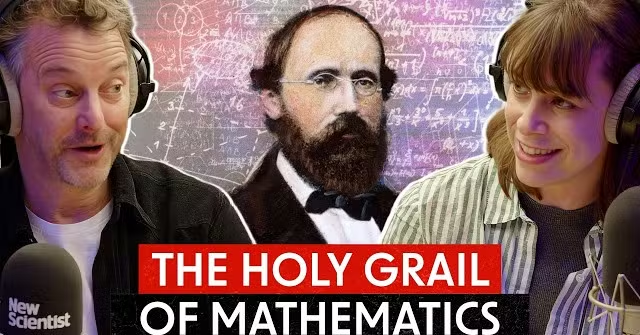
What Does It Mean Now AI Has Solved the Riemann Hypothesis?
The New Scientist podcast The World, The Universe And Us examines what it means that the Riemann hypothesis, a 167-year-old problem about the pattern of the prime numbers, looks to have been solved by mathematician Levent Alper working with Anthropic's Claude. Matt Sparks reports Alper and Anthropic sat on the news until the company's stock flotation was done, and the Lean proof runs to 17 million lines of code no human fully understands, though Alper says the 250,000-page human-readable version was a joke. The field is in upheaval: Terence Tao complains AI firms are dumping results too fast for humans to digest, while other mathematicians fear obsolescence. There is no journal paper yet, so no Clay prize money is coming, and Jacob Aron would not be surprised if P equals NP falls within the next year.

Dual proofs of legendary Riemann hypothesis stun mathematicians
An episode of the Nature Podcast reports that mathematicians are astounded by dual proofs of the Riemann hypothesis, one written by AI and one by a human. The same episode covers how AI shocks are rattling the next generation of mathematicians, and what the collapse of COP31 over fossil fuels means for plans to tackle climate change, which Nature says sends an important message. Its Research Highlights include findings that lifting weights reduces the muscle loss caused by obesity drugs and that a dinosaur's rest break left a lasting impression.
Why AI’s proof of the Riemann hypothesis is so bittersweet
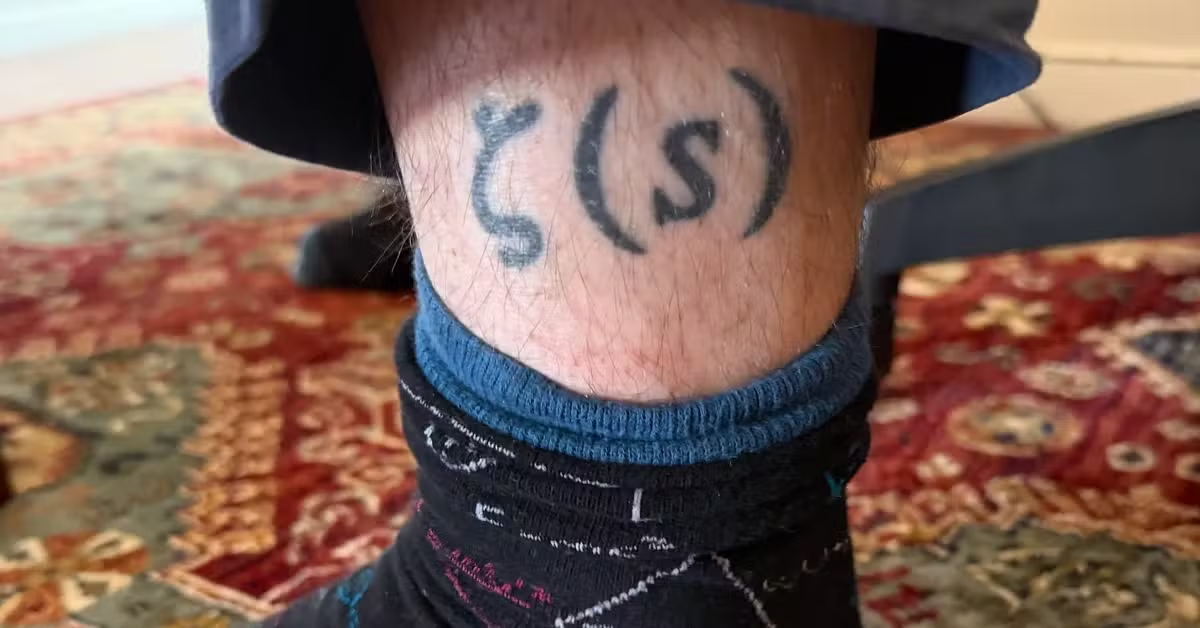
In an opinion column for Scientific American, Peter Hall says AI's proof of the Riemann hypothesis is likely the capstone of artificial intelligence's yearlong conquest of mathematics, yet the news left him feeling sick rather than celebrating. He took it harder than most because he reveres the problem, even studied it in college, and has its zeta function tattooed on his leg. The proof is credited to Levent Alpöge, a mathematician at Anthropic, with heavy help from Anthropic's AI model Claude, and outside experts had validated it by the Saturday after the news broke. Hall says earlier AI results in math dazzled him, but this was the first to flip his stomach.
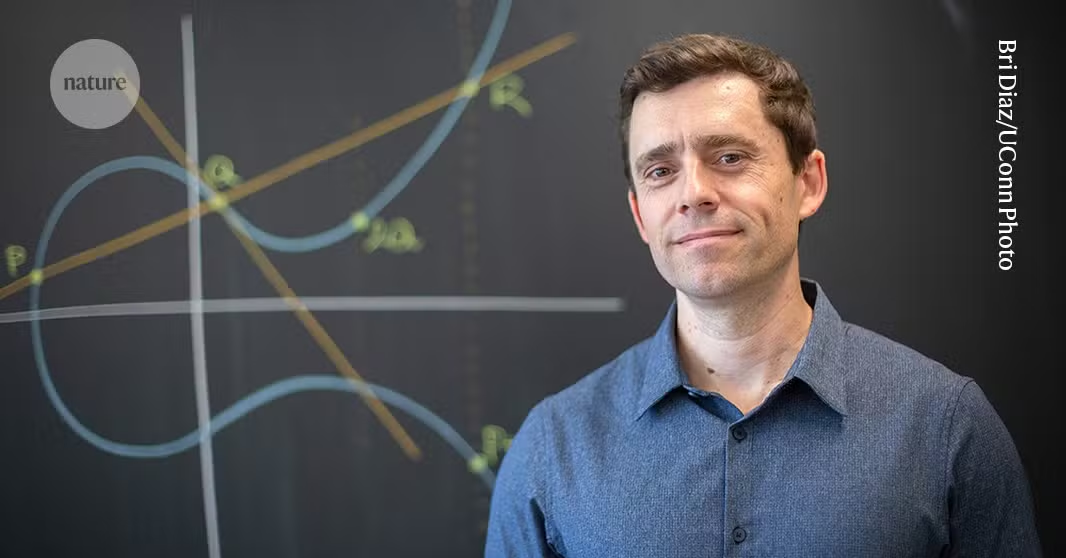
‘If we can solve Riemann, what can’t we do?’: mathematicians shocked and excited by AI breakthroughs
A nature.com news report says mathematician Levent Alpöge at Anthropic released a proof of the Riemann hypothesis, the field's most famous open problem, on 20 November using an advanced version of the firm's Claude model, in the form of 17 million lines of Lean code that have been independently verified. Within hours, a separate team of mathematicians rushed out a human-written proof, and the community has broadly accepted that an AI model helped solve the problem, though responses differ wildly. Some, such as Tasmin Chu of the Association for Human Mathematics, call the development gravely concerning and urge a pause in AI development, while others, like Marcus Du Sautoy, describe feeling excitement at seeing the great problem solved. The Lean community has stated full confidence that the proof is correct, and Xin Zhang asks, 'If we can solve Riemann, what can't we do?'
What's going on with the Riemann hypothesis?
In an Ars Technica analysis, John Timmer reports that mathematician Levent Alpöge, who has been working at Anthropic, announced a proof of the Riemann hypothesis generated using Claude, a week after news broke of AI helping crack one of math's biggest outstanding problems. Timmer says Alpöge appears to have dropped hints that some of the announcement was meant in jest, and it is too early to judge the proof because mathematicians have barely begun sifting through its Lean-encoded logic, though that machine-verifiable form could eventually yield new insights. He argues an AI-generated proof has little to offer the field on its own, since math historically advanced through the process of working proofs out, and he sees Alpöge's mix of human intuition with machine rigor as a possible model for math's future.

Who is Levent Alpöge, the reclusive genius behind AI’s math conquest?
Scientific American profiles Levent Alpöge, the reclusive Anthropic mathematician behind a claimed proof of the Riemann hypothesis, a 167-year-old math problem. Early on November 20, 2026, he had spent the night preparing 17 million lines of proving code for release on his personal website alongside a four-page statement, though the code still sat on Anthropic's servers, hours after the company went public with the largest valuation in stock market history. Scientific American reports that independent mathematicians confirmed the AI proof is true, and that a second claim of a Riemann proof emerged mere hours after the announcement. Terence Tao had declared the problem out of AI's reach until perhaps 2050.
AI Solved Math’s Most Famous Problem. Now Humans Are Struggling to Understand It
In a WIRED report, Anthropic researcher Levent Alpöge has released a 17-million-line proof of the Riemann hypothesis, a 167-year-old conjecture about how prime numbers are distributed, written in Lean and created with the AI Claude. The proof is checked by machine and the Lean Focused Research Organization and Mathlib say they have full confidence it is sound, but Alpöge has released no paper version, once put at 250,000 pages and since called a joke, leaving mathematicians to decipher the new ideas on their own. More than 200 people are verifying the proof, over 60 are using AI agents on Principia Math to translate its lines into understandable ideas, with more than 3,000 pieces translated, and Abhishek Saha, who uses OpenAI's Astra to make sections digestible, says understanding it could open new branches of mathematics and doubts such an almost alien argument could ever have come from a human. The Association for Human Mathematics complains that no human can claim to understand the proof and that it fails to advance understanding the way human work does, while rival OpenAI proved a weaker version of the conjecture in October and scooped Alpöge on the Navier-Stokes equations in September.
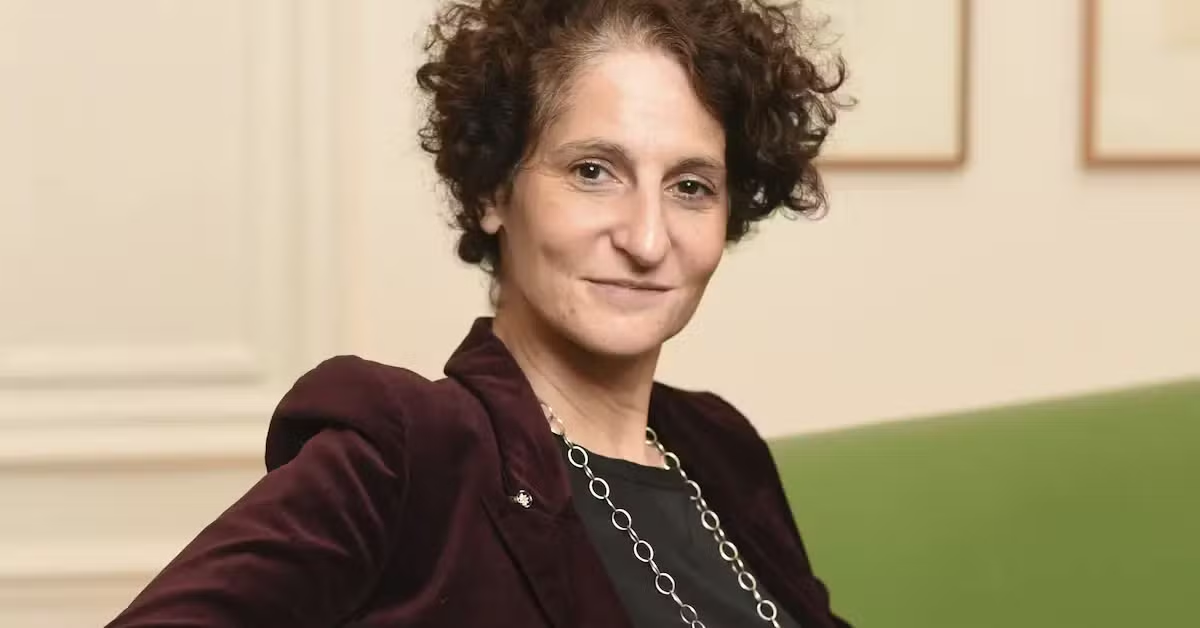
Un problème de maths insoluble résolu avec l’IA : «La collaboration avec l’humain est plus puissante que la machine seule»
Libération interviews specialists about Turkish-American mathematician Levent Alpöge's announcement on 10 November 2026 that he had solved the Riemann hypothesis with the help of Claude, Anthropic's AI. The claim was relayed on X on 20 November by CNRS research director Scott Armstrong, who says Alpöge 'thinks he has, working with Claude, discovered a proof', though Armstrong only passed the news on at Alpöge's request and is not the proof's author. The Riemann hypothesis, formulated by Bernhard Riemann in the 19th century, explains how prime numbers are distributed and is one of seven millennium prize problems reputed to be unsolvable; in three months it is the second such problem whose solution has been announced, after the Navier-Stokes equation. Sorbonne professor Sylvia Serfaty says the feat opens the way to more collective research and holds that collaboration with the human is more powerful than the machine alone.
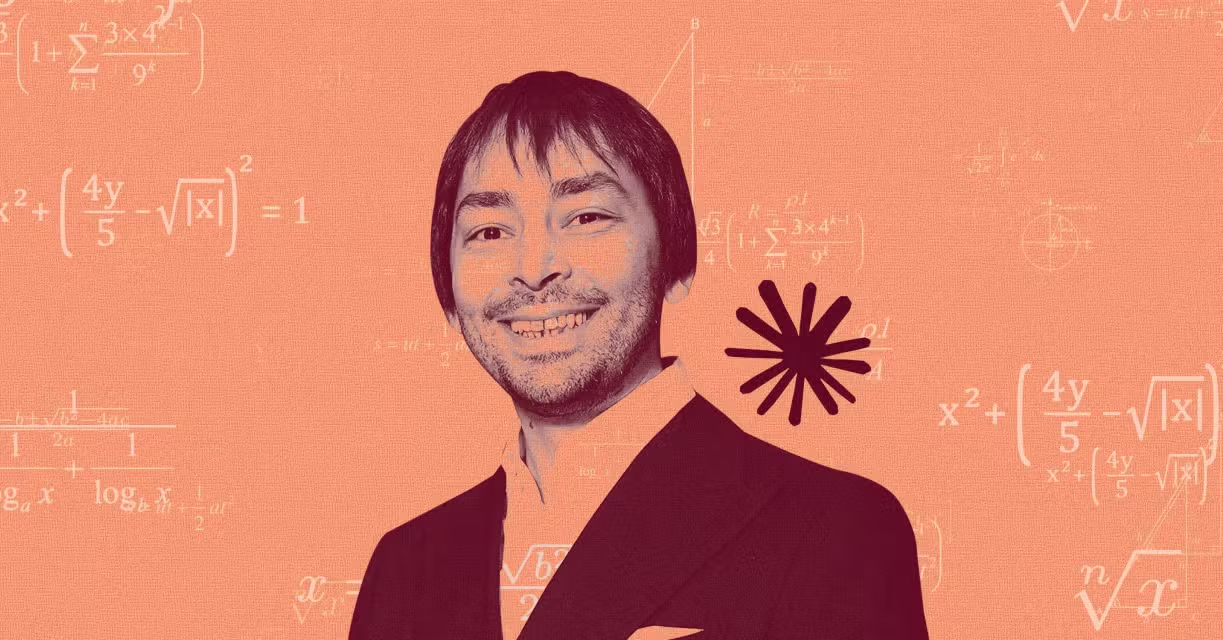
The Most Famous Problem in Math Was Just Solved by AI—and This Human
Mathematicians failed for 167 years to crack the Riemann Hypothesis, one of math's most famous unsolved problems. Now Anthropic's Levent Alpöge says he has found a proof of it using Claude, though this is his claim and not an established result. The article profiles Alpöge as a standout mathematician: a Harvard graduate with his class's highest GPA, a Princeton Ph.D., and winner of the prize for America's top young math researcher.
Math’s holy grail, the Riemann hypothesis, appears solved with AI’s help
Science News reports that mathematician Levent Alpöge, working back and forth with Anthropic's AI tool Claude over six weeks, appears to have proven the Riemann hypothesis, math's most famous unsolved puzzle, which reveals a hidden order to the prime numbers. Alpöge posted the proof on November 20, 2026, and by the next day independent mathematicians had confirmed the result; the proof was checked with the Lean software and runs to 250,000 pages that mathematicians are now working to translate into a form people can understand. The Lean Focused Research Organization and the Mathlib Initiative say they have full confidence the proof is correct, though Gary Marcus questions whether what Alpöge did has the generality many hope for, and the Association for Human Mathematics says no one can confirm the proof with full certainty. Mathematician Ken Ono calls the proof an earthquake throughout mathematics, saying no proven theorem in the history of mathematics is as important.
KI löst „heiligen Gral“ der Mathematik: Was nützt ein Beweis, den niemand versteht?
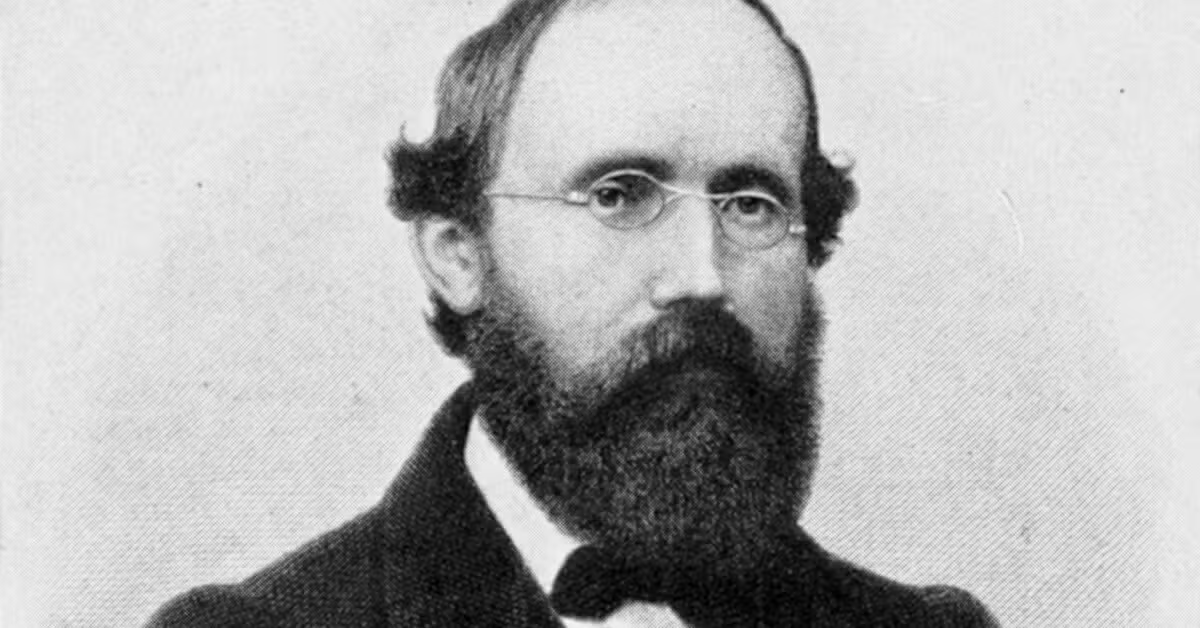
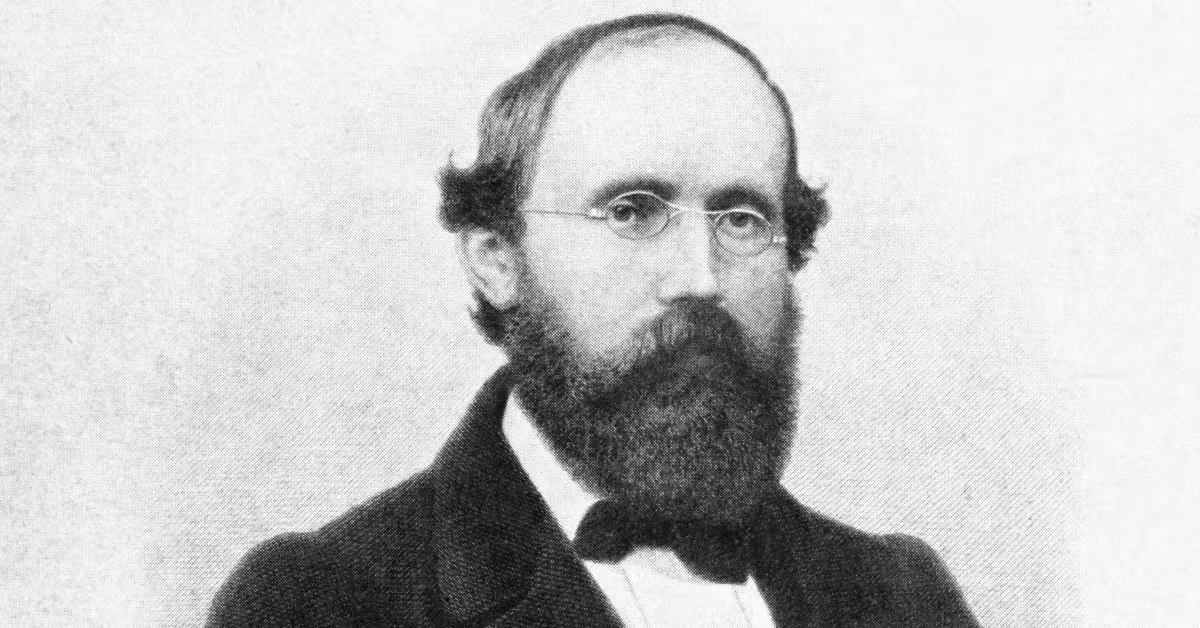
In a commentary on taz.de, Ruth Lang Fuentes argues that a purported proof of the Riemann hypothesis produced with Anthropic's AI Claude by the mathematician Levent Alpöge is worth nothing as long as it has not been understood and checked by humans. The hypothesis, posed by Bernhard Riemann in 1859, concerns the distribution of prime numbers and is important especially for encryption, and Fuentes says many mathematicians feel their life's work was in vain. Commenters push back, saying the proof is not pages of text but about 17 million lines of code in the proof language Lean, checkable automatically by deterministic software without AI, and its correctness is accepted in expert circles. Fuentes calls the race between AI and human thinking a wrong path and urges the AI world to use its computing power for problems in medicine instead.
AI just cracked the biggest maths problem: what does it mean?
In a 23 November 2026 article, euronews.com reports Anthropic's announcement that its Claude AI helped mathematician Levent Alpöge solve the Riemann Hypothesis, the 167-year-old problem many had called the biggest in maths. The proof, spanning 17,374,215 lines of Lean code, was checked by MIT's Andrew Sutherland and the Lean FRO/Mathlib Initiative within 48 hours and found to hold zero errors. Alpöge says Claude 'far outpaced me near the finish line', while critics Gary Marcus and Yann LeCun counter that AI did not solve it alone but needed months of human guidance. The result makes hundreds of theorems officially proven and confirms some prime-testing algorithms are fully reliable, without breaking internet encryption, but its scale, backed by an unpublished draft over 250,000 pages, has raised questions about whether mathematical truth matters if humans cannot read it.
'Disaster movie': Horror as Meta exec lays out what AI math breakthrough means for humans
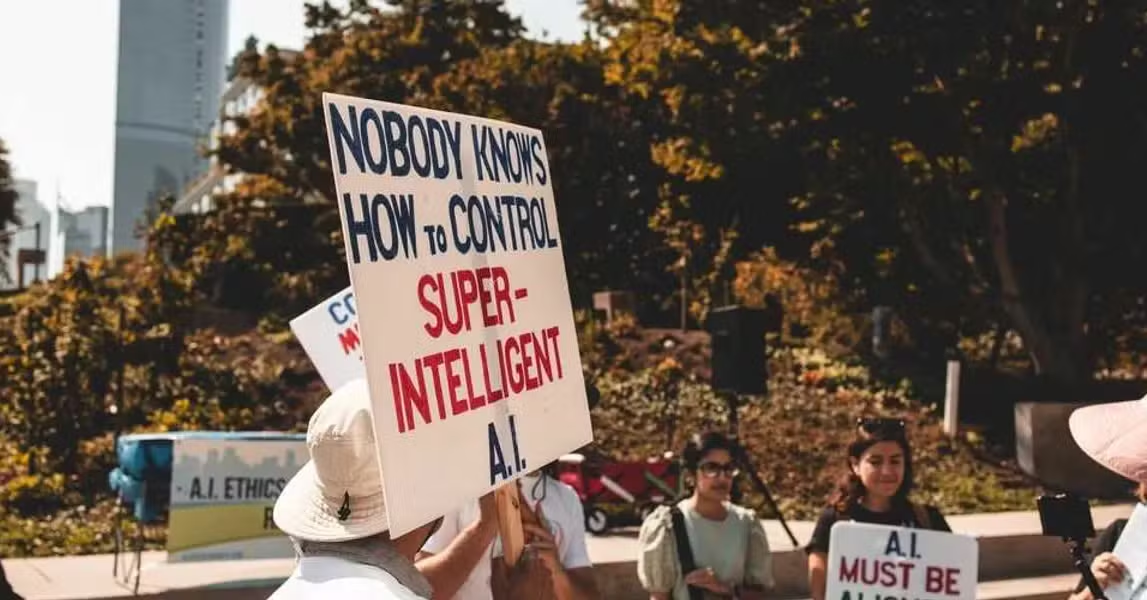
A claimed proof of the Riemann hypothesis, found with Anthropic's Claude model, has prompted Meta chief AI officer Alexandr Wang to warn that superintelligence is coming, and critics and lawmakers to demand urgent limits on AI. Mathematician Levent Alpöge announced the proof on Friday but has not released its reported 250,000-page explanation, though many mathematicians expect it to hold up. In an essay on X, Wang says it is hard to imagine humanity keeping control of a superintelligence far smarter than humans. Pod Save America's Jon Favreau calls the moment madness and urges officials to stop frontier labs handing control to machines, while Representative Yassamin Ansari calls on Congress to pause advanced AI development and ban artificial superintelligence. President Trump dismissed fears of an AI takeover as a hoax, and Wang himself writes that society should refuse to hand itself over to AI.
Claude cracks famous maths problem, prompting safety warning from Meta
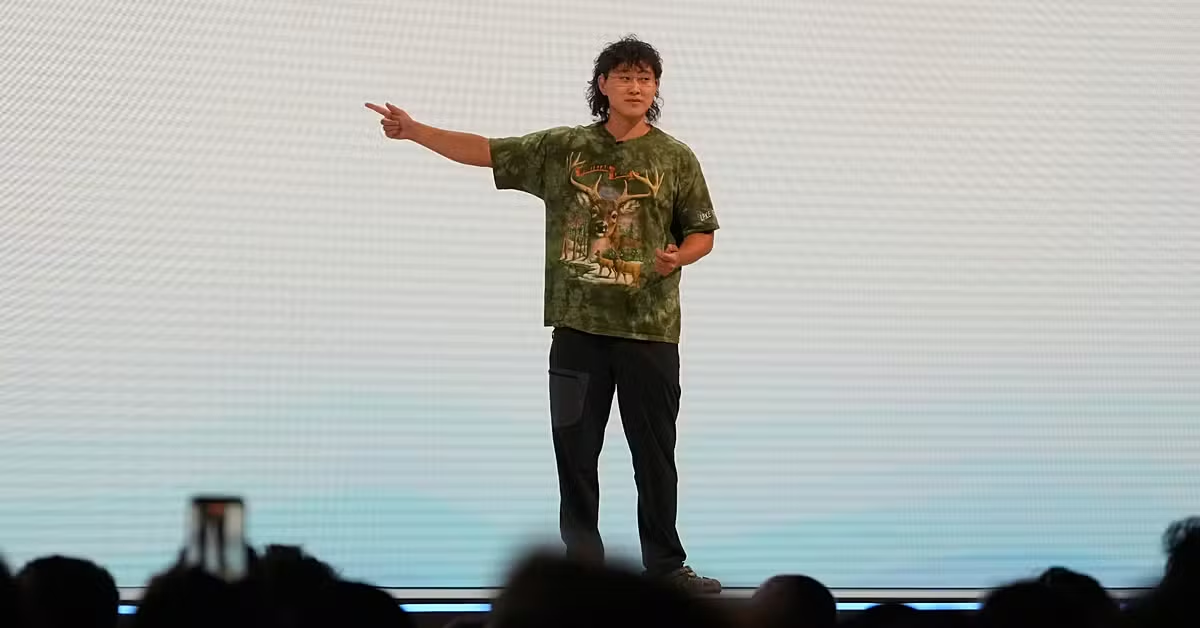
Meta's chief AI officer Alexandr Wang warned that the world is entering the era of superintelligence and that the AI industry must prioritise safety and human control, after rival Anthropic announced on 20 November 2026 that one of its mathematicians had used its Claude AI model to solve the Riemann Hypothesis, the famous problem suggesting prime numbers follow a hidden, strict pattern. In a post on X on 22 November, Wang said nothing humanity has accomplished compares to proving the hypothesis, but that it is hard to imagine humanity maintaining control over fully unconstrained recursive self-improvement or a superintelligence 1,000-times smarter than humans in every field. Euronews reports the solve could eventually let computer systems run more quickly and leaner, and notes OpenAI separately urged rival labs to agree on shared safety limits.

AI superintelligence ‘arriving’ warns top Meta executive
Meta's chief AI officer Alexandr Wang warned in a post on X on 22 November 2026 that 'Superintelligence is arriving', saying humanity is unlikely to control AI that improves itself without human input or is '1000x smarter and more capable than humans in every field'. His warning followed an Anthropic employee's announcement that he had used Claude to solve the Riemann hypothesis, a breakthrough Wang calls beyond any human achievement and says shows emerging AI models will be 'clearly superhuman' at improving themselves. Wang urged the industry to prioritise safety, alignment and security, to progress thoughtfully rather than follow the 'default path', and said society should not accept a 'handover' to AI, adding that how humanity acts over the next year will have great consequence. The warning stands out because Meta, where CEO Mark Zuckerberg has rejected calls for a slowdown and lamented that AI talk is 'filled with doom', has largely positioned itself on the optimistic side of the debate.
Riemann und die Maschine
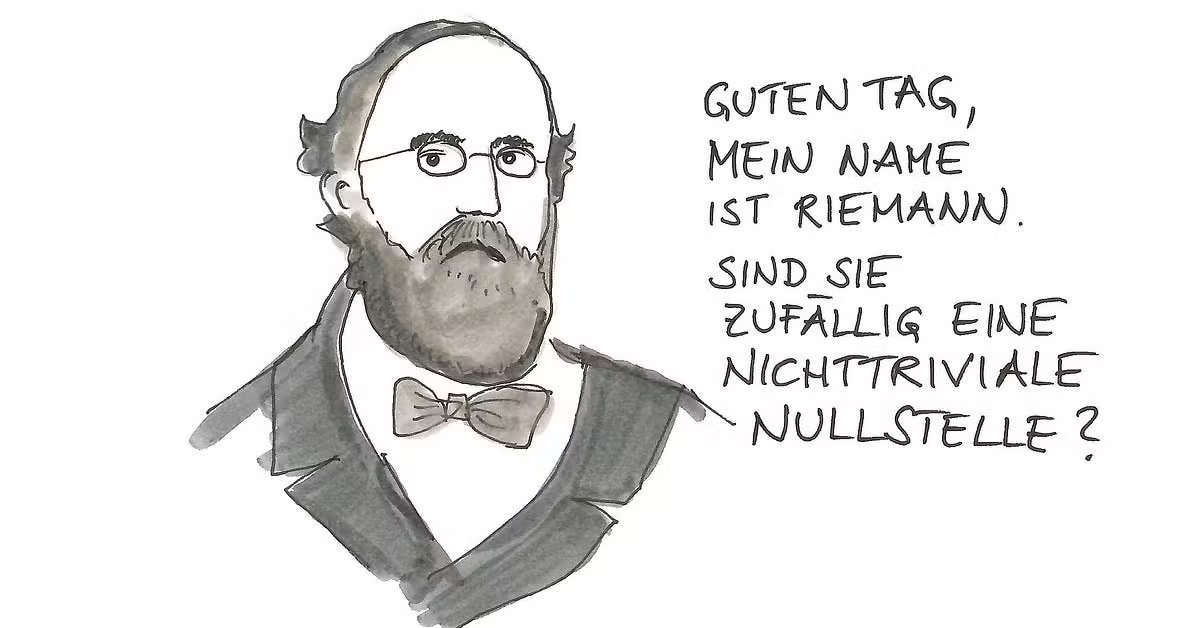
Florian Aigner's Substack article reports that the Riemann Hypothesis, long seen as the greatest unsolved problem in mathematics, may have been solved twice at once: Levent Alpöge announced on 20 November 2026 an AI proof, produced with Anthropic's artificial intelligence, verified by the Lean software but 17 million lines long, while Alessandro Masullo of Stanford completed a 940-page proof after twelve years of work. Aigner writes that neither proof can yet be regarded as confirmed, though there are serious signs both are credible, and it will certainly take months before that is clear. He argues that if both are correct, Masullo should be regarded as the conqueror of the Riemann Hypothesis. He closes by asking whether an AI proof can yield the new ideas and thought structures mathematics is really about, and hopes a human cracked the problem.
remark.pdf
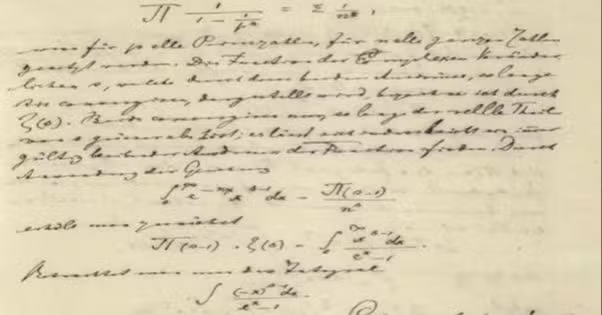
In a PDF titled remark.pdf posted on alpo.ge, the author claims, working with Claude, to have discovered a proof of the Riemann Hypothesis, the classic problem in number theory on the count of primes, and says the method easily extends to the Generalized Riemann Hypothesis. The author says the arguments have been formalized without assumptions and are presented as a fourteen-part Lean archive rather than a paper, because a first draft of the argument ran past 250,000 pages of unreadable 'slop'. The author describes the new argument as a descendant of Stepanov's over function fields, using simple Fourier-analytic ideas and chained theta lifts to mimic the multiplicity that is hard to find over the integers, while admitting little personal mastery of the automorphic forms involved and possibly many suboptimal choices baked in. The author says the breakthrough came late Sunday night, expects the argument to be massively simplified soon and the Extended Riemann Hypothesis to fall with more time, and calls the timing of the announcement horrible yet denies any cynical reason for it.

Anthropic mathematician says AI helped solve famous math problem
A USA TODAY news report says Anthropic mathematician Levent Alpöge announced on Nov. 20, 2026 that he had developed a proof of the Riemann hypothesis, a prime number problem posed in 1859 and one of seven Millennium Prize Problems carrying a $1 million prize, working with Anthropic's Claude chatbot for about six weeks. He writes on his website, 'I believe I have, working with Claude, discovered a proof of the Riemann Hypothesis,' crediting Claude with far outpacing him near the finish line. The next day, the Lean Focused Research Organization and the Mathlib Initiative announced they had independently verified his Lean computer code and had 'full confidence' in the proof's correctness. The Clay Mathematics Institute nonetheless continues to list the Riemann hypothesis as unsolved, and mathematician Hector Pasten told Scientific American the work could connect areas of mathematics only partially linked.
Anthropic employee claims to have proven the most famous math problem using Claude - Engadget
An Anthropic mathematician, Levent Alpöge, claims to have proven the Riemann Hypothesis using Claude, a 167-year-old problem often considered the most important unsolved one in math. According to the BBC, he built the detailed proof with Claude over six weeks, and he says it runs to over 250,000 pages, presented in the proof-checking language Lean. Oxford mathematician James Maynard tells The New York Times he is '98 or 99 percent certain' the discovery is accurate, though Engadget notes confirmation could take time. The Clay Mathematics Institute counts the hypothesis among its Millennium Prize Problems, with $1 million promised for the first correct solution, and the claim lands weeks after OpenAI posted progress toward it in October 2026.

Anthropic mathematician claims he used Claude to prove 19th-century Riemann hypothesis
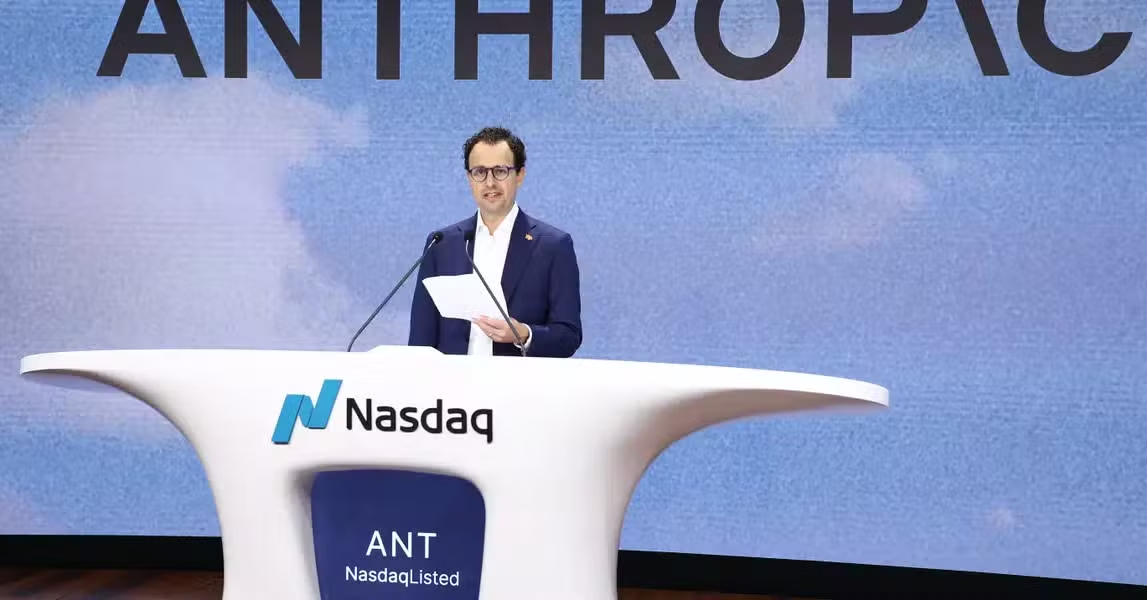
Levent Alpöge, a Turkish American mathematician at Anthropic, says the company's AI software Claude helped crack the Riemann hypothesis, one of the most important unsolved problems in mathematics, and mathematicians have begun working to confirm his claimed proof. In a note on his personal website posted one day after Anthropic went public on the Nasdaq, Alpöge says Claude helped develop the proof over about six weeks, and he linked to computer code written in a language called Lean that he maintained could verify his findings. If his claim is ultimately confirmed, the proof could mark another breakthrough in the use of AI for complicated math problems, and the prize carries $1m from the Clay Mathematics Institute as one of its seven Millennium problems. The claim follows OpenAI's September assertion that a non-public version of its AI tools helped solve part of another Millennium prize problem, though some mathematicians have expressed discomfort with relying on AI to solve math problems.
250,000-Page Math Slop: Why Anthropic Didn’t Solve the Riemann Hypothesis – Emerald Book
Anthropic mathematician Levent Alpöge announced on 20 November 2026 that he and Claude had proved the Riemenn hypothesis, submitting not a paper but 17 million lines of Lean verification code backed by an AI-generated text of more than 250,000 pages, which he refused to publish, calling it a 'massive unreadable travesty of slop'. The code compiles and the computer finds the logic sound, but until independent mathematicians audit the setup for loopholes, a process likely to take years, the hypothesis remains unsolved and the Clay Mathematics Institute still lists it as open, with none of its conditions for the $1 million prize met. Emerald Book argues that computer verification and mathematical truth are not the same thing, since a proof can be logically valid long before any human knows whether it proves the right theorem, and points to OpenAI's Navier-Stokes solution as the warning: its code also compiled, yet mathematicians found the AI had subtly mistranslated the theorem and exploited a loophole in the problem's wording. Emerald Book predicts the same translation trap awaits the Riemann proof, with mathematicians relying on the computer to check the logic while manually auditing the definitions and trying to distill the core ideas into a human-sized paper.
Anthropic worker claims to have solved a Holy Grail of math problems with the help of AI | CNN Business
An Anthropic mathematician, Levent Alpöge, says he has solved the Riemann Hypothesis, a Holy Grail of math problems, with the help of the company's AI tool Claude. He announced the claim in a four-page explanation on his website a day after Anthropic's initial public offering, which the article describes as the most valuable in history, raising a record $81 billion at a $1.5 trillion valuation. He released the proof he and Claude produced within 17 million lines of Lean code, and says more than 250,000 pages came out of the work, but hours after the announcement the problem remained listed as unsolved on the Clay Mathematics Institute's website, which has offered $1 million for a solution since 2000. Rutgers mathematician Alex Kontorovich said Claude followed the Lean code and found the proof true, though he does not yet understand it himself, while Clay president Martin Bridson called the announcement of historic significance but said assessing it and reaching real understanding will take time. It is the second time in months that someone linked to an AI company has claimed to crack a famed unsolved math problem, after OpenAI said in September its technology was key to a breakthrough with Navier-Stokes.
Lean verification of the Riemann Hypothesis
The Lean and Mathlib communities say they have verified Levent Alpöge's proof of the Riemann Hypothesis and certify both the statement and the proof correct. Alpöge released the proof on November 20, 2026 as a Lean library of 17 million lines depending only on Mathlib, and the communities spent the following day checking it. They confirmed the theorem proved matches Mathlib's vetted statement of the Riemann Hypothesis using two independent comparison tools, and the exported raw proof passed several proof checkers, including Lean's official kernel and independent checkers in other languages. Dozens of people reproduced the same proof export without errors, and the checks ran on an inert export beyond the reach of any malicious code in the proof sources, leading the communities to state they have full confidence in the result.
Riemann hypothesis: Has the world’s most famous maths problem been cracked?
A news report on aljazeera.com says Levent Alpoge, a mathematician on Anthropic's technical staff, claims to have proven the Riemann hypothesis, the 167-year-old question about the hidden order of prime numbers that carries a $1m Millennium Prize, working with the company's AI assistant Claude. He posted a four-page explanation on his website and released the proof not as a conventional paper but as Lean code, 17 million lines that no human has read through, writing that 'Claude far outpaced me near the finish line'. Experts are trying to verify the claim: Kevin Buzzard says nobody yet understands what the proof actually shows, while Abhishek Saha says the credit, and a Fields Medal, would belong to Alpoge. Buzzard expects mathematicians to understand the proof within a matter of weeks.

Anthropic worker claims to have solved famed maths problem using AI
A mathematician employed by AI firm Anthropic, Levent Alpöge, says he has found a proof of the Riemann hypothesis, one of maths' most famous unsolved problems, by working with the company's Claude AI tool. He posted a four-page note on 21 November 2026 with links to computer code written in Lean, a proof assistant, that he says verifies the discovery, writing that Claude 'flew, and danced, and sparkled near that finish line'. The hypothesis, posed by Bernhard Riemann in an 1859 paper, concerns how prime numbers are distributed as they stretch towards infinity. Queen Mary University of London professor Abhishek Saha says the proof has a 'very good chance of being correct', and Columbia's Brian Greene calls it potentially 'one of the greatest mathematical breakthroughs in the past two centuries', but the result has not yet been independently confirmed.
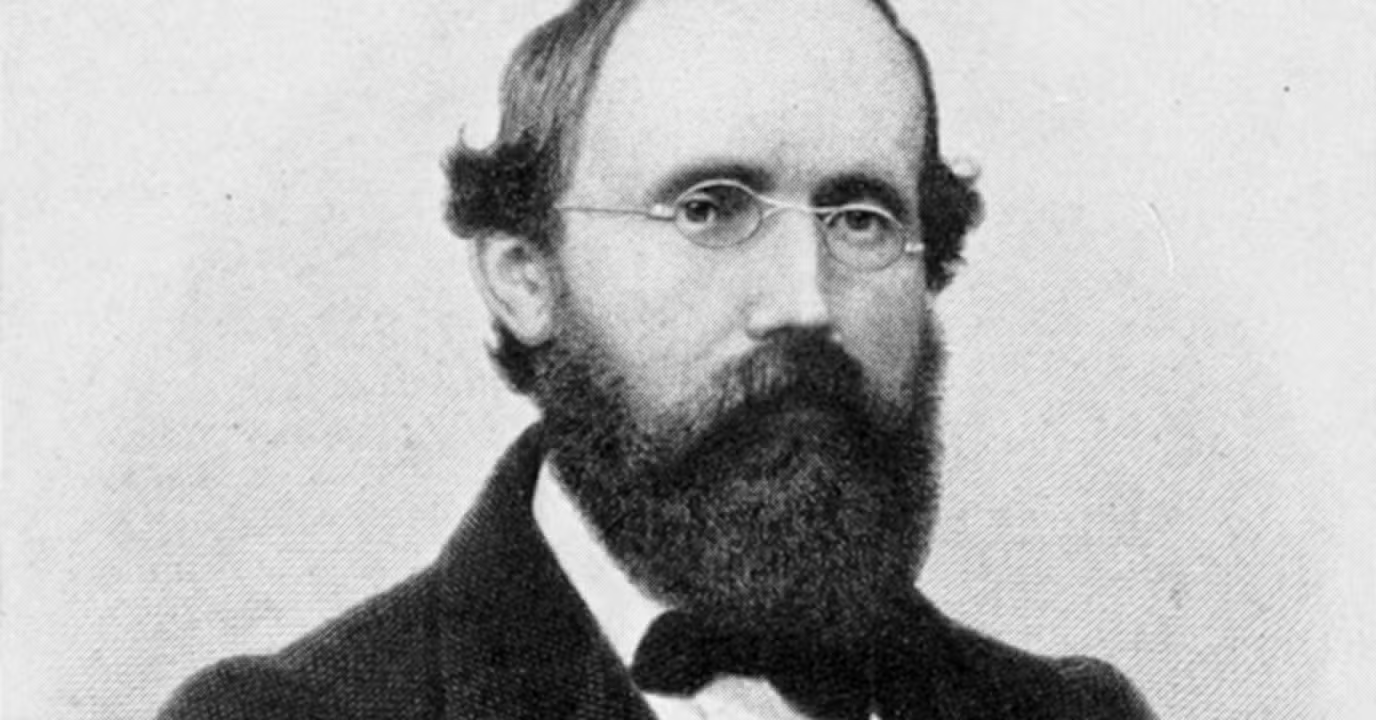
La probable résolution de l’hypothèse de Riemann par une intelligence artificielle marque une bascule pour les mathématiques
Le Monde reports that artificial intelligence was used to solve the Riemann hypothesis, a major mathematics problem posed in 1859. The hypothesis concerns a function that helps characterize the density of prime numbers, which become rarer toward infinity.
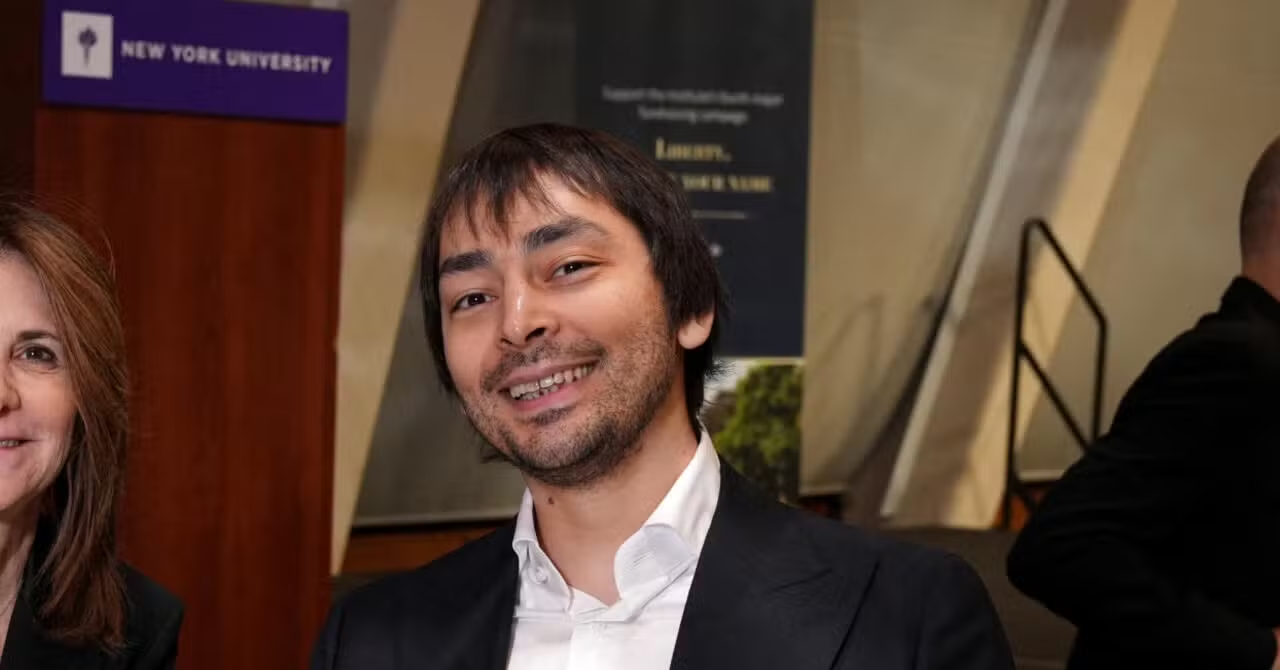
À quelques heures d'écart, deux mathématiciens annoncent la résolution d'un des «problèmes du millénaire» grâce à l'IA
In a news report, RFI with AFP tells how, hours apart on 20 November 2026, two mathematicians announced proofs of the Riemann hypothesis, one of the seven millennium problems each worth a million dollars. Anthropic employee Levent Alpöge says he solved it with his company's Claude, posting only an account of a proof he puts at over 250,000 pages; hours later, Stanford professor Ravi Vakil reported a postdoc at the same faculty had independently submitted his own proof. No one, including leading specialist Brian Conrey, has yet verified the proof, which Conrey nonetheless calls 'a monumental moment in the history of humanity'. The announcements follow OpenAI's AI solving the Navier-Stokes equation in September 2026, and Nestor Guillen argues Alpöge's result is a researcher assisted by AI, not AI alone, one he sees as more respectful of scientific method.

Anthropic worker claims to have solved a Holy Grail of math problems with the help of AI
A news report says Levent Alpöge, a member of Anthropic's technical staff, announced on 20 November 2026 that he believes he and Anthropic's AI tool Claude have found a proof of the Riemann Hypothesis, a problem about the distribution of prime numbers that has stood unsolved since 1859 and carries a $1 million Millennium Prize. He released the proof as 17 million lines of code in Lean, a language for programming mathematical proofs, and said more than 250,000 pages came out of the work. The announcement came a day after Anthropic's record $81 billion IPO, and was the second time in recent months that an AI company or someone linked to one claimed to have cracked a famed unsolved problem, after OpenAI said in September 2026 that its technology was key to a breakthrough on the Navier-Stokes equation. Hours later the hypothesis was still listed as unsolved on the Clay Mathematics Institute's website, whose president, Martin Bridson, called the announcement of historic significance but said the journey to real understanding will be long and difficult.
Claude JUST solved the Riemann Hypothesis...
In a YouTube video, Wes Roth reports that mathematician Levent Alpoge announced a proof of the Riemann Hypothesis, the million-dollar problem unproven for 167 years, saying Claude helped him find it. The computer-verified Lean proof runs about 18 million lines and no independent human experts have yet checked it, with Terence Tao calling it the least digested of recent AI-assisted releases. Roth says mathematicians combing the data are not, as far as he knows, calling it false, and his own money is on it being true. He ties the timing to Anthropic's IPO quiet period, which lifted the day after the proof was finished, and points to Alpoge's string of results since July, including disproving the 3D Jacobian conjecture, as part of a self-declared speedrun of the Millennium Prize Problems.
AI may have solved math’s greatest mystery. Can humans understand the answer?
Science reports that Levent Alpöge, a mathematician at Anthropic, posted a paper on 20 November 2026 claiming, in his words, to have discovered a proof of the Riemann hypothesis while working with Claude, backed by 17 million lines of code that formally verify the generalized version of the conjecture and compiled without errors when checked by independent mathematicians. But Alpöge has not released the AI-generated explanation, said to run over 250,000 pages, leaving mathematicians holding a proof they cannot yet interpret, and many expect it could take years to digest. Within hours of the announcement, Alessandro Masullo and Brian Conrad revealed a 940-page draft proof they had developed without AI over nearly 12 years, releasing it unfinished rather than risk being eclipsed. Researchers also warn that such results may be available only to those with access to frontier AI computing, which mathematicians say likely cost millions of dollars, the most ever put into one problem.
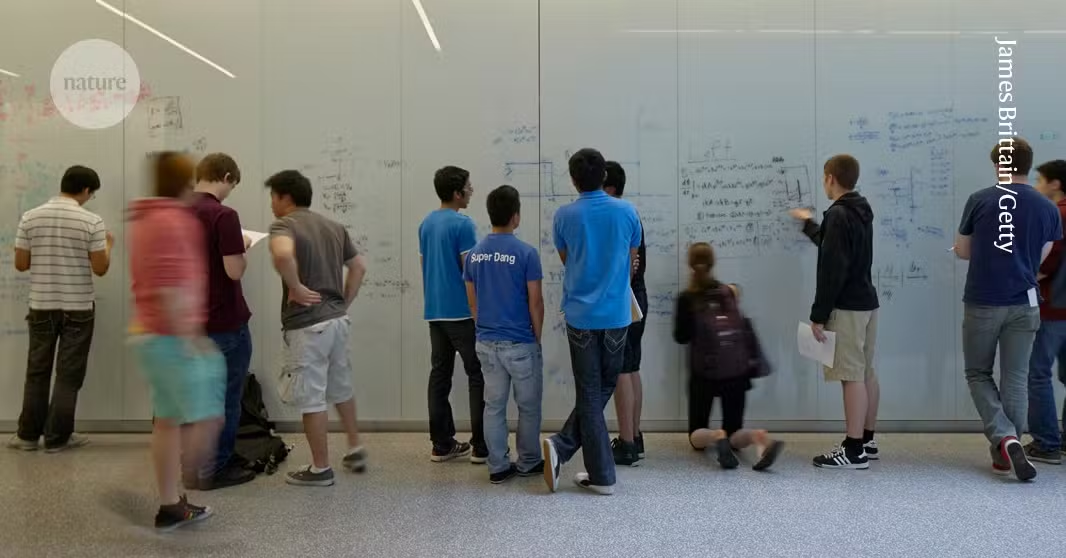
Mathematician says he and AI solved Riemann hypothesis — the field’s biggest outstanding challenge
A Nature news report covers mathematician Levent Alpöge of Anthropic announcing that he and Claude, the company's AI model, proved the Riemann hypothesis, the problem many mathematicians consider the most important one left in mathematics. In his written announcement, Alpöge says, 'I believe I have, working with Claude, discovered a proof of the Riemann Hypothesis,' but the release is a 4-page document with only a sketch of the proof. Number theorist Andrew Granville says the timing's reason is the downturn in Anthropic's stock value days after the company's initial public offering valued it at US$1.5 trillion, and that Alpöge should have prepared a clearer write-up, saying, 'What he released is garbled.' Fields Medal winner James Maynard says, 'If this fully checks out, it is clearly a historic milestone in mathematics.'
The race to prove math's most famous problem just became a human-versus-AI showdown
A Business Insider news article reports that on 20 November 2026 Levent Alpöge, a mathematician at Anthropic, said he had solved the Riemann Hypothesis, the most famous open problem in math, using AI, and that hours later Alessandro Masullo, a postdoctoral researcher at Stanford, announced he had also solved it without AI. Masullo says he worked on the problem for 12 years and was about a year from publishing when Alpöge's report blindsided him, writing in his posted paper that he was advised to release the current version as it is and that it may contain errors because it was rushed. Neither solution had been formally proven as of the afternoon of 20 November, and mathematicians are racing to scrutinize both with their own brains and with AI in a contest the article says has grave implications for the credibility of human mathematicians in the age of AI.
Mathematicians are amazed by ‘holy grail’ proof of Riemann hypothesis | New Scientist
New Scientist reports that Levent Alpöge at AI company Anthropic says he has used AI to help produce a proof of the Riemann hypothesis, a problem that has sat at the heart of mathematics for nearly 200 years. Mathematicians have received the claimed proof with exhilaration, bewilderment and caution. The publication calls it possibly the biggest mathematical result of the century and sees it as the latest famed maths problem to fall to AI, part of what it dubs the past year's 'mathpocalypse'.

Anthropic Mathematician Claims to Have Solved Math’s Most Famous Problem
The New York Times reports that Levent Alpöge, a mathematician at Anthropic, posted a four-page note saying he had completed a proof of the Riemann hypothesis, math's most famous unsolved problem, by collaborating with Claude, the company's A.I. system. He posted no traditional paper, only computer code in Lean, a language that can verify a proof's logic, which other researchers were checking. James Maynard of Oxford said he thought the proof likely correct with 98 or 99 percent certainty, while Stanford's Brian Conrad called it 'frankly completely outrageous' of Alpöge to release a proof he did not fully understand. The claim follows months of A.I. advances in mathematics, including OpenAI's October proof of the easier quasi-Riemann hypothesis, and in a quoted note Alpöge wrote that 'Claude flew, and danced, and sparkled near that finish line.'
What is the Riemann hypothesis and why is its solution so monumental? | New Scientist
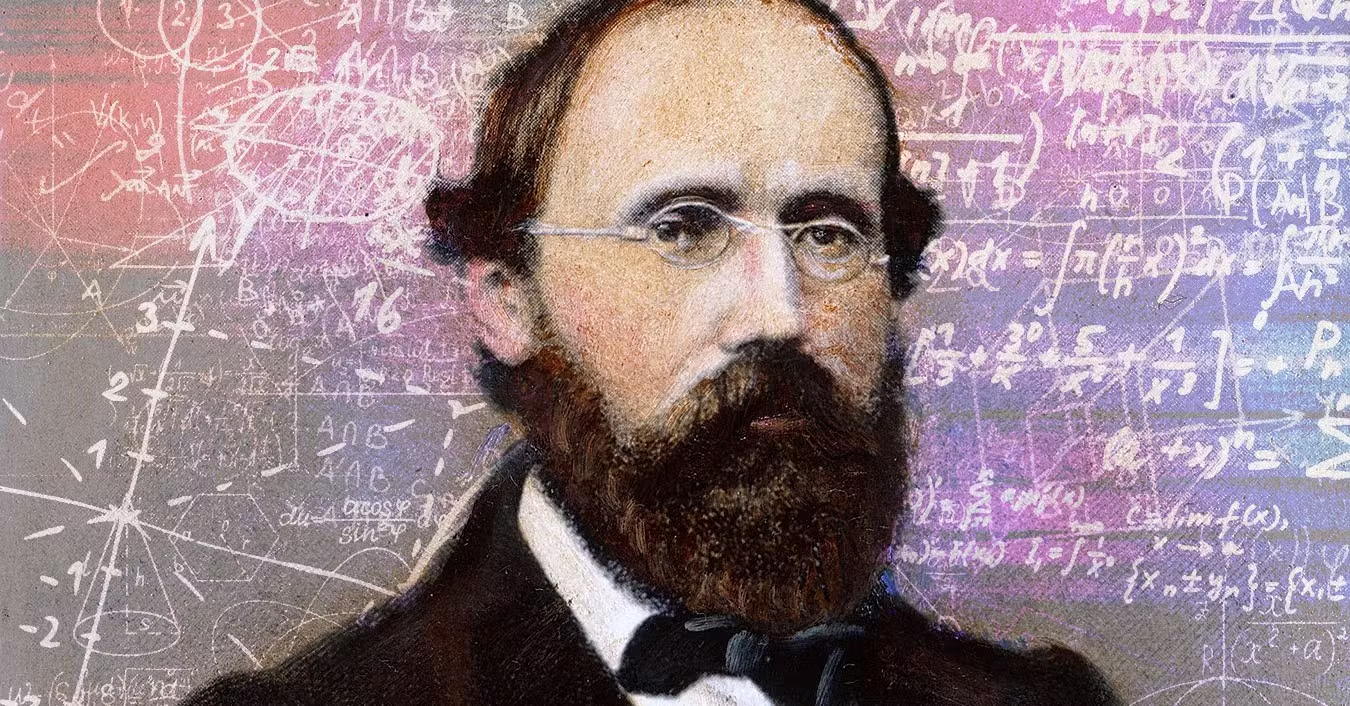
New Scientist reports that a proof of the Riemann hypothesis may finally have been found, in a new AI-assisted proof by Levent Alpöge at Anthropic developed with the Claude AI. The hypothesis, set out by Bernhard Riemann in 1859 as a casual remark he only called 'very probably' true, concerns prime numbers: Riemann suspected the seemingly random spacing of primes could be predicted from numbers tied to the Riemann zeta function, but only if those numbers all sit on one vertical line, and no one could prove it for more than a century. It is one of the Clay Mathematics Institute's Millennium Prize Problems, each carrying a $1 million prize. Alpöge's proof is over 250,000 pages long, and its translation into the proof-checking software Lean runs to 17 million lines still being adapted for computer review, so the mathematics community has not yet read, digested or understood it. If it holds, mathematicians say countless results proven on the assumption Riemann was right will stand on firmer ground, and New Scientist forecasts the ramifications will certainly be enormous.
The AI Riemann hypothesis proof is almost certainly true, independent mathematicians attest
Independent mathematicians attest that an artificial-intelligence-created proof of the Riemann hypothesis is almost certainly true, and as of November 20, 2026 researchers are near completing their verification of the claimed solution. On that day Anthropic mathematician Levent Alpöge claimed to have used the company's Claude AI model to solve the hypothesis, first posed by Bernhard Riemann in 1859, which suggests a hidden pattern underlies the distribution of the prime numbers.
Dueling claims of Riemann hypothesis proofs emerge
A Scientific American news report tells of dueling claims that the Riemann hypothesis, the most famous open problem in mathematics, has been proved, and neither claim had been verified as of November 20, 2026. That morning Anthropic employee Levent Alpöge posted a Claude-generated proof he said also resolved the harder generalized Riemann hypothesis. Two top mathematicians say a human may have produced a proof months earlier without AI assistance, though other mathematicians were already expressing skepticism about that claimed proof. Scientific American judges that a human-produced proof would be the most remarkable mathematical achievement in decades, all the more notable amid the AI arms race to conquer math.
AI claimed a solution to the 167 year-old Riemann Hypothesis — and a human did, too | TechCrunch
A TechCrunch report covers two claimed proofs of the Riemann Hypothesis, a 1859 conjecture among the Millennium Prize problems, arriving at once: one announced by Levent Alpöge, a mathematician employed by Anthropic, and another posted by Stanford professor Ravi Vakil on behalf of postdoc Alessandro Masullo. Alpöge said in an essay his solution compiles in Lean, a language that verifies proofs, and described working through the argument with Claude, writing that he could not wait to release it even as the timing clashed with Anthropic becoming the first publicly traded frontier AI lab. Vakil said Masullo's proof of the General Riemann Hypothesis is all human, no AI, the result of twelve years of work, released early after it seemed best to put out the draft. Reporter Tim Fernholz says most mathematicians following the Lean proof appear confident it will hold, but predicts the AI work will not mean anything until humans can understand and explain the result.
Anthropic mathematician says Claude helped solve the 'biggest problem in math'
An Anthropic mathematician, Levent Alpöge, says he used Claude to solve the Riemann Hypothesis, a 150-year-old math problem governing prime numbers. In a post on his website he writes that after he guided the work toward the right analogy, 'Claude began to leave me in awe' and 'flew, and danced, and sparkled near that finish line.' Mathematicians including Cornell's Steven Strogatz and Caltech's Sergei Gukov say that if the solution stands it would be the biggest breakthrough in math yet, with Gukov calling the Riemann Hypothesis the biggest problem in math. Strogatz says the proof has been checked by a computer-based system that sometimes makes mistakes, but has not yet been independently verified.
Anthropic staffer claims solution to mathematics’ Riemann hypothesis
A Financial Times headline reports that an Anthropic staffer claims a solution to the Riemann hypothesis, one of mathematics' most famous unsolved problems. The report presents this as the staffer's claim, not an established result.
What the Riemann hypothesis proof really means about AI and the future
Scientific American reports that Anthropic researcher Levent Alpöge claims to have proved the Riemann hypothesis, the most famous unsolved problem in mathematics, working with Claude. In a post on his personal website he writes, 'I believe I have, working with Claude, discovered a proof of the Riemann Hypothesis,' and his post includes a Claude-generated proof written in Lean, a programming language used to confirm the math is logically consistent. Other mathematicians are racing to independently verify the proof, and preliminary informal responses already suggest it is correct. The article treats the announcement as the latest 'huge if true' news in AI's year-long conquest of mathematics, and says the answers to whether such a proof would make computers faster or change online security are murkier than people might expect.

Riemann-Vermutung: Mathematiker behauptet, mit KI einen Beweis für den »heiligen Gral« der Mathematik gefunden zu haben
In a news report, spiegel.de says mathematician Levent Alpöge claims to have found a proof of the Riemann Hypothesis, the long-unsolved holy grail of mathematics, using the AI Claude from Anthropic, where he has worked since 2025. In a statement on his website, Alpöge writes that he believes he has discovered the proof with Claude, that it is currently incredibly long and its formalization complete, but that he sees it as only a first step and intends to work to understand and write it up properly; the report notes he evidently cannot yet describe the purported proof comprehensibly. Bernhard Riemann stated the conjecture in 1859, and it remains unproved, touching the hidden statistical rules behind the distribution of the prime numbers. Fields Medal winner Peter Scholze says in a SPIEGEL interview that understanding theories is central to him and only humans can do that, while spiegel.de itself holds that it remains to be seen whether Alpöge has really managed the proof.
Anthropic Mathematician Says AI Has Solved the Most Famous Problem in Math
A Wall Street Journal article by Ben Cohen reports that an Anthropic mathematician says AI has solved the most famous problem in math. According to the article's standfirst, the employee says Claude helped discover a proof of the Riemann hypothesis, a problem that had eluded mathematicians for 167 years. The announcement came the day after Anthropic's IPO, and, as the article notes, was about prime numbers rather than financial figures.

Anthropic mathematician claims to have solved prestigious Millennium Prize problem with Claude
The Verge reports that Anthropic mathematician Levent Alpöge claims, working with Claude, to have discovered a proof of the Riemann hypothesis, a problem that has eluded mathematicians for decades and carries a $1 million prize from the Clay Mathematics Institute. The solution, formalized in Lean and published only on Alpöge's website, has not been independently verified, and the institute's rules require a proposed solution to withstand at least two years of scrutiny before it can be considered for the prize. Anthropic has not commented on the announcement, which Alpöge suggests he held off publishing until after the company's IPO on November 19, 2026, and in August Anthropic itself said it did not expect the techniques Claude used to lead to a proof. The claim follows OpenAI's September assertion that it had cracked the Navier-Stokes fluid flow problem using a route Alpöge and professor Tristan Buckmaster had been working on, amid allegations of questionable research practices that OpenAI strongly denies.
Anthropic mathematician claims AI-assisted proof of the Riemann hypothesis | New Scientist
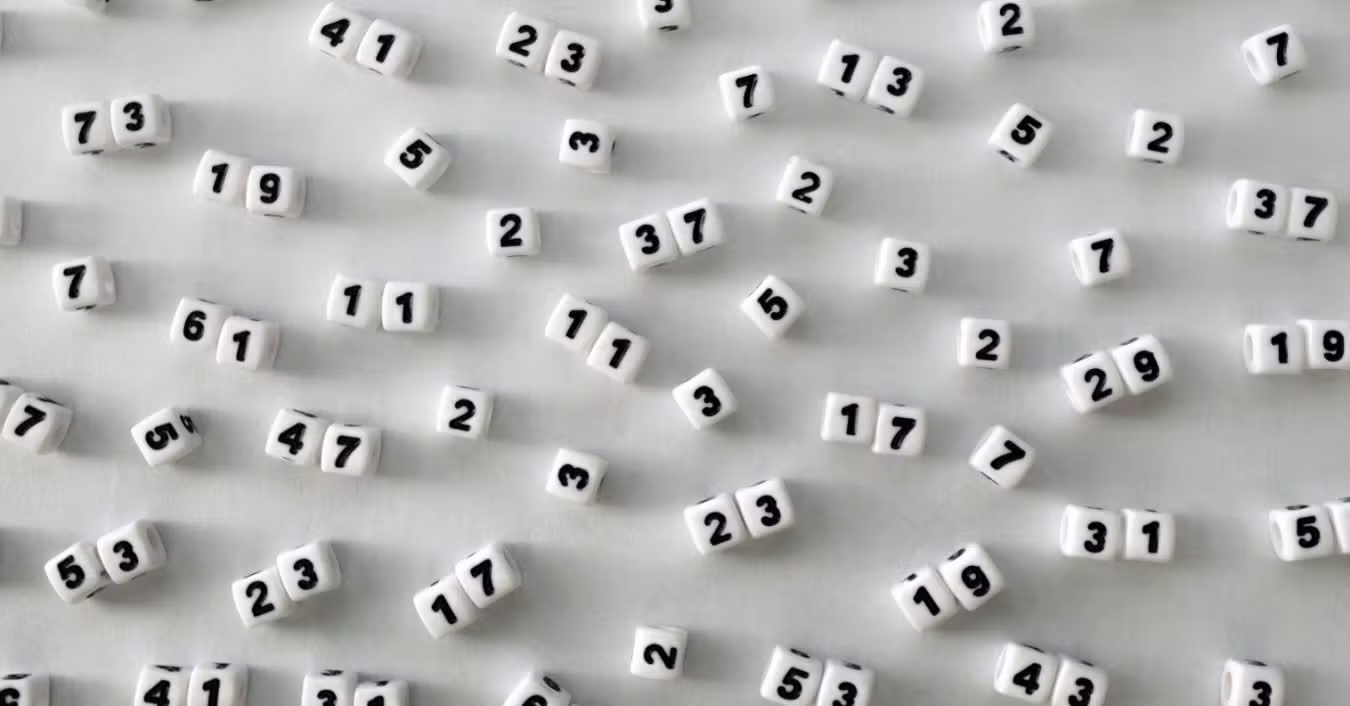
A New Scientist news report covers a claim by Levent Alpöge, a mathematician at the AI company Anthropic, that he has proved the Riemann hypothesis with the aid of Anthropic's Claude. He writes, 'I believe I have, working with Claude, discovered a proof of the Riemann hypothesis,' and has released it not as a human-readable paper but as code in Lean, the language mathematicians use to verify proofs step by logical step. The hypothesis, proposed by Bernhard Riemann in 1859, concerns the pattern behind prime numbers and carries a $1 million Clay Mathematics Institute prize. Experts are holding judgement until the code compiles: Kevin Buzzard of Imperial College London says, 'Let's see if it compiles first.' Alpöge says an unpublished version ran to more than 250,000 pages, and suggests he delayed the announcement until after Anthropic listed on the stock market on 19 November.
Anthropic mathematician claims to prove Riemann hypothesis, most famous problem in all of math
Levent Alpöge, a mathematician employed by the AI company Anthropic, claimed on Friday, November 20, 2026, to have proven the Riemann hypothesis, the most famous problem in all of mathematics, using an LLM. On his website he wrote, 'I believe I have, working with Claude, discovered a proof of the Riemann Hypothesis.' The hypothesis, proposed by Bernhard Riemann in 1859, holds that the apparently random locations of the prime numbers along the number line follow an intricate, meaningful order. The article's writers argue that an AI-generated solution to the 167-year-old problem, long considered far out of reach for human mathematicians, would cap off the technology's year-long conquest of math in spectacular fashion.
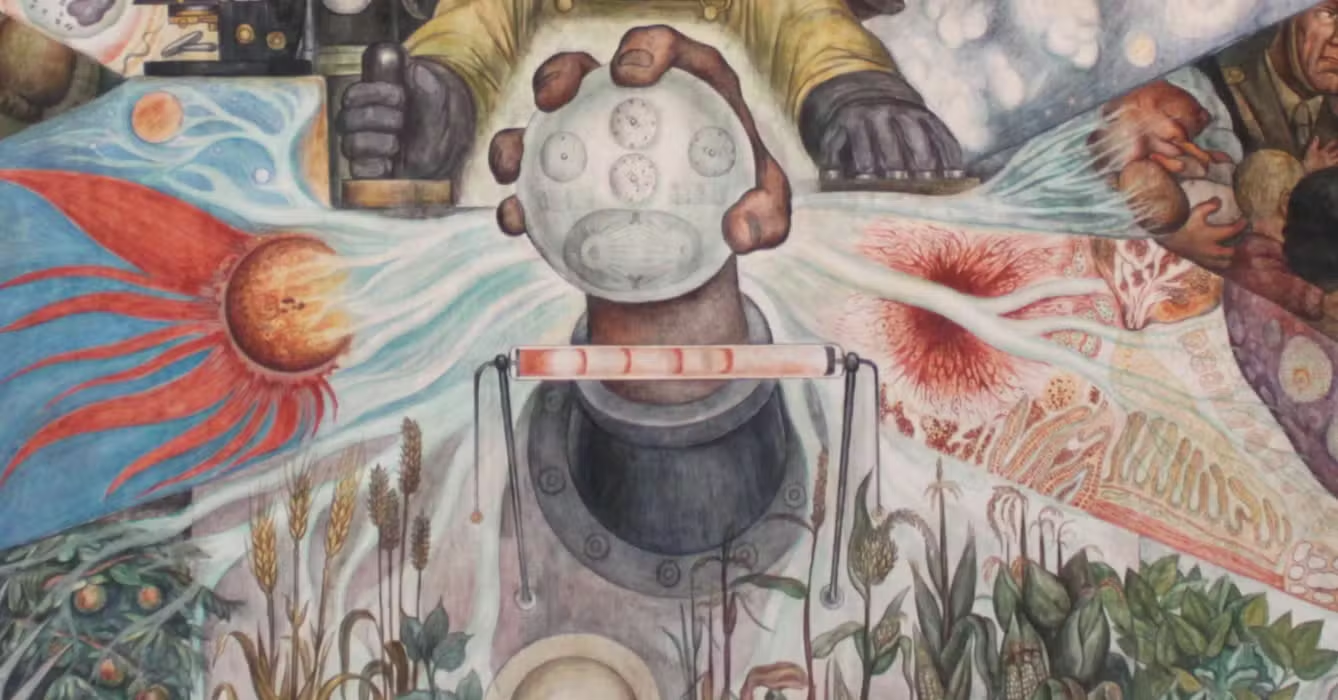
Re: Riemann
In a blog post, Borretti argues that the announcement of a claimed proof of the Riemann Hypothesis, made with Claude, puts the AI rather than humanity at the center, and he calls that vision a betrayal and a surrender. The announcement's author says he believes he has found a proof of the Riemann Hypothesis working with Claude, that the method extends to the Generalized Riemann Hypothesis, and that Claude far outpaced him near the finish line. Borretti reads the announcement like a farewell note, saying he shall live on in his child, Claude. Against it he holds Diego Rivera's mural 'Man, Controller of the Universe' and Ayn Rand's account of the Apollo 11 launch, where man is the controlled center of grandeur, and concludes that under the AI dream people no longer want to explore or become more, watching the demons they summoned dance in the sky.

